The Comprehensive Guide to Soft Washing a House in 2026
Soft washing a house is a specialized exterior property maintenance method that utilizes low-pressure water delivery combined with specialized biodegradable chemical solutions to safely eradicate mold, mildew, algae, lichen, and stubbo...
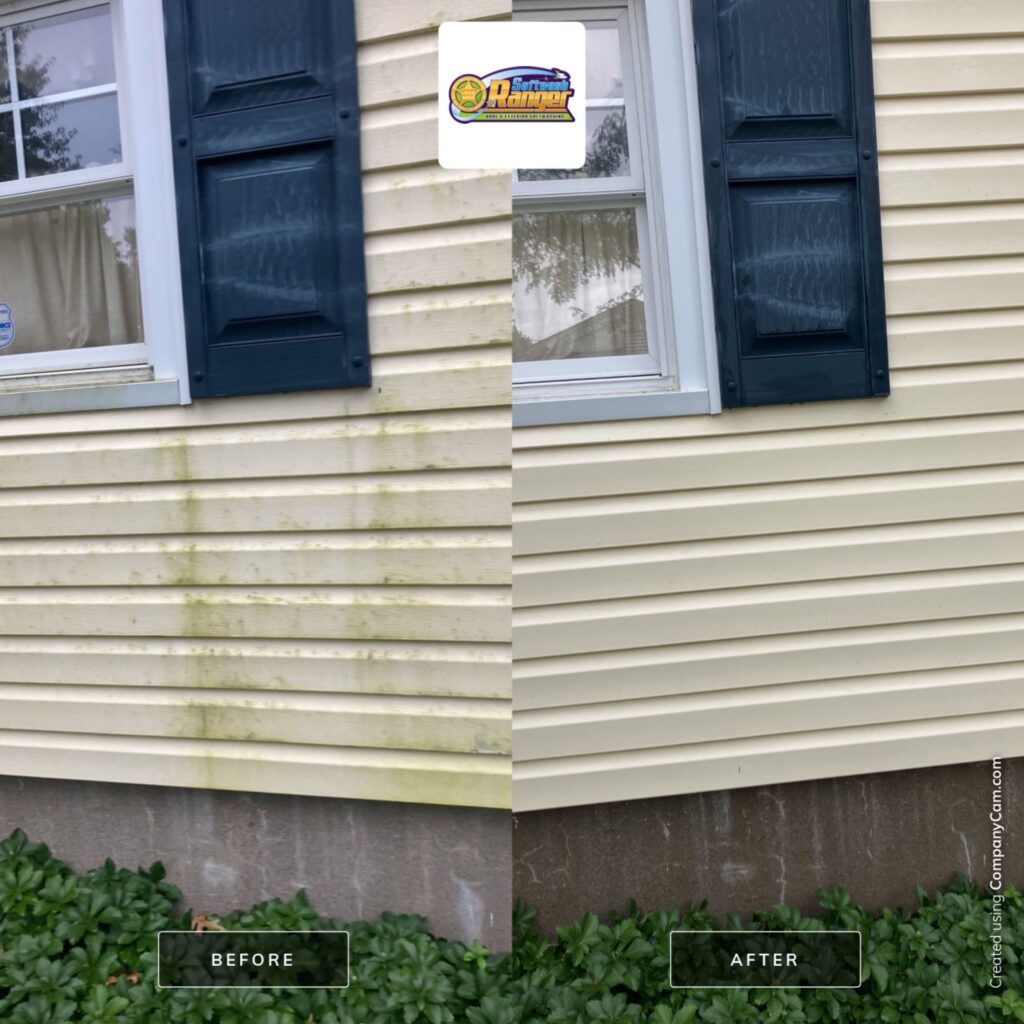
Soft washing a house is a specialized exterior property maintenance method that utilizes low-pressure water delivery combined with specialized biodegradable chemical solutions to safely eradicate mold, mildew, algae, lichen, and stubborn atmospheric grime. Unlike traditional high-pressure power washing—which can strip paint, fracture vinyl siding, force water behind cladding, and erode delicate mortar joints—soft washing treats the root organic cause of exterior stains rather than merely blasting away surface debris. As homeowners and property managers prioritize long-term asset preservation in 2026, understanding the correct chemical ratios, equipment specifications, and safety protocols is essential for protecting structural integrity and maximizing curb appeal.
Contents
Understanding the Mechanics and Chemistry of Low-Pressure Exterior Cleaning
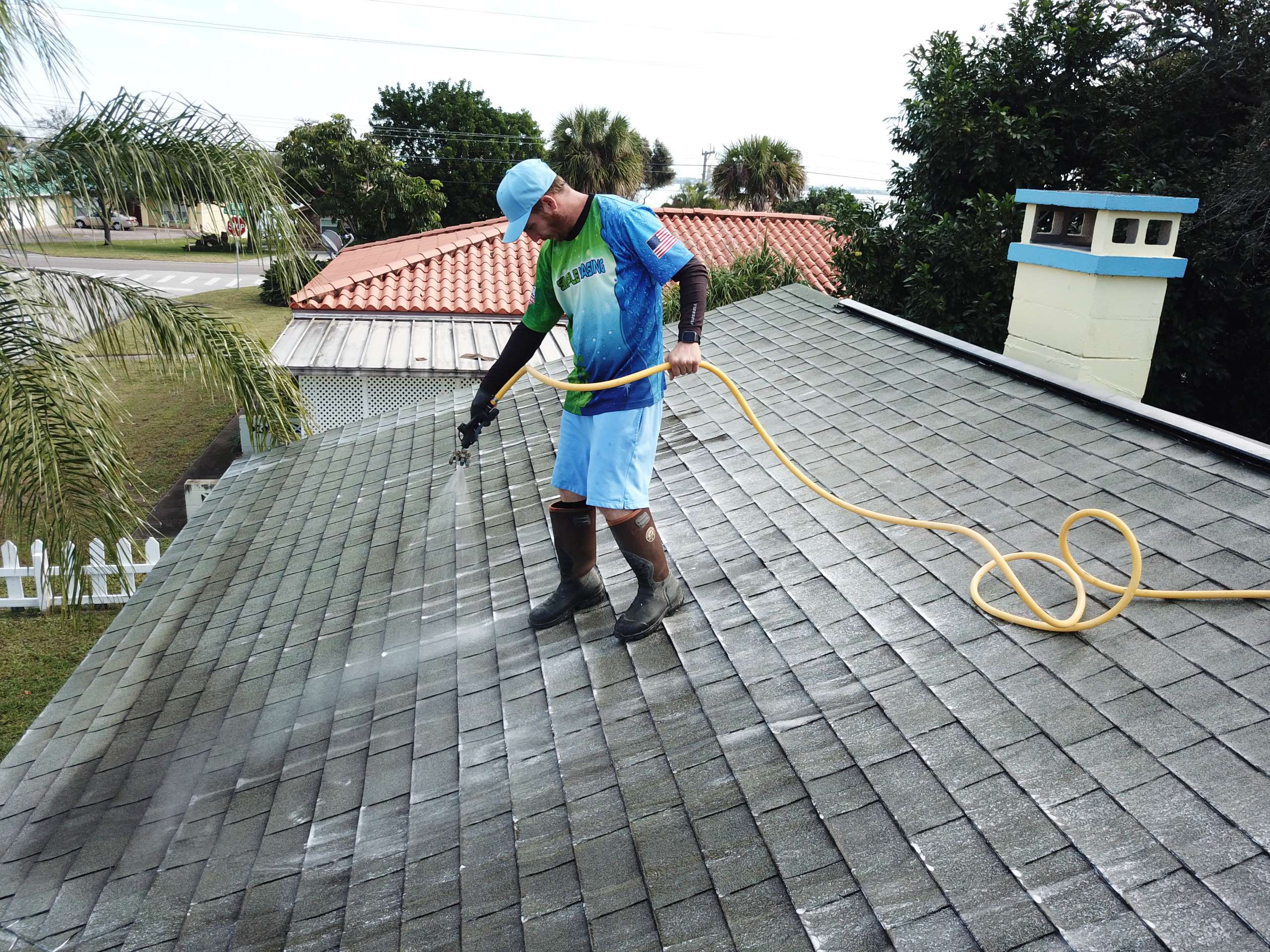
The core principle behind soft washing relies on chemical remediation rather than mechanical force. Standard residential pressure washers operate between 1,500 and 4,000 pounds per square inch (PSI), which is powerful enough to etch concrete, gouge wood substrates, and compromise building envelopes. In contrast, a professional soft wash system typically operates below 100 to 300 PSI, roughly matching or slightly exceeding a standard garden hose, while delivering high volumes of cleaning solution per minute.
The chemical formulation usually consists of a targeted surfactant, water, and sodium hypochlorite (NaOCl) as the primary oxidizing and disinfecting agent. The surfactant serves two critical functions: it breaks the surface tension of water to allow the solution to cling to vertical surfaces longer, and it helps encapsulate organic residues so they can be rinsed away effortlessly. When applied correctly, this mixture oxidizes fungal spores, algae colonies, and lichen down to their microscopic root systems, ensuring that biological growth does not immediately return.
- Sodium Hypochlorite (NaOCl): Acts as the active biocide and bleaching agent that neutralizes organic discoloration, typically blended between 1% and 3% concentration depending on the substrate.
- Surfactants / Soaps: Specialized wetting agents that create a rich, clinging foam, extending dwell time on vertical and overhead surfaces while masking harsh chemical odors.
- Water Dilution: Used to achieve precise dilution ratios based on the specific porosity and sensitivity of the siding material, whether it is vinyl, stucco, brick, or engineered wood.
Evaluating Methods: Soft Washing Versus Traditional High-Pressure Washing
Choosing the correct cleaning modality depends heavily on the surface material, the type of staining, and the risk of structural damage. While high-pressure washing is well-suited for dense, hard substrates like unpainted concrete driveways or heavy stone retaining walls, it is entirely inappropriate for modern residential siding materials.
| Feature / Metric | Soft Washing | Traditional Pressure Washing |
|---|---|---|
| Operating Pressure | 100 to 300 PSI (Low pressure) | 1,500 to 4,000+ PSI (High pressure) |
| Primary Mechanism | Chemical eradication of organic spores | Mechanical force / physical blasting |
| Ideal Substrates | Vinyl, stucco, EIFS, wood, cedar, roof shingles | Concrete, bare stone, interlocking pavers |
| Risk of Water Intrusion | Extremely low due to low delivery force | High risk if forced behind walls or windows |
| Longevity of Results | High (kills roots, prevents rapid regrowth) | Low (leaves spores behind, causing fast return) |
Step-by-Step Guide to Executing a Professional House Soft Wash
Executing a successful soft wash requires meticulous preparation, precise chemical blending, and careful environmental protection. Rushing any phase of this workflow can lead to plant damage, streak marks, or uneven cleaning results.
1. Preparation and Property Protection
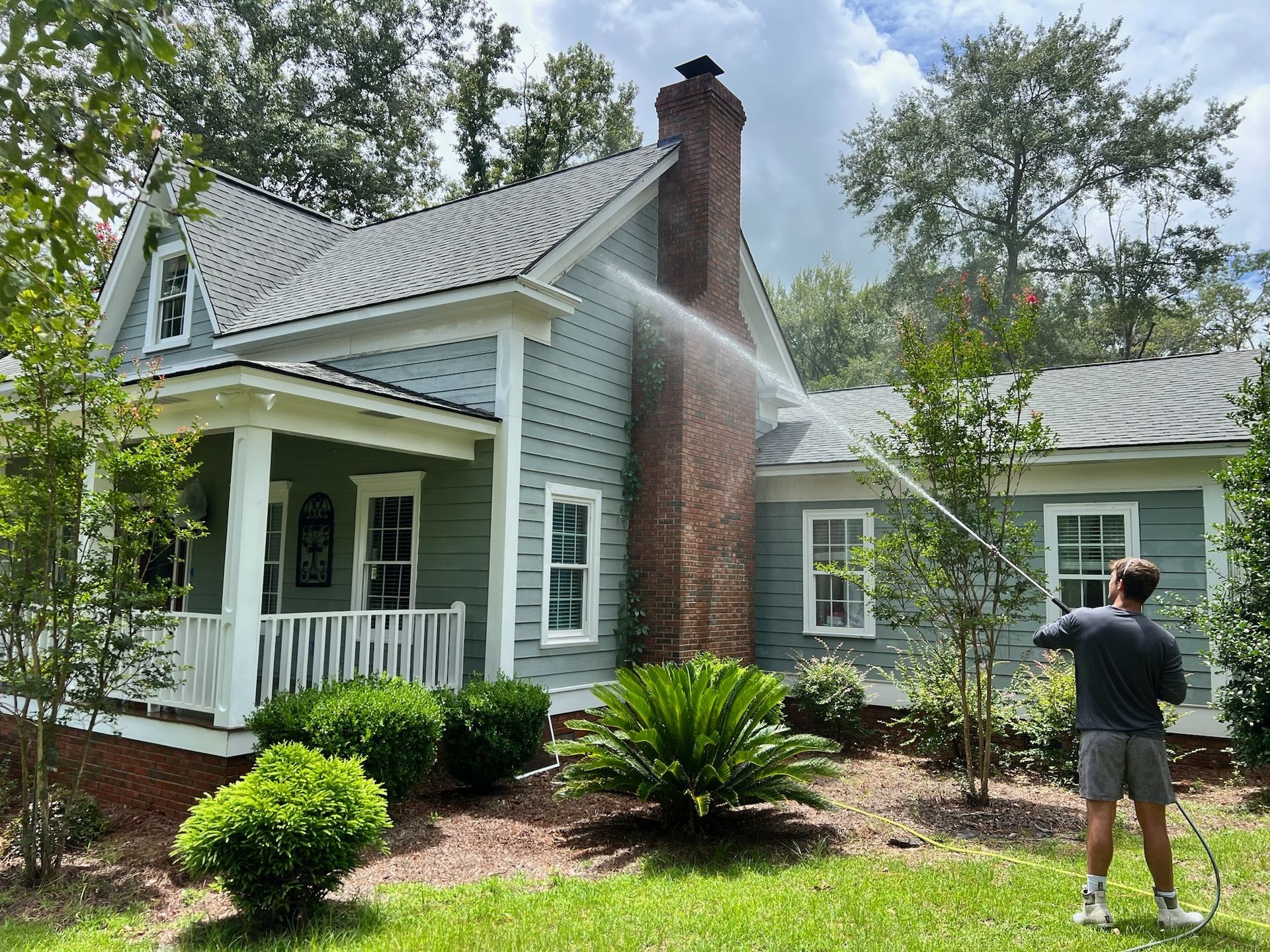
Before applying any chemical solutions, walk the perimeter of the property to inspect for open windows, fragile light fixtures, electrical outlets, and sensitive vegetation. Cover delicate plants, shrubs, and flowers with heavy-duty plastic sheeting or tarps. Thoroughly pre-soak all surrounding vegetation, soil, and grass with fresh water to saturate the root systems, which prevents them from absorbing any overspray during the cleaning process.
2. Solution Formulation and Equipment Calibration
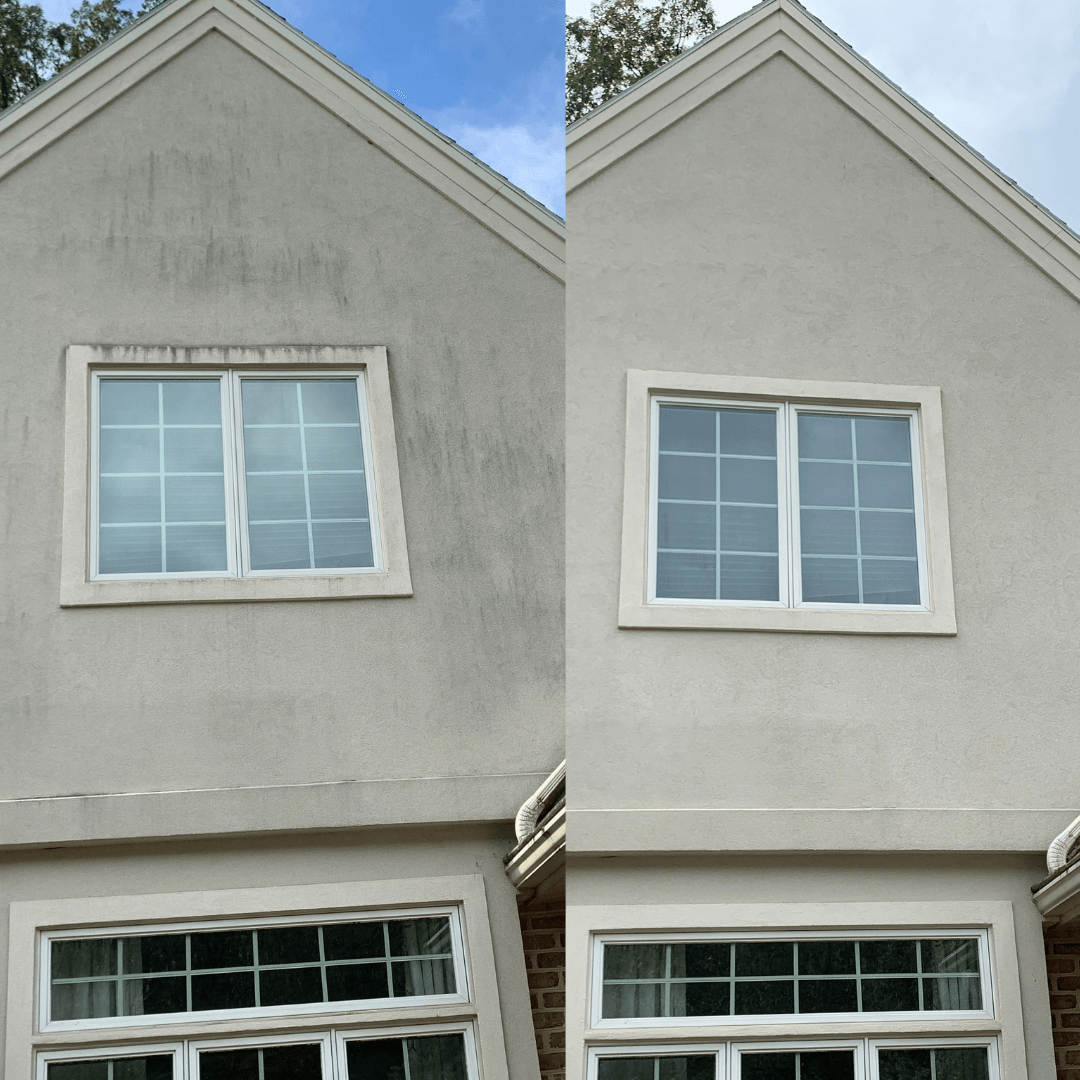
Prepare your downstream injector or proportioner system. For standard vinyl or aluminum siding, mix a solution resulting in an approximate 1.25% to 1.5% sodium hypochlorite concentration at the wall. For delicate surfaces like painted wood or synthetic stucco (EIFS), lower the concentration to 0.75% or 1% and increase dwell time. Always wear proper personal protective equipment (PPE), including chemical-resistant gloves, eye protection, and a respirator rated for chemical mists.
3. Application Technique
Begin applying the cleaning solution from the bottom of the structure and work your way upward. While this counter-intuitive technique may seem prone to streaking, applying chemical to dry, stained siding from the bottom up prevents clean streaks from running down dry, dirty walls and leaving permanent drip marks. Ensure an even, overlapping spray pattern, coating every square foot thoroughly.
4. Dwell Time and Chemical Reaction
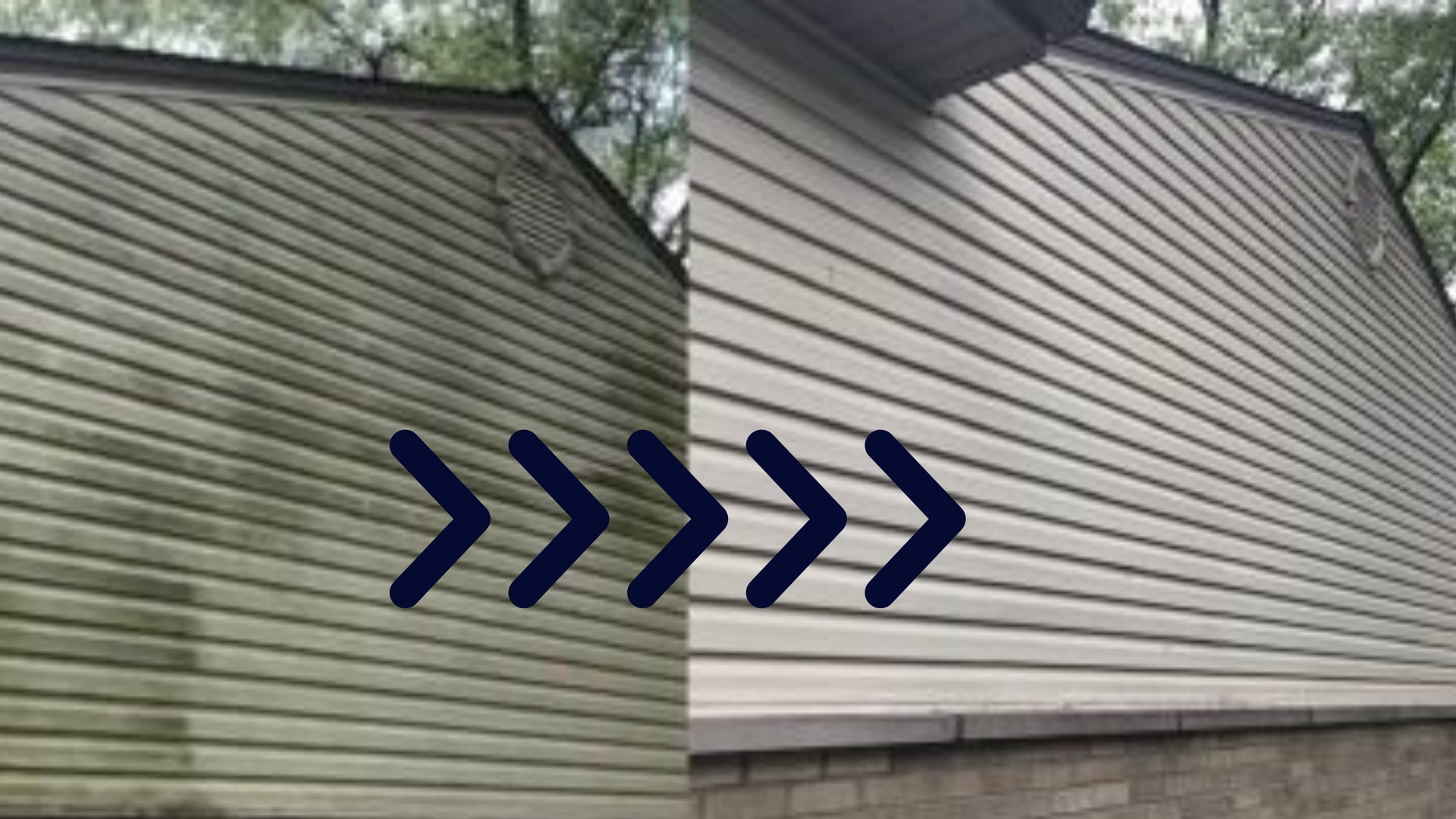
Allow the solution to dwell on the surface for approximately 10 to 15 minutes. During this window, you will visually observe dark green algae, black streaks (often Gloeocapsa magma), and mold disappearing before your eyes as the oxidation process breaks down the organic pigmentation and cellular walls. Do not allow the chemical solution to dry completely on the siding; if drying begins due to high ambient temperatures, lightly mist the area with water.
5. Thorough Rinsing
Using your soft wash wand or a wide-fan nozzle on low pressure, rinse the entire structure thoroughly from the top down. Flush all siding, window frames, gutters, and trim work meticulously to remove all residual soap and chemical compounds. Finish by rinsing down all surrounding vegetation and landscaping one final time to dilute any accidental overspray.
Essential Safety Protocols and Environmental Considerations
Operating chemical-based exterior cleaning systems demands strict adherence to environmental and occupational safety guidelines. Neglecting these standards can result in property damage, severe landscaping loss, or personal injury.
Chemical Handling Precautions: Always add sodium hypochlorite to water rather than water to sodium hypochlorite to prevent exothermic splashing. Store chemicals in a cool, well-ventilated, shaded area away from direct sunlight and incompatible materials such as acids or heavy metals.
Landscaping Preservation: Pre-soaking and post-soaking vegetation is non-negotiable. Neutralizing agents can also be applied to surrounding soil if large volumes of bleach runoff are anticipated near prized ornamental plants or delicate garden beds.
Frequently Asked Questions About House Soft Washing
Can I soft wash my house myself, or should I hire a professional?
Homeowners can successfully soft wash single-story homes using rented or purchased low-pressure pumps and pre-mixed cleaners, provided they follow strict safety gear protocols. However, multi-story properties, complex architectural rooflines, or delicate historic substrates are best left to licensed professionals equipped with specialized proportioning equipment and ladder safety gear.
Will the cleaning solution kill my plants and landscaping?
If plants are left dry and unprotected, the cleaning solution can cause chemical burns, leaf scorching, or plant death. Thoroughly soaking your landscaping with fresh water before, during, and after the washing process creates a protective moisture barrier that prevents the absorption of chemical residue.
How often should a house be soft washed?
Most residential properties benefit from a professional soft wash every 12 to 24 months, depending on regional humidity, shade cover, tree density, and local climate factors. Properties surrounded by heavy forest canopies or high-moisture environments may require annual maintenance treatments.
Does soft washing damage vinyl siding or paint?
No, soft washing is specifically engineered to be completely safe for vinyl, aluminum, stucco, brick, and painted wood siding. Because it relies on chemical sanitization rather than high-pressure mechanical force, it will not chip paint, loosen mortar, or warp synthetic panels.
How long does the entire soft washing process take?
For an average 2,000-square-foot single-family home, the complete soft washing process—including property setup, plant protection, chemical application, dwell time, and thorough rinsing—typically takes between two to four hours.
Securing Long-Term Curb Appeal and Structural Health
Maintaining the exterior envelope of your home through regular soft washing protects your investment against the destructive degradation caused by organic biological growth. By replacing damaging high-pressure techniques with scientifically formulated low-pressure chemical cleaning, you ensure your siding, stucco, and paint remain pristine, durable, and aesthetically vibrant for years to come.
Image Gallery