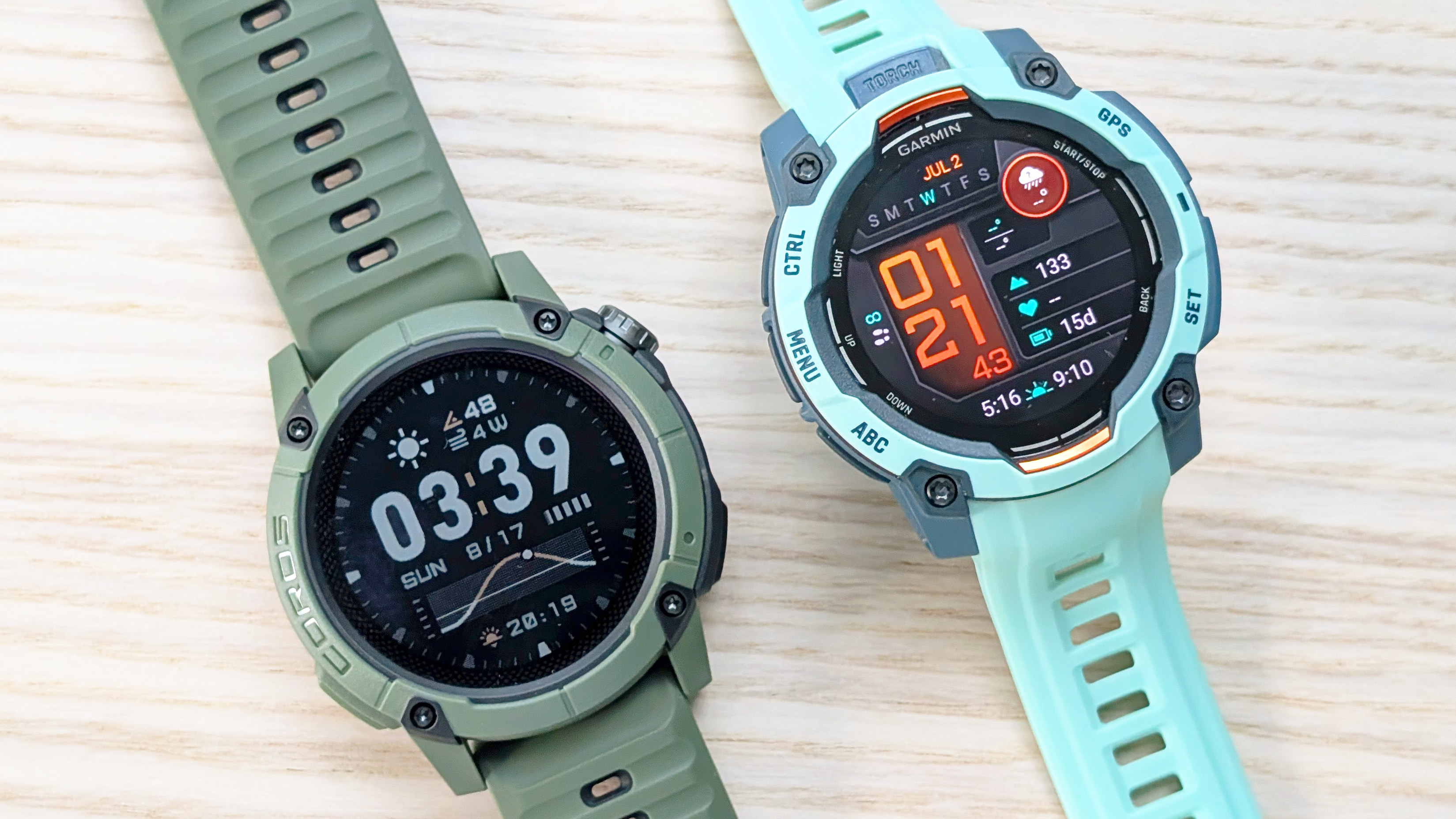
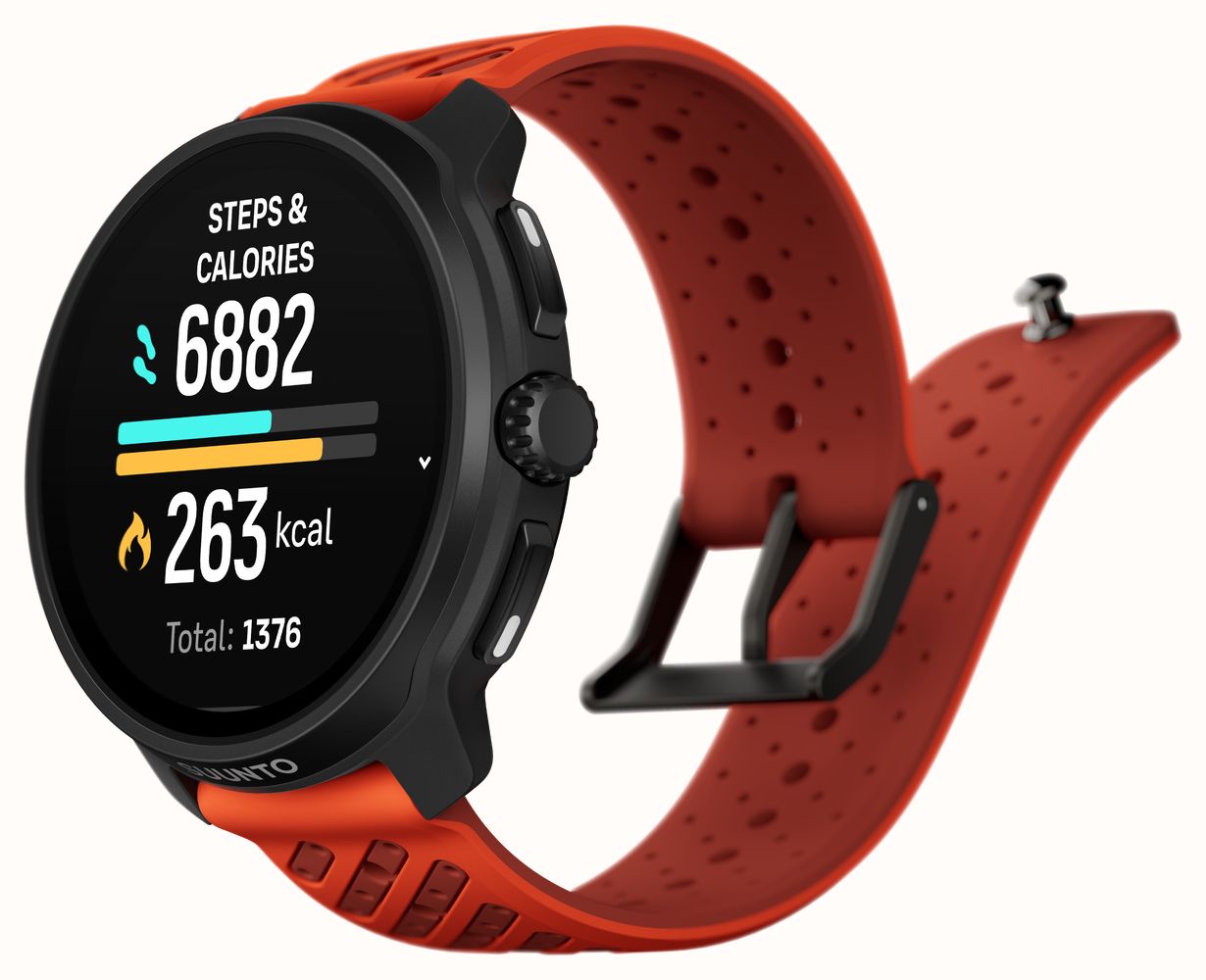
Suunto vs Coros: Which Multisport Watch Wins for Serious Athletes
Choosing between a Suunto and a Coros multisport watch involves balancing Suunto’s legacy of rugged, high-end mountain engineering with Coros’s focus on long battery life, software-driven training metrics, and rapid feature iteration....
Choosing between a Suunto and a Coros multisport watch involves balancing Suunto’s legacy of rugged, high-end mountain engineering with Coros’s focus on long battery life, software-driven training metrics, and rapid feature iteration. For serious athletes, the decision rests on whether you prioritize professional-grade mapping and build quality or advanced physiological performance analysis and lightweight hardware efficiency.
Contents
The Evolution of the Multisport Ecosystem
To understand the current competitive landscape in 2026, one must distinguish the philosophies driving these two manufacturers. Suunto, based in Finland, has long served the mountaineering and expedition communities. Their design language emphasizes high-grade materials like sapphire crystal, titanium bezels, and long-term durability. Their ecosystem is centered on the Suunto App, which provides deep integration with third-party tools while maintaining a clean, minimalist interface.
Coros, a relatively younger entrant, disrupted the market by emphasizing the "smart" in sports watches. By focusing on aggressive battery optimization and a comprehensive training hub (Coros Training Hub), they cater to data-obsessed endurance athletes. While Suunto historically focused on "where" you are going (navigation and terrain), Coros has focused on "how" you are performing (load, recovery, and fitness trends).
Build Quality and Material Selection
When evaluating for professional or highly dedicated amateur use, the physical hardware is the primary gatekeeper.
- Suunto Construction: Suunto watches are built to MIL-STD-810 standards. They favor tactile, heavy-duty buttons and chassis designs intended to withstand extreme temperatures and impact. Their navigation interface is deeply optimized for offline topo maps, making them a preferred choice for ultra-runners and alpinists who require reliable orientation in remote areas.
- Coros Construction: Coros utilizes high-performance polymers and titanium in its flagship models to reduce weight. The digital dial—a hallmark of their design—allows for effortless menu navigation even with gloved hands. Their focus on the "weight-to-battery" ratio makes their watches less obstructive during high-intensity intervals or long-distance marathons.
Navigating Training Metrics and Analytics
The core of the "serious athlete" debate lies in data interpretation. Both brands offer web-based and mobile-based dashboards, but their approaches differ significantly.
Coros has built an ecosystem that functions almost like a virtual coach. Their Training Hub provides detailed insights into exertion, fatigue, and recovery status. For cyclists and runners, Coros provides granular data regarding Running Power and Evolved Training Load. If you are an athlete who lives by data and requires precise feedback on overtraining risks, the Coros software suite is highly tailored to these metrics.
Suunto, conversely, treats the watch as a specialized tool for the activity at hand. Their "SuuntoPlus" features allow users to add specific mini-apps—such as weather alerts, climb logs, or loop timers—directly onto the watch screen during an activity. This modular approach allows the watch to remain uncluttered while providing highly specific data sets for niche sports, such as trail running, open-water swimming, or ski touring.
Feature Comparison Table
| Feature Category | Suunto Focus | Coros Focus |
|---|---|---|
| Navigation | Deeply integrated offline maps | Route planning and breadcrumb trails |
| User Interface | Tactile buttons, minimalist OS | Digital dial, intuitive menu structure |
| Battery Life | Consistent, reliable, solar options | Industry-leading, optimized efficiency |
| Primary Strength | Outdoor durability & exploration | Advanced training analytics & metrics |
| Ecosystem | Modular via SuuntoPlus | Integrated via Training Hub |
Battery Performance and Charging Intervals
For the ultra-endurance athlete, battery life is non-negotiable. Both brands excel here compared to the general smartwatch market, yet their performance curves differ.
Coros has maintained an industry lead in battery efficiency per gram. Their hardware architecture is optimized to minimize power consumption during GPS tracking, which is advantageous for 100-mile races where charging is impossible. Suunto compensates with robust power management modes that allow the user to adjust GPS accuracy dynamically during an activity. While Coros might lead in raw hours, Suunto provides more user-definable control over how that battery is consumed over long expeditions.
Software Ecosystem and Third-Party Integration
A significant consideration for any serious athlete is the ability to push and pull data from platforms like Strava, TrainingPeaks, or Komoot. Both brands support these integrations, but the consistency of the sync can vary.
Suunto’s open approach means it plays well with a wide array of specialized sports apps. Their platform acts as a neutral aggregator. Coros, however, encourages users to stay within their proprietary ecosystem to get the most out of their advanced metrics. If you use a third-party coaching platform, Coros’s native training data is often robust enough to replace the need for additional subscriptions.
Practical Considerations for Athletes
Before finalizing a choice, evaluate your specific discipline:
- Mountaineering and Alpinism: Suunto’s specialized barometer, storm alarms, and rugged chassis offer a level of confidence in high-altitude environments that is difficult to replicate.
- Road and Trail Marathoners: The lightweight profile of the Coros performance series, combined with advanced pacing tools and real-time training load data, makes it a superior companion for structured training cycles.
- Multisport/Triathlon: Both devices handle transitions well, but Coros’s ease of use—particularly the digital dial—can be an advantage when switching modes under pressure.
Troubleshooting and Technical Support
Both manufacturers have evolved significantly in 2026 regarding firmware stability. Common technical hurdles, such as GPS signal drift or heart rate sensor inaccuracies, are now rarely hardware failures and more often related to software calibration.
- Firmware Updates: Coros is known for frequent, feature-rich firmware updates that can "refresh" older models with new capabilities. Suunto updates are generally more stability-focused, prioritizing the long-term reliability of their existing sensor suites.
- Sensor Accuracy: Optical heart rate sensors on both brands have reached parity for steady-state activities. However, for high-intensity, wrist-flexing sports, both brands strongly recommend using a dedicated external chest strap, as physics constraints on optical sensors remain constant across all brands.
Frequently Asked Questions
Which watch is better for ultramarathon runners? Both are excellent, but the choice depends on your needs. If you prioritize maximum battery life and integrated training load tracking, Coros is often preferred. If your runs involve complex, remote terrain where deep map integration is required, Suunto’s rugged navigation tools offer a distinct advantage.
Do I need a paid subscription for either brand? As of 2026, both Suunto and Coros provide their primary training dashboards, mobile apps, and data syncing services at no additional cost. While some third-party platforms (like TrainingPeaks) have paid tiers, the watch manufacturer software itself is fully featured upon purchase.
Can I use these watches for daily smart features? While both watches handle basic notifications, neither is a "smartwatch" in the sense of an Apple Watch or Galaxy Watch. They prioritize sport and battery life. If you require LTE connectivity, extensive app stores, or advanced voice interaction, these dedicated sports watches may fall short of your expectations.
Which watch is more durable in extreme weather? Suunto has historically maintained a stronger reputation for extreme weather performance due to its focus on high-grade materials and heritage in dive and mountain gear. However, modern high-end Coros models are also built to withstand significant environmental stress.
How do I choose between the digital dial and standard buttons? This is purely a preference for the user experience. The digital dial on Coros is efficient for scrolling through long menus, while Suunto’s buttons provide a tactile, definitive response that many athletes prefer when moving fast or wearing thick gloves.
Final Recommendation
For the serious athlete, the "winner" is determined by your specific training environment. Choose a Coros if your primary goal is optimizing performance metrics, managing a structured training plan, and enjoying a lightweight, tech-forward interface. Choose a Suunto if your athletic life revolves around exploration, extreme mountain environments, and a preference for durable, no-nonsense hardware that emphasizes navigation and long-term reliability.
Image Gallery