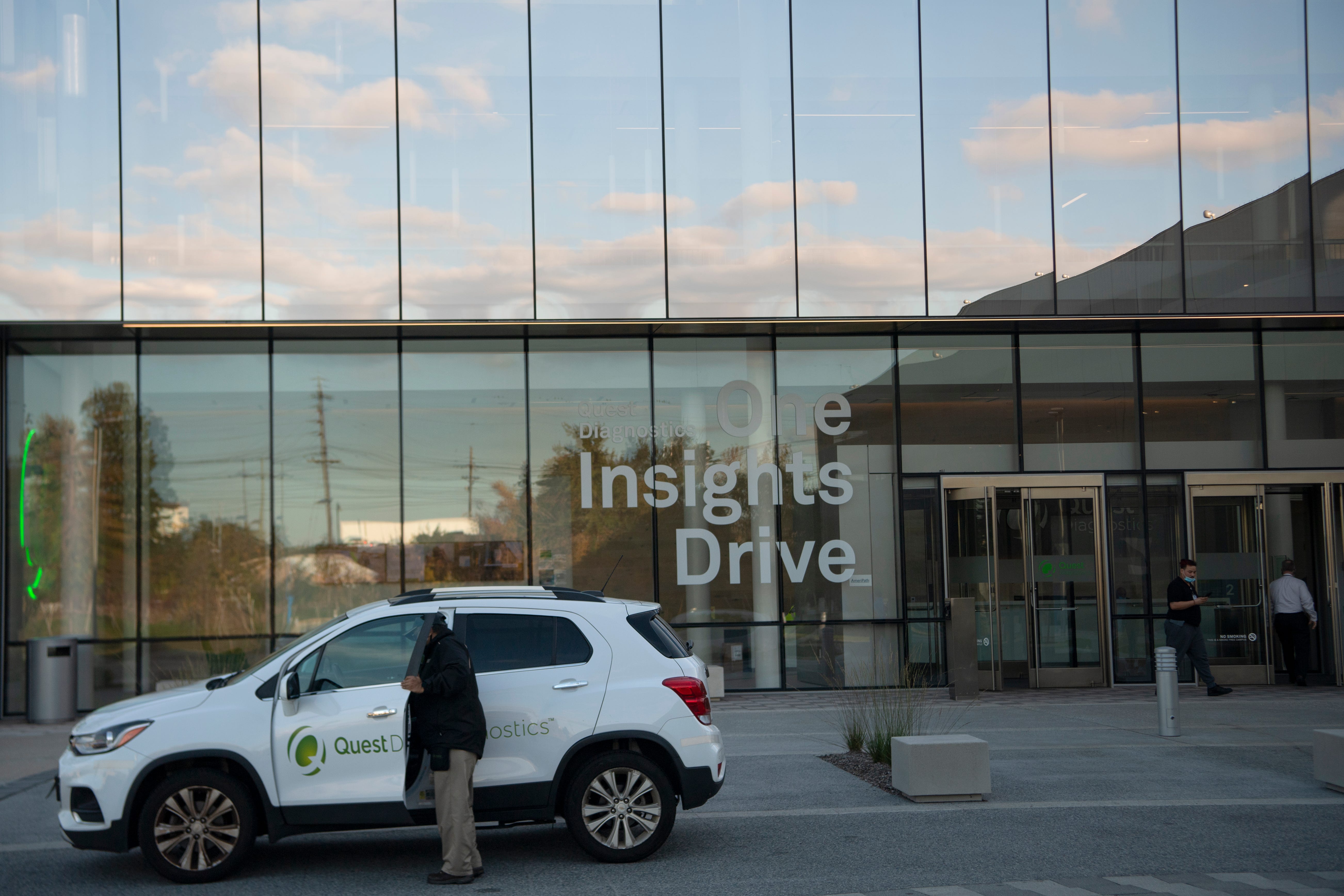
Navigating Quest Specimen Drop Off Locations in 2026
Finding reliable Quest specimen drop off locations in 2026 requires understanding the operational differences between standard patient service centers, routine phlebotomy sites, and specialized collection points. Patients managing chro...
Finding reliable Quest specimen drop off locations in 2026 requires understanding the operational differences between standard patient service centers, routine phlebotomy sites, and specialized collection points. Patients managing chronic conditions, completing routine wellness panels, or submitting physician-ordered diagnostic kits must navigate specific logistical protocols to ensure sample integrity and timely laboratory processing.
Contents
Understanding Quest Specimen Collection Ecosystems
The modern diagnostic landscape distinguishes heavily between locations that perform live blood draws and those designated exclusively for drop-off services. Dropping off a specimen—such as a urine sample, stool collection, or specialized kit—is not universally supported at every blood-drawing station.
Primary collection sites operate under strict chain-of-custody and specimen stability windows. Dropping off samples requires adhering to pre-analytical variables, including temperature control, proper container sealing, and inclusion of valid requisition paperwork. Patients attempting to drop off home collection kits or physician-provided containers must verify facility capabilities beforehand to prevent sample rejection.
- Standard Patient Service Centers (PSCs): Primarily designed for phlebotomy, blood draws, and walk-in sample drop-offs, provided the container meets safety standards.
- Hospital-Affiliated Outpatient Labs: Frequently accept drop-offs, though they often prioritize inpatient workflows and complex oncology or pathology specimens.
- Dedicated Kit Drop-Off Hubs: Specialized locations equipped to handle advanced diagnostic kits (e.g., microbiome, fertility, or toxicological testing) requiring specific refrigeration.
Locating Facilities and Verifying Operating Protocols
Locating an authorized drop-off site in 2026 involves utilizing official digital locators, filtering by specific test types, and cross-referencing hours of operation. Specimen stability is time-sensitive; a sample dropped off outside operating hours or at an unequipped facility risks degradation, rendering the test invalid.
Operational Tip: Always check if a scheduled appointment is required even for drop-offs. While many locations accept walk-ins for specimen delivery, high-volume urban centers frequently require patients to check in via digital kiosks or app-based queuing systems to manage lab floor traffic efficiently.
To ensure your specimen is accepted without delay, verify the following details before traveling to a site:
- Requisition Form Mandate: Ensure your physician-signed requisition form or electronic order number (Test Requisition ID) accompanies the specimen. Unlabeled or unverified samples are rejected immediately due to regulatory compliance and patient safety mandates.
- Container Compliance: Verify that your specimen is stored in the exact medical-grade vial or container provided by the ordering physician or Quest kit. Leaking or non-sterile containers will be refused by laboratory technicians.
- Temperature Requirements: Note whether your sample requires refrigeration, freezing, or room-temperature storage during transit. Transporting a thermally unstable specimen to a facility without proper drop-off holding capabilities compromises diagnostic accuracy.
Comparing Specimen Drop-Off Options and Facility Types
Choosing the correct facility type prevents wasted trips and delayed clinical results. The table below outlines the operational capabilities, appointment requirements, and sample restrictions across common drop-off environments.
| Facility Type | Walk-In Acceptance | Appointment Needed | Handles Home Collection Kits | Best Suited For |
|---|---|---|---|---|
| Quest Patient Service Center (PSC) | Yes (High Volume) | Recommended | Yes (Standard Types) | Routine blood work, standard urine samples, and basic lab kits. |
| In-Store Retail Health Clinic Lab | Limited | Required | No | Quick phlebotomy and limited localized testing; rarely accepts outside kits. |
| Hospital Outpatient Laboratory | Yes | No | Varies | Complex molecular diagnostics, physician-directed specialized drop-offs. |
| Dedicated Express Check-In Hubs | Yes | No | Yes | Fast drop-offs for pre-packaged, stable specimens with active barcodes. |
Common Failure Points and How to Avoid Them
Sample rejection delays clinical decision-making and often requires repeating uncomfortable or inconvenient collection procedures. Understanding common pre-analytical errors empowers patients to maintain sample viability from home to the laboratory bench.
- Improper Labeling: Laboratories enforce zero-tolerance policies for unlabeled or mislabeled specimens. Every container must clearly display the patient's full legal name, date of birth, and the exact date and time of collection.
- Exceeded Stability Windows: Biological samples degrade rapidly. A urine or stool sample left at room temperature past its validated stability window will yield inaccurate cellular and chemical readings, leading to automatic test cancellation.
- Missing Insurance or Billing Information: Even for drop-offs, the laboratory must have active billing information, diagnostic ICD-10 codes, and physician NPI numbers linked to the order to process the accessioning phase successfully.
Frequently Asked Questions
Can I drop off a specimen at any Quest Diagnostics location?
No, not all Quest locations accept outside specimen drop-offs or specialized home collection kits. You must verify through the official Quest site locator that your chosen facility explicitly supports specimen drop-off services.
Do I need an appointment just to drop off a sample?
Generally, appointments are not strictly required for simple specimen drop-offs, but booking one can significantly reduce wait times in busy urban centers. Some locations utilize digital check-in systems that prioritize scheduled patients over walk-ins.
What should I bring with me when dropping off a specimen?
You must bring the filled specimen container properly labeled, a copy of the physician's test requisition form or electronic order code, a valid photo ID, and your current health insurance card.
What happens if my specimen is rejected at the drop-off location?
If a specimen is rejected due to leakage, improper temperature control, missing label data, or exceeding stability limits, the lab technician will notify you. You will need to obtain a new collection kit and repeat the sampling process under your physician's guidance.
Are home kits bought online accepted at standard drop-off sites?
Most standard Quest patient service centers only accept specimens ordered by licensed healthcare providers through official laboratory channels. Direct-to-consumer kits bought online often require specific mail-in procedures rather than local drop-off.
Streamline your diagnostic journey by verifying your local facility's capabilities online today, ensuring your requisition paperwork is complete, and dropping off your specimen within its required stability window for rapid, accurate results.
Image Gallery