The Historical Origins and Implementation of Prohibition in the United States
Prohibition in the United States, enacted via the 18th Amendment to the Constitution and enforced by the Volstead Act, was a nationwide constitutional ban on the production, importation, transportation, and sale of alcoholic beverages...
Prohibition in the United States, enacted via the 18th Amendment to the Constitution and enforced by the Volstead Act, was a nationwide constitutional ban on the production, importation, transportation, and sale of alcoholic beverages from 1920 to 1933. It was driven by a complex intersection of social reform movements, religious fervor, economic arguments, and the unique pressures of the First World War.
Contents
The Foundations of the Temperance Movement
The drive toward Prohibition did not emerge suddenly; it was the culmination of nearly a century of organized temperance activism. By the early 19th century, alcohol consumption in the United States was significantly higher per capita than it is in 2026. This widespread consumption, particularly of distilled spirits, was increasingly viewed as a catalyst for social instability, domestic violence, and workplace inefficiency.
Early temperance advocates, often rooted in Protestant religious movements, initially focused on "moderation." However, as the 19th century progressed, the movement shifted toward "teetotalism"—the total abstinence from alcohol. Organizations like the Woman’s Christian Temperance Union (WCTU) and the Anti-Saloon League (ASL) became powerful political forces. They successfully reframed alcohol from a personal moral failing to a systemic societal issue that threatened the health of the American family and the stability of the industrial workforce.
Moral, Religious, and Social Drivers
The moral crusade against alcohol was deeply intertwined with the cultural anxieties of the era. Many proponents of Prohibition argued that the saloon was a breeding ground for political corruption and the erosion of American values.
- Domestic Stability: For many women’s organizations, the movement was a pragmatic attempt to protect households. In an era before modern social safety nets, a breadwinner’s alcoholism could lead to total financial ruin for a family.
- Nativist Sentiments: Prohibitionists often targeted the cultural habits of immigrants. Many urban, working-class immigrant communities maintained traditions involving beer and wine consumption, which temperance leaders viewed as antithetical to the assimilation and "Americanization" of these populations.
- Religious Influence: The Protestant "Social Gospel" movement emphasized that Christians had a duty to improve society. For many, purging the nation of the "demon rum" was a necessary step toward building a more righteous society.
The Catalyst of World War I
While the temperance movement provided the ideological foundation, the First World War provided the legislative opportunity. When the United States entered the conflict in 1917, the federal government sought to conserve resources and maximize the efficiency of the war effort.
Alcohol production required massive quantities of grain—specifically barley and corn—that could otherwise be used for food or to support the war effort. Furthermore, the war effort necessitated a sober, highly productive industrial workforce. Anti-German sentiment also played a role, as many of the largest American breweries were owned by German-Americans, making the temperance movement appear patriotic during the conflict.
This environment allowed Congress to pass the Wartime Prohibition Act, which served as a temporary precursor to the permanent constitutional amendment that would follow shortly thereafter.
The Volstead Act and Enforcement Requirements
The 18th Amendment, ratified in 1919, prohibited the manufacture, sale, or transportation of intoxicating liquors. However, it did not define what constituted "intoxicating." The National Prohibition Act, commonly known as the Volstead Act, provided the necessary legal framework to define these terms and establish enforcement mechanisms.
| Feature | Prohibition Requirement |
|---|---|
| Alcohol Content | Defined "intoxicating" as beverages with 0.5% or more alcohol by volume. |
| Permitted Exceptions | Allowed for medicinal, sacramental, and industrial uses with strict federal oversight. |
| Enforcement Body | Bureau of Prohibition, a division of the Internal Revenue Service initially. |
| Jurisdiction | Concurrent power held by both the federal government and individual states. |
The act required individuals to obtain specific permits for non-beverage alcohol, such as sacramental wine for religious ceremonies or ethanol for industrial manufacturing. The oversight of these permits created massive bureaucratic challenges, leading to widespread corruption and the illicit diversion of industrial alcohol into the black market.
Economic and Social Impacts
The unintended consequences of Prohibition defined the era as much as its initial goals. The policy did not stop alcohol consumption; instead, it fundamentally shifted how it was distributed and consumed.
The Rise of Organized Crime
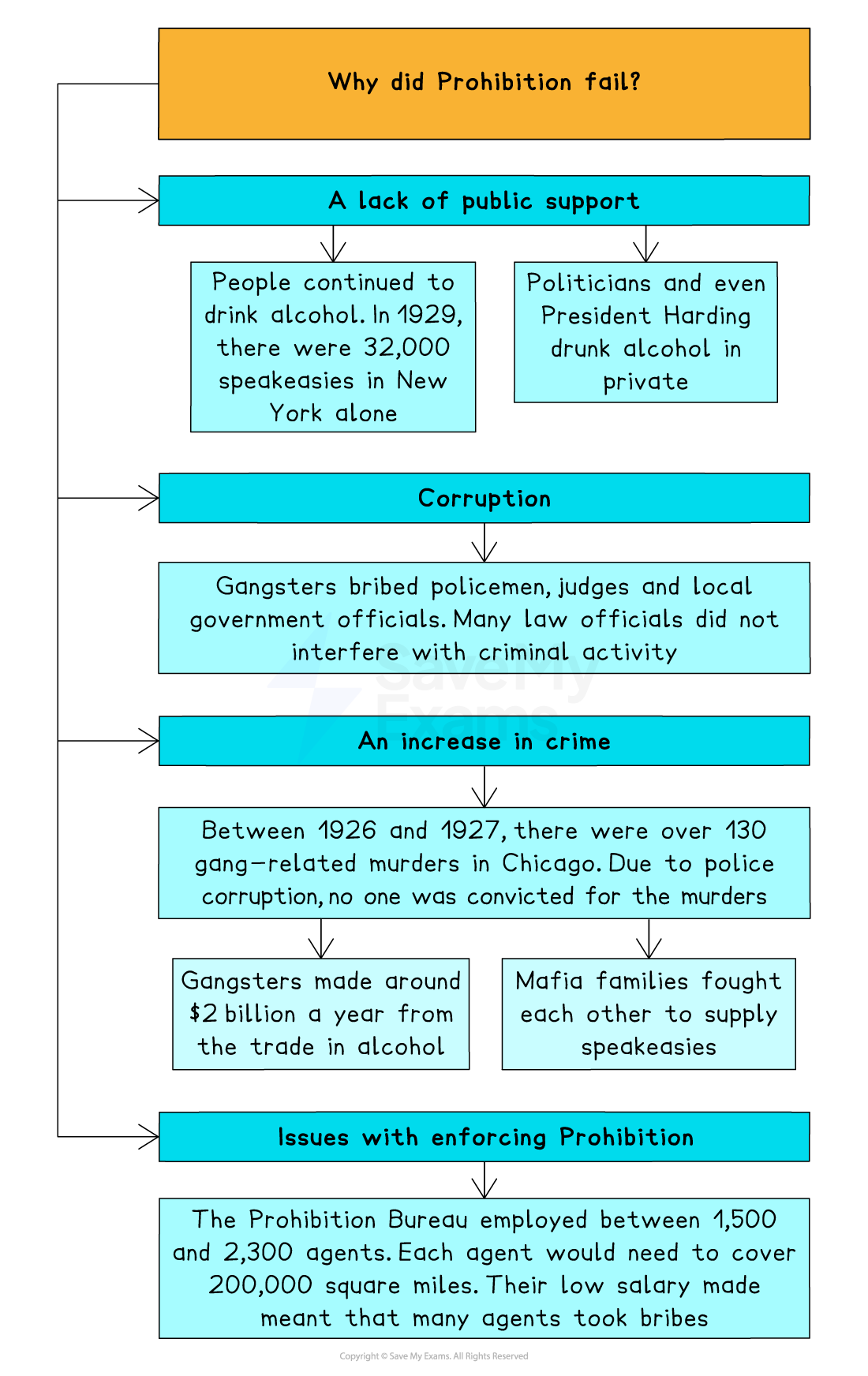
The most significant long-term consequence was the expansion of organized crime. Because the demand for alcohol remained high, bootleggers—individuals who illegally produced or smuggled alcohol—created sophisticated distribution networks. Criminal syndicates, such as those led by Al Capone in Chicago, moved from local gangs to highly organized business empires by controlling the illicit alcohol trade. The lack of regulation meant that the quality of illicit products was inconsistent, leading to thousands of deaths from toxic, tainted, or "denatured" alcohol.
The Decline of Tax Revenue
Before Prohibition, excise taxes on alcohol were a significant source of revenue for both federal and state governments. The loss of this tax base during the Great Depression—which began in 1929—made the policy increasingly untenable for local and federal administrators who needed to balance budgets during a severe economic downturn.
The Path to Repeal
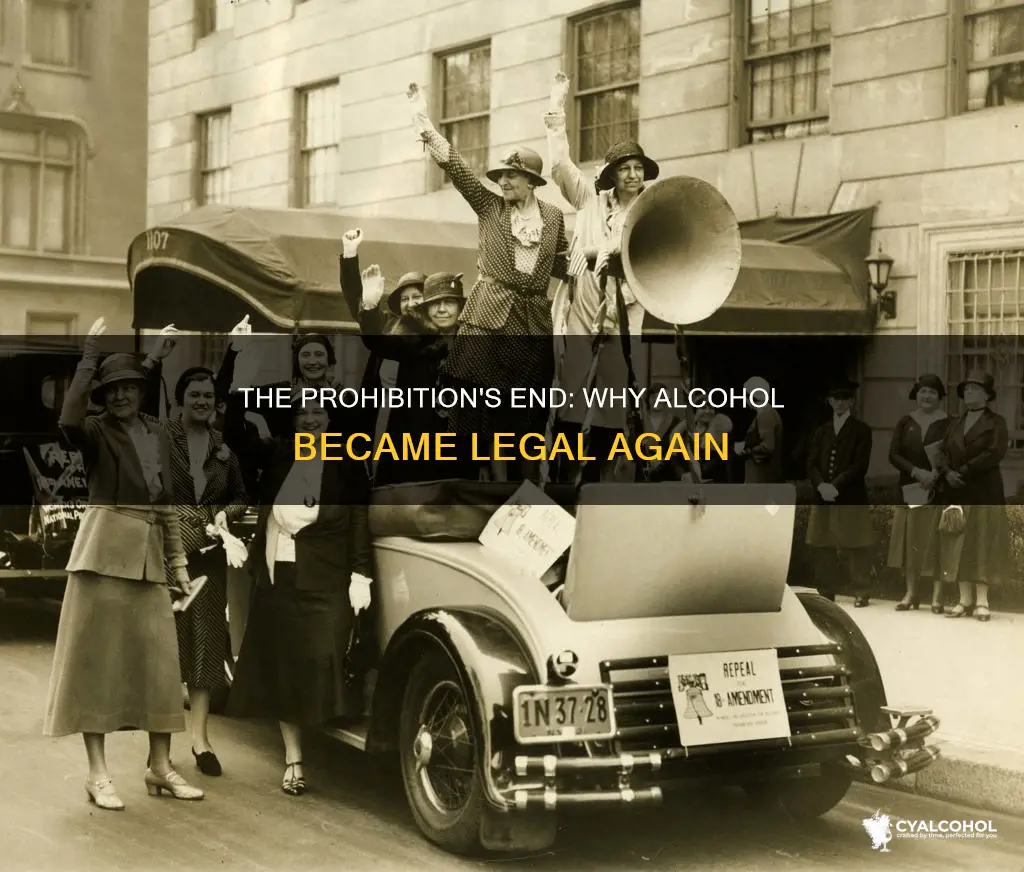
By the late 1920s, public opinion began to shift decisively. The persistence of the black market, the escalation of gang violence, and the desperate need for tax revenue led to the formation of groups like the Association Against the Prohibition Amendment (AAPA).
In 1933, the 21st Amendment was ratified, making the United States the only nation to ever enact a nationwide constitutional amendment to ban alcohol and then pass a subsequent amendment to repeal it. The end of Prohibition signified a shift back to a model of regulation and taxation rather than outright prohibition, a framework that remains the standard in 2026.
Frequently Asked Questions
Did Prohibition stop Americans from drinking alcohol?
No. While it reduced overall consumption in the initial years, it did not stop the practice. Many Americans turned to "speakeasies," private clubs, and clandestine production. The law failed to address the underlying demand for alcohol and instead shifted the market to illicit operators.
How did the medical profession handle Prohibition?
Physicians were allowed to prescribe medicinal whiskey during Prohibition. This led to a significant increase in the number of doctors prescribing alcohol for ailments, and pharmacists became key gatekeepers of the legal supply, though this system was frequently abused by those seeking alcohol for recreational use.
Why was industrial alcohol a major issue?
Industrial alcohol, used for manufacturing products like paint or fuel, was often "denatured"—rendered toxic so it could not be consumed. Bootleggers often attempted to remove these toxins to sell the liquid as beverage alcohol, which frequently resulted in poisoning and blindness for consumers.
What role did the Great Depression play in the repeal?
The economic collapse of 1929 made Prohibition look increasingly unaffordable. Proponents of repeal argued that legalizing, taxing, and regulating alcohol would create jobs in the brewing and distilling industries and provide essential tax revenue for a government struggling to manage the economic crisis.
Was Prohibition the same in every state?
No. While the 18th Amendment was federal law, enforcement varied significantly. Some states, known as "dry" states, implemented their own strict enforcement laws, while others, known as "wet" states, were far more lenient and frequently refused to cooperate with federal agents.
Is Prohibition still relevant to modern law?
Yes. The legal structures established to regulate alcohol after the repeal of the 18th Amendment form the basis of the "three-tier system" (producer, distributor, retailer) that still dictates alcohol regulation in most U.S. states in 2026.
Recommendation for Further Study
To better understand the complexities of this era, one should review the primary legislative texts of the 18th and 21st Amendments via the National Archives. These documents highlight the specific legal language used to pivot between a total ban and the return to regulated commercial activity. Understanding this transition is essential for comprehending modern administrative law and the balance between individual liberty and public safety.
Image Gallery