A Practical Guide to Selecting and Caring for Newborn Clothes
Choosing the right newborn clothes involves balancing comfort, safety, and functionality to support a baby’s rapid physical development during their first months. Parents must prioritize soft, breathable fabrics that allow for easy dia...
Choosing the right newborn clothes involves balancing comfort, safety, and functionality to support a baby’s rapid physical development during their first months. Parents must prioritize soft, breathable fabrics that allow for easy diaper changes and temperature regulation while ensuring that all garments meet safety standards regarding flame resistance and potential choking hazards.
Contents
Understanding Fabric Selection and Safety Standards
When selecting newborn garments, the primary consideration should always be the fabric's interaction with sensitive, developing skin. Newborns have a thinner skin barrier than adults, making them more susceptible to irritation from synthetic dyes and coarse textures. Experts generally recommend organic cotton, bamboo rayon, or high-quality Pima cotton for their breathability, moisture-wicking properties, and softness.
From a safety perspective, always verify that the clothing fits snugly if it is categorized as sleepwear. In many jurisdictions, including the United States, regulations governed by the Consumer Product Safety Commission (CPSC) require children’s sleepwear to be either flame-resistant or tight-fitting to reduce the risk of injury from accidental fire exposure. Avoid garments with excessive decorative elements, such as loose buttons, ribbons, or small sequins, which can pose a significant choking hazard if they detach. Prioritize snap-fasteners or high-quality zippers that are shielded from the baby’s skin by a fabric placket.
Essential Components of a Newborn Wardrobe
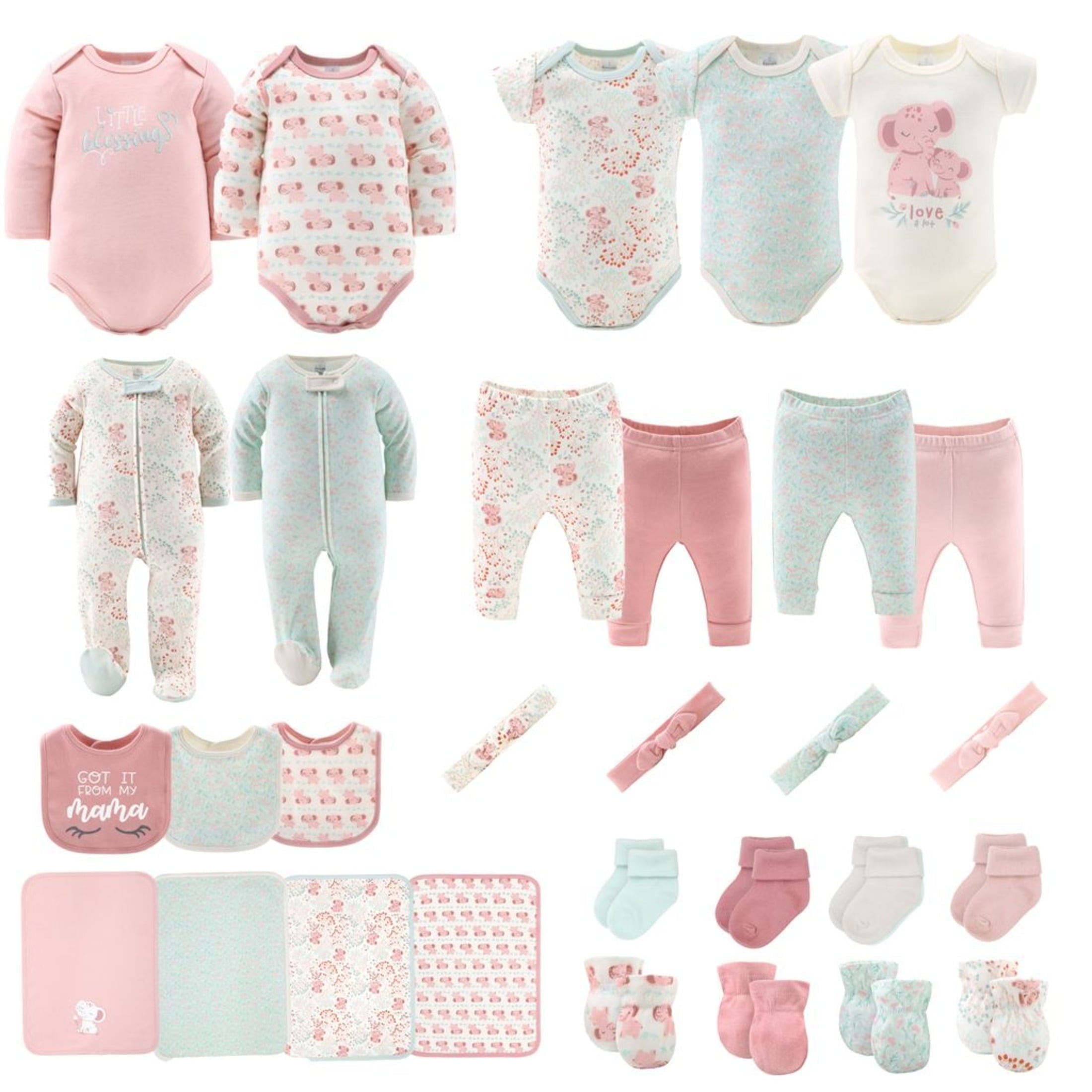
A functional newborn wardrobe does not need to be extensive, as infants grow through sizes quickly—often outgrowing "newborn" (NB) sizing within the first four to six weeks. Focusing on a "capsule" approach helps maintain organization and reduces laundry burden.
- Bodysuits (Onesies): The foundation of any infant wardrobe, these feature snaps at the crotch for efficient diaper access.
- Footie Pajamas: Ideal for maintaining warmth at night; look for double-zipper designs that allow for bottom-up diaper changes without exposing the baby's chest or arms to cold air.
- Swaddles and Sleep Sacks: These provide a secure feeling and are often safer than loose blankets in a crib.
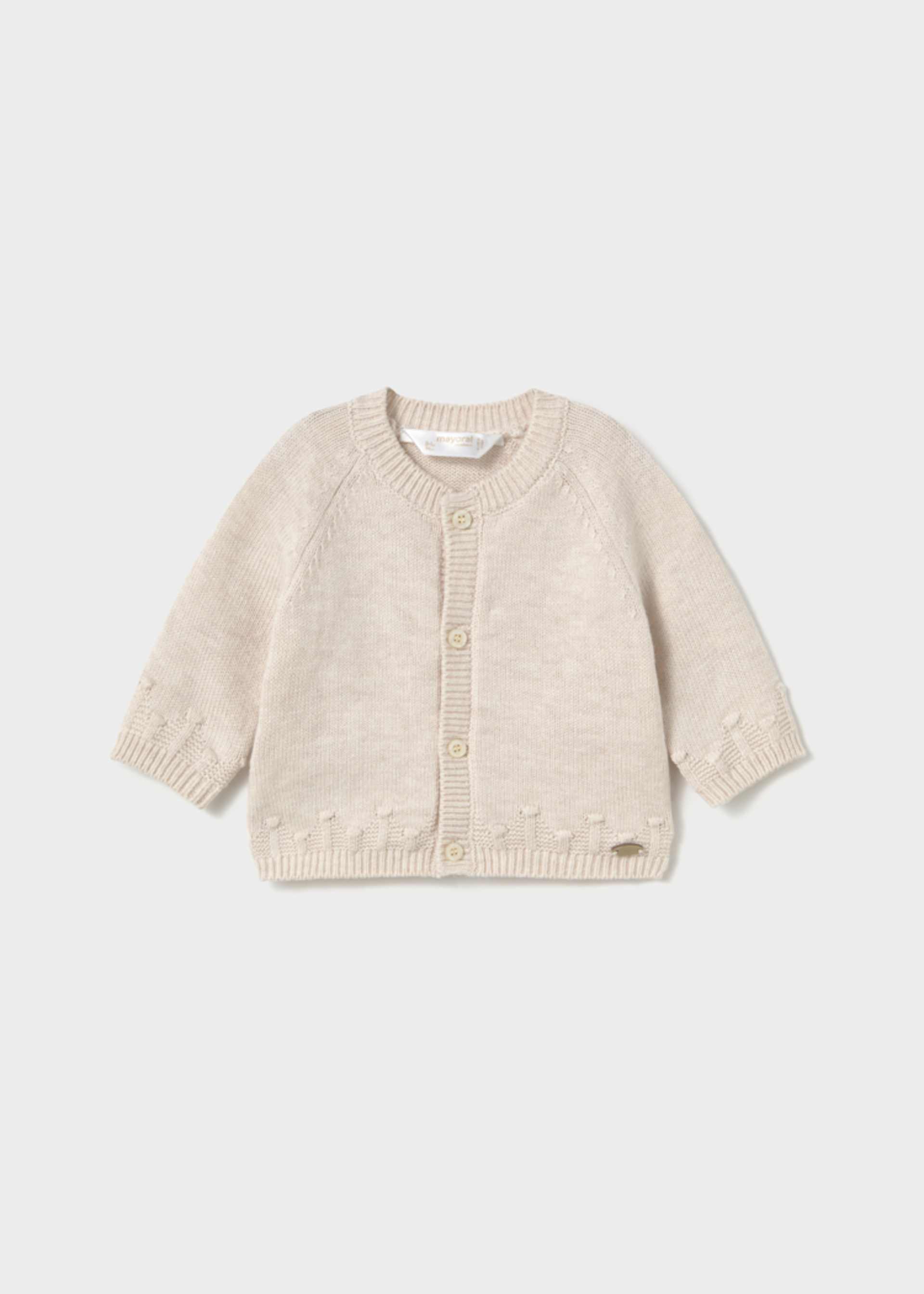
- Layering Pieces: Cardigans or lightweight sweaters are essential for temperature regulation, as newborns cannot effectively manage their own body heat.
Comparison of Popular Fabric Types for Newborns
| Fabric Type | Pros | Cons | Best Use Case |
|---|---|---|---|
| Organic Cotton | Highly breathable, hypoallergenic, durable. | Can shrink if not washed correctly. | Daily wear and sleepwear. |
| Bamboo Rayon | Extremely soft, thermal regulating, moisture-wicking. | Can snag easily, higher price point. | Sensitive skin, warmer climates. |
| Pima Cotton | Exceptionally smooth fiber, long-lasting. | Premium pricing. | Special occasions, daily comfort. |
| Polyester Fleece | High warmth retention, quick drying. | Not breathable; potential for overheating. | Outerwear in cold climates. |
Organizing for Practicality and Growth
Newborns require frequent changes, sometimes multiple times a day due to diaper leaks or spit-up. Organizing clothes by size and function is a critical task. Keep current sizes in an easily accessible drawer and store the next size up in a clearly labeled bin.
When considering sizing, remember that manufacturers vary significantly. A "0-3 months" tag from one brand may fit quite differently than another. Use weight and height charts provided by brands rather than relying strictly on the age label, as infant growth velocity is highly individual. Always wash new clothes before the first use with a fragrance-free, hypoallergenic detergent to remove manufacturing residues, dust, or potential chemical treatments applied during shipping.
Cleaning and Maintenance Requirements
Maintaining the integrity of newborn garments requires specific laundry practices. Always close all zippers and snaps before washing to prevent damage to the fabric or snagging on other items. Using a delicate cycle and cold water helps preserve the fibers of natural materials like bamboo and cotton.
Avoid using harsh fabric softeners or dryer sheets, as the chemicals can irritate a newborn's skin. Instead, consider using wool dryer balls to reduce static and soften the fabric naturally. If a garment is stained, treat it immediately with a mild, enzyme-based stain remover suitable for infants. For items that are heavily soiled, rinsing in cold water before laundering prevents the stain from setting into the organic fibers.
Addressing Common Challenges and Mistakes
One of the most common mistakes new parents make is over-purchasing newborn-sized clothing. Because the transition to 0-3 month or 3-month sizing occurs rapidly, it is often more practical to buy a smaller initial quantity and supplement as the infant’s growth rate becomes clear.
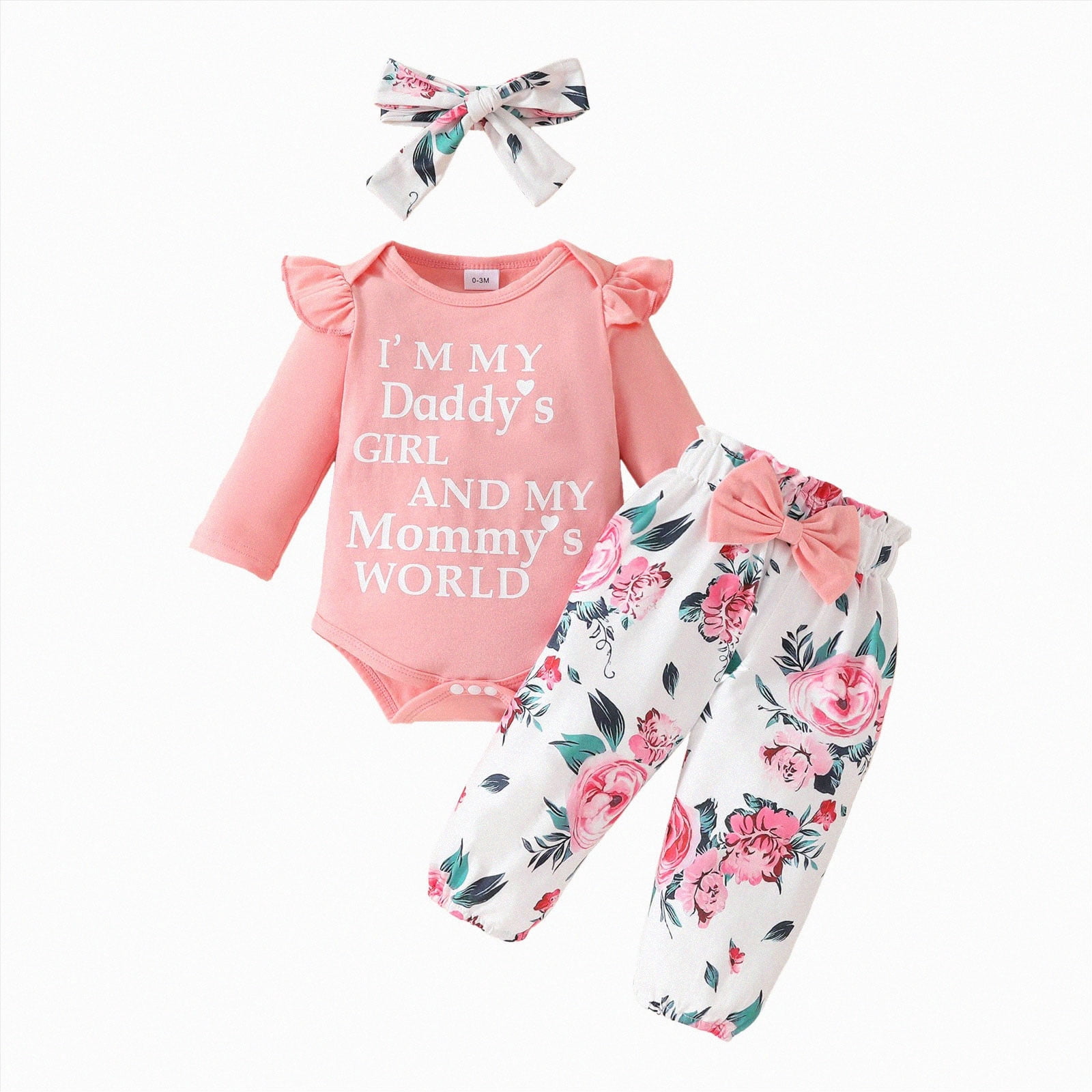
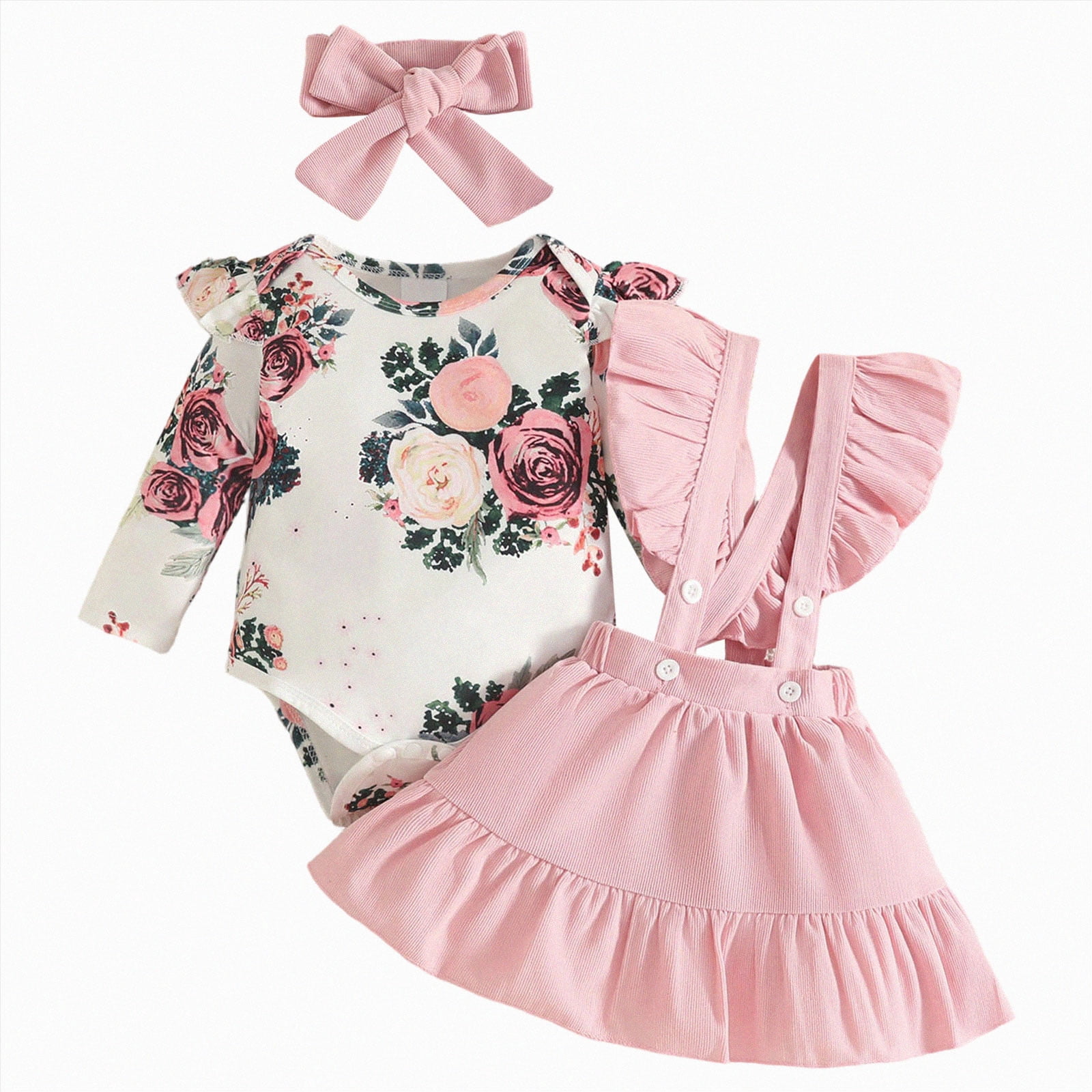
Another frequent oversight is ignoring the accessibility of the garment during diaper changes. Garments that require complete removal—pulling items over the head or unbuttoning the entire length of the torso—often result in frustration for the parent and discomfort for the infant. Always prioritize items that provide bottom-down access. Furthermore, be cautious of clothing with hoods or large ruffles that might bunch up around the infant’s face while they are lying down, as this can interfere with comfortable breathing and sleeping.
Frequently Asked Questions
How many outfits does a newborn actually need? A functional starting point is approximately 7-10 bodysuits and 5-7 footie sleepers. This quantity allows for daily changes and accounts for potential laundry delays without overwhelming your storage space.
Is it safe to use second-hand newborn clothing? Yes, provided the items are thoroughly washed, inspected for loose threads or broken closures, and free of any decorative items that could pose a choking risk. Check the safety recalls database for older products.
Why does my baby’s clothes sizing seem inconsistent? There is no universal standard for baby clothing sizes. Manufacturers design sizing based on their internal metrics, which often leads to variance. Always look at the weight and height ranges listed on the clothing label for a more accurate fit.
What is the best way to dress a newborn for sleep? Dress the infant in one more layer than you are wearing to be comfortable, and ensure the room temperature is kept at a moderate, consistent level. Use a wearable blanket or sleep sack to keep them warm without the risks associated with loose bedding.
When should I move to the next clothing size? Move up a size when the current clothing becomes difficult to snap or zip, or when the baby’s movement appears restricted. If the baby’s weight is near the upper limit of the sizing chart, it is time to transition to the next size up.
Strategic Next Steps
Begin by inventorying the items you already have and washing them using the recommended hypoallergenic methods. Assess your local climate to determine if you need more thermal layers or lighter, breathable fabrics. By selecting versatile, easy-to-access garments, you ensure both comfort for the infant and efficiency for your daily routine. Prioritize quality over quantity, and keep your organization system flexible to accommodate the rapid growth phases inherent in the first year of life.
Image Gallery