The Life and Legacy of Robert Blake: Examining His Career and Passing at 89
Robert Blake, the acclaimed American actor best known for his role in the television series Baretta and his portrayal of Perry Smith in In Cold Blood, was 89 years old when he passed away on March 9, 2023. His death, caused by heart di...
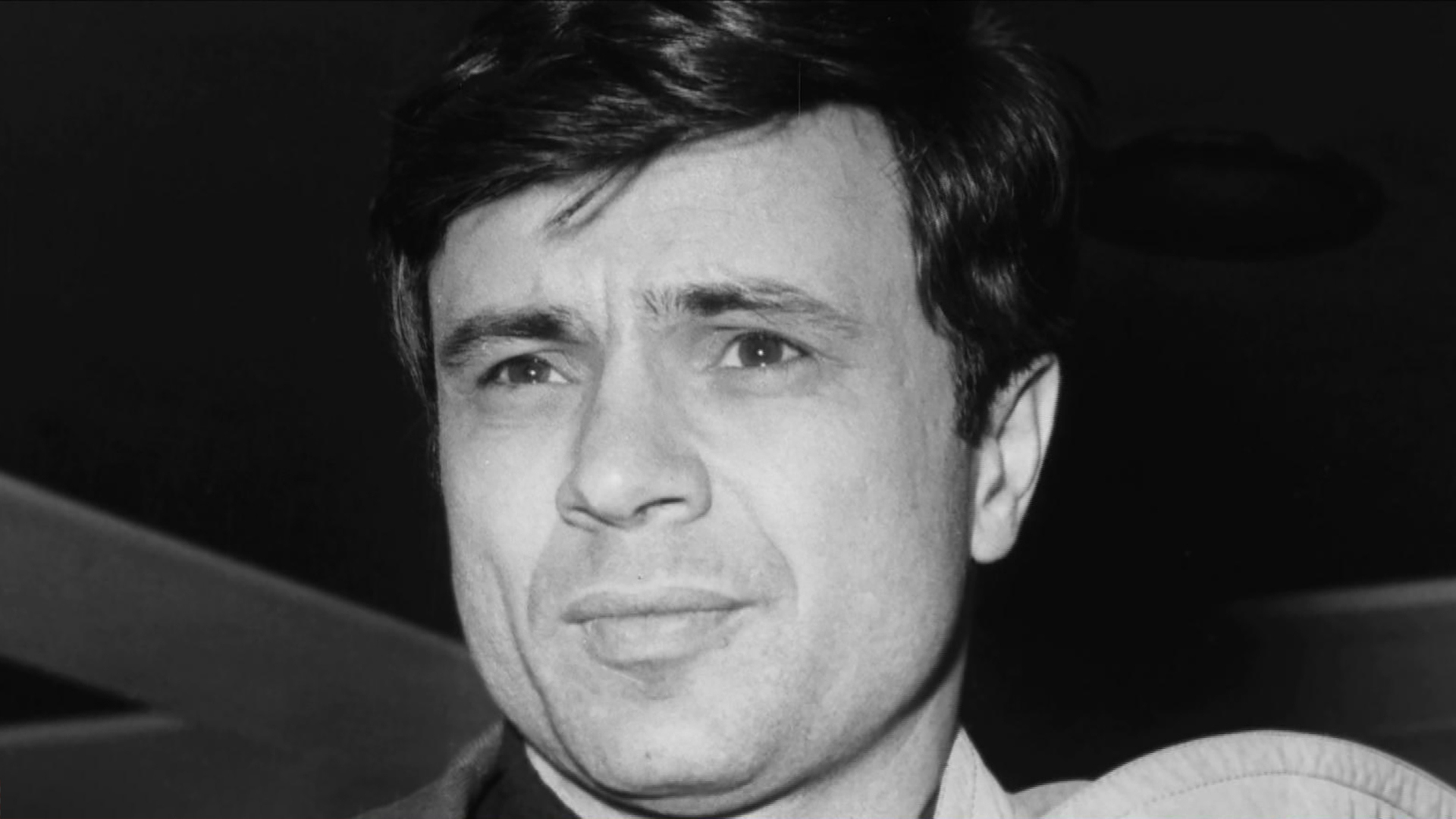
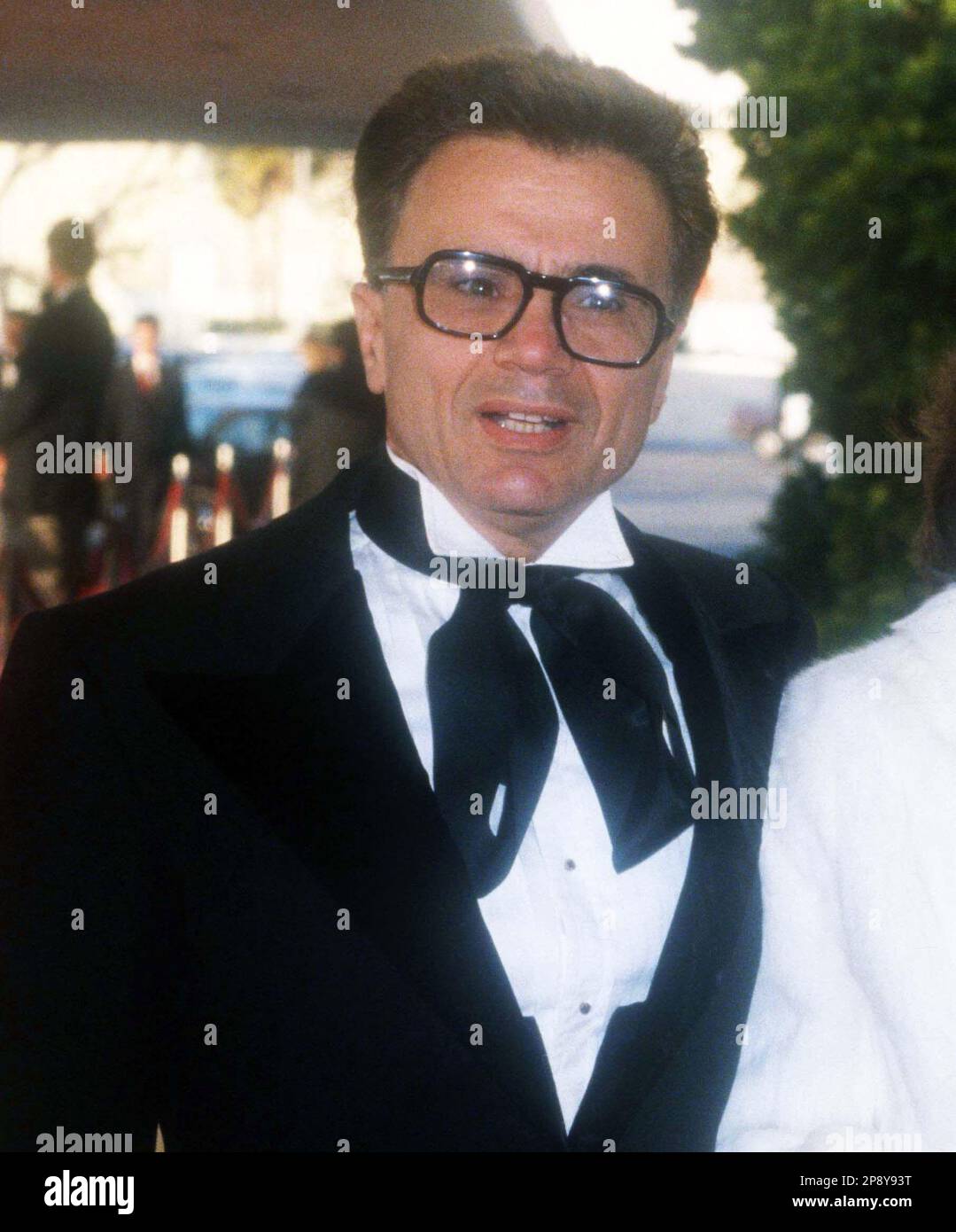
Robert Blake, the acclaimed American actor best known for his role in the television series Baretta and his portrayal of Perry Smith in In Cold Blood, was 89 years old when he passed away on March 9, 2023. His death, caused by heart disease, occurred at his home in Los Angeles, California, effectively concluding a decades-long career defined by intense performances and significant legal controversy.
Contents
Early Life and the Origins of a Career
Robert Blake was born Michael James Vincenzo Gubitosi on September 18, 1933, in Nutley, New Jersey. His transition into the entertainment industry began at an incredibly young age. As a child, he moved to California with his family and almost immediately began appearing in films. He is perhaps most recognizable from his youth as a cast member of the Our Gang (also known as The Little Rascals) comedy shorts, where he played the character Mickey.
This early exposure to Hollywood was not always positive. Blake later described a difficult childhood marked by physical and emotional challenges, which he credited for the intensity and raw vulnerability he brought to his adult roles. By the time he reached adolescence, he had transitioned from the comedic troupe to more dramatic parts, establishing a foundation that would eventually lead him to critical acclaim in the late 1960s.
The Breakthrough: In Cold Blood
The turning point in Blake’s professional life arrived in 1967 with the release of Richard Brooks' adaptation of Truman Capote’s In Cold Blood. Cast as the real-life murderer Perry Smith, Blake delivered a chilling, nuanced performance that stripped away the Hollywood glamour often associated with criminal characters.
The film is widely considered one of the greatest crime dramas in cinema history. Blake’s ability to evoke sympathy for a cold-blooded killer was a masterclass in character acting. This role elevated his status from a working actor to a leading man capable of carrying major motion pictures. It set the trajectory for his career, cementing his reputation as a performer who gravitated toward complex, often darker subject matter.
Iconic Television Presence: Baretta
In the 1970s, Blake transitioned to television, where he achieved his greatest mainstream popularity. He starred as Tony Baretta in the hit detective series Baretta, which aired on ABC from 1975 to 1978. The character was a plainclothes police detective known for his street-smart approach, his pet cockatoo named Fred, and his signature catchphrase, "Don't do the crime if you can't do the time."
Baretta was more than just a procedural; it was a cultural touchstone that highlighted Blake’s unique charisma. He won the Primetime Emmy Award for Outstanding Lead Actor in a Drama Series in 1975 for the role. However, his tenure on the show was also marked by reports of his perfectionism and difficult personality, traits that would become a central part of his public image in later years.
Chronology of Public and Legal Challenges
While his professional accomplishments were substantial, the latter portion of Robert Blake's life was shadowed by a highly publicized criminal case. In 2001, his wife, Bonny Lee Bakley, was shot and killed outside a restaurant in Studio City, California. Blake was subsequently charged with her murder.
Key Moments in the Legal Process
- The Investigation: Following the shooting in May 2001, investigators focused on Blake, citing the couple's volatile relationship.
- The 2005 Criminal Trial: Blake faced a high-profile murder trial in 2005. The prosecution argued he orchestrated the killing, while his defense maintained his innocence.
- The Acquittal: After extensive testimony, the jury found Robert Blake not guilty of the murder of his wife.
- The Civil Verdict: Shortly after the criminal acquittal, a civil court jury found Blake liable for the wrongful death of Bonny Lee Bakley in a suit brought by her children. He was ordered to pay a significant sum in damages, a judgment that effectively led to his filing for bankruptcy.
This period of his life significantly altered his public perception. Despite his earlier accolades, the narrative surrounding the final two decades of his life remained tethered to these legal proceedings, which occupied headlines across the nation well into the mid-2000s.
Comparison of Career Milestones
| Role/Work | Context | Significance |
|---|---|---|
| Our Gang | Early Career | Established him as a child star in the 1940s. |
| In Cold Blood | Film (1967) | Critical breakthrough and transition to drama. |
| Electra Glide in Blue | Film (1973) | Demonstrated his range in neo-noir cinema. |
| Baretta | Television (1975-1978) | Achieved major cultural status and Emmy win. |
| Money Train | Film (1995) | One of his final significant big-screen roles. |
Reflections on His Final Years
Following the legal saga, Robert Blake lived a largely reclusive life. He largely retreated from the public eye, only occasionally re-emerging to discuss his memoirs or provide interviews regarding his past. When he died in 2026, he had been living in relative obscurity for years. His death at age 89 marked the closing of a long and contentious chapter in Hollywood history.
Those who analyzed his career often point to the dichotomy between his early promise as a Method-influenced actor and the shadow cast by the 2001 tragedy. His life remains a subject of study for historians interested in the intersection of celebrity, the American legal system, and the complexities of human behavior.
Frequently Asked Questions
1. Was Robert Blake still working when he passed away? No. Blake had effectively retired from acting long before his death at age 89. His final years were spent out of the limelight, and he had not taken on any significant professional roles in the decades leading up to 2023.
2. What was the exact cause of death for Robert Blake? Robert Blake died of heart disease. His passing was confirmed by his niece, who indicated that he passed away peacefully at his residence in Los Angeles.
3. Did the civil court verdict for wrongful death change the criminal acquittal? No. Under the U.S. legal system, an acquittal in a criminal trial remains final. The civil verdict, which carries a lower burden of proof ("preponderance of the evidence" versus "beyond a reasonable doubt"), exists as a separate legal matter. The civil judgment for wrongful death did not result in criminal incarceration.
4. What was the impact of his role in In Cold Blood on his career? The role of Perry Smith in In Cold Blood transformed Blake’s career. It proved he could handle complex, psychological dramatic roles, moving him away from the "child star" stigma and positioning him as a formidable talent in 1970s American cinema.
5. How did Robert Blake pass his time after the criminal trials? Post-trial, Blake largely lived as a private citizen. He filed for bankruptcy following the civil judgment and spent his remaining years maintaining a low profile in California, occasionally engaging in media interviews to discuss his past life and his perspective on the events that defined his later years.
Conclusion and Final Observations
Robert Blake’s life was defined by extreme highs and profound lows. From the sets of The Little Rascals to the high-stakes drama of a murder trial, his journey was anything but conventional. As an actor, his contributions to films like In Cold Blood remain respected by cinephiles, while his personal life remains a cautionary tale of the pressures inherent in the entertainment industry. For those interested in film history, his work continues to serve as an example of 20th-century acting prowess, while his personal history serves as a reminder of the complexities of fame and the legal system.
Image Gallery