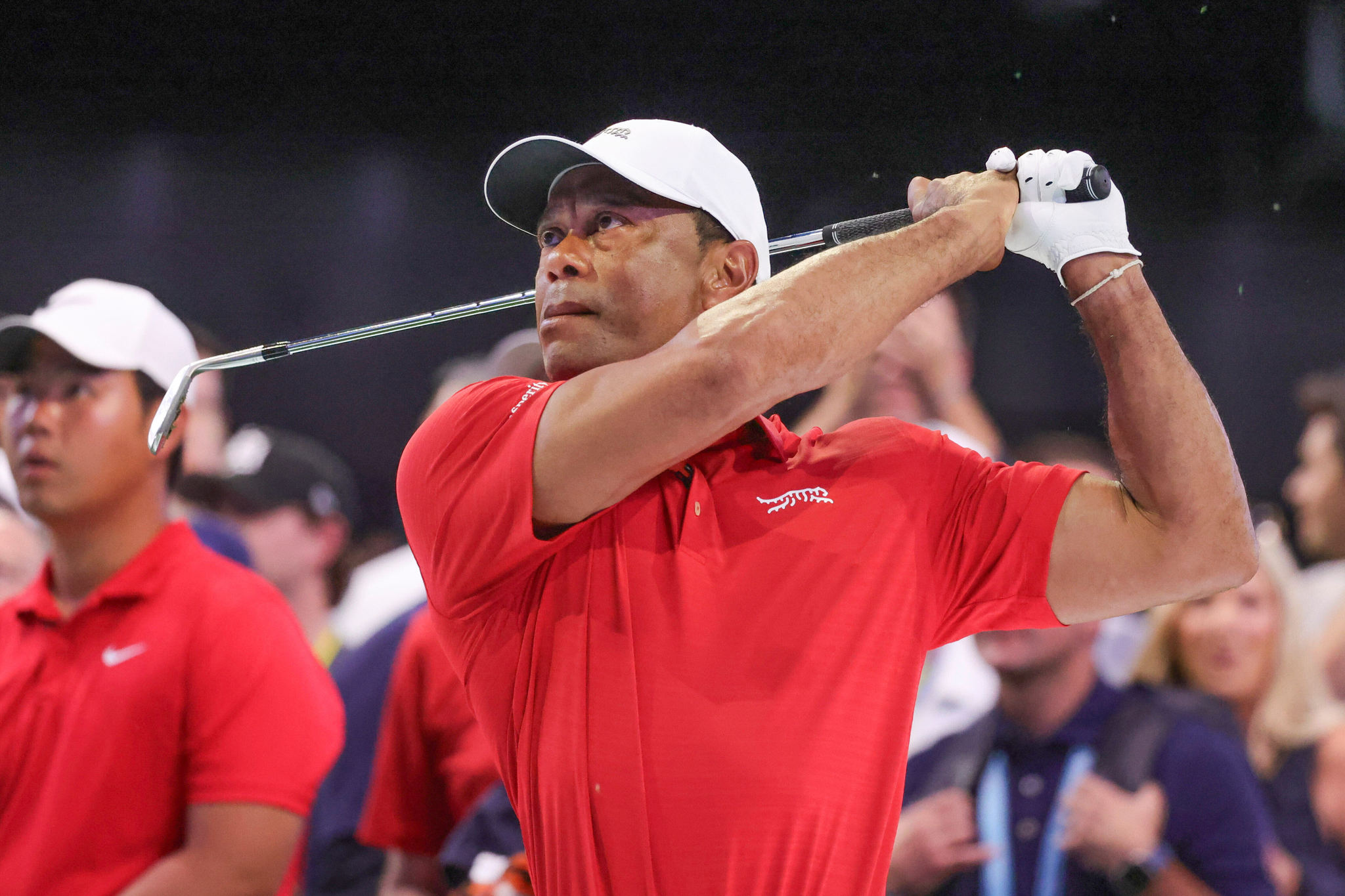
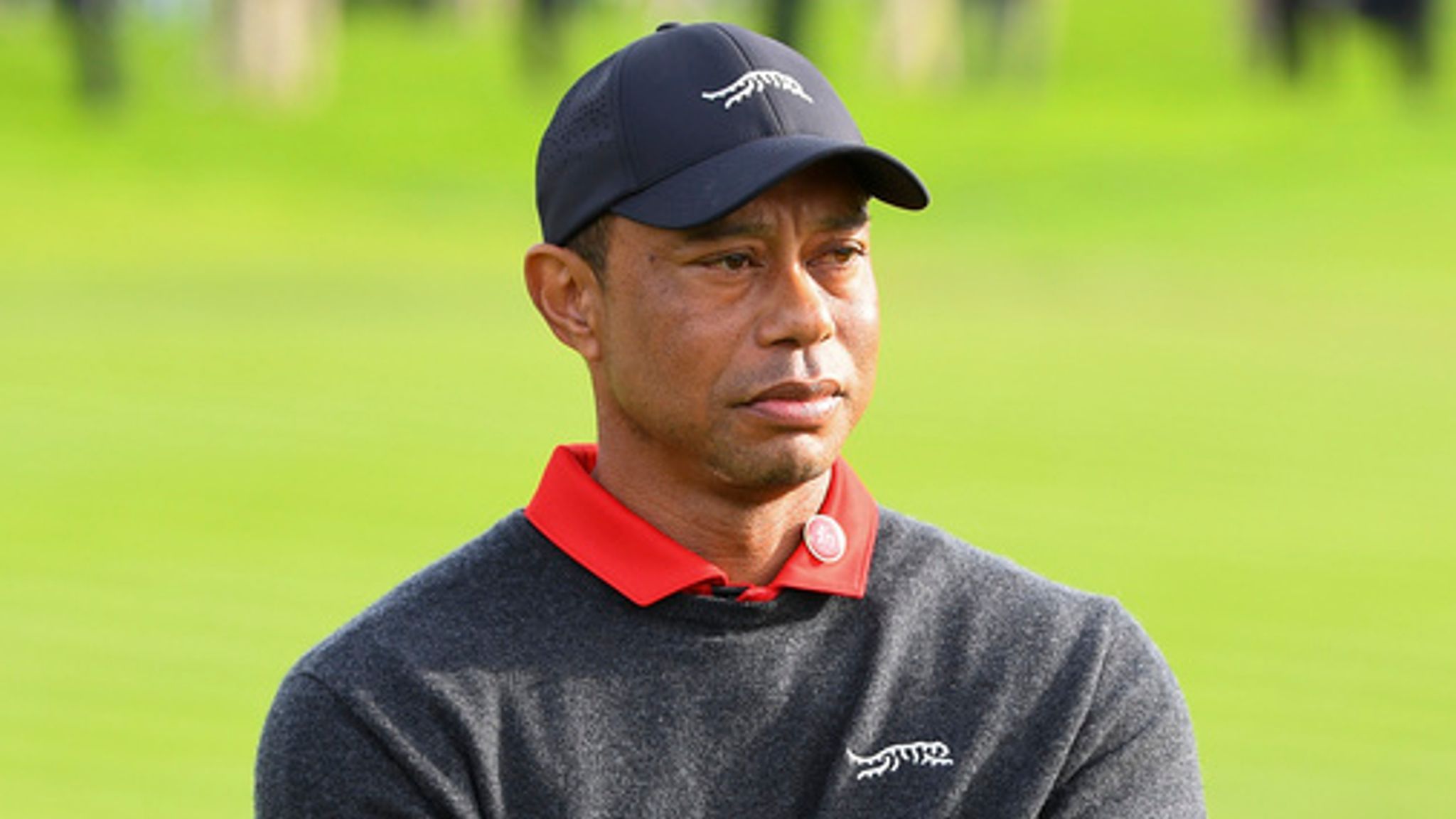
The Intersection of Wealth and Sport: Examining Nicolas Cage Net Worth and Tiger Woods Playing Golf
Nicolas Cage's fluctuating net worth and Tiger Woods' legendary status on the golf course represent two distinct peaks of cultural influence, financial history, and athletic achievement. While these subjects belong to separate domains—...
Nicolas Cage's fluctuating net worth and Tiger Woods' legendary status on the golf course represent two distinct peaks of cultural influence, financial history, and athletic achievement. While these subjects belong to separate domains—Hollywood box office economics versus professional golf history—they frequently intersect in public curiosity regarding celebrity assets, high-profile lifestyles, and sports entertainment. Analyzing these two figures provides a comprehensive look at how massive fortunes are earned, spent, and recovered in the modern era of entertainment and sports.
Contents
Understanding Nicolas Cage's Financial Trajectory and Net Worth
Nicolas Cage, born Nicolas Kim Coppola, has established one of the most prolific and distinctive careers in Hollywood history. Winning an Academy Award for Leaving Las Vegas (1995) and starring in major blockbusters like The Rock (1996), Con Air (1997), and Face/Off (1997), Cage commanded peak salaries of $20 million per film during the late 1990s and 2000s. At his financial zenith, estimated around the mid-2000s, his personal fortune was reported to be around $150 million.
However, his financial trajectory underwent a dramatic shift due to a combination of real estate market crashes, aggressive and unusual asset acquisitions, and tax liabilities. Cage famously purchased numerous high-value properties globally, including castles in Europe, historic mansions in New Orleans and San Francisco, rare comic books (such as the stolen copy of Action Comics #1), dinosaur skulls, and a private island in the Bahamas.
Following the 2008 financial crisis and a subsequent IRS tax lien of over $6 million, Cage faced severe liquidity issues. This forced a massive liquidation of his real estate portfolio and possessions at values far below their purchase prices. To recover from these financial setbacks, Cage entered a prolific phase of his career, taking on a high volume of independent films, direct-to-video releases, and critically acclaimed projects like Pig (2021) and The Unbearable Weight of Massive Talent (2022). By restructuring his finances and maintaining a steady output of work, his estimated net worth has steadily rebounded into the tens of millions of dollars, showcasing a resilient career model in the entertainment industry.
Tiger Woods and the Economics of Professional Golf
In stark contrast to the volatile real estate and film-salary economics of Hollywood actors, Tiger Woods built his fortune primarily through historic athletic dominance, global endorsements, and sports business ventures. Turning professional in 1996, Woods transformed the financial landscape of professional golf, driving tournament purses and television ratings to unprecedented heights.
Woods became sport's first billionaire athlete through a combination of PGA Tour prize money and historic corporate partnerships with brands like Nike, Gatorade, Gillette, and Buick. Unlike traditional actors whose earnings depend on project availability, Woods secured recurring multi-million-dollar endorsement contracts that decoupled his income from immediate tournament play during injury periods.
Even amidst personal challenges, severe injuries, and multiple back and knee surgeries, Woods' brand durability remained remarkably high. His return to competitive golf, highlighted by his historic victory at the 2019 Masters Tournament, demonstrated the enduring commercial viability of his athletic legacy. Beyond playing golf, Woods expanded his economic footprint into golf course architecture (TGR Design), hospitality, and live entertainment ventures like the TGL tech-infused golf league, cementing his status as both an elite competitor and a sports industry mogul.
Comparative Overview: Hollywood Icons vs. Athletic Titans
To understand the financial realities of entertainment icons versus sports legends, it is helpful to examine the core mechanics of their earnings, asset management, and risk factors.
| Metric / Dimension | Nicolas Cage (Entertainment & Cinema) | Tiger Woods (Professional Golf & Sport) |
|---|---|---|
| Primary Income Source | Film salaries, production residuals, and independent cinema fees. | Tournament winnings, global endorsements, and business ventures. |
| Peak Earnings Era | Late 1990s to mid-2000s blockbusters ($20M per film). | Late 1990s through the 2000s and 2010s dominance. |
| Major Financial Volatility | Real estate overextension, tax liens, and asset liquidation. | Physical injuries, career interruptions, and sponsor restructuring. |
| Recovery Strategy | High-volume film production, diverse indie roles, and debt restructuring. | Strategic brand consolidation, golf course design, and sports tech investments. |
| Current Status (2026) | Stable asset base, ongoing cinematic projects, and recovered net worth. | Senior competitive play, business leadership, and sports entrepreneurship. |
The Cultural Fascination with Celebrity Wealth and Sports
Public interest in figures like Nicolas Cage and Tiger Woods stems from broader societal fascinations with extreme wealth accumulation, rapid public downfalls, and ultimate career comebacks. Media narratives often romanticize or sensationalize the spending habits of actors and athletes, viewing them as cautionary tales or inspirational blueprints.
In Cage’s case, his spending on eccentric historical artifacts and properties became a cultural touchstone for how creative artists manage sudden windfalls. For Tiger Woods, the narrative focused on physical resilience, athletic perfectionism, and the immense pressure of maintaining peak performance under global scrutiny. Both individuals illustrate that sustaining immense wealth requires sophisticated financial management, risk mitigation, and adaptability in the face of changing personal and economic circumstances.
Frequently Asked Questions
What caused Nicolas Cage to lose a significant portion of his wealth?
Cage's financial downturn was primarily caused by aggressive real estate acquisitions during a pre-recession market peak, heavy spending on rare collectibles and exotic assets, and a significant IRS tax assessment. The 2008 financial crisis severely impacted property values, forcing him to liquidate assets under unfavorable conditions.
How did Nicolas Cage rebuild his net worth?
Cage rebuilt his financial standing by accepting a high volume of roles across studio and independent films, aggressively paying off tax liabilities, and streamlining his personal expenses. Critically acclaimed performances in later films also revitalized his marketability and earning potential.
Is Tiger Woods a billionaire?
Yes, Tiger Woods reached billionaire status through career earnings. The vast majority of his wealth came from corporate endorsements, appearance fees, and business investments rather than tournament prize money alone, making him one of the few athletes to achieve this financial milestone while active.
How does playing competitive golf impact Tiger Woods' net worth?
While tournament purses contribute to his income, Woods' net worth is primarily sustained by long-term business partnerships and ventures. Competitive appearances drive global media attention, which directly enhances the valuation of his signature design firm, corporate sponsorships, and affiliated sports enterprises.
Are Nicolas Cage and Tiger Woods involved in any business partnerships together?
No, Nicolas Cage and Tiger Woods operate in entirely different industries. While both are iconic public figures associated with high earnings and cultural prominence, their professional paths do not cross in film or sports ventures.
Practical Next Steps and Financial Insights
For observers tracking celebrity finance and asset management, the trajectories of Nicolas Cage and Tiger Woods offer enduring lessons in wealth preservation. Diversification, liquidity planning, and conservative debt management remain foundational to maintaining long-term financial stability, regardless of whether income derives from box office hits or professional athletic achievements. When evaluating high-net-worth profiles, distinguishing between gross career earnings and net liquid assets is essential for understanding true financial health.
Image Gallery