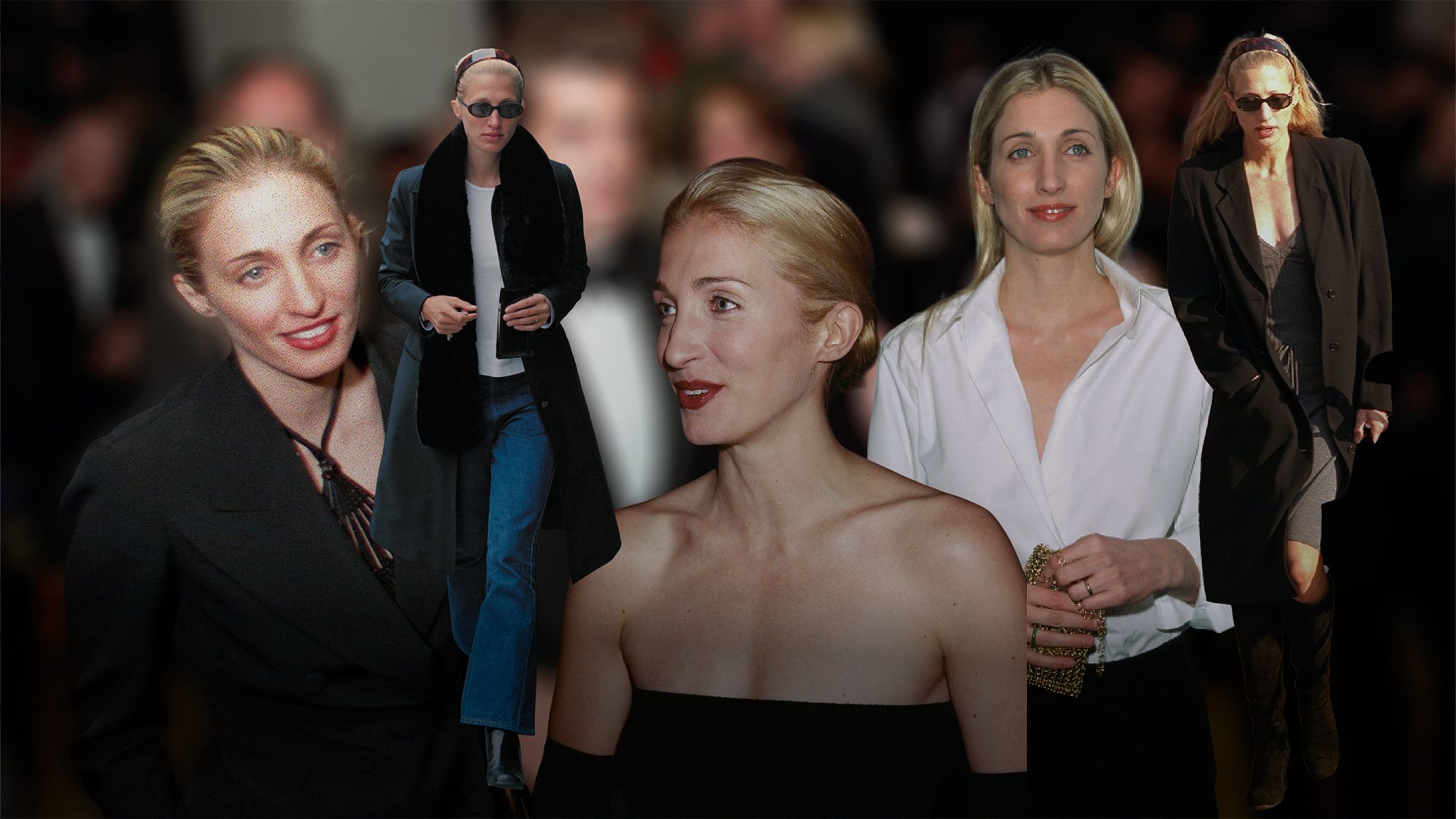
What to Do After the Carolyn Bessette-Kennedy Honeymoon Phase: Sustaining Timeless Minimalism
To navigate the transition after the initial "Carolyn Bessette-Kennedy honeymoon phase," you must shift from experimental style to a disciplined personal uniform. This involves curating a high-quality capsule wardrobe centered on archi...
To navigate the transition after the initial "Carolyn Bessette-Kennedy honeymoon phase," you must shift from experimental style to a disciplined personal uniform. This involves curating a high-quality capsule wardrobe centered on architectural tailoring, a neutral color palette, and "style armor"—pieces that provide composure and sophistication as the novelty of a new aesthetic evolves into a permanent lifestyle signature.
Contents
The "honeymoon phase" of the Carolyn Bessette-Kennedy (CBK) aesthetic usually refers to the period immediately following her 1996 marriage to John F. Kennedy Jr., characterized by her iconic Narciso Rodriguez slip dress and the sudden, explosive global interest in her "It Girl" status. However, for the modern enthusiast in 2026, moving past this phase means graduating from mere imitation of her most famous looks to adopting the rigorous, minimalist philosophy she refined in the late 1990s. This transition is about longevity, quality, and the psychological power of a curated image.
Understanding the Aesthetic Transition: From Newness to Mastery
In the immediate wake of her wedding, Carolyn Bessette-Kennedy was often seen as a minimalist chameleon, navigating her new role under an unprecedented media lens. The "honeymoon phase" is marked by the thrill of discovery—buying the first white button-down, finding the perfect bootcut jean, and mimicking the effortless "off-duty" look. But as any student of her style knows, her aesthetic deepened as she spent more time in the public eye.
As we look back from 2026, her post-honeymoon era (roughly 1997–1999) represents a more formidable version of minimalism. It was less about "trends" and more about "armor." She leaned heavily into structured silhouettes, darker tones, and a repeatable uniform that allowed her to maintain a sense of privacy and control. To follow this path, you must stop looking for "new" items and start perfecting the items you already own.
The key to this phase is intentionality. You are no longer just wearing a black turtleneck because she did; you are wearing it because you have found the specific weight of cashmere and the exact height of the neck that suits your frame and lifestyle.
Building the Post-Honeymoon Capsule Wardrobe
The post-honeymoon phase requires a "less but better" approach. In 2026, where "fast fashion" has become increasingly scrutinized for its environmental and aesthetic shortcomings, the CBK blueprint offers a sustainable path forward. The focus shifts toward pieces that can withstand years of wear while remaining socially and professionally relevant.
The Foundation: Architectural Tailoring
CBK’s later style was defined by her relationship with designers like Yohji Yamamoto and Prada. These pieces weren't just simple; they were architectural. To graduate from the honeymoon phase, invest in:
- The Structured Overcoat: Moving beyond the casual trench, look for heavy wool or cashmere coats with clean lines and sharp shoulders. A mid-calf length in navy, black, or camel provides an instant sense of authority.
- The Precision Pencil Skirt: CBK often wore skirts that hit just below the knee, paired with high-heeled boots. The fit must be exact—not so tight as to be restrictive, but tailored enough to create a seamless line.
- The Crisp White Shirt: This is the hallmark of the Bessette-Kennedy look. After the honeymoon phase, you should have a "rotation" of these: a stiff poplin for formal events and a softer silk or cotton for daily wear.
The Color Palette: Disciplined Neutrality
While her early years saw occasional flashes of color or pattern, her established style was almost strictly monochromatic. To master this, you must learn to play with textures rather than colors. Combine a matte wool trouser with a silk camisole and a patent leather bag. This creates depth within a single-color outfit, preventing it from looking flat or uninspired.
The Role of Accessories as "Style Armor"
In the years following her marriage, Carolyn used accessories as a tool for both style and protection. Her sunglasses were not just a fashion choice; they were a barrier between her and the paparazzi. This "style armor" is a crucial concept for anyone looking to sustain the CBK aesthetic long-term.
Footwear: The Boot and the Slingback
The post-honeymoon phase sees a move away from trendy sneakers or sandals toward more "permanent" footwear.
- The Knee-High Boot: Usually in black leather with a manageable block heel or a slim stiletto. These were her staple for New York winters, paired with skirts and long coats.
- The Pointed-Toe Slingback: A Manolo Blahnik classic that she favored for evening events. It is a silhouette that remains the height of sophistication in 2026.
The Handbag: Quality Over Branding
Carolyn was rarely seen with "logomania" items. Instead, she favored the Prada Spazzolato or understated Hermès bags. To replicate this, look for bags where the craftsmanship is the primary feature, not the logo. The leather should be high-grade, and the hardware should be minimal.
Eyegear: The Oval Silhouette
Her signature Selima Optique sunglasses are the ultimate "post-honeymoon" accessory. They provide a sense of mystery and shield the wearer, fitting the narrative of a woman who valued her privacy despite her fame.
Comparison: Honeymoon Phase vs. Post-Honeymoon Mastery
| Feature | Honeymoon/Early Phase (1996) | Post-Honeymoon/Mastery (1997-1999) |
|---|---|---|
| Primary Vibe | Ethereal, experimental, "The Bride" | Formidable, structured, "The Icon" |
| Key Fabric | Silk crepe, light denim, velvet | Heavy wool, cashmere, poplin, patent leather |
| Silhouette | Fluid, bias-cut, relaxed | Architectural, sharp, body-conscious |
| Color Palette | White, beige, occasional print | Black, navy, charcoal, crisp white |
| Outerwear | Light trenches, cardigans | Floor-length wool coats, structured blazers |
| Public Image | Accessible, "Girl Next Door" | Enigmatic, sophisticated, guarded |
Refining Beauty and Grooming: The Final Layer
One cannot discuss "what to do after the honeymoon phase" without addressing the evolution of her beauty routine. Carolyn’s look became more streamlined as she aged into her role as a public figure.
The "Carolyn" Blonde
If you have adopted the blonde hair associated with her look, the post-honeymoon phase is about maintenance and health. Her hair was always impeccably managed—often pulled back into a "messy" but intentional bun or left straight and polished. In 2026, this translates to high-quality bond-building treatments and regular glosses to ensure the hair looks expensive rather than bleached.
The Minimalist Face
Her makeup followed a similar trajectory. While she was famous for her red lip (often attributed to Face Stockholm’s "Cranberry"), her daily look was remarkably bare. The focus was on clear, luminous skin and groomed eyebrows. To sustain this, invest in skincare that prioritizes the skin barrier rather than heavy foundations. The goal is to look like you aren't wearing makeup at all, even when you are.
Managing the Psychological Aspect of the Transition
Maintaining a minimalist lifestyle inspired by CBK requires more than just clothes; it requires a certain mental composure. The honeymoon phase of any style journey is filled with excitement and frequent purchases. The phase that follows is about discipline and resisting the urge to follow every micro-trend that appears on social media.
Resisting the "Trend Cycle"
In 2026, the speed of fashion cycles is faster than ever. To truly embody the Carolyn Bessette-Kennedy ethos, you must be comfortable being "out of style" according to current trends while being "timeless" in your own right. If a piece doesn't fit your established uniform of neutrals and clean lines, it doesn't belong in your closet, regardless of how popular it is on TikTok or Instagram.
The Art of Disappearing
Carolyn famously did not give interviews. She let her presence and her style speak for her. Moving into the mastery phase of her aesthetic involves a similar level of restraint. It’s about the "unspoken" power of your appearance. When you walk into a room, your clothes should feel like a natural extension of your identity, not a costume you are wearing to look like someone else.
FAQs: Sustaining the CBK Aesthetic
What were Carolyn Bessette-Kennedy's favorite clothing brands? She was most frequently associated with Prada, Calvin Klein (where she worked), Yohji Yamamoto, Narciso Rodriguez, and Ann Demeulemeester. For shoes, she favored Manolo Blahnik and Prada.
How can I achieve the "CBK look" on a budget in 2026? Focus on the silhouette rather than the label. Look for 100% cotton white shirts, vintage wool coats from reputable tailors, and high-quality leather boots. The key is to ensure every item is tailored perfectly to your body; often, a $50 vintage blazer with $40 worth of tailoring looks better than a $1,000 designer piece that doesn't fit.
What is the "Cranberry" lipstick she used? Carolyn was famous for using a lipstick from the brand Face Stockholm, specifically in the shade "Cranberry." It is a sheer, berry-toned red that mimics a natural flush, which contributed to her effortless appearance.
How did her style change when she was under stress? Observers noted that as the pressures of the paparazzi increased, her style became more "closed off." She wore more black, more structured coats, and used her sunglasses and hair as a shield. This "protective styling" is a key component of her post-honeymoon aesthetic.
Can I wear patterns and still follow this aesthetic? While Carolyn rarely wore patterns, she occasionally wore very subtle leopard print or classic stripes. If you must use patterns, keep them in a neutral color family and ensure the silhouette of the garment remains minimalist.
Practical Next Action: The Closet Edit
To move forward, perform a "Bessette-Kennedy Audit" of your wardrobe. Remove anything that feels flimsy, overly trendy, or "loud." Replace these items slowly with pieces that meet the criteria of architectural tailoring, neutral tones, and high-quality fabrics. Your goal is to reach a point where you can get dressed in the dark and still emerge looking polished, composed, and ready to face the world with the same quiet confidence that Carolyn Bessette-Kennedy epitomized.
Image Gallery