The Current Legal Status of Juul Pods in 2026: Are They Still Banned?
Juul pods are not currently banned in the United States. While the U.S. Food and Drug Administration (FDA) initially issued Marketing Denial Orders (MDOs) in June 2022, these orders were officially rescinded in June 2024. Consequently,...
Juul pods are not currently banned in the United States. While the U.S. Food and Drug Administration (FDA) initially issued Marketing Denial Orders (MDOs) in June 2022, these orders were officially rescinded in June 2024. Consequently, Juul products, including the device and tobacco-flavored pods, remain legal to sell and purchase while undergoing further scientific review.
Contents
The regulatory history of Juul Labs has been a focal point of the broader debate over electronic nicotine delivery systems (ENDS). For years, consumers and retailers have faced confusion regarding whether Juul pods would remain on shelves or be removed entirely. To understand the current 2026 landscape, it is necessary to examine the technicalities of the FDA's Premarket Tobacco Product Application (PMTA) process, the legal challenges that led to the current status, and the strict limitations on flavor profiles that remain in effect.
Understanding the 2022 Marketing Denial Order (MDO)
In June 2022, the FDA issued a landmark decision that essentially ordered Juul Labs to remove all of its products from the U.S. market. This decision was based on the FDA’s assessment that Juul’s PMTA lacked sufficient evidence regarding the toxicological profile of the products. Specifically, the agency raised concerns about "potentially harmful chemicals leaching from the e-liquid pods."
This MDO did not constitute an immediate "seizure" of products but rather a legal notification that the products could no longer be marketed or sold. Juul Labs immediately filed for an emergency stay of the order, which was granted by a federal appeals court. This allowed Juul to continue selling its products while the legal process unfolded. The primary technical argument from Juul was that the FDA had overlooked more than 6,000 pages of data that addressed the very toxicological concerns the agency had cited.
The period between 2022 and 2024 was marked by extreme market volatility for vape shops and convenience stores. Many retailers preemptively stopped stocking Juul pods, fearing enforcement actions. However, the legal stay ensured that the status quo remained in place until the FDA could conduct a more thorough re-evaluation of the evidence.
The 2024 FDA Rescission: Why the Ban Was Lifted
In a significant reversal in June 2024, the FDA rescinded the MDOs for Juul. It is important to distinguish between a "rescission" and an "approval." The FDA did not grant a Marketing Granted Order (MGO), which would be a formal "stamp of approval." Instead, the agency moved the applications back into the "pending" category.
The decision to rescind the ban was driven by several factors:
- New Case Law: Several court rulings involving other e-cigarette manufacturers (such as the Fifth Circuit's decision in Wages and White Lion Investments, LLC v. FDA) created new legal standards for how the FDA must evaluate PMTAs.
- Administrative Consistency: The FDA acknowledged that its review process needed to be consistent across all manufacturers to avoid "arbitrary and capricious" designations under the Administrative Procedure Act.
- Technical Data Review: The agency determined that further review of Juul’s original and supplemental data was required to make a scientifically sound final determination.
As of 2026, this "pending" status remains the operational reality. Under the FDA’s enforcement discretion policy, products that have timely applications on file are generally permitted to remain on the market until a final decision (either an MGO or a new MDO) is reached.
What Juul Products are Currently Legal in 2026?
While the brand-wide ban was rescinded, the types of Juul pods available to consumers are strictly regulated. The "flavor ban" that many people associate with Juul is actually a permanent regulatory shift that occurred much earlier.
The Permanent Ban on Flavored Pods
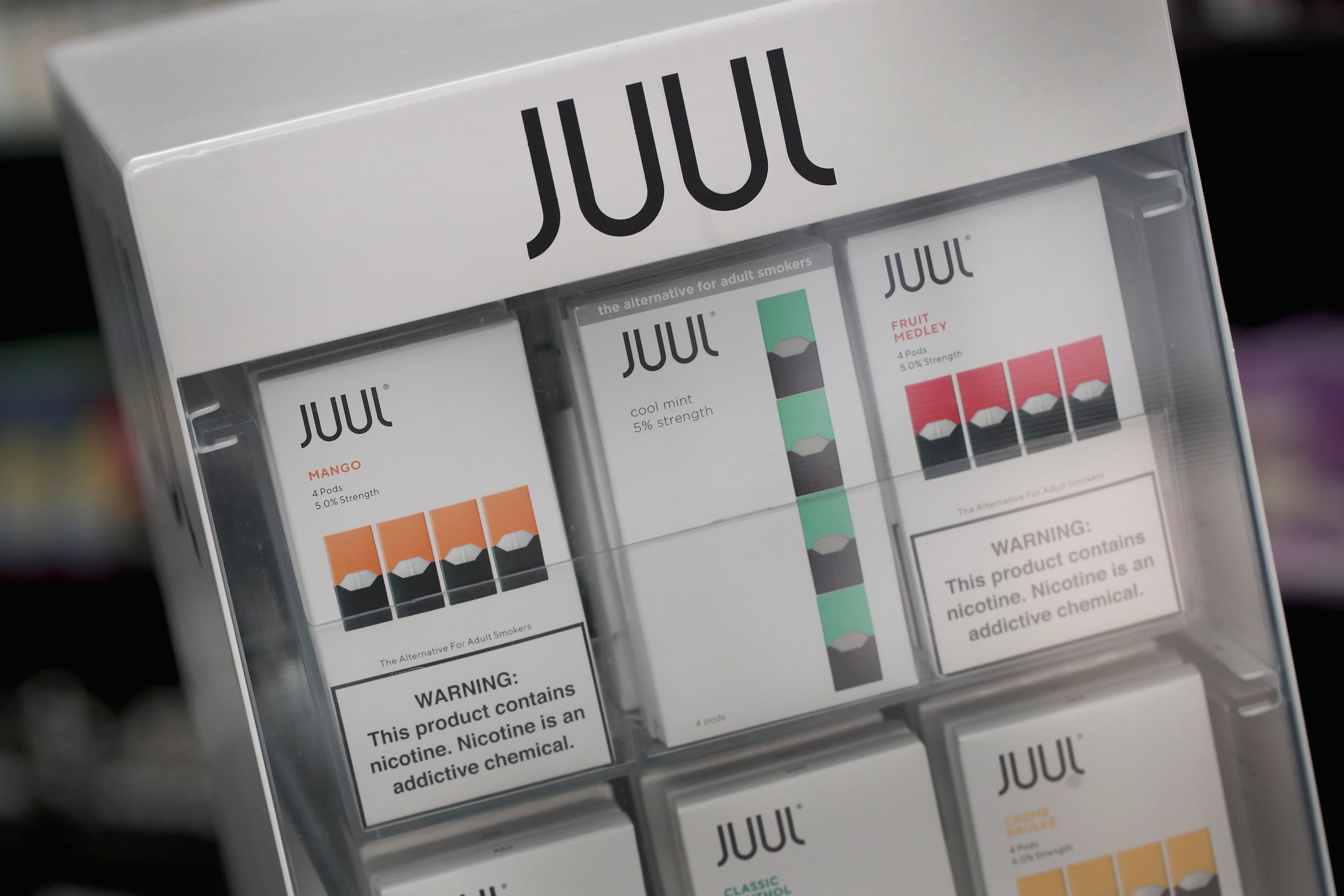
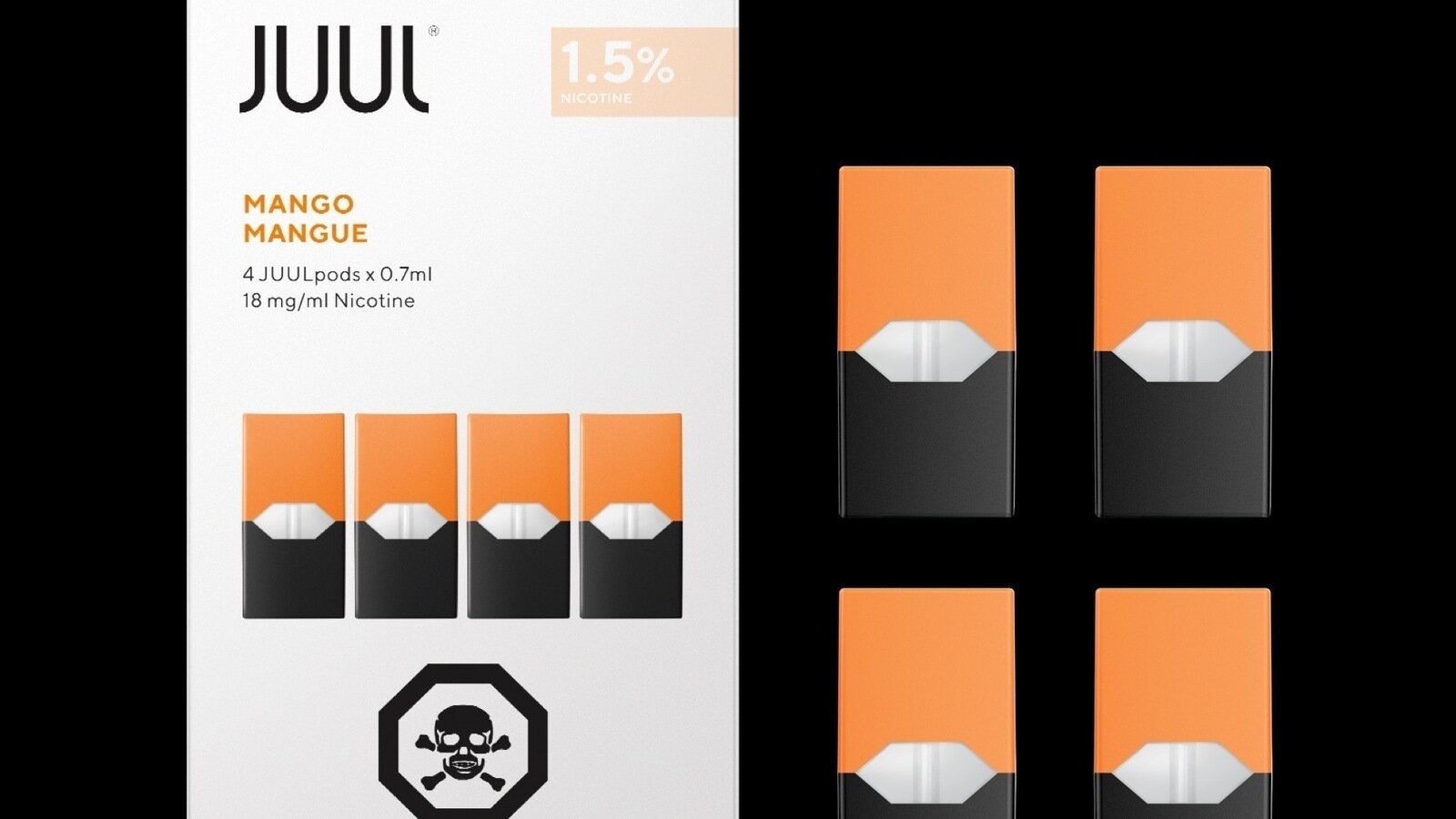
In early 2020, the FDA finalized an enforcement policy that effectively banned all non-tobacco and non-menthol flavors for cartridge-based e-cigarettes. This means that "fruit," "mango," "cucumber," and "creme" pods are permanently illegal in the United States and have been for several years. Juul Labs had voluntarily stopped selling most of these flavors in the U.S. in late 2019, but the FDA’s ruling made the ban absolute for all manufacturers using pod systems.
Nicotine Concentrations and Compliance
In 2026, the only Juul pods that can be legally sold in the U.S. are:
- Virginia Tobacco: Available in 5.0% and 3.0% nicotine concentrations.
- Golden Tobacco: Available in select regions/concentrations, primarily focusing on traditional tobacco profiles.
- Menthol: Available in 5.0% and 3.0% nicotine concentrations.
These products must be sold in compliance with the Prevent All Cigarette Trafficking (PACT) Act, which requires online sellers to use age-verification software and private shipping carriers, as the USPS generally prohibits the mailing of nicotine products to consumers.
The Science of the PMTA Process
The PMTA process is the most rigorous regulatory hurdle for any tobacco product. For Juul to eventually receive a permanent Marketing Granted Order, it must prove to the FDA that its products are "Appropriate for the Protection of the Public Health" (APPH). This standard requires a complex balancing act:
- Benefit to Adult Smokers: The manufacturer must demonstrate that the product is effective at helping adult cigarette smokers switch to a less harmful alternative.
- Risk to Youth: The manufacturer must prove that the product does not attract non-smokers, particularly minors.
Technically, the FDA reviews the aerosol chemistry, the stability of the e-liquid, the battery safety, and behavioral studies. Juul has invested heavily in "smart" technology—such as the Juul2 system launched in international markets—which includes age-verification features and Bluetooth-enabled locking. While the original Juul system is what most Americans recognize, the future of the brand likely depends on these high-tech iterations that provide more data to the FDA regarding usage patterns.
Comparison: Juul vs. Alternative Nicotine Products (2026)
The regulatory environment varies significantly depending on the type of device. The following table compares the current status of Juul pods against other common market alternatives in 2026.
| Feature | Juul Pods (Original) | Disposable Vapes (e.g., Elf Bar/Lost Mary) | Open Tank Systems |
|---|---|---|---|
| Current FDA Status | Pending (Rescinded MDO) | Mostly Unauthorized/Enforcement Target | Varies by E-liquid Brand |
| Available Flavors | Tobacco & Menthol Only | Full Fruit/Dessert Range (Illegal but common) | Tobacco & Menthol (Legal) |
| Nicotine Type | Nicotine Salt | Nicotine Salt | Freebase or Salt |
| Age Verification | Strict (Retail & Online) | Often Lax (Grey Market) | Strict at Specialty Shops |
| Environmental Impact | High (Disposable Pods) | Very High (Battery Waste) | Moderate (Refillable) |
International Regulations and Global Restrictions
While Juul is currently legal in the U.S., the global landscape is a patchwork of strict bans and varying regulations. This often leads to confusion for travelers who assume a product legal in the U.S. can be carried anywhere.
- United Kingdom and EU: Juul is legal but restricted by the Tobacco Products Directive (TPD). The nicotine concentration is capped at 20 mg/mL (2.0%), which is significantly lower than the 5.0% pods common in the U.S.
- Australia: As of 2024, Australia moved to a "prescription-only" model for all nicotine vapes. It is illegal to buy Juul pods from a convenience store; they must be dispensed through a pharmacy to individuals with a doctor's prescription.
- India and Brazil: These countries have enacted total bans on the sale, manufacture, and import of all ENDS products, including Juul. Possession in these jurisdictions can result in heavy fines or legal penalties.
Safety, Counterfeits, and Consumer Verification
Because Juul pods are expensive and their legal status has been in flux, a massive market for counterfeit pods has emerged. Using "knock-off" pods carries significant health risks because these products do not undergo any FDA-mandated testing.
To verify that Juul pods are authentic, consumers should check for the following technical markers:
- Batch Codes: Authentic pods have unique batch codes printed on the bottom of the packaging and the pods themselves.
- Color-Coded Caps: Genuine caps have a specific matte finish and fit precisely. Counterfeits often have "shiny" caps or fit loosely.
- Vapor Quality: Authentic Juul pods use a proprietary nicotine salt formulation designed for consistency. If a pod tastes burnt or leaks excessively upon first use, it is likely a counterfeit.
Retailers are now required to use sophisticated point-of-sale systems that scan IDs and track purchase limits to remain compliant with the FDA’s Tobacco 21 law, which raised the federal minimum age for all tobacco sales to 21 in December 2019.
Frequently Asked Questions (FAQ)
Is it illegal to buy Juul pods online in 2026?
No, it is not illegal to buy Juul pods online, provided the retailer uses a third-party age-verification system and complies with the PACT Act. However, you cannot receive these products through the standard U.S. Postal Service (USPS); they must be delivered by private carriers who require an adult signature upon delivery.
Can I still find Mango or Mint Juul pods?
No. These flavors were removed from the U.S. market years ago. Any "Mango" or "Mint" Juul pods found today are either extremely old (and likely degraded/unsafe) or counterfeit. The only legal "cool" flavor currently available is Menthol.
Why did the FDA try to ban Juul but not other vapes?
The FDA's 2022 decision was specific to Juul's PMTA application and its specific toxicological data. The agency has issued thousands of MDOs to other smaller companies as well. Juul received more media attention because of its large market share and its perceived role in the "youth vaping epidemic."
Is the Juul2 device legal in the U.S.?
As of early 2026, the Juul2 system—which features pod-locking technology to prevent counterfeit use—is still undergoing the PMTA review process for the U.S. market. While available in the UK and Canada, it has not yet replaced the original Juul system in American stores.
What should I do if my local shop is still saying Juul is banned?
Some retailers choose not to carry Juul products due to the high cost of compliance, low margins, or personal business decisions. If a shop claims they are "banned," they are likely referring to their own store policy or a misunderstanding of the 2022-2024 legal proceedings. You can find authorized retailers using the store locator on the official Juul website.
Final Recommendation for Consumers
If you are an adult smoker using Juul pods as a cessation tool, you should remain informed about the FDA’s ongoing review. While the 2024 rescission provides stability for now, the regulatory environment is subject to change based on new public health data. Always purchase from reputable, authorized retailers to ensure you are getting genuine, tested products. For those looking to quit nicotine entirely, the CDC's smoking cessation resources provide evidence-based strategies that do not involve ENDS products.
Image Gallery