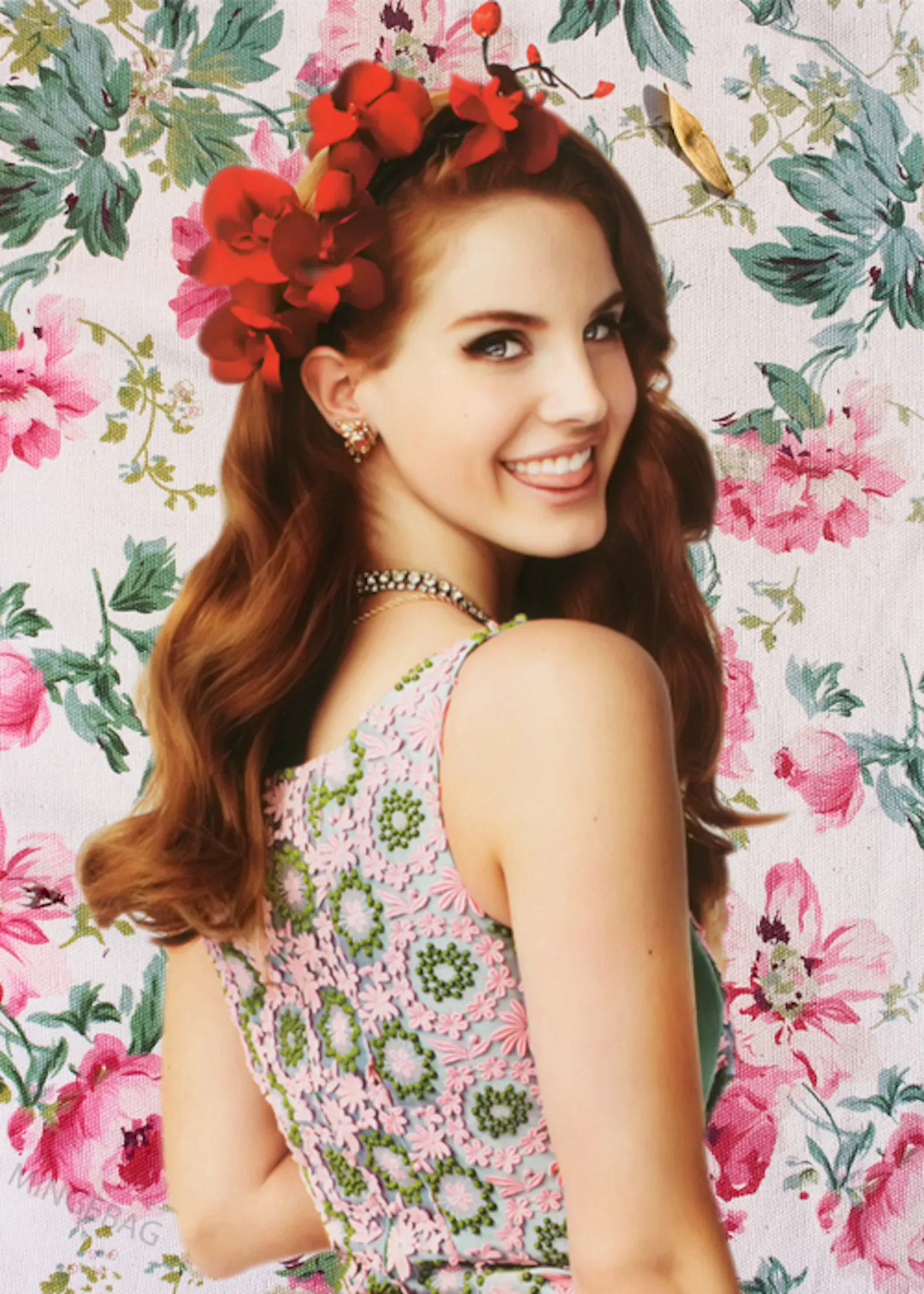
What Lana Del Rey’s Flowers in Her Hair Really Mean: Decoding the Iconography
Lana Del Rey’s signature flowers in her hair symbolize the tension between youthful innocence and tragic romance, fading beauty, and mortality. Rooted in Victorian floriography, 1960s counterculture, and Shakespearean tragedy, the flor...
Lana Del Rey’s signature flowers in her hair symbolize the tension between youthful innocence and tragic romance, fading beauty, and mortality. Rooted in Victorian floriography, 1960s counterculture, and Shakespearean tragedy, the floral motif subverts traditional romantic purity, serving as a visual metaphor for doomed love, nostalgic Americana, and melancholic self-invention.
Contents
The Dual Nature of Lana Del Rey’s Floral Symbolism
When Elizabeth Woolridge Grant re-emerged in 2011 under the persona of Lana Del Rey, her visual branding was as deliberate as her cinematic soundscapes. Central to this aesthetic was the oversized flower crown—an image that instantly saturated early 2010s internet culture, music videos, and editorial shoots. Beyond serving as a striking fashion statement, the flowers in Del Rey’s hair operate as a complex symbolic engine driven by contrast.
At its core, the floral motif embodies the tension between Eros (love and vitality) and Thanatos (death and decay). Flowers represent peak biological beauty, perfection, and romantic idealism. However, once cut and woven into a headpiece, a flower is actively dying. Del Rey uses this temporary nature to mirror the tragic narratives in her songs. The blooms represent fleeting youth, passionate love affairs destined for collapse, and the fragile nature of fame.
By crowning herself with oversized roses, lilies, and tropical blossoms, Del Rey juxtaposes romantic sweetness with themes of surrender, emotional pain, and vulnerability. The floral adornment does not signify simple happiness; instead, it serves as a decorative veil over heartbreak and existential dread.
Literary and Art Historical Roots: Ophelia to Victorian Mourning
The visual lineage of Lana Del Rey wearing flowers in her hair connects directly to centuries of European art history, literature, and symbolic botany. Rather than creating a random retro look, her imagery draws heavily on well-established cultural archetypes of tragic femininity.
Visual Lineage of Del Rey's Floral Motif:
- Shakespeare's Ophelia
- Pre-Raphaelite Art
- Victorian Floriography
- 1960s Counterculture
- Lana Del Rey Aesthetics
The Tragic Feminine Archetype and Ophelia
The most prominent literary antecedent to Del Rey's floral aesthetic is William Shakespeare’s Ophelia from Hamlet. Driven to madness by heartbreak and grief, Ophelia distributes wildflowers before drowning in a stream surrounded by her floral garlands. John Everett Millais’s famous 1851 Pre-Raphaelite painting Ophelia codified this imagery, depicting a tragic heroine floating in water adorned with poppies (symbolizing sleep and death), daisies (innocence), and pansies (love in vain).
Del Rey frequently evokes this specific painterly tradition. In music videos such as "Born to Die" and "Ride," as well as numerous photoshoots from the Born to Die (2012) and Paradise (2012) eras, she is depicted lounging in floral arrangements, submerged in water, or wearing heavy flower crowns while singing about tragic devotion. The flowers signal that the protagonist is fully aware of her fatalistic path, embracing romantic destruction with artistic grace.
Victorian Floriography and the Language of Flowers
During the 19th century, Victorian floriography assigned specific covert meanings to different flowers and colors. Del Rey’s aesthetic choices frequently align with these historical meanings:
- Red Roses: Intense desire, fatalistic passion, and sacrifice.
- White Roses and Lilies: Purity, spiritual devotion, and funereal mourning.
- Wilted or Oversized Blooms: Fading youth, luxury turning into decadence, and emotional overload.
By wearing flowers that seem almost too large for her head, Del Rey emphasizes the overwhelming weight of her own romantic ideals. The headpieces become literal burdens of beauty, reinforcing her lyrical themes of devotion to unstable lovers and past eras.
Nostalgia, Americana, and 1960s Counterculture
While classical art provides the tragic foundation, 20th-century American history provides the stylistic framework for Del Rey’s floral hair accessories. Her aesthetic bridges the gap between the mid-century American Dream and the disillusionment that followed it.
- 1960s Laurel Canyon "Flower Child" (Peace, Idealism, Freedom)
- Lana Del Rey Subversion (Melancholy, Lost Innocence, Post-60s Decay)
The Laurel Canyon and "Flower Child" Connection
In the late 1960s, wearing flowers in one's hair became the universal visual signature of the hippie movement, popularized by John Phillips’s anthem "San Francisco (Be Sure to Wear Flowers in Your Hair)." Musicians of the Laurel Canyon scene—such as Joni Mitchell, Joan Baez, and Michelle Phillips—wore natural wildflower garlands as symbols of peace, anti-establishment freedom, and a return to nature.
Del Rey adopts the outward appearance of the 1960s "flower child" but strips away its optimistic political utopianism. Instead, she approaches the era through the lens of post-1960s hangover and lost idealism. Her flowers reference the end of the summer of love, the ghost of Sharon Tate, and the tragic decay of Hollywood royalty.
Subverting the Golden Age of Hollywood
In videos like "National Anthem," Del Rey merges 1960s political iconography with classical romanticism. She uses flower crowns alongside retro hair bouffants to merge two eras of American culture: the innocent glamour of the 1950s/1960s and the cynical, dark reality of modern celebrity culture. The flowers serve as an anchor to an idealized past that never truly existed—a core element of Del Rey's trademark nostalgia (nostos meaning return home, algos meaning pain).
Visual Evolution of Flowers Across Lana Del Rey’s Discography
Lana Del Rey’s use of flowers in her hair has shifted as her musical storytelling and personal image evolved over time. The structural shift from dramatic floral crowns to understated natural accents reflects her broader stylistic progression from cinematic melodrama to minimalist folk-pop.
| Album Era | Floral Style | Dominant Colors | Primary Thematic Meaning | Key Visual Examples |
|---|---|---|---|---|
| Born to Die / Paradise (2012) | Giant, sculpted flower crowns, excessive rose wreaths | Red, deep blue, bright white, tropical hues | Melodramatic tragedy, decadent beauty, fatalistic romance | "Born to Die" music video, Paradise cover art |
| Ultraviolence (2014) | Sparse, dark, wilted, or minimalist floral accents | Black, muted red, faded white | Grief, trauma, post-heartbreak exhaustion, dark realism | "Shades of Cool" video, promotional photography |
| Honeymoon (2015) | Soft Mediterranean blooms, retro sun-hat floral adornments | Pastel pink, peach, soft yellow | High-glamour isolation, escapism, vintage Hollywood stardom | Honeymoon booklet, promotional artwork |
| Lust for Life (2017) | Natural daisies, delicate wildflowers woven into hair | White, yellow, soft green | Revival of hope, political reflection, return to 1960s peace iconography | Lust for Life album cover |
| Norman Fucking Rockwell! & Beyond (2019–2026) | Occasional, organic floral clips, natural un-styled flowers | Earth tones, pale flora | Domesticity, maturity, authenticity, stripping away persona | Live festival appearances, intimate editorial shoots |
During the Born to Die era, the crowns were intentionally artificial and exaggerated, matching the baroque pop production of the music. By the time she released Lust for Life in 2017, the heavy, manicured crowns were replaced by simple white daisies in her hair on the album cover. This visual shift mirrored her move toward a warmer, more hopeful sound and a direct connection to classic 1960s folk aesthetics.
The Cultural Explosion: How Lana’s Flower Crown Defined 2010s Aesthetics
It is impossible to analyze the meaning of the flowers in Del Rey’s hair without considering their massive impact on internet culture and fashion in the early 2010s. When Del Rey emerged, platform culture—specifically Tumblr, Pinterest, and Instagram—was undergoing a major aesthetic shift.
- Del Rey Music Videos (2011–2012)
- Tumblr "Sad Girl" Aesthetic Trend
- Coachella / Festival Fashion Craze (2012–2016)
- Global Commercial Mass Production
Del Rey's floral headpieces became the central accessory of the "Tumblr Sad Girl" aesthetic. This online subculture romanticized vintage nostalgia, melancholic indie music, and cinematic visual art. The flower crown quickly transitioned from an artistic prop in Del Rey's videos into a global fashion trend:
- Festival Fashion Mainstream: Between 2012 and 2016, flower crowns became the uniform of music festivals such as Coachella and Glastonbury, directly modeled after Del Rey's early editorial shoots.
- High Fashion Integration: Major fashion houses incorporated dramatic floral headpieces into runway shows, crediting the resurgence of vintage Americana and neo-Pre-Raphaelite styling to Del Rey's influence.
- Visual Branding Benchmark: The flower crown established a quick visual shorthand for melancholic romanticism, allowing listeners to immediately identify the emotional tone of her music before hearing a single note.
Common Misconceptions About Her Floral Motif
Despite its widespread popularity, the symbolism of Del Rey’s floral hair accessories is frequently misunderstood by casual observers and media commentators.
Misconception 1: It Was Just a Hippie Fashion Trend
Many critics initially dismissed Del Rey’s flower crowns as an uninspired rehash of 1960s bohemian fashion. However, this view ignores the dark, tragic framing in her visual work. Unlike traditional hippie fashion, which emphasized communal joy, nature, and political protest, Del Rey’s flowers are framed with isolation, sadness, and cinematic gloom.
Misconception 2: The Flowers Represent Pure Naivety
Because flowers are traditional symbols of innocence and girlhood, some early commentary assumed the headpieces represented unexamined submission or naive romanticism. In reality, Del Rey uses the flowers self-consciously. The flower crown functions as a theatrical costume worn by a narrator who is fully aware of her tragic circumstances, using hyper-feminine imagery to highlight the extremity of her emotional experiences.
Misconception 3: It Was an Unplanned Stylistic Choice
The flowers were not a spontaneous wardrobe decision. Del Rey worked closely with stylists, directors (such as Yoann Lemoine for "Born to Die"), and creative directors to craft a distinct visual language. Every flower choice—from the artificial, oversized roses in "Born to Die" to the delicate daisies on Lust for Life—was selected to mirror the narrative themes of the specific musical era.
Frequently Asked Questions
What kind of flowers does Lana Del Rey usually wear in her hair?
Lana Del Rey has worn a wide variety of flowers throughout her career. During her Born to Die era, she primarily wore large red roses, blue hydrangeas, and white lilies in structured crowns. In later eras, such as Lust for Life, she transitioned to delicate, natural white daisies and small wildflowers.
What music video made Lana Del Rey’s flower crown famous?
The floral crown became iconic following the release of the "Born to Die" music video in late 2011. In the video, Del Rey sits on a throne flanked by tigers, wearing a massive headpiece composed of blue and red roses, establishing her trademark visual style.
Is Lana Del Rey’s flower crown inspired by Frida Kahlo?
While both artists are famous for wearing prominent flower crowns, their symbolic meanings differ. Frida Kahlo’s floral headpieces were deeply tied to Mexican indigenous identity, folklore, and natural flora. Del Rey’s flowers draw more directly from Pre-Raphaelite art, Shakespearean tragedy, Victorian floriography, and 1960s American pop nostalgia.
Why did Lana Del Rey stop wearing big flower crowns in her later work?
As Del Rey’s music shifted away from the baroque, cinematic production of her early career toward stripped-back folk, rock, and jazz styles, her visual style changed accordingly. She moved away from theatrical persona props like oversized flower crowns in favor of more natural, minimalist styling that reflected the intimate nature of albums like Norman Fucking Rockwell! and Chemtrails Over the Country Club.
Strategic Takeaway: Analyzing Visual Motifs in Pop Iconography
To fully appreciate how visual symbolism works in pop culture, examine how artists combine historical iconography with modern themes. Lana Del Rey’s use of flowers in her hair succeeds because it relies on established artistic tradition rather than superficial trends.
- Look for Contradiction: Pay attention to how visual cues contrast with lyrical themes. Del Rey pairs delicate flowers with heavy themes of mortality and heartbreak to create emotional depth.
- Trace Historical Origins: Recognize that modern aesthetics often adapt historic artistic movements, such as Victorian floriography, Pre-Raphaelite painting, or 1960s counterculture.
- Evaluate Visual Evolution: Track how an artist’s visual motifs change over time to understand shifts in their sound, narrative tone, and creative priorities.
Image Gallery