Implementing a Federated Identity Management Solution: A Strategic Guide for 2026
A federated identity management solution allows organizations to share digital identities across disparate security domains, enabling users to access multiple applications and systems with a single set of credentials. By establishing a...
A federated identity management solution allows organizations to share digital identities across disparate security domains, enabling users to access multiple applications and systems with a single set of credentials. By establishing a trust relationship between an identity provider and service providers, it streamlines authentication, enhances security via centralized policies, and significantly improves the end-user experience.
Contents
The Architecture of Trust in Federated Identity
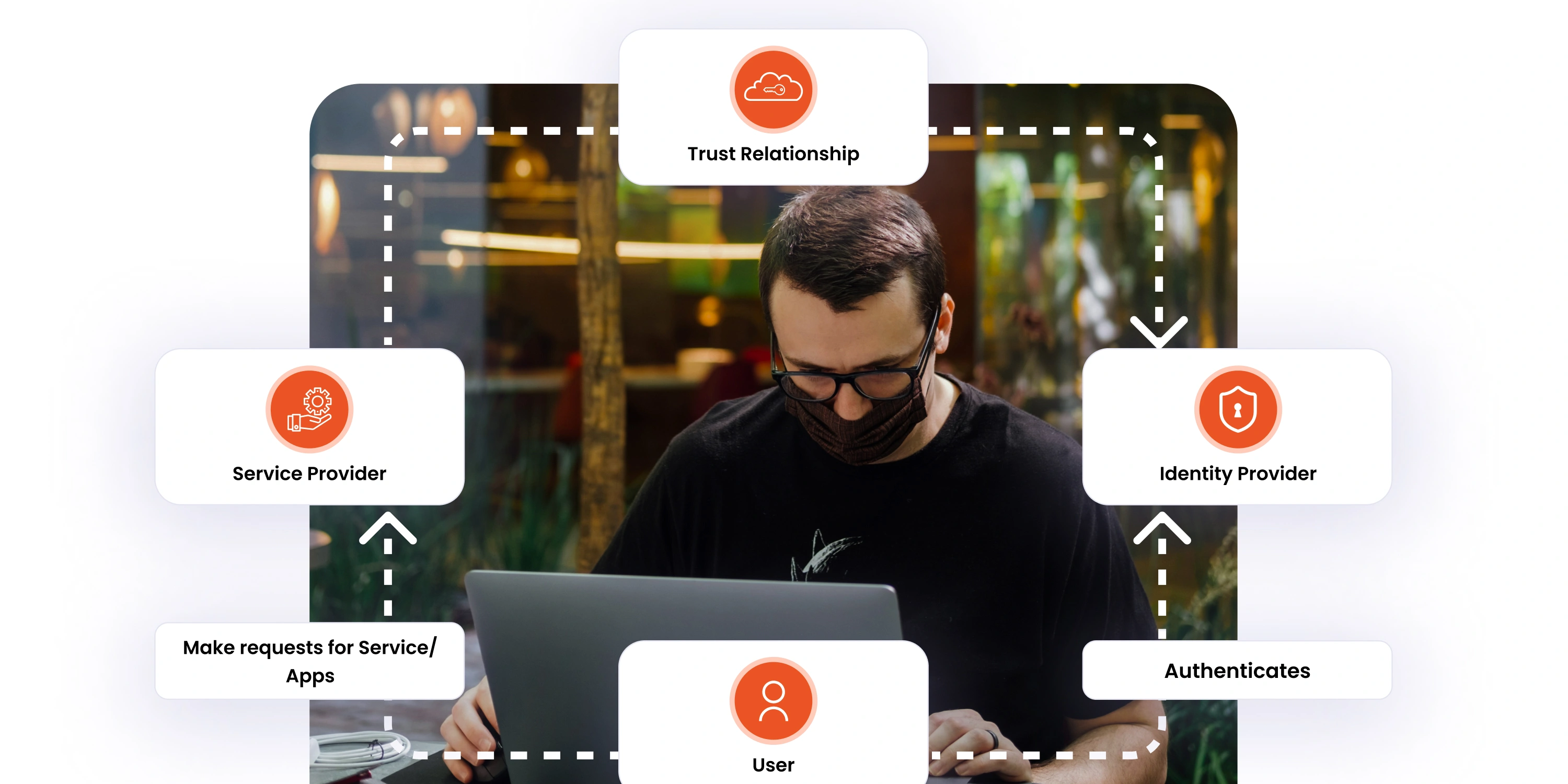
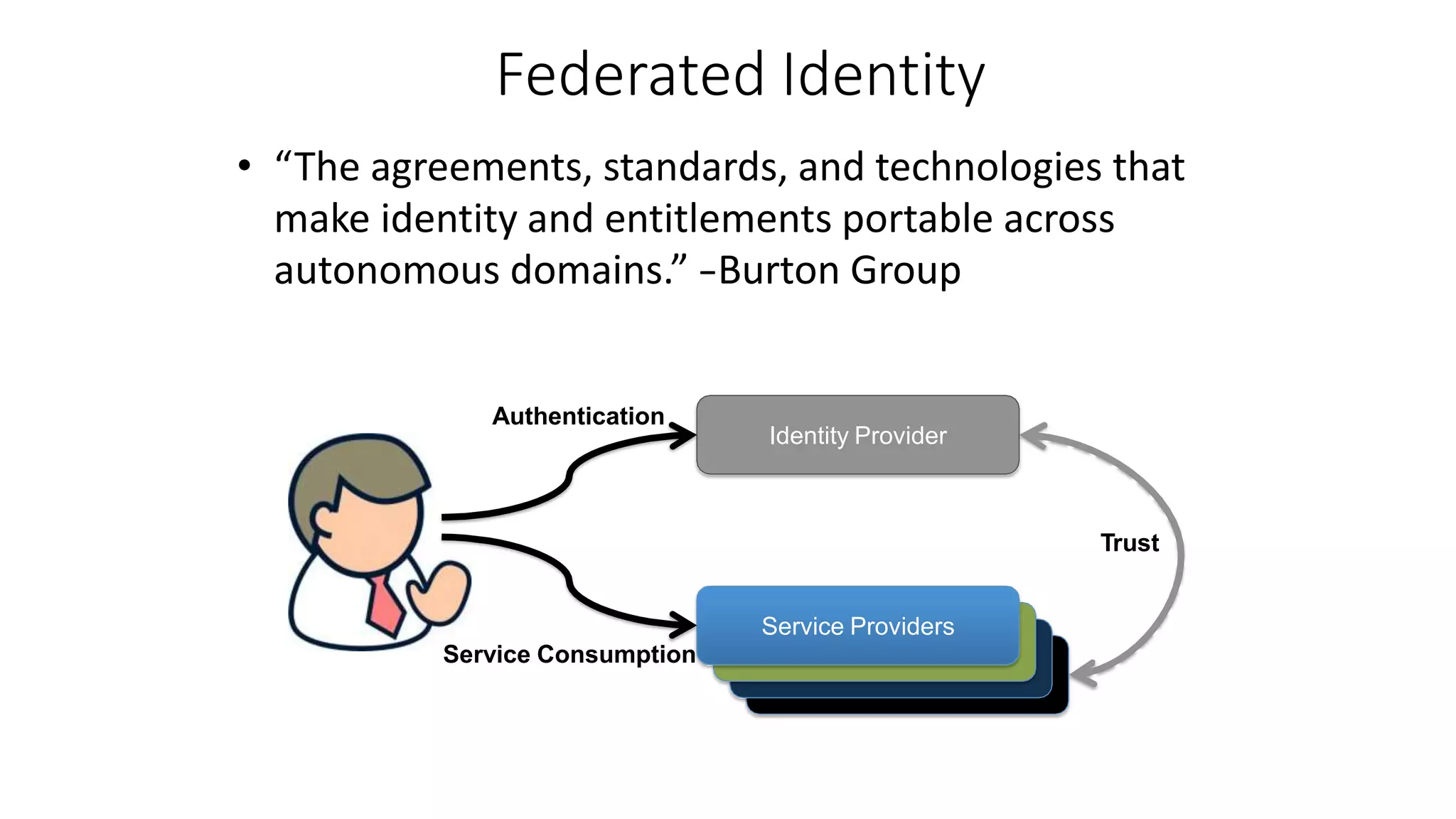
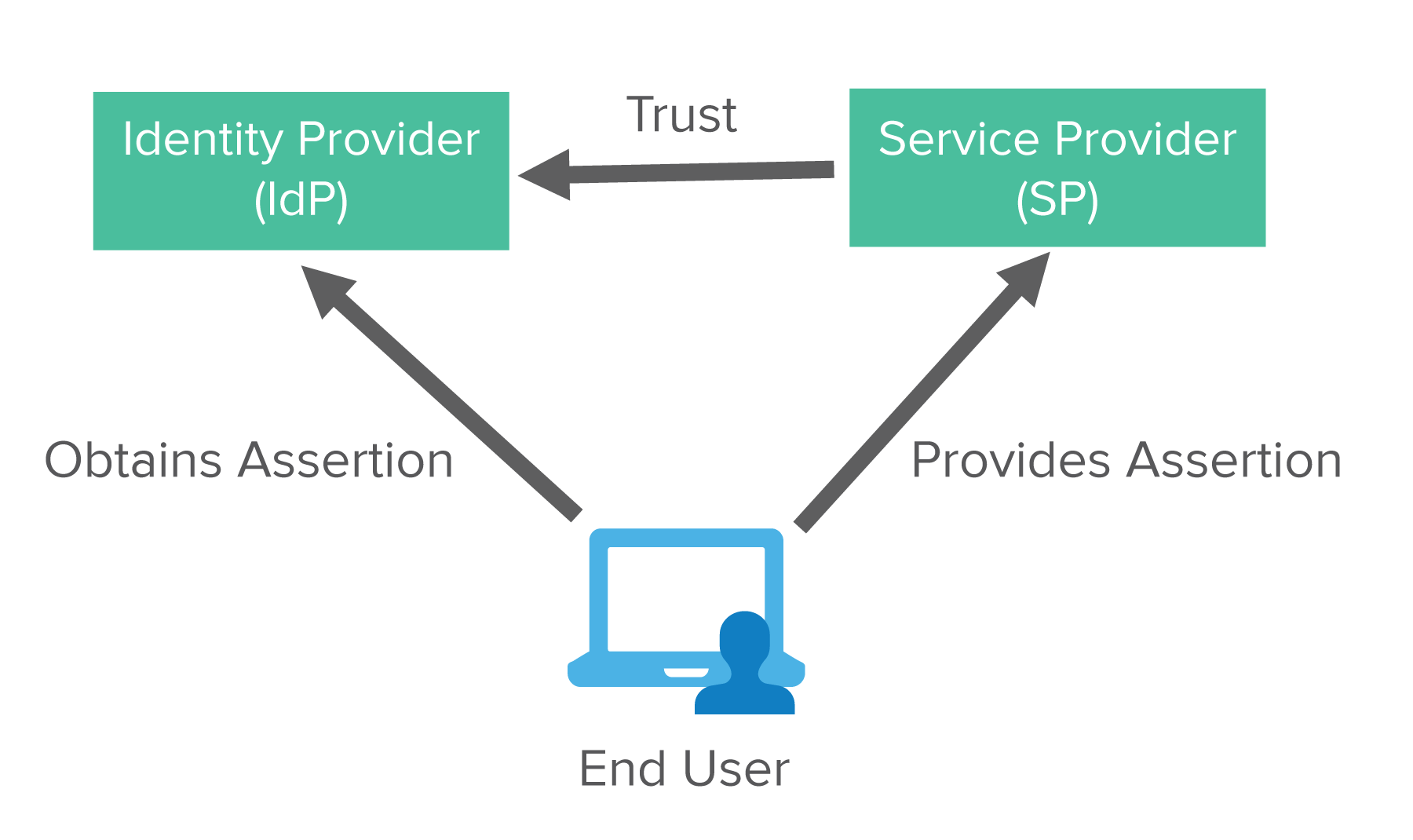
Federated Identity Management (FIM) is built upon the principle of delegated trust. In a traditional siloed environment, every application maintains its own database of usernames, passwords, and permissions. This creates significant friction for users and an enormous administrative burden for IT teams. A federated identity management solution replaces these silos with a standardized framework where one organization (the Identity Provider) vouches for a user’s identity to another (the Service Provider).
The Identity Provider (IdP)
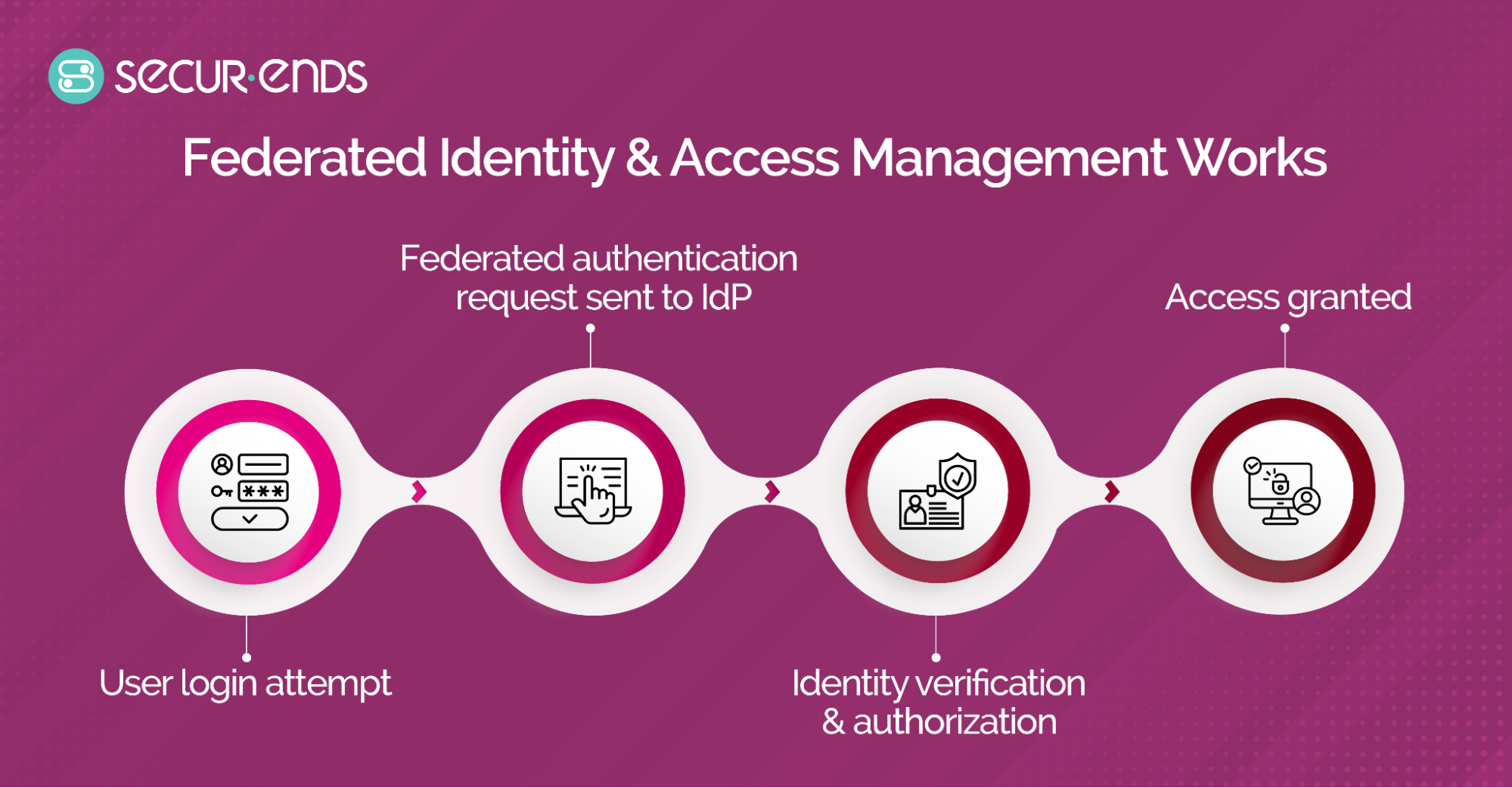
The Identity Provider is the authoritative source that manages the user directory. In 2026, most modern IdPs are cloud-native services that handle the heavy lifting of authentication. When a user attempts to access a resource, the IdP challenges them for credentials—whether that be a biometric scan, a hardware token, or a passwordless passkey. Once the IdP is satisfied, it issues a signed digital token that tells other systems, "This user is who they say they are."
The Service Provider (SP) or Relying Party (RP)
The Service Provider is the application or resource the user wants to access. Instead of asking the user for a password, the SP is configured to trust the tokens issued by the specific IdP. When the SP receives a valid token, it grants access based on the attributes contained within that token. This relationship allows a corporate employee to log into their laptop once and immediately gain access to SaaS tools like Salesforce, Slack, or proprietary internal portals without being prompted again.
The Trust Anchor and Metadata Exchange
The "federation" occurs when the IdP and SP exchange metadata. This metadata contains public keys, certificate information, and endpoint URLs. This exchange ensures that the SP can cryptographically verify that the token it receives actually came from the trusted IdP and has not been tampered with in transit. In a global enterprise, this trust might extend across hundreds of different service providers, all anchored to a single, secure identity source.
Core Protocols Powering Modern Federation
A robust federated identity management solution relies on standardized communication protocols. Without these standards, every integration would require custom coding, making broad-scale federation impossible.
SAML 2.0 (Security Assertion Markup Language)
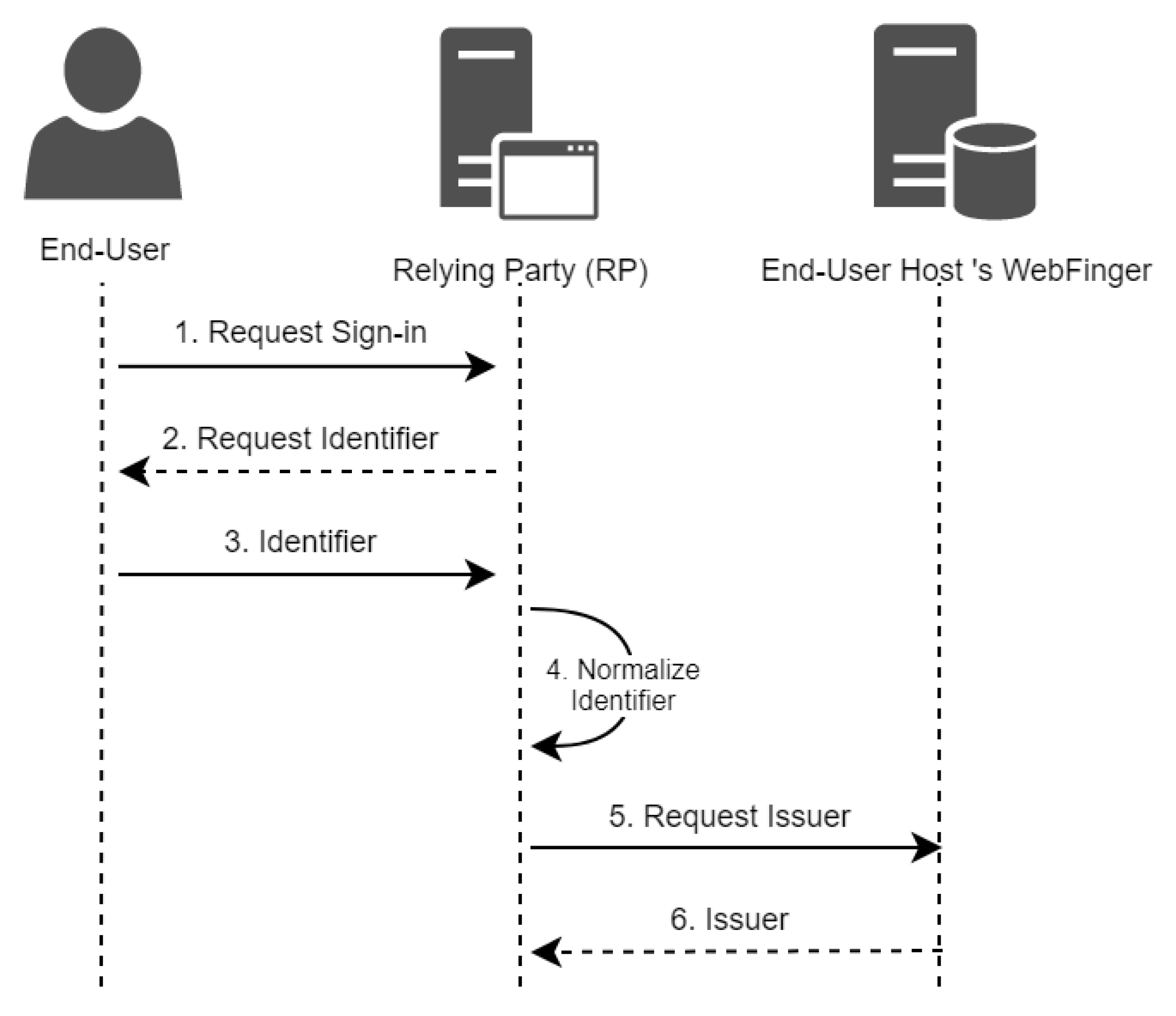
SAML remains the backbone of enterprise-grade federation in 2026. It uses XML-based tokens (assertions) to pass information between the IdP and the SP. SAML is particularly favored in corporate environments because it supports "Service Provider-Initiated" login, meaning a user can go directly to an application URL and be seamlessly redirected to their corporate login page and back again.
OIDC (OpenID Connect)
While SAML is prevalent in the enterprise, OpenID Connect has become the dominant standard for modern web and mobile applications. Built on top of the OAuth 2.0 framework, OIDC uses JSON Web Tokens (JWTs), which are lighter and easier for developers to work with than XML. OIDC is designed with a mobile-first mindset, making it the preferred choice for consumer-facing apps and microservices architectures where performance and low overhead are critical.
OAuth 2.0
It is important to distinguish OAuth 2.0 from OIDC. While OIDC is for authentication (proving who you are), OAuth 2.0 is primarily for authorization (what you are allowed to do). A federated identity management solution often uses both: OIDC to log the user in and OAuth 2.0 to grant the application permission to access specific data, such as a user’s calendar or contact list, on their behalf.
SCIM (System for Cross-domain Identity Management)
Authentication is only half the battle; the other half is provisioning. SCIM is an open standard that automates the exchange of user identity information between IT systems. When a new employee is added to the central HR system, a federated solution using SCIM can automatically create accounts for them across all federated SaaS applications, ensuring they have the tools they need on day one.
Technical and Business Benefits of Federation
The move toward a federated identity management solution is often driven by a combination of security requirements and operational efficiency.
| Benefit Category | Impact of Federated Identity |
|---|---|
| User Experience | Single Sign-On (SSO) eliminates password fatigue and reduces the time spent logging into various systems. |
| Security | Centralizes authentication policies, enabling features like Adaptive MFA (Multi-Factor Authentication) across all apps simultaneously. |
| Administrative Cost | Drastically reduces help desk tickets related to password resets and manual account provisioning. |
| Compliance | Provides a single point of audit for user access, making it easier to demonstrate compliance with GDPR, HIPAA, or SOC2. |
| Risk Mitigation | When an employee leaves, disabling their account at the IdP level instantly revokes access to all federated service providers. |
Enhancing Security Through Centralization
By centralizing the login process, security teams can implement much more sophisticated defenses than would be possible if they had to secure every individual application. In 2026, this typically includes Risk-Based Authentication. If a user logs in from a known corporate device in their home city, they might only need a simple biometric check. However, if that same user attempts to access a sensitive financial system from an unfamiliar IP address at 3:00 AM, the federated solution can trigger additional verification steps or block the attempt entirely.
Cost Reduction and Agility
Every hour an IT administrator spends manually creating accounts in separate systems is an hour of lost productivity. A federated approach allows for "Just-in-Time" (JIT) provisioning. JIT uses the attributes sent in the SAML or OIDC token to create a user account on the fly the first time they log in. This ensures that software licenses are only consumed when they are actually needed, potentially saving organizations thousands of dollars in annual SaaS subscription fees.
Implementation Steps for a Federated Identity Management Solution
Deploying a federated identity management solution is a multi-phase project that requires coordination between IT, security, and business stakeholders.
1. Identity Audit and Cleanup
Before implementing federation, you must ensure your source of truth is accurate. This involves auditing your primary directory (such as Active Directory or a cloud directory) to remove duplicate accounts, update stale attributes, and ensure that every user has a unique identifier (usually a UPN or email address) that can serve as the "anchor" for federation.
2. Selecting the Identity Provider
Choosing an IdP is a long-term strategic decision. Organizations must evaluate vendors based on their support for various protocols, the depth of their pre-built integration catalogs, and their reliability. In 2026, high availability is non-negotiable; if your IdP goes down, your entire workforce is locked out of their tools.
3. Establishing Trust Relationships
For every application you wish to federate, you must perform a "handshake." This involves uploading your IdP's metadata to the Service Provider and vice versa. During this stage, you also define which user attributes (such as name, email, department, or role) will be sent in the token.
4. Policy Configuration
Define your access rules. Who should be allowed to access which applications? Under what conditions should Multi-Factor Authentication (MFA) be required? Modern solutions allow you to set these policies globally or on a per-application basis, providing granular control over sensitive data.
5. Pilot and User Acceptance Testing (UAT)
Never roll out federation to an entire organization at once. Start with a small group of "power users" and a single, low-risk application. Gather feedback on the login flow and ensure that all necessary attributes are being passed correctly before scaling up to mission-critical systems.
Common Challenges and Troubleshooting
Despite the maturity of the technology in 2026, FIM implementations can encounter several common hurdles.
- Attribute Mismatch: The most frequent cause of federation failure is a mismatch between what the IdP sends and what the SP expects. For example, if an SP expects an attribute named
EmailAddressbut the IdP sendsmail, the login will fail. - Certificate Expiration: The trust between an IdP and an SP is maintained through digital certificates. If these certificates expire and are not renewed, the federation will break instantly. Modern solutions offer automated certificate rotation to mitigate this risk.
- Clock Skew: SAML assertions are time-stamped to prevent "replay attacks." If the system clocks of the IdP and SP are out of sync by even a few minutes, the token may be rejected as invalid.
- Legacy App Incompatibility: Not all legacy or on-premises applications support modern protocols like SAML or OIDC. In these cases, organizations may need to use an identity proxy or a "header-based" authentication gateway to bridge the gap.
The Future: Decentralized Identity and FIM
As we move through 2026, the concept of a federated identity management solution is evolving toward Decentralized Identity (DID). While traditional federation relies on a central IdP, decentralized models allow users to carry their own "verifiable credentials" in a digital wallet.
In this model, the organization acts as an "Issuer" of a credential (e.g., an employment badge), and the user presents that credential to various "Verifiers." This reduces the reliance on a single central provider and gives users more control over their personal data. However, for the foreseeable future, traditional enterprise federation will remain the standard for corporate access control due to its centralized management and auditing capabilities.
Frequently Asked Questions
What is the difference between SSO and Federated Identity?
Single Sign-On (SSO) is a feature that allows a user to log in once and access multiple applications within a single organization. Federated Identity is the underlying technology and trust model that enables SSO, especially when those applications are managed by different organizations or reside in different security domains (e.g., connecting your corporate login to a third-party SaaS tool).
Is a federated identity management solution secure enough for sensitive data?
Yes, provided it is implemented correctly. In fact, federation is often more secure than siloed logins because it allows an organization to enforce high-strength authentication (like hardware-based MFA) across all applications simultaneously. It also ensures that when an identity is revoked at the source, all access across the federation is terminated immediately.
Can I federate my on-premises Active Directory with cloud apps?
Absolutely. This is one of the most common use cases for FIM. Tools like Microsoft Entra Connect (formerly Azure AD Connect) or third-party identity bridges can synchronize your on-premises identities to the cloud, allowing your users to use their local Windows credentials to log into cloud services.
How do I handle external partners or contractors?
FIM is ideal for this. Instead of creating guest accounts in your own directory for every contractor, you can "federate" with the contractor's own home organization. They log in using their own company’s credentials, and your system trusts the assertion provided by their IdP. This shifts the burden of identity management and lifecycle (onboarding/offboarding) to the partner organization.
What happens if the Identity Provider (IdP) goes offline?
This is known as a "Single Point of Failure." To prevent this, enterprise-grade IdPs use highly redundant, geographically distributed architectures. Organizations should also have "break-glass" accounts—highly secured, non-federated accounts—that can be used by administrators to access critical systems manually in the event of a total IdP outage.
Recommendation for Next Actions
To successfully deploy or optimize your federated identity management solution, start by mapping your application landscape. Identify which applications support SAML 2.0 or OIDC and prioritize them for integration based on user volume and data sensitivity. If you are still relying on legacy password-based logins for critical SaaS tools, make the transition to federation a high-priority security goal for 2026. Finally, ensure your IT team has a clear process for monitoring certificate health and attribute mapping to maintain the long-term stability of your federation infrastructure.
Image Gallery