How to Choose Auto Insurance with a Good Rental Car Policy: 2026 Guide
A high-quality rental car policy provides sufficient daily limits to cover a vehicle comparable to your own, extends for at least 30 days during repairs, and offers direct billing to the rental agency. It should also include seamless "...
A high-quality rental car policy provides sufficient daily limits to cover a vehicle comparable to your own, extends for at least 30 days during repairs, and offers direct billing to the rental agency. It should also include seamless "transfer of coverage" that applies your existing collision and comprehensive protections to any temporary vehicle you drive for personal use.
Contents
While many drivers assume their standard auto insurance handles everything related to rentals, "rental coverage" actually refers to two distinct protections: Rental Reimbursement (coverage while your car is being repaired) and Rental Car Damage Coverage (coverage for a car you rent for vacation or business). Navigating these options in 2026 requires an understanding of rising rental costs and the logistical complexities of the modern automotive repair industry.
Understanding Rental Reimbursement Coverage
Rental reimbursement is an optional endorsement, not a standard feature of liability or even full-coverage policies. It triggers specifically when your insured vehicle is involved in a covered loss—such as an accident, theft, or fire—and is rendered undriveable or sent to a shop for repairs.
In 2026, the importance of this coverage has grown due to extended repair timelines. Parts shortages and the complexity of modern electric and hybrid vehicle sensors often mean cars spend weeks, rather than days, in the shop. A "good" policy in this category is no longer just about having the coverage; it is about the adequacy of the daily payout.
The Mechanics of Daily and Total Limits
Most insurers structure rental reimbursement with two numbers, such as $40/$1,200. The first number represents the maximum the insurer will pay per day, and the second represents the total maximum for the entire claim.
Historically, $30 per day was the industry standard. However, in the current market, $30 rarely covers more than a subcompact or economy vehicle once taxes and fees are included. A policy is considered "good" if it offers tiers such as $50 or $75 per day, allowing a policyholder to rent a vehicle that actually fits their family or work needs, such as a mid-sized SUV or a minivan.
What Defines a "Good" Rental Car Policy?
When evaluating carriers, looking for the lowest premium often leads to restrictive rental terms. A superior policy is defined by flexibility, high limits, and administrative ease.
1. High Daily Payouts
As of 2026, the average daily rental rate for a standard sedan in the United States often exceeds $45 before taxes. If your policy is capped at $30, you are responsible for the "out-of-pocket" difference every day your car is in the shop. A premium policy will allow you to select limits that reflect the reality of your local rental market.
2. Direct Billing Capabilities
A major pain point in insurance claims is the "reimbursement" model, where the policyholder pays the rental agency upfront and waits weeks for the insurance company to mail a check. A "good" policy features direct billing, where the insurer coordinates directly with agencies like Enterprise, Hertz, or Avis. This ensures the policyholder never sees a bill for the covered portion of the rental.
3. Length of Coverage
Most policies cap rental reimbursement at 30 days. While this was sufficient in previous decades, 2026 repair cycles can occasionally exceed this window. Superior policies may offer "extended repair" riders or allow for higher total caps that can be stretched if the policyholder chooses a cheaper rental car to extend the number of days covered.
Comparing Top Carriers for Rental Coverage
Different insurance companies handle rental endorsements with varying degrees of flexibility. Below is a comparison of how major carriers typically structure their "good" rental car policies.
| Carrier | Typical Daily Limits | Direct Billing | Key Advantage |
|---|---|---|---|
| Progressive | $30 to $60+ | Yes | Easy mobile app integration for booking. |
| State Farm | Percentages (e.g., 80%) | Yes | Often covers 80% of costs with no specific daily dollar cap. |
| Geico | $30 to $50 | Yes | High availability of partner rental locations. |
| USAA | $30 to $100 | Yes | Highest available daily limits for premium tiers. |
| Allstate | Fixed Tiers | Yes | "Rental Upgrade" options for specialized vehicles. |
Note: Limits and availability vary by state and individual underwriting profiles. Always verify current 2026 filings with a licensed agent.
Transfer of Coverage for Travel Rentals
The second aspect of a "good" rental policy is how your existing insurance protects you when you rent a car for vacation or leisure. This is known as the "transfer of coverage."
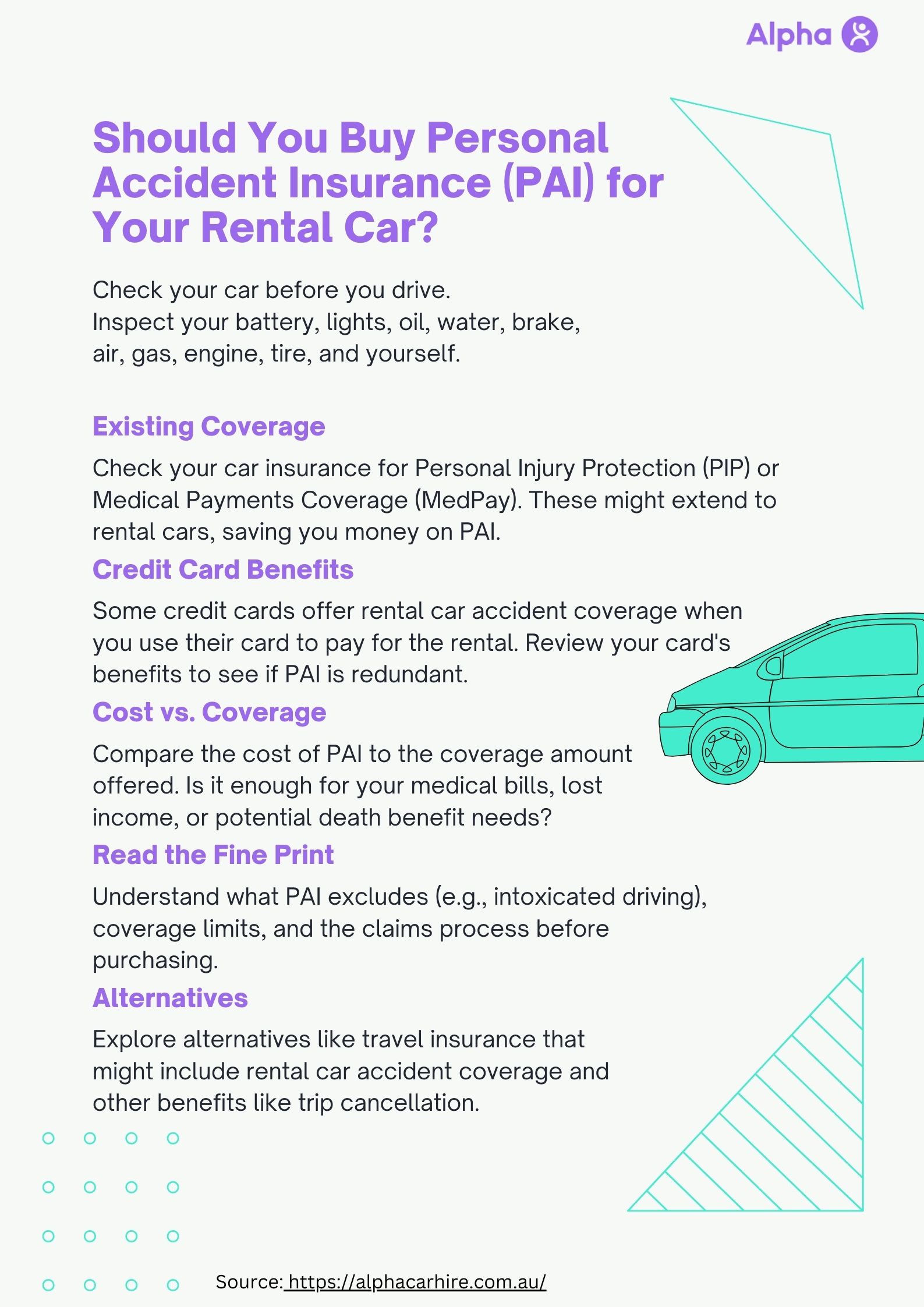
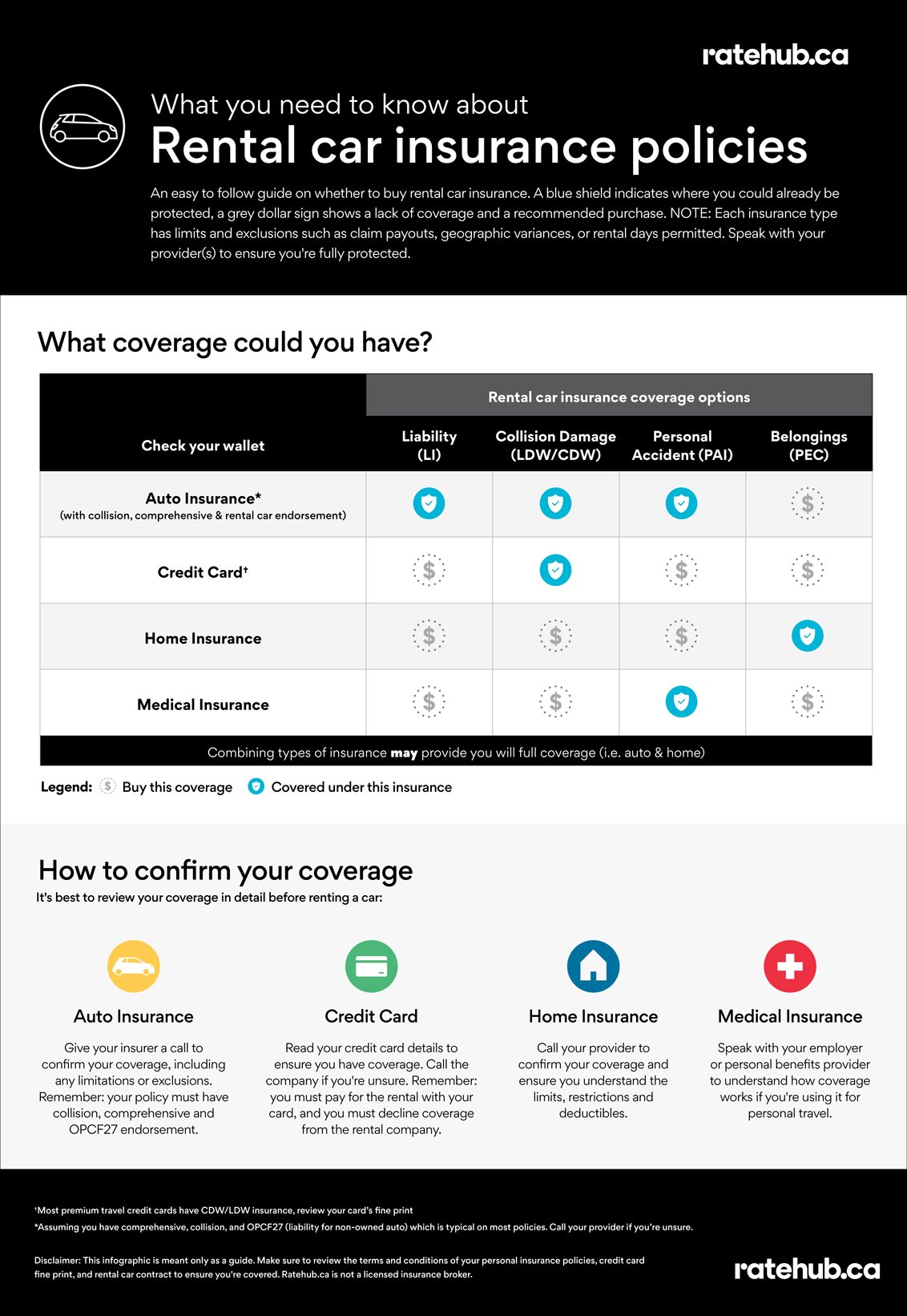
If you carry Collision and Comprehensive coverage on your personal vehicle, that coverage generally extends to a rental car within the United States and Canada. This allows you to decline the expensive Loss Damage Waiver (LDW) or Collision Damage Waiver (CDW) offered at the rental counter, which can cost $20 to $40 per day.
The Limitations of Transfer Coverage
Even with a "good" policy, there are three specific risks your personal auto insurance might not cover at the rental counter:
- Loss of Use: Rental agencies charge for the revenue they lose while the car is in the shop. Many standard personal policies do not cover this fee.
- Diminished Value: The rental agency may claim the car is worth less after being repaired and bill you for the difference in resale value.
- Administrative Fees: Fees for towing and storage of the damaged rental vehicle.
A truly comprehensive policy in 2026 will include "Loss of Use" protection for rentals, or the policyholder should supplement their insurance with a travel-specific credit card that covers these secondary gaps.
Common Mistakes When Selecting Rental Coverage
Many consumers realize their rental coverage is inadequate only after an accident has occurred. Avoiding these common pitfalls ensures you are not left stranded or facing unexpected bills.
- Matching the Vehicle Class: If you drive a large SUV because you have four children, a $30/day limit will force you into a compact car during repairs. Ensure your daily limit matches the cost of renting your current vehicle class.
- Ignoring the Deductible: Remember that if you use your transfer coverage for a vacation rental and have an accident, you still have to pay your personal policy's deductible (e.g., $500 or $1,000).
- Assuming International Coverage: Most U.S. auto policies do not extend to rentals in Europe, Mexico, or Asia. A "good" domestic policy is rarely a substitute for international rental insurance.
- Relying Solely on Credit Cards: While many credit cards offer "primary" or "secondary" rental insurance, they rarely provide Liability coverage. You still need your personal auto policy or the rental agency’s liability supplement to cover damages to other people or their property.
How to Verify Your Current Policy
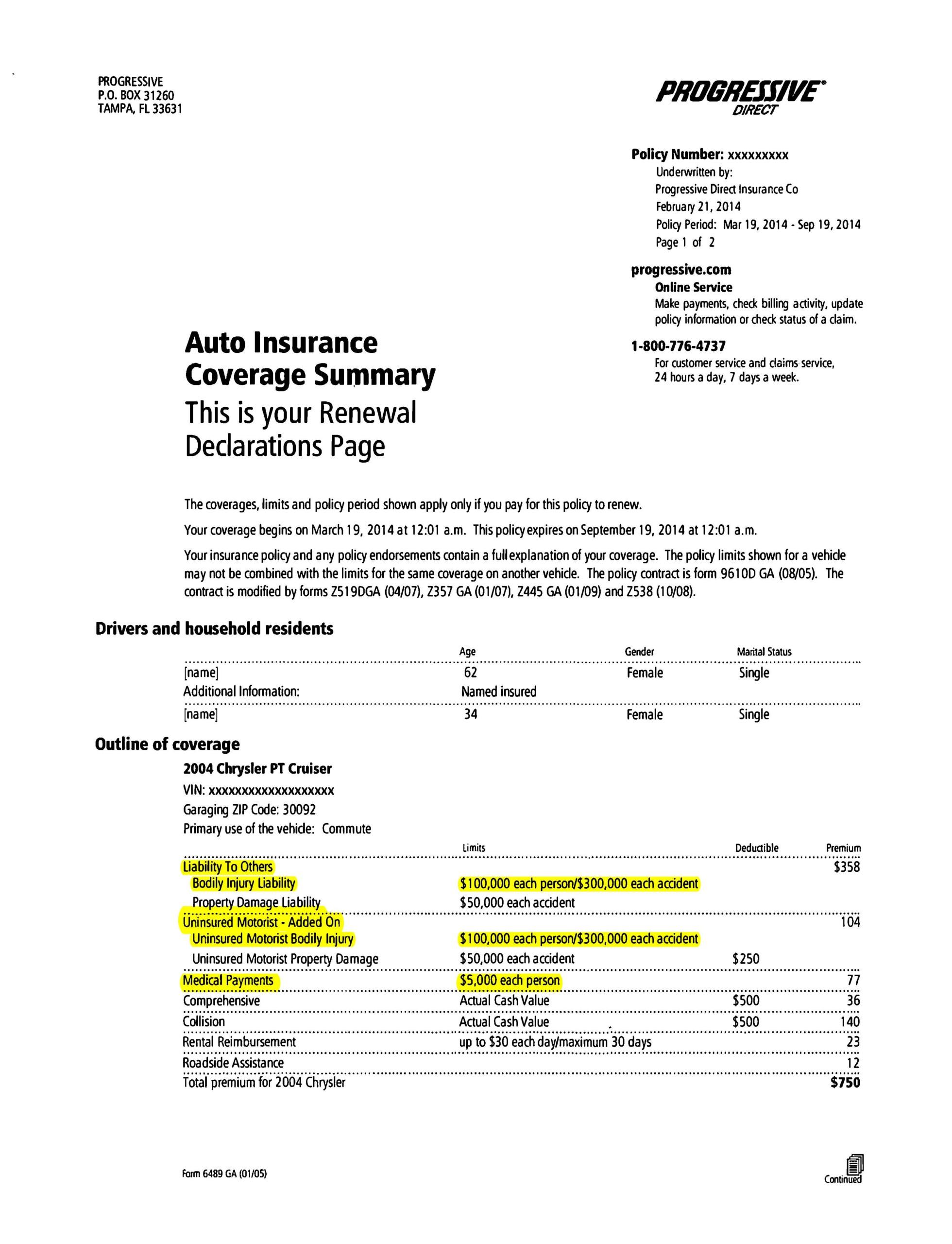
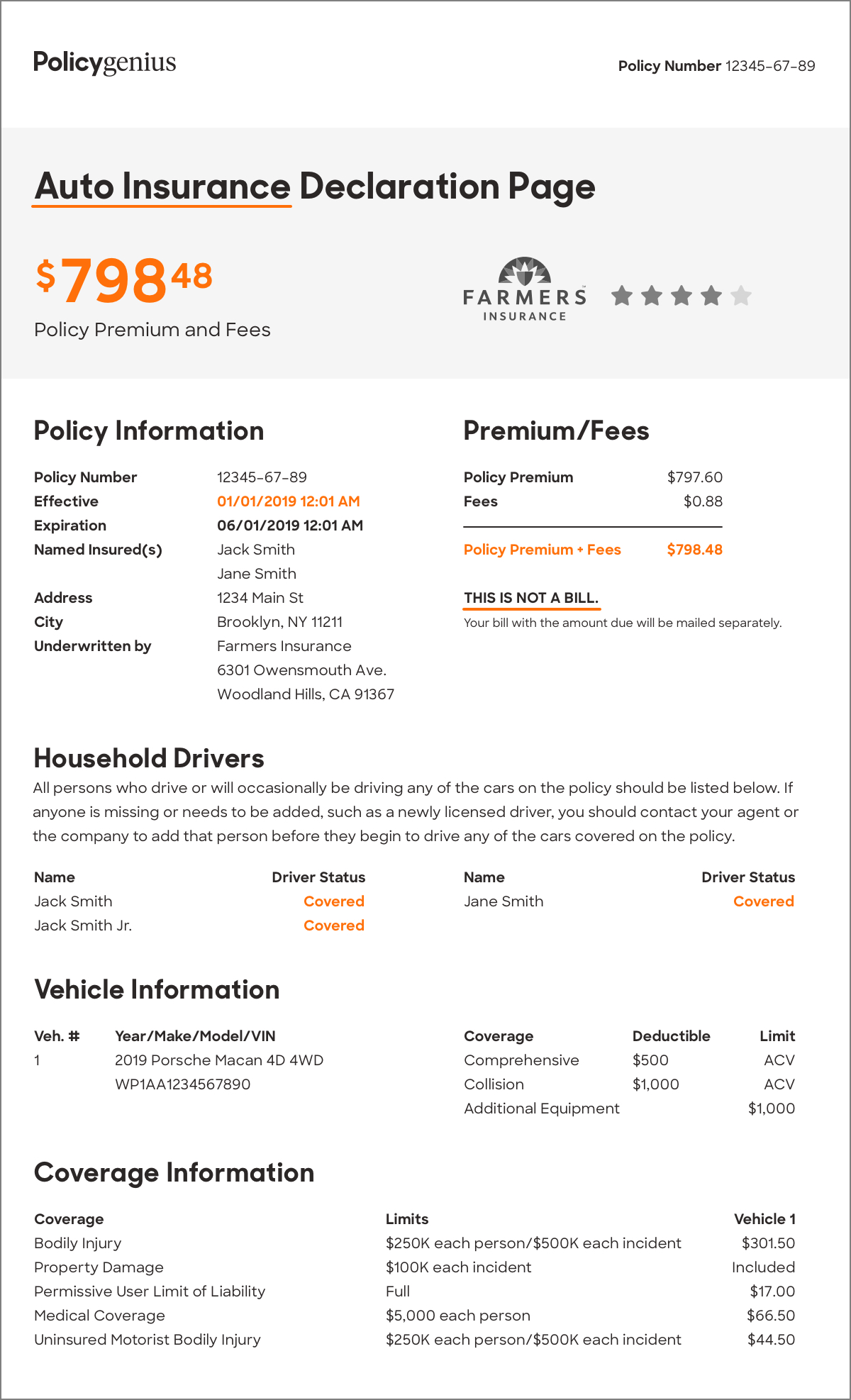
To determine if you currently have a "good" rental car policy, you should review your Declarations Page. Look for the "Rental Reimbursement" or "Transportation Expenses" section.
If you see $25/day, you are likely underinsured for 2026 costs. Contact your agent to increase this limit; the cost to move from $30/day to $50/day is typically less than $20 per year. For travel rentals, call your insurer and ask specifically: "Does my policy cover 'Loss of Use' and 'Diminished Value' for a rental vehicle?" If the answer is no, you may want to look into an insurance carrier that offers a more robust "Gold" or "Platinum" endorsement package.
The National Association of Insurance Commissioners (NAIC) provides resources to help consumers understand these endorsements and how they are regulated at the state level. Additionally, checking safety ratings and vehicle classifications through the Insurance Institute for Highway Safety (IIHS) can help you determine the appropriate rental class you would need in an emergency.
Final Recommendation
For most drivers in 2026, a "good" rental car policy should include at least $50 per day in reimbursement limits and clear language confirming that Collision and Comprehensive coverage transfers to temporary rentals. Given the volatility of the automotive supply chain and the rising cost of labor, the small increase in premium for higher rental limits is one of the most cost-effective upgrades you can make to your insurance portfolio. Before your next trip or before an accident happens, verify your limits and ensure your policy includes direct billing to avoid significant out-of-pocket expenses.
FAQ
Does my insurance cover a rental car if I'm on vacation? Yes, if you have comprehensive and collision coverage on your own policy, it generally transfers to a rental car within the U.S. and Canada. However, it does not typically cover "Loss of Use" fees charged by the rental company if the car is damaged, and you will still be responsible for your policy's deductible.
Is rental reimbursement coverage worth the extra cost? For most drivers, yes. The endorsement usually costs between $2 and $10 per month. Considering that a week-long rental during a repair can cost over $400, the coverage pays for itself even if you only use it once every few years.
What happens if my car repairs take longer than my 30-day rental limit? Once you hit the 30-day limit (or your total dollar cap), you are responsible for the full cost of the rental car. In 2026, where parts delays are common, it is wise to ask your mechanic for a realistic timeline early and potentially choose a smaller, cheaper rental car to make your total coverage limit last longer.
Does a "good" rental policy cover luxury car rentals? Standard rental reimbursement is intended to provide "basic transportation." If you want to rent a luxury vehicle while your car is repaired, you will need to select the highest available tier of coverage (often $75 or $100 per day). Even then, if the luxury rental exceeds the daily limit, you must pay the difference.
Image Gallery