Mold Remediation in Benjamin: Professional Removal, Prevention, and Restoration Guide
Professional mold remediation in Benjamin requires a systematic approach to identify hidden moisture sources, contain airborne fungal spores, safely remove contaminated structural materials, and restore healthy indoor air quality. Foll...
Professional mold remediation in Benjamin requires a systematic approach to identify hidden moisture sources, contain airborne fungal spores, safely remove contaminated structural materials, and restore healthy indoor air quality. Following established industry standards, certified specialists use specialized equipment such as High-Efficiency Particulate Air (HEPA) scrubbers and negative air pressure containment to eliminate mold hazards and prevent cross-contamination across residential and commercial properties.
Contents
Understanding Indoor Mold Risks in Benjamin Properties
Mold growth inside residential and commercial structures is never an isolated issue; it is a direct symptom of unmanaged moisture intrusion. In communities like Benjamin, indoor fungal growth frequently stems from plumbing leaks, roof failures, high indoor humidity levels, delayed flood cleanup, or poor basement and crawlspace ventilation. When organic building materials—such as drywall, cellulose insulation, carpet backing, subflooring, and wooden framing—remain damp for more than 24 to 48 hours, microscopic mold spores naturally present in ambient air settle and begin colonizing.
Understanding the specific mechanics of mold growth helps property owners identify vulnerable structural zones before extensive damage occurs. Mold reproduces by releasing microscopic spores into the air. These spores require three primary elements to proliferate: oxygen, a organic carbon food source (cellulose-based materials), and moisture. Because oxygen and organic building materials are abundant in modern construction, controlling moisture is the single most critical factor in controlling fungal amplification.
Beyond structural degradation, persistent indoor mold growth poses serious indoor air quality risks. Active mold colonies release volatile organic compounds (VOCs), mycotoxins, and allergens into the air. Occupants exposed to elevated indoor spore counts often report respiratory irritation, persistent coughing, sinus congestion, eye irritation, skin rashes, and exacerbated asthma symptoms. Susceptible individuals, including children, the elderly, and immunocompromised residents, face heightened health risks when living in spaces with active fungal contamination.
- Moisture Intrusion (Leaks/Humidity)
- Organic Substrate (Drywall/Wood)
- 24–48 Hours
- Active Mold Amplification
The Professional Mold Remediation Process
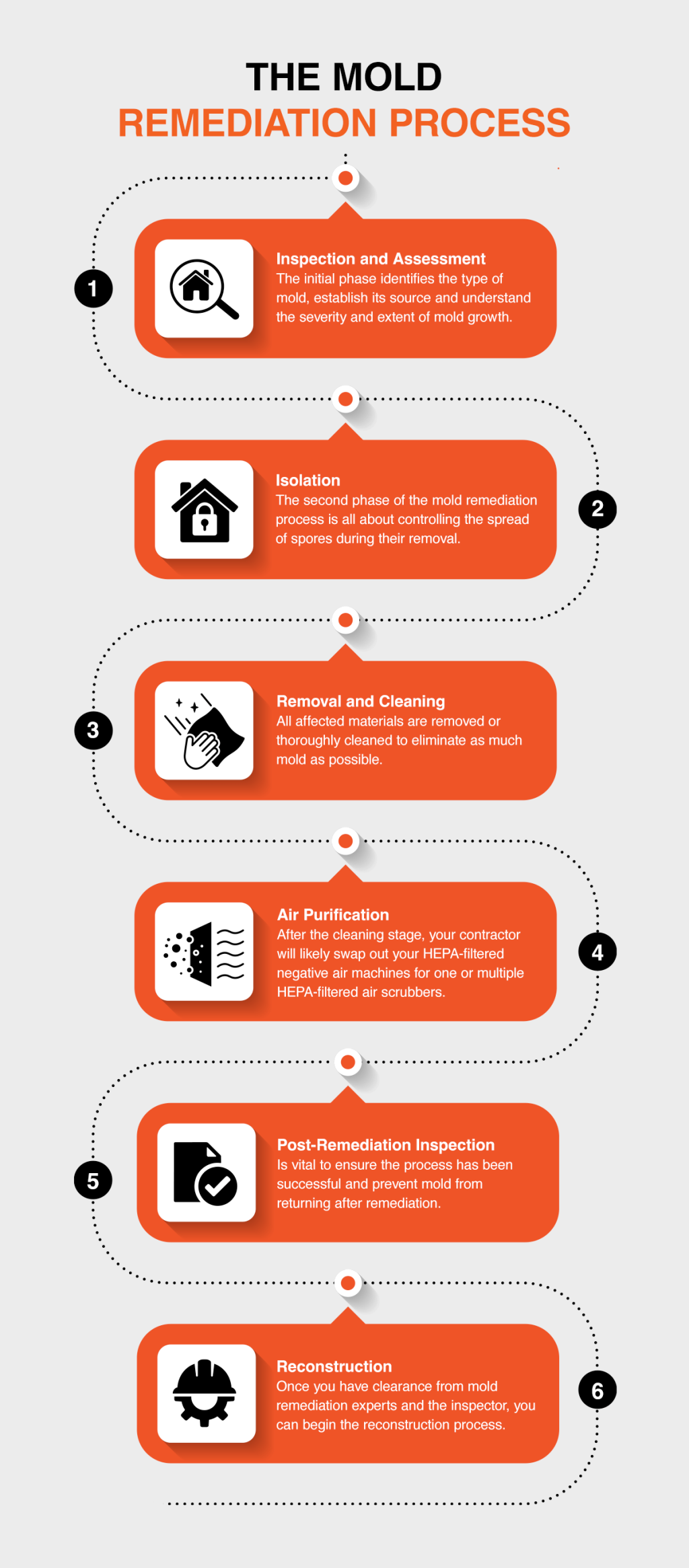
Remediating mold effectively involves far more than scrubbing visible surfaces with household bleach. Surface treatments fail to address root structures (hyphae and mycelium) embedded within porous materials and often add unnecessary moisture to the substrate. Certified remediation professionals execute a standardized multi-step process designed to eliminate existing colonies, manage airborne spores, and ensure long-term structural integrity.
- Inspection & Testing
- Containment Isolation
- HEPA Air Scrubbing
- Material Removal
- Antimicrobial Cleaning
- Clearance & Restoration
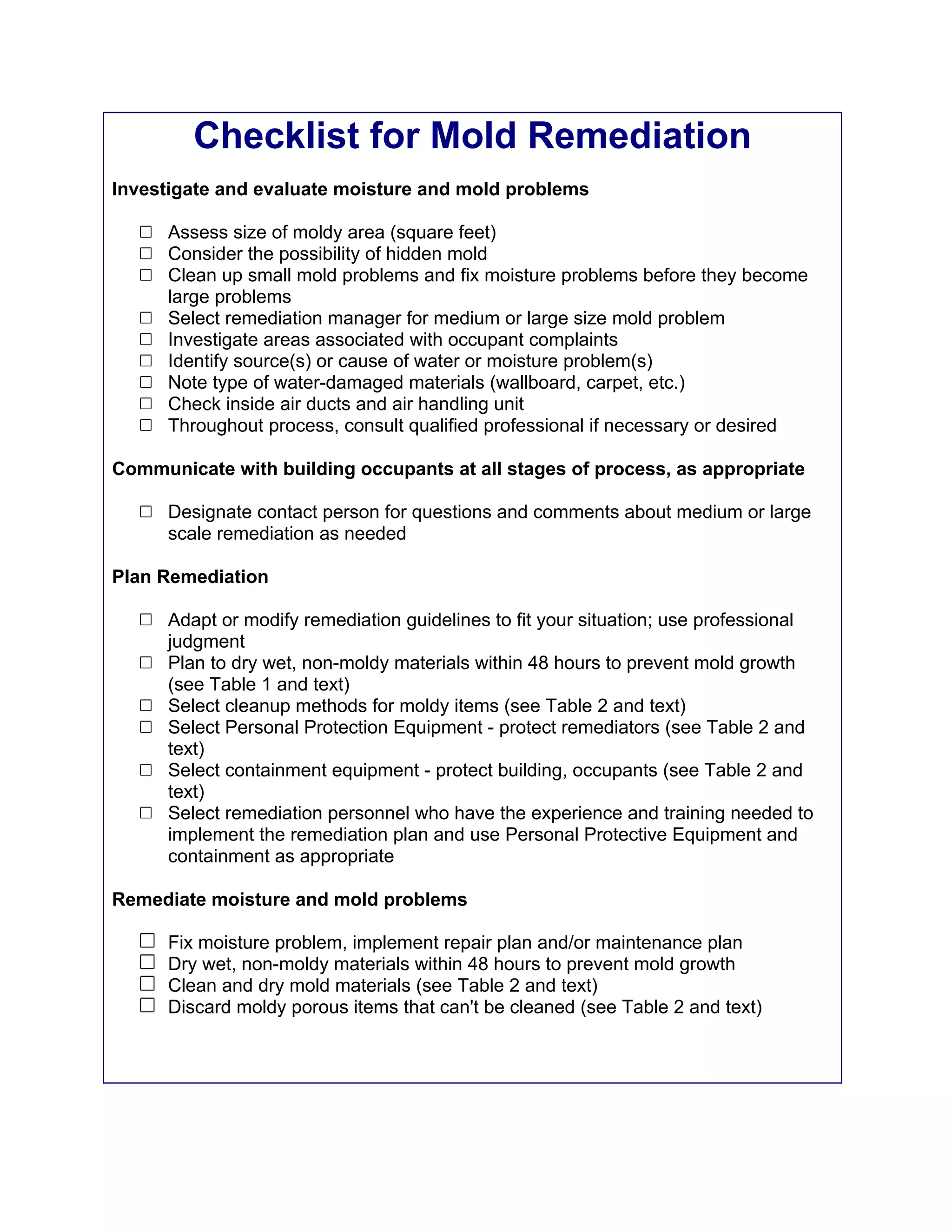
1. Comprehensive Inspection and Moisture Mapping
The remediation process begins with an in-depth environmental assessment. Certified technicians conduct thorough visual inspections alongside non-invasive moisture mapping using calibrated pinless and pin-type moisture meters, thermal imaging (infrared) cameras, and thermo-hygrometers. This technology pinpoints hidden water leaks behind walls, beneath subflooring, and inside ceiling cavities. Air and surface sampling (such as tape lifts or swab samples) may be performed and analyzed by an accredited third-party laboratory to determine spore concentrations and identify predominant fungal species.
2. Engineering Controls and Containment Isolation
Before disturbing any contaminated materials, remediation teams establish physical containment zones to isolate the affected area from clean living or working spaces.
- Critical Barriers: Heavy-duty, 6-mil flame-retardant polyethylene sheeting is sealed over doorways, HVAC vents, windows, and open passages using durable painter's tape and zip-wall pole systems.
- Negative Air Pressure: Specialized air scrubbing units equipped with HEPA filtration are installed inside the containment zone and vented outdoors or into an isolated filtration stream. This maintains continuous negative pressure, ensuring air flows into the work zone and preventing loose spores from migrating into unaffected areas of the property.
3. Personal Protective Equipment (PPE) Protocols
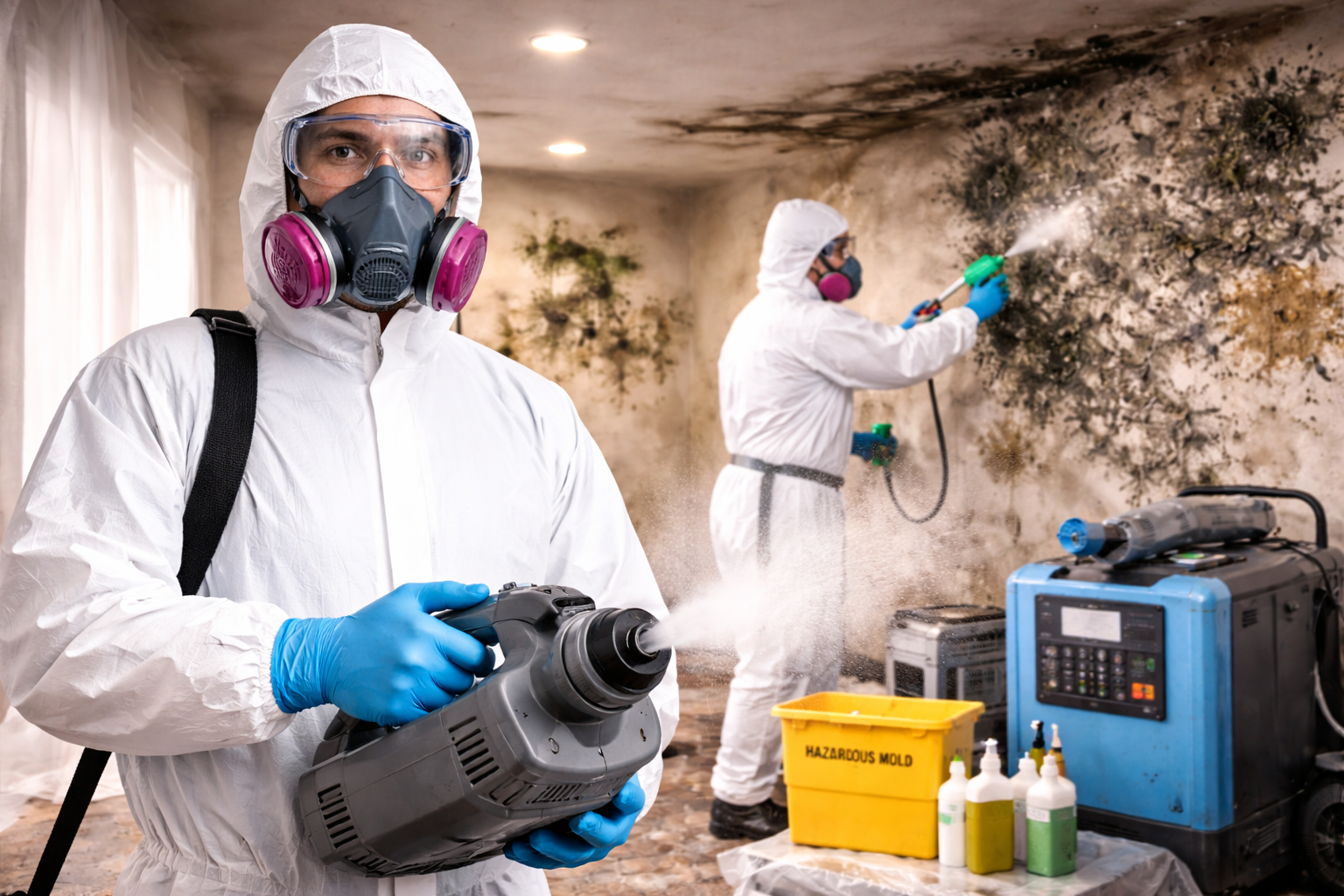
Remediation technicians operate under strict safety guidelines. Standard PPE worn during active cleanup includes:
- Respirators: N-95, half-face, or full-face respirators equipped with P100 HEPA filters to protect workers from inhaling concentrated airborne spores and mycotoxins.
- Protective Clothing: Disposable full-body protective suits (such as Tyvek) with elastic wrists and ankles.
- Hand and Eye Protection: Heavy-duty nitrile or butyl rubber gloves and sealed safety goggles.
4. Controlled Demolition and Material Removal
Porous building materials that have sustained extensive fungal penetration—such as water-damaged drywall, acoustic ceiling tiles, fiberglass insulation, and padded carpeting—cannot be completely sanitized. These materials are carefully cut out, double-bagged in 6-mil poly trash bags within the containment zone, wiped clean on the exterior of the bag, and disposed of according to local environmental regulations.
5. Surface Cleaning and Antimicrobial Application
Non-porous materials (glass, metal, hard plastics) and semi-porous structural elements (solid wood framing, concrete block) are remediated using direct mechanical cleaning:
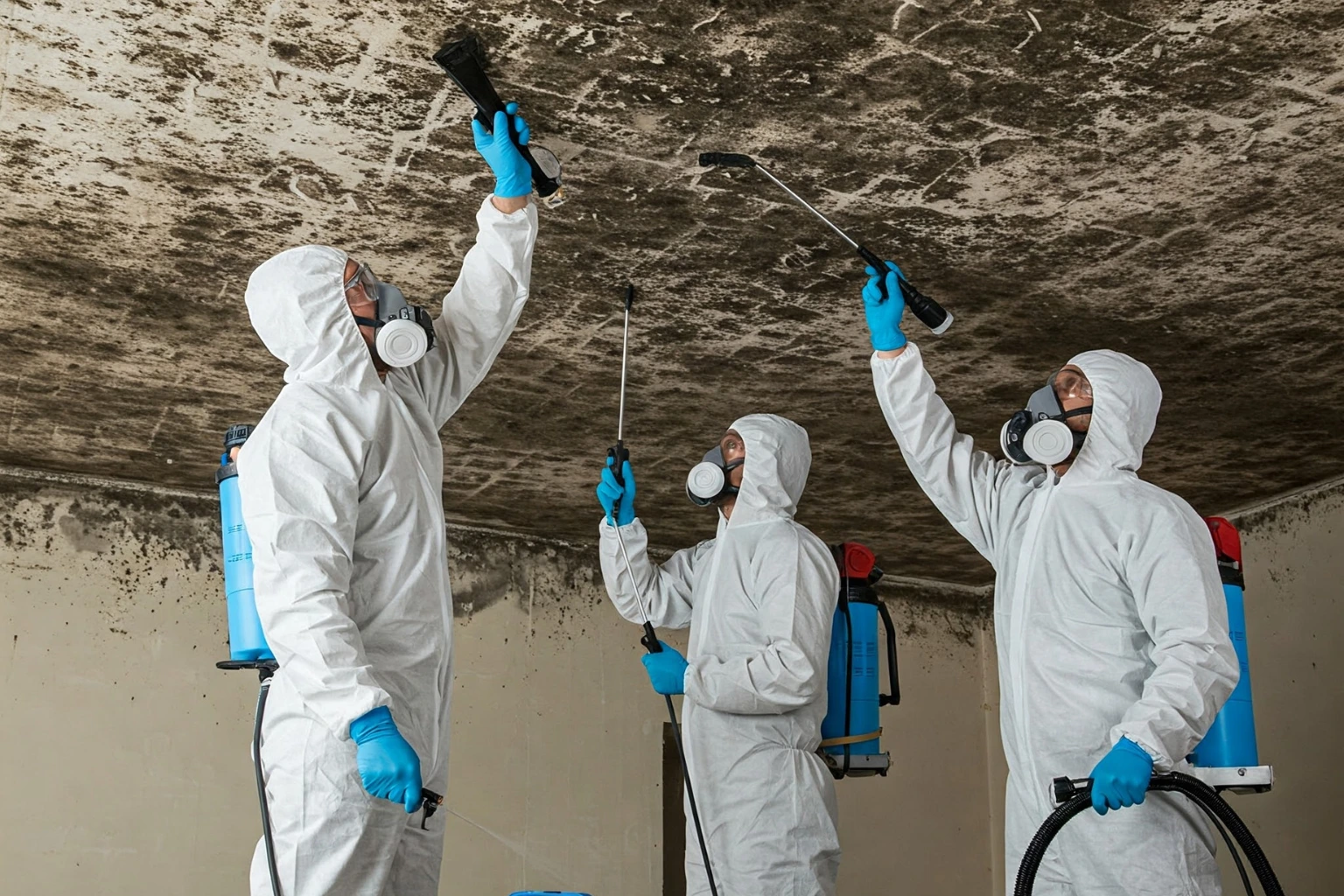
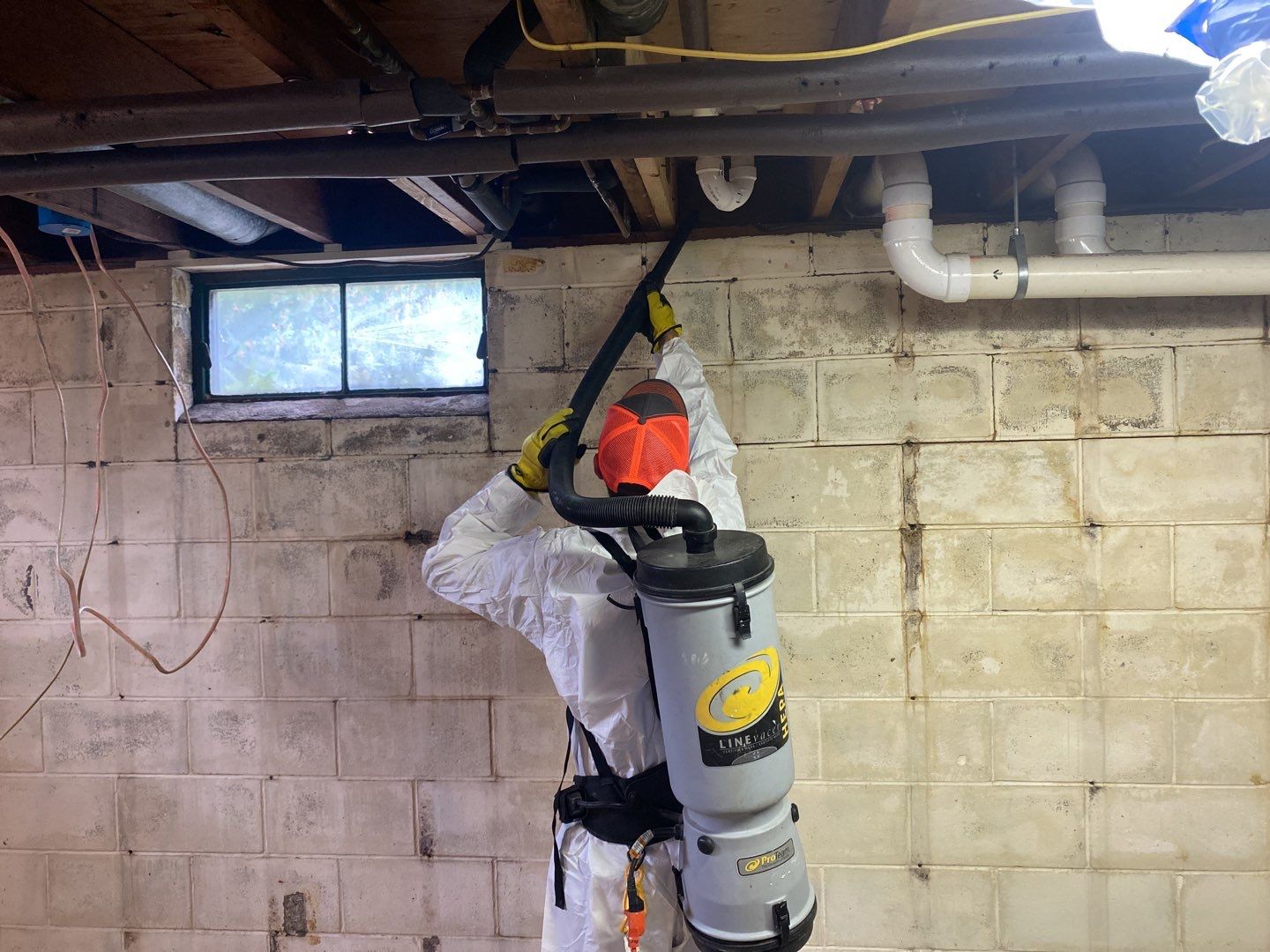
- HEPA Vacuuming: Surfaces are thoroughly vacuumed using commercial HEPA units capable of trapping particles down to 0.3 microns with 99.97% efficiency.
- Damp Wiping: Surfaces are scrubbed using EPA-registered antimicrobial, fungicidal, and disinfectant solutions engineered to neutralize fungal structures.
- Abrasive Cleaning: Wood framing with deep surface growth may undergo wire brushing, sanding, or media blasting (such as dry-ice blasting) to expose clean wood.
6. Structural Drying and Dehumidification
Removing visible mold is ineffective if structural framing remains damp. Industrial LGR (Low Grain Refrigerant) dehumidifiers and high-velocity axial air movers are deployed within the contained environment. Technicians monitor relative humidity levels and structural moisture content until all wood framing achieves an equilibrium moisture content (EMC) below 15%—the standard threshold required to prevent secondary fungal growth.
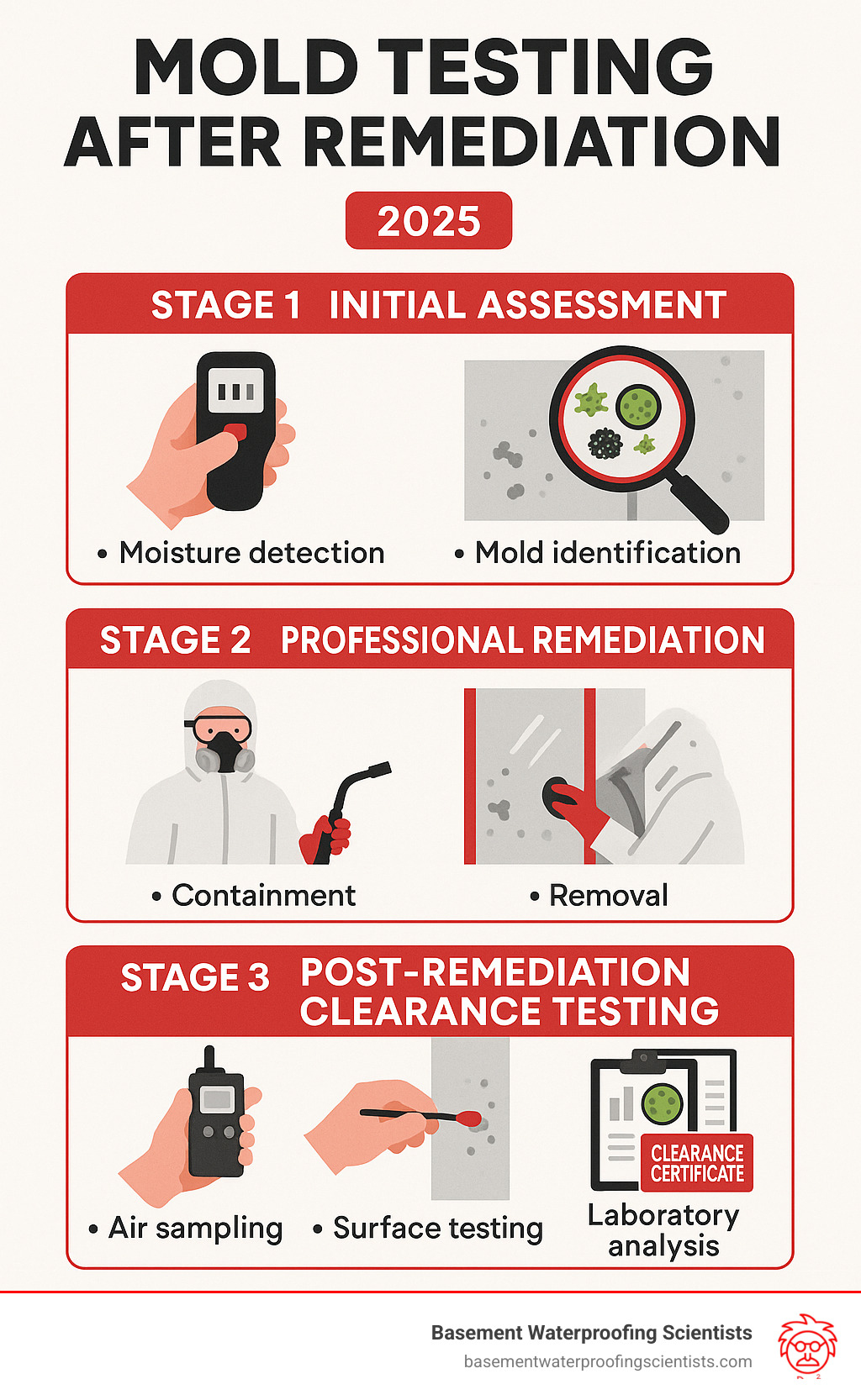
7. Post-Remediation Verification (PRV) and Clearance
Once cleaning and drying are complete, an independent environmental professional or third-party inspector performs post-remediation verification (PRV). This clearance process includes a visual evaluation to confirm the absence of dust, debris, and visible mold, along with follow-up air sampling. Spore count levels inside the remediation zone must be comparable to or lower than outdoor background air samples before containment barriers are safely dismantled.
Industry Standards: IICRC S520 Guidelines
Professional mold remediation relies on standardized industry frameworks rather than ad-hoc methods. The definitive guideline for the industry is the ANSI/IICRC S520 Standard for Professional Mold Remediation, published by the Institute of Inspection, Cleaning and Restoration Certification.
The S520 standard categorizes mold contamination into three distinct conditions to dictate appropriate remediation protocols:
- Condition 1 (Normal Unaffected): An indoor environment with normal background levels of fungal spores and settleable dust, free from active indoor growth or unusual moisture accumulation.
- Condition 2 (Settled Spores): An indoor area that has been exposed to airborne mold spores originating from active growth nearby, resulting in settled spores on surfaces without active growth on the substrate itself.
- Condition 3 (Actual Fungal Growth): An area with active fungal growth present on building substrates, accompanied by high concentrations of spores and hyphal fragments.
Under IICRC S520 standards, proper remediation requires technicians to achieve Condition 1 status upon project completion. The standard explicitly warns against using fogging agents, ozone generators, or encapsulated coatings as standalone replacements for the physical removal of fungal contamination. Masking mold with paint or relying strictly on chemical sprays leaves dormant spores and allergenic proteins intact, allowing growth to recur as soon as moisture levels rise.
Mold Remediation Cost Factors and Comparison Matrix
The total cost of mold remediation in Benjamin depends on the extent of moisture damage, the square footage of the affected zone, accessibility, and whether structural rebuilding is required. Minor remediation confined to a small utility closet costs significantly less than whole-house containment and subfloor restoration following a major pipe burst.
Key Factors Influencing Remediation Costs
- Size of Contaminated Area: Remediation is categorized by square footage; larger containment zones require more air scrubbers, labor hours, and disposal capacity.
- Location and Accessibility: Work performed in tight crawlspaces, steep attic knee-walls, or HVAC ductwork demands specialized equipment and additional labor compared to open living rooms.
- Porous Material Replacement: The cost of tearing out and rebuilding structural elements (drywall, hardwood flooring, custom cabinetry) often exceeds the cost of physical mold cleaning.
- Source of Water Damage: Clean water leaks (such as supply line breaks) are less hazardous to clean than gray water (washing machine overflows) or black water (sewage backups), which require extensive biohazard protocols.
| Remediation Category | Scope & Affected Area | Typical Industry Services Included | Estimated Cost Range (USD) |
|---|---|---|---|
| Minor Surface Remediation | Under 10 sq. ft. (e.g., small bathroom vanity leak) | HEPA vacuuming, damp wiping, localized containment, spot antimicrobial application | $500 – $1,200 |
| Moderate Contamination | 10 to 100 sq. ft. (e.g., isolated room wall/ceiling) | Full 6-mil poly containment, HEPA air scrubbing, drywall removal, structural drying | $1,500 – $3,500 |
| Extensive Structural Damage | Over 100 sq. ft. (e.g., flooded basement, widespread HVAC growth) | Multi-room negative air containment, extensive demolition, structural drying, subfloor treatment | $3,500 – $8,000+ |
| Crawlspace / Attic Remediation | Whole crawlspace or roof deck | Sub-deck media blasting, vapor barrier replacement, insulation disposal, structural drying | $2,500 – $6,500 |
| HVAC Ductwork Remediation | Complete forced-air duct system | System isolation, HEPA vacuuming of duct trunks, coil cleaning, anti-fungal fogging | $1,000 – $2,500 |
Navigating Insurance Claims for Mold Remediation
Determining whether homeowners insurance covers mold remediation requires a clear understanding of policy language, covered perils, and exclusion clauses. Standard property insurance policies do not treat mold damage as an independent covered peril; coverage depends on the underlying cause of the moisture intrusion.
- Property Policy
- Covers: Sudden & Accidental Leaks (e.g., Pipe Burst)
- Excludes: Neglect, Maintenance Failure, Surface Flooding
Covered Perils vs. Excluded Perils
- Covered Scenarios: Insurance generally covers mold remediation if the growth resulted directly from a "sudden and accidental" water discharge covered by the policy. Examples include an abrupt washing machine hose burst, a frozen pipe explosion, or water entering a building following windstorm roof damage.
- Excluded Scenarios: Claims are typically denied if mold growth results from long-term deferred maintenance, unaddressed continuous leaks, high indoor humidity caused by lack of ventilation, or surface flooding (unless the owner maintains a separate flood insurance policy through the National Flood Insurance Program).
Policy Endorsements and Coverage Limits
Many insurance carriers attach mold riders or policy caps to standard home insurance policies. These endorsements limit total payout for mold testing, remediation, and related structural repairs to specific caps—often ranging between $5,000 and $10,000—regardless of actual loss severity. Property owners should review their policy declaration pages annually to confirm their specific coverage limits.
Step-by-Step Claim Procedures
- Document the Damage: Take detailed photos and videos of the affected area, moisture source, and structural damage before moving any items.
- Mitigate Further Loss: Take immediate temporary measures to stop active water leaks (such as shutting off main water valves or placing tarps over roof damages). Insurance policies require property owners to prevent secondary damage.
- Notify the Insurer: Contact the insurance provider promptly to report the loss and file a claim.
- Hire Certified Professionals: Engage an independent, certified mold inspector to conduct pre-remediation testing and document initial conditions. Avoid using remediation contractors who handle their own clearance testing to prevent conflicts of interest.
- Maintain Records: Keep all receipts, professional inspection reports, lab results, and written estimates organized for submission to the insurance adjuster.
Preventing Mold Recurrence in Benjamin Properties
Remediating existing mold is only half the battle; long-term protection requires ongoing moisture management and environmental control throughout the building envelope.
- Relative Humidity Maintained Below 50%
- Building Envelope Protection
- Roof & Flashing Repairs
- Foundation Grading (1"/ft)
- Vapor Barriers (6-mil)
- HVAC & Mechanical Control
- Sized AC Systems
- Dedicated Dehumidifiers
- Bathroom/Kitchen Exhausts
- Building Envelope Protection
Indoor Relative Humidity Control
Maintaining indoor relative humidity (RH) between 30% and 50% effectively stops mold spores from germinating. Property owners can monitor indoor conditions using low-cost digital hygrometers.
- Air Conditioning: Ensure central AC units are sized correctly. Oversized units cool spaces quickly without running long enough to pull moisture from the air, leaving high indoor humidity behind.
- Whole-House Dehumidifiers: In humid seasons or high-moisture structures, installing a dedicated whole-house dehumidifier integrated into the central HVAC system ensures continuous moisture removal.
Building Envelope Integrity
Preventing liquid water from penetrating foundation walls and roofing assemblies protects structural components from hidden decay.
- Gutters and Downspouts: Clean rain gutters regularly and extend downspout discharge pipes at least 5 to 6 feet away from the foundation wall.
- Foundation Grading: Ensure exterior soil slopes downward away from the building foundation at a slope of at least 6 inches over the first 6 feet (1 inch per foot).
- Crawlspace Encapsulation: Unvented or damp crawlspaces should be equipped with continuous 6-mil or 12-mil poly vapor barriers covering all exposed soil, along with sealed foundation vents and continuous dehumidification.
Ventilation Upgrades in High-Moisture Areas
Bathrooms, kitchens, and laundry rooms generate substantial steam and humidity during daily usage.
- Exhaust Fans: Install ducted exhaust fans in every bathroom and kitchen hood. Fans must vent directly outdoors, never into an attic or soffit space where moist air can condense on roof rafters.
- Run Timers: Utilize delayed shut-off timers on bathroom ventilation fans to keep exhaust systems running for 20 minutes after showers conclude, fully purging moisture from the room.
Frequently Asked Questions
Can household bleach completely eliminate structural mold?
No, bleach is not recommended for remediating mold on porous building materials like drywall, wood, or concrete. Chlorine bleach contains approximately 90% water; its large ionic structure prevents chlorine molecules from penetrating deep into porous substrates. The active chlorine remains on the surface while water sinks into the material, feeding deep hyphal root structures and causing mold to return quickly.
How quickly does mold start growing after a water leak?
Under ideal temperature and humidity conditions, mold spores can germinate and begin forming visible colonies within 24 to 48 hours after a water intrusion event. Prompt water extraction, dehumidification, and structural drying within this initial window are essential to prevent secondary mold growth.
Is it safe to remain inside a home during mold remediation?
Occupancy safety depends on the location and scale of the remediation project. For minor containment projects confined to an isolated room with proper negative air pressure, residents can often stay in unaffected areas of the home. However, if remediation involves main living spaces, extensive structural demolition, HVAC ductwork, or high concentrations of toxic mold species (such as Stachybotrys chartarum), temporary relocation is recommended to protect health.
What is the difference between mold removal and mold remediation?
Complete mold "removal" is a technical misnomer because microscopic mold spores exist naturally in all ambient outdoor and indoor air. Professional services perform mold remediation, which involves returning elevated, harmful mold spore levels (Condition 3 or 2) back to safe, normal indoor background levels (Condition 1) while resolving the underlying moisture root cause.
Should mold inspection and mold remediation be performed by the same company?
It is best practice to separate testing and remediation roles. Hiring an independent, certified environmental inspector to perform initial testing and final post-remediation verification (clearance) eliminates potential conflicts of interest, ensuring that the remediation contractor's work is objectively verified by an unbiased third party.
Actionable Next Steps for Property Owners
When addressing suspected mold contamination in a home or business, structured action prevents further property damage and health risks.
First, locate and immediately shut off active moisture sources, such as leaking plumbing valves or roof ingress points. Avoid running central HVAC systems if mold is discovered near supply vents or return air ducts, as circulating air spreads microscopic spores into uncontaminated rooms.
Second, arrange an initial inspection with a qualified environmental professional to determine the scope of damage and obtain independent air quality testing. Once a remediation protocol is established, hire an IICRC-certified mold remediation firm equipped with negative pressure containment and industrial HEPA scrubbers to ensure safe removal and long-term structural restoration.
Image Gallery