What the Strawberry Freckleface Musical Changed in Family Theatre
The commercial and artistic evolution of family theatre experienced a subtle yet profound shift with the arrival of Freckleface Strawberry the Musical, adapted from Julianne Moore’s best-selling children's book. By challenging conventi...
The commercial and artistic evolution of family theatre experienced a subtle yet profound shift with the arrival of Freckleface Strawberry the Musical, adapted from Julianne Moore’s best-selling children's book. By challenging conventional assumptions about production scale, emotional honesty, and narrative depth for young audiences, the musical helped redefine how commercial and regional theatres construct programming for children and multi-generational households.
Contents
The Landscape of Family Theatre Before Freckleface Strawberry
Before the emergence of contemporary commercial family musicals like Freckleface Strawberry, the landscape of children's theatre was largely bifurcated. On one side stood large-scale arena spectacles—often touring character-driven franchises or ice shows—which favored sensory overload, superficial storytelling, and brand recognition over artistic integrity or emotional resonance. On the other side were localized, non-equity community theatre productions and traditional youth theatre companies working with constrained budgets, limited technical resources, and predictable adaptations of classic fairy tales.
This division created a distinct gap in the market. Parents and educators frequently had to choose between high-production-value commercial entertainment that offered little intellectual or emotional engagement, and grassroots productions that lacked the professional polish, contemporary relevance, and dynamic pacing expected by modern youth. Furthermore, institutional theatres often relegated family programming to morning slots or isolated weekend morning series, viewing these shows as ancillary community-outreach obligations rather than core artistic investments.
The source material itself—Julianne Moore’s 2007 picture book illustrated by LeUyen Pham—offered a blueprint for bridging this gap. The narrative follows a young redheaded girl grappling with freckles, vibrant red hair, and the universal anxiety of feeling different from her peers. Instead of relying on magical quests or external villains, the story centers entirely on internal emotional regulation, self-acceptance, and social-emotional learning (SEL). When adapted for the stage, this material required a new theatrical vocabulary that respected the emotional intelligence of children without alienating adult companions.
Production Innovations: Intimacy, Scale, and Economics
One of the most consequential changes introduced by the theatrical adaptation of Freckleface Strawberry—with a book by Rose Caiola and Gary Kupper, and music and lyrics by Gary Kupper—was a reconfiguration of production scale. Debuting off-Broadway at New World Stages in 2010, the production demonstrated that a family musical did not require massive flying rigs, cavernous proscenium arches, or sprawling casts to achieve commercial viability and critical resonance.
Instead, the creative team utilized a streamlined, nimble chamber-musical format. This approach directly influenced regional and Off-Broadway family theatre economics by proving several operational advantages:
- Cast Flexibility: Designed for a compact, energetic ensemble of versatile triple-threat actors, the show allowed regional theatres to mount professional-quality productions with manageable payroll footprints.
- Set Design Agility: The physical production relied on modular set pieces and vibrant, expressionistic lighting rather than heavy, permanent carpentry, facilitating rapid load-ins and efficient touring logistics.
- Acoustic and Spatial Intimacy: By staging the production in intimate venues, performers could maintain direct eye contact and emotional connection with young audience members, fostering an immersive environment missing in massive venues.
- Intellectual Property (IP) Accessibility: The production established a viable framework for licensing contemporary, character-driven literature into theatrical properties without the prohibitive costs associated with major animated-film adaptations.
| Production Element | Traditional Arena Shows | Traditional Community Theatre | Freckleface Strawberry Model |
|---|---|---|---|
| Primary Venue | Multi-purpose arenas, stadiums | Community centers, high school auditoriums | Intimate Off-Broadway / mid-size regional theatres |
| Cast Size | Large, often ensemble-heavy with heavy masking | Variable, volunteer or mixed-tier talent | Tight, highly skilled ensemble of professional triple-threats |
| Thematic Focus | Brand reinforcement, spectacle, IP familiarity | Fairy tale nostalgia, moral instruction | Contemporary social-emotional learning, identity, self-acceptance |
| Economic Model | High capital expenditure, high ticket pricing | Low budget, ticket-revenue dependent | Scalable licensing, sustainable Off-Broadway and regional footprint |
Elevating Narrative Standards: Social-Emotional Learning on Stage
Beyond logistical and economic shifts, Freckleface Strawberry contributed to a broader cultural movement within family theatre: the intentional integration of social-emotional learning (SEL). For decades, children's entertainment often relied on broad moral lessons or simplistic binaries of good versus evil. Contemporary family theatre, catalyzed by works that treat children's psychological realities with seriousness, shifted toward narratives addressing body image, neurodiversity, anxiety, and peer dynamics.
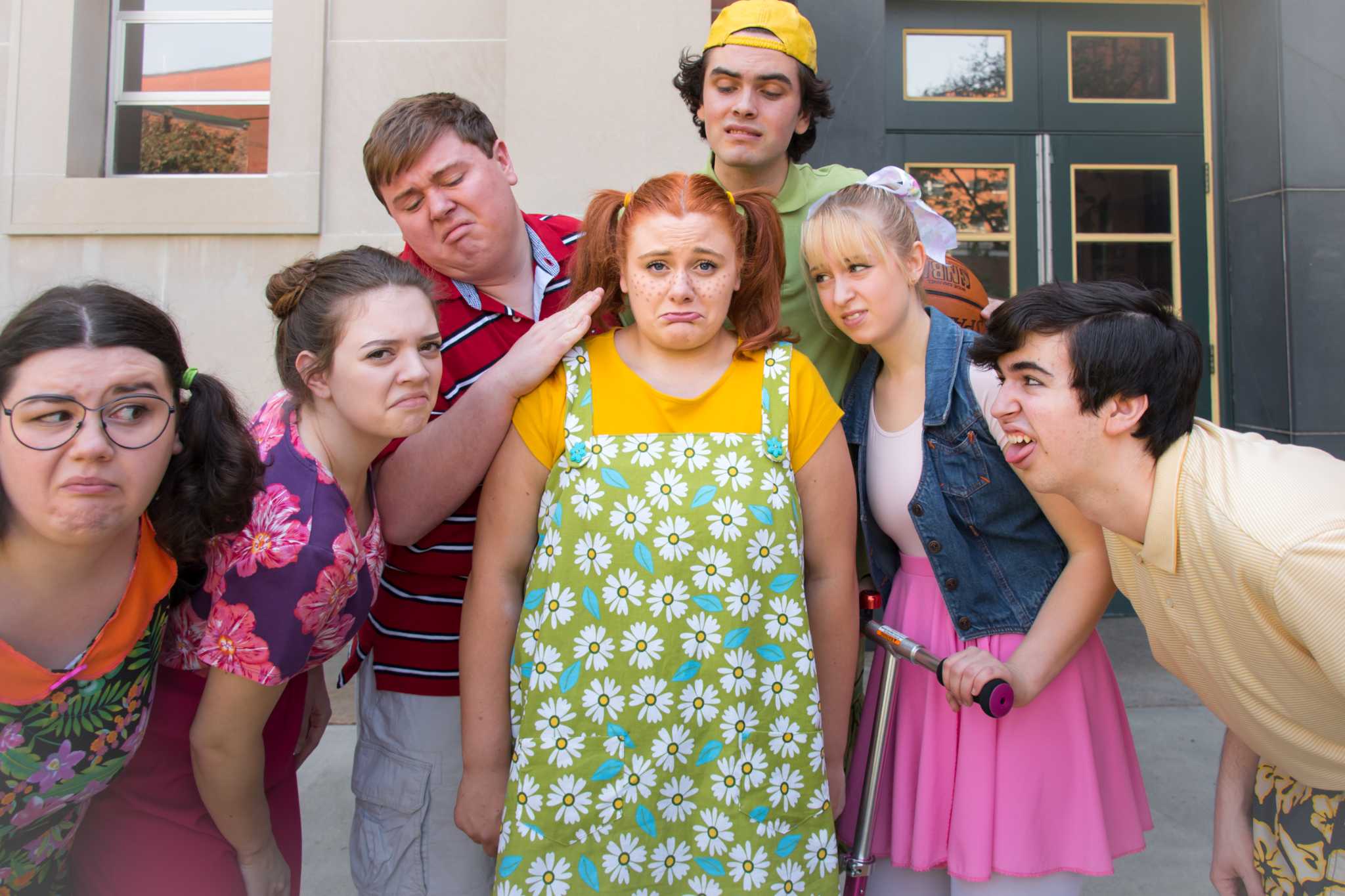
The musical expanded the book's narrative by giving distinct emotional arcs to Strawberry’s supporting friends—each harboring their own insecurities, from athletic performance anxiety to perfectionism. This structural choice modeled empathy for young viewers. It demonstrated that personal struggles are universal rather than isolating flaws.
Directors and playwrights working in the family theatre niche took note. The success of the production validated the hypothesis that family audiences respond enthusiastically to stories dealing with vulnerability and mental well-being. Consequently, regional children’s theatre commissioning pipelines began prioritizing scripts that tackled modern psychological challenges, paving the way for subsequent theatrical adaptations dealing with grief, sensory processing differences, and complex familial structures.
Multi-Generational Appeal and the Re-Evaluation of Adult Engagement
Historically, family theatre suffered from the "parent penalty"—the quiet dread adults experienced when sitting through poorly written, overly didactic children's entertainment. A critical achievement of the Freckleface Strawberry musical was its sophisticated layering of humor and musical style, which engaged adult chaperones as active participants rather than passive supervisors.
Gary Kupper’s score incorporated diverse musical idioms, ranging from upbeat pop-rock anthems to tender ballads, interwoven with clever lyricism that operated on multiple levels. While children connected with the literal narrative of wanting to wash off one's freckles, adults recognized the satirical and nostalgic commentary on societal pressures, conformity, and parenting anxieties.
This multi-tiered writing style influenced how producers evaluate family entertainment properties today. Modern family musicals increasingly function like high-end animated films (in the tradition of Pixar or early DreamWorks), ensuring that the artistic value is distributed equitably across age groups. This approach transformed family theatre from a niche babysitting service into a legitimate intergenerational cultural outing.
Expansion of Licensing and Regional Footprint
The legacy of the production is also evident in its distribution model. Managed through major theatrical licensing agencies such as Theatrical Rights Worldwide (TRW), Freckleface Strawberry became a staple for youth theatres, middle and high school drama departments, and regional community playhouses across the United States and internationally.
This widespread adoption created a decentralized training ground for young performers and technicians. Because the show requires precise comedic timing, strong vocal blending, and nuanced character work without relying on technological masking, it serves as an effective pedagogical tool for youth theatre education programs. Participants learn professional rehearsal disciplines while engaging with material that promotes positive self-image.
Common Criticisms and Limitations of the Chamber-Musical Model
While the production established a successful template, the shift toward streamlined, chamber-style family musicals introduced distinct challenges for the industry:
- Spectacle Expectations: Audiences accustomed to high-budget cinematic adaptations sometimes initially balked at the minimalist design aesthetics of smaller-scale theatrical works.
- Venue Limitations: Intimate Off-Broadway and small regional houses have strict capacity caps, which can limit box-office gross potential compared to large-scale commercial runs unless ticket pricing models are carefully structured.
- Adaptation Fidelity: Purists of picture-book source material occasionally critique the necessary expansion of plot and song integration required to stretch a brief children's book into a full-length musical runtime.
Frequently Asked Questions
What was the original source of the Freckleface Strawberry musical?
The musical is adapted from the 2007 children's picture book Freckleface Strawberry written by actress Julianne Moore and illustrated by LeUyen Pham. The book was inspired by Moore’s own childhood experiences growing up with red hair and freckles.
Where did the musical premiere?
The show made its off-Broadway premiere in October 2010 at New World Stages in New York City, following initial developmental workshops and regional testing.
How did the production change children's theatre economics?
By proving that a family musical could succeed commercially with a compact cast, minimal set requirements, and a contemporary pop-rock score, it demonstrated a sustainable financial model for Off-Broadway and regional theatres mounting children's programming.
What are the core themes explored in the musical?
The primary themes center on social-emotional learning, specifically self-acceptance, overcoming personal insecurities, embracing individual uniqueness, and navigating peer relationships and social anxiety.
Is the script available for local theatre production?
Yes, the theatrical rights are licensed for performance by organizations such as Theatrical Rights Worldwide (TRW), making it widely accessible for youth theatres, schools, and community groups.
Practical Next Steps for Producers and Educators
For regional theatre artistic directors, educators, and independent producers looking to apply the lessons learned from this era of family theatre evolution, several operational strategies should be prioritized:
- Audit Programming Balance: Evaluate current season selections to ensure that family-focused offerings provide genuine emotional and intellectual engagement for both children and adults.
- Invest in Contemporary SEL Themes: Prioritize scripts and new-work commissions that address modern psychological, social, and emotional realities faced by youth today.
- Optimize Production Scalability: Consider chamber-scale musicals and flexible design frameworks that maximize artistic impact while maintaining sustainable labor and material budgets.
Image Gallery