The Ultimate Guide to the Tapered Drop Fade: 2026 Style Trends and Technical Mastery
The tapered drop fade has solidified its position as the most requested haircut in premium barbershops across the globe in 2026. This hybrid technique represents the intersection of precision engineering and aesthetic fluidity, offerin...
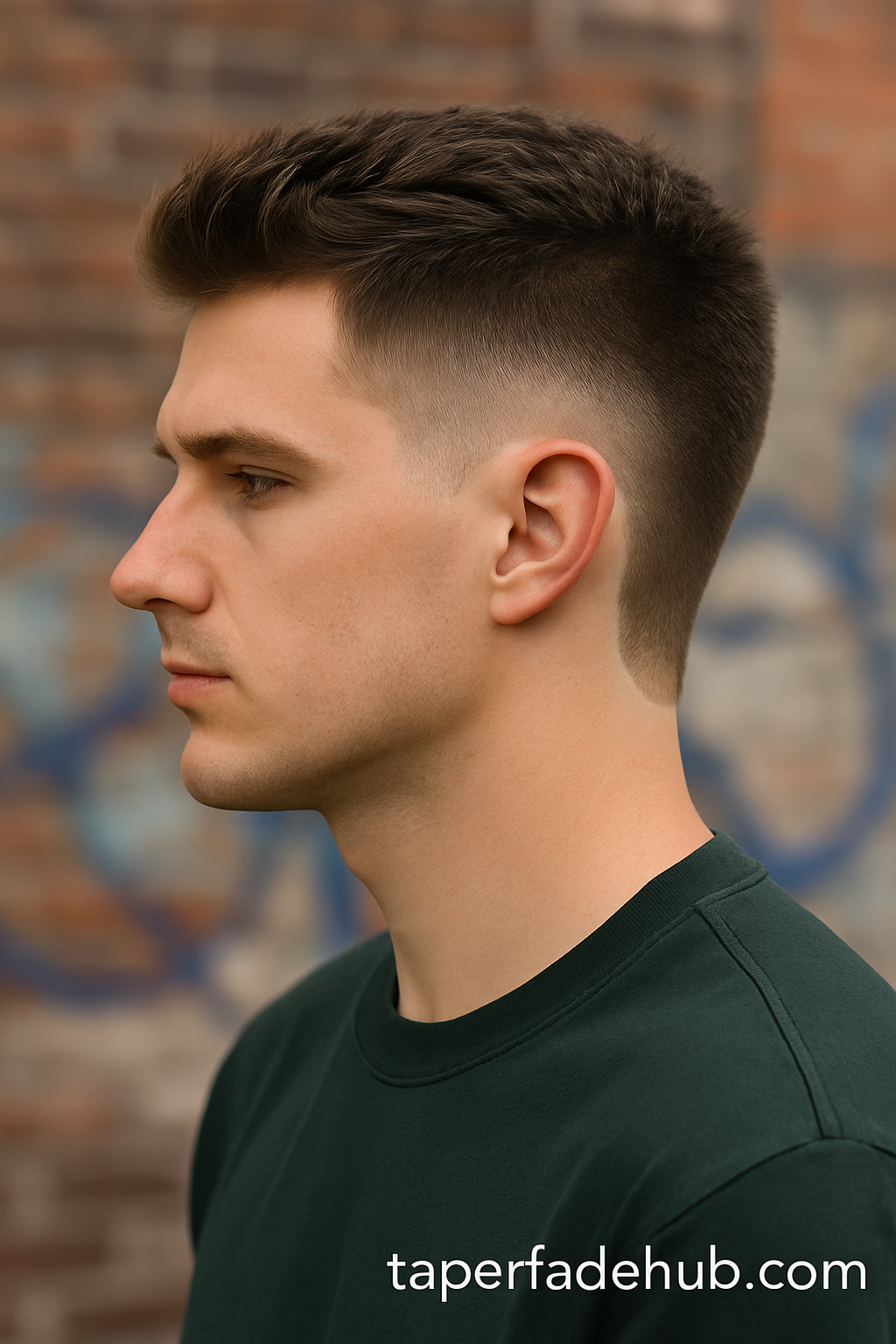
The tapered drop fade has solidified its position as the most requested haircut in premium barbershops across the globe in 2026. This hybrid technique represents the intersection of precision engineering and aesthetic fluidity, offering a sophisticated alternative to the rigid lines of traditional fades. While a standard fade maintains a consistent height around the circumference of the head, the tapered drop fade utilizes the natural curvature of the cranium, specifically "dropping" behind the ear to follow the occipital bone. This creates a contoured silhouette that enhances the wearer’s profile while maintaining density at the crown.
Contents
This grooming standard is not merely a haircut but a structural modification of the hair's silhouette. In the 2026 grooming landscape, the focus has shifted toward "tailored barbering," where the technician adjusts the gradient transition based on the client's specific bone structure and hair density. Whether you are a professional barber refining your technique or a client seeking a high-end aesthetic, understanding the nuances of the tapered drop fade is essential for achieving a look that is both contemporary and timeless.
Defining the Tapered Drop Fade: The Apex of Modern Barbering
To understand the tapered drop fade, one must first deconstruct its components. A "taper" traditionally refers to the gradual shortening of hair at the sideburns and the nape, leaving the area around the ears intact. A "fade" involves a shorter, more aggressive transition that usually encircles the head. The "drop" is the directional shift where the fade line dips down as it moves toward the back of the head.
In 2026, the tapered drop fade combines these elements to provide a look that is cleaner than a standard taper but more contoured than a traditional high-and-tight fade. The technical difficulty lies in the transition behind the ear. This area requires a specialized "C-stroke" motion with the clipper to ensure the gradient remains smooth despite the changing surface area of the scalp.
Technical Disambiguation
This guide focuses exclusively on the tapered drop fade haircut within the men’s grooming and barbering industry. It does not refer to architectural tapering, financial "tapering" of interest rates, or industrial drop-fade paint applications.
Structural Variations: Choosing Your Gradient Depth
The versatility of the tapered drop fade allows it to be adapted for different professional environments and personal styles. The 2026 trends emphasize three distinct depths of this cut:
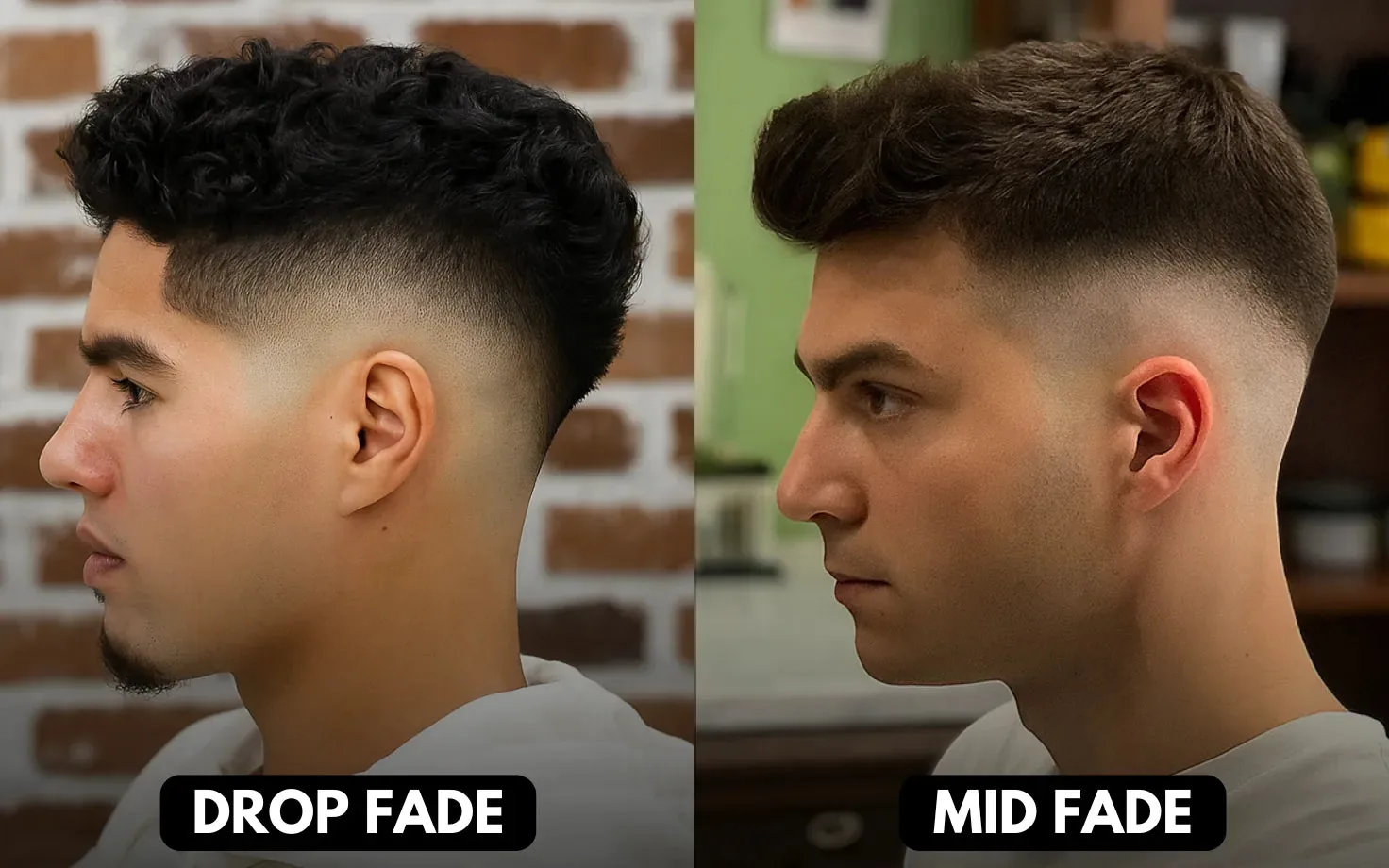
- The Low Tapered Drop Fade: This version keeps the skin-tight transition very low, usually within an inch of the hairline. It is the preferred choice for corporate professionals who require a sharp look that remains conservative.
- The Mid Tapered Drop Fade: The transition begins at the temple and drops significantly behind the ear. This creates a balanced contrast that works exceptionally well with textured tops or pompadours.
- The High Tapered Drop Fade: A more aggressive style where the fade begins near the crown but still maintains the signature "drop" at the rear. This is frequently paired with "crop top" styles or surgical lines for a futuristic, high-contrast appearance.
Technical Specification Table: Fade Comparison Matrix 2026
The following table outlines the key technical differences between the tapered drop fade and other dominant styles currently trending in high-end studios.
| Feature | Tapered Drop Fade | Traditional Skin Fade | Classic Taper | Burst Fade |
|---|---|---|---|---|
| Nape Coverage | Low/Curved Gradient | High/Uniform Skin | Natural/Full | Rounded/Circular |
| Occipital Contour | Follows Bone Structure | Horizontal Line | Natural Growth | Not Applicable |
| Sideburn Density | Blended to Skin | Fully Removed | Subtle Reduction | Blended to Skin |
| Maintenance Level | Moderate (3 weeks) | High (1-2 weeks) | Low (4-6 weeks) | High (2 weeks) |
| Best Face Shape | Oval, Square, Heart | Round, Oval | All Shapes | Angular, Diamond |
| Tool Requirement | Detachable & Adjustable | Adjustable & Foil | Basic Guard Sets | Adjustable & T-Outliner |
The Step-by-Step Execution: Master Barber Protocols
Achieving a flawless tapered drop fade requires a systematic approach to blending and spatial awareness. The 2026 standard for professional execution follows a specific protocol to ensure symmetry and longevity of the cut.
Phase 1: Debulking and Sectioning
The process begins by removing excess bulk from the sides using a higher guard (typically a #3 or #4). This creates a "canvas" and allows the barber to see the natural shape of the head. Sectioning the top hair away from the sides is critical to prevent accidental over-cutting of the weight line.
Phase 2: Setting the Foundation Line
Using a trimmer or a "0" gap clipper, the barber marks the initial drop line. This line starts at the temple, remains level until it reaches the top of the ear, and then curves downward toward the nape. This line must be symmetrical on both sides of the head to avoid a lopsided profile.
Phase 3: Creating the Gradient
The transition is built using a sequence of clipper guards.
- The Open Lever: Creating a half-inch section above the foundation line.
- The #1 Guard: Extending the blend further up.
- The 0.5 (Half) Guard: Used specifically to "erase" the line between the skin and the #1 guard.
- Detailing: Utilizing the corner of the clipper blade to remove small dark spots and imperfections in the blend.
Phase 4: The Occipital Blend
The "drop" area at the back of the head is denser and has more natural depressions. Barbers in 2026 utilize specialized scalp-light technology to identify these shadows and adjust their clipper pressure accordingly to ensure a uniform color transition from skin to hair.
Suitability Analysis: Matching the Fade to Cranial Structure
Not every head shape is suited for every type of fade. As a 2026 industry standard, a comprehensive consultation should precede the first clip.
Cranial Shape Considerations
The Occipital Protrusion Clients with a prominent bump at the back of the head (occipital bone) benefit most from the drop fade. By dropping the fade line below this protrusion, the barber avoids highlighting the bump, instead using the hair's weight to create a smoother profile.
The Temporal Recession For clients experiencing thinning at the temples, a high tapered drop fade can be used to camouflage the recession by blending the thin areas directly into the skin-fade, making the hair on top appear denser by comparison.
Scalp Health and Skin Tone A skin fade exposes the scalp. It is imperative to check for moles, scarring, or dermatitis before proceeding. In 2026, many barbershops offer "Scalp Camouflage" or pigment matching for clients with uneven skin tones on the scalp to ensure the fade looks uniform.
Maintenance and Scalp Health: The 2026 Grooming Standard
A tapered drop fade is an investment in personal branding. To maintain the crispness of the lines and the health of the exposed skin, a specific aftercare regimen is required.
- Frequency of Refresh: To maintain the "fresh" look of a tapered drop fade, a "line-up" or "neck-taper touch-up" is recommended every 10 to 14 days. A full service is typically required every 21 days.
- Scalp Protection: With more skin exposed, UV protection is non-negotiable. 2026 grooming trends include the use of matte-finish SPF 50 scalp mists that protect the fade without making the hair look greasy.
- Exfoliation: Using a soft-bristle scalp brush twice a week helps prevent ingrown hairs, particularly in the nape area where the hair is cut closest to the skin.
- Hydration: Transitioning from skin to hair requires the skin to be healthy. Lightweight, non-comedogenic serums containing hyaluronic acid are now standard in the 2026 post-fade routine to prevent "barber's itch" and flaking.
Frequently Asked Questions
What is the difference between a drop fade and a regular fade?
A regular fade stays at a consistent height all the way around the head, resulting in a straight horizontal line. A drop fade curves downward behind the ears to follow the natural shape of the head, providing a more contoured and ergonomic look. This makes the drop fade particularly effective for people who want to maintain more length and volume at the back of the head.
How do I ask my barber for a tapered drop fade?
You should specify three things: the starting height (low, mid, or high), the final length at the bottom (skin-fade or shadow-fade), and the degree of the "drop." Showing a photo from a 2026 lookbook is highly recommended to ensure you and your barber are aligned on the "weight line" placement—the area where the fade meets the longer hair on top.
Does a tapered drop fade work for curly or coily hair?
Yes, the tapered drop fade is exceptionally popular for textured, curly, and coily hair types (Types 3 and 4). The "drop" allows for a seamless transition that preserves the natural curl pattern on the crown while providing the sharp, clean edges of a professional fade. It is a staple for "curly top" and "fro-hawk" variations in 2026.
How long does the service take in a professional shop?
In a high-end 2026 barbershop, a precision tapered drop fade typically takes 45 to 60 minutes. This includes the consultation, the structural fading process, the "straight-razor" finish on the edges, and the final styling with performance-grade products.
Can I do a tapered drop fade at home?
While basic tapers can be attempted at home, the tapered drop fade is considered an advanced technique due to the curved blending required behind the ear. Achieving a symmetrical "drop" and a smooth gradient on the back of your own head is extremely difficult without professional training and 360-degree visibility.
The tapered drop fade remains the hallmark of the modern gentleman in 2026. By choosing a style that respects the natural anatomy of the head while providing a sharp, clean finish, you ensure a look that is both technically superior and aesthetically pleasing. Whether you are aiming for a low-profile professional look or a high-contrast street style, the tapered drop fade offers the versatility to meet any demand.
Image Gallery