Navigating the Safety Profile of Prednisone: Benefits, Risks, and Medical Management
Prednisone is generally safe and highly effective when prescribed for short periods to reduce severe inflammation, but it carries significant risks of side effects—such as weight gain, mood changes, and elevated blood sugar—particularl...
Prednisone is generally safe and highly effective when prescribed for short periods to reduce severe inflammation, but it carries significant risks of side effects—such as weight gain, mood changes, and elevated blood sugar—particularly with long-term use.
Contents
When physicians prescribe a course of systemic corticosteroids, patients are often immediately concerned about the safety profile of the medication. Prednisone is a powerful synthetic glucocorticoid designed to mimic cortisol, a hormone naturally produced by the adrenal glands. Because it powerfully suppresses the immune system and halts inflammatory pathways, it is a cornerstone therapy for conditions ranging from severe asthma flare-ups and rheumatoid arthritis to lupus and acute allergic reactions.
However, because cortisol receptors are distributed throughout nearly every tissue and organ system in the human body, the influence of prednisone is systemic and far-reaching. Understanding whether prednisone is safe requires evaluating the duration of treatment, the dosage prescribed, the underlying medical condition, and the unique health profile of the individual patient.
Understanding Prednisone and How It Works
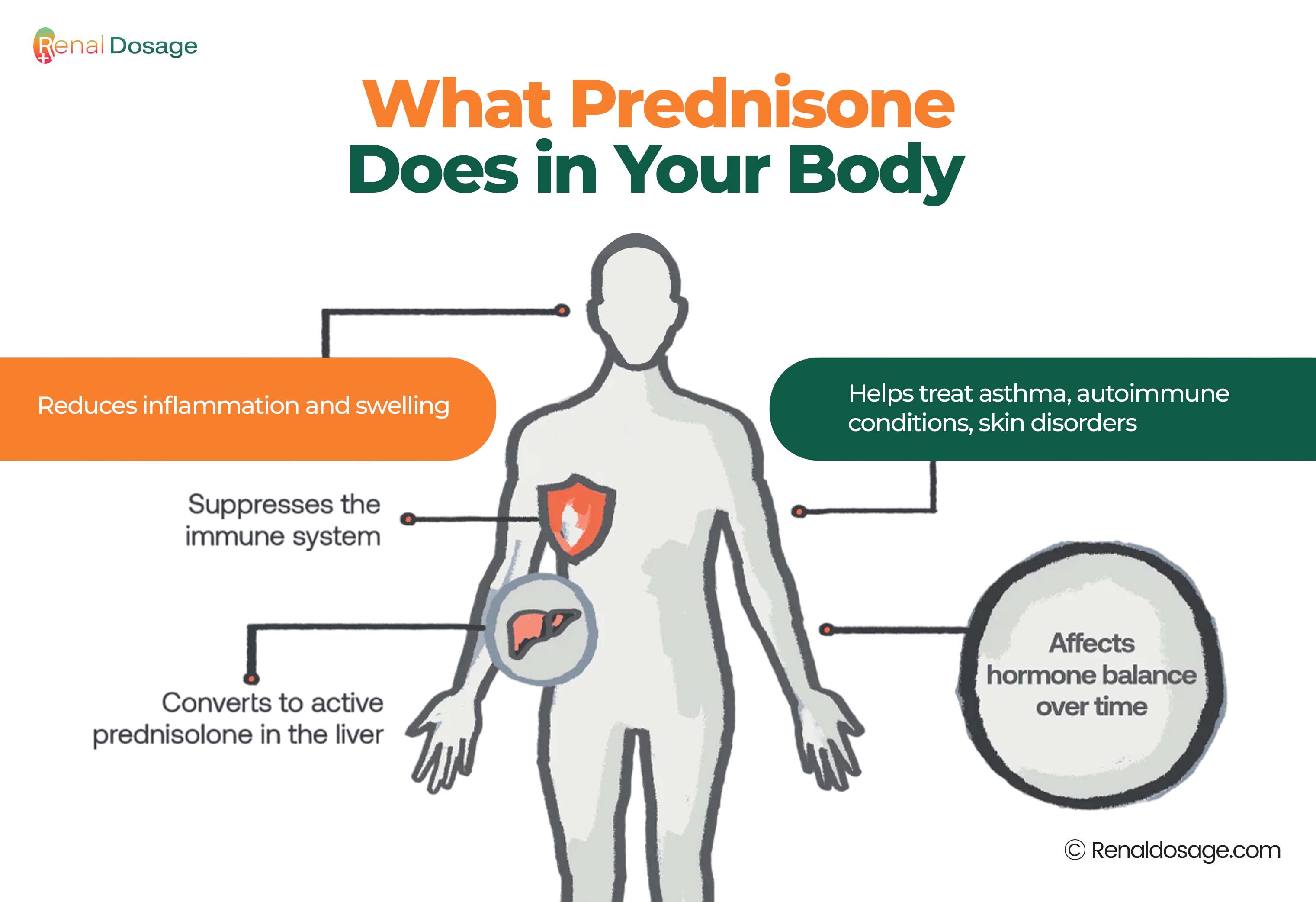
Prednisone is a prodrug; once ingested orally, it is metabolized by the liver into prednisolone, its active form. This active metabolite binds to glucocorticoid receptors inside cells, altering gene expression. By turning on anti-inflammatory genes and turning off pro-inflammatory genes, prednisone rapidly reduces swelling, heat, redness, and pain.
Despite its therapeutic brilliance, this mechanism of action disrupts the body's delicate endocrine balance. Under normal physiological conditions, the hypothalamus-pituitary-adrenal (HPA) axis regulates natural cortisol production through a negative feedback loop. When exogenous steroids like prednisone are introduced, the brain senses an abundance of glucocorticoid activity and signals the adrenal glands to slow down or completely halt their own production of natural cortisol.
This functional suppression is the primary reason why prednisone safety is so heavily dictated by how a course of treatment is managed, particularly when stopping the medication.
Short-Term Versus Long-Term Safety Profiles
The safety of prednisone shifts dramatically depending on how long the medication is taken. Clinical experience divides prednisone usage into acute short-term bursts and chronic long-term maintenance therapy.
Short-Term Therapy (Under Two Weeks)
For most healthy individuals, a short burst of prednisone lasting anywhere from three to ten days (often used for poison ivy, acute bronchitis, or a localized allergic reaction) is considered safe and well-tolerated. While patients may experience temporary side effects during this window—such as increased appetite, mild insomnia, jitteriness, or a brief elevation in mood or irritability—these symptoms typically resolve quickly once the medication is finished. Serious adverse events are statistically rare during short courses, provided the patient does not have an underlying contraindication like an active, untreated fungal infection.
Long-Term Therapy (Months to Years)
When prednisone is administered for chronic autoimmune conditions, long-term safety concerns multiply. The body's systems are subjected to continuous pharmacological levels of a steroid, which alters metabolism, bone density, immune function, and cardiovascular health. Patients on long-term regimens require meticulous medical supervision, regular laboratory monitoring, and often adjunctive medications to mitigate predictable adverse effects.
| Duration of Use | Typical Clinical Scenarios | Common Manifestations | Primary Safety Concerns |
|---|---|---|---|
| Short-Term (< 2 weeks) | Severe asthma, contact dermatitis, acute sinus flare | Insomnia, increased appetite, mild mood shifts | Gastric irritation, temporary blood glucose spikes |
| Medium-Term (2 weeks - 3 months) | Rheumatoid arthritis flare, inflammatory bowel disease | Weight gain, fluid retention, facial rounding | HPA axis suppression, mild blood pressure elevation |
| Long-Term (> 3 months) | Lupus nephritis, polymyalgia rheumatica, organ transplant | Osteoporosis, skin thinning, muscle wasting | Adrenal insufficiency, severe infection risk, cataracts |
Common and Serious Side Effects of Prednisone
To evaluate safety objectively, patients and clinicians must look at the spectrum of potential side effects, ranging from cosmetic and bothersome to life-threatening.
Metabolic and Endocrine Effects
Prednisone profoundly alters how the body processes carbohydrates, proteins, and fats. It stimulates gluconeogenesis in the liver, which frequently leads to elevated blood glucose levels. For patients with diabetes, managing blood sugar becomes significantly more complex while on prednisone. Additionally, the redistribution of fat can cause characteristic physical changes, including a "moon face" (rounding of the face), a buffalo hump (fat deposition at the back of the neck), and central trunk obesity.
Bone Health and Musculoskeletal Impact
One of the most concerning long-term safety risks of prednisone is glucocorticoid-induced osteoporosis. Prednisone inhibits the formation of new bone by osteoblasts while accelerating the resorption of existing bone by osteoclasts. It also reduces calcium absorption in the gut. Over time, this weakens the skeletal structure, increasing the risk of fractures—particularly in the spine and hips. Muscle weakness (myopathy), especially in the upper legs and arms, can also occur with prolonged use.
Immune Suppression and Infection Risk
Because prednisone dampens the immune response, it reduces the body's ability to fight off invading pathogens. Patients taking medium- to high-dose prednisone are at a higher risk for bacterial, viral, and fungal infections. Notably, prednisone can mask the classic signs of infection, such as fever and localized inflammation, making early detection difficult.
Psychological and Neurological Effects
The central nervous system is rich in glucocorticoid receptors. Consequently, prednisone frequently impacts mental health. Common psychological responses include anxiety, agitation, restlessness, and sleep disturbances. In higher doses, some patients experience severe mood swings, depression, or steroid-induced psychosis.
Strategies for Maximizing Safety During Treatment
Because prednisone remains an indispensable, life-saving medication for many, the goal of modern medicine is not to avoid it entirely, but to optimize its safety through strategic management.
The Importance of Tapering
When prednisone is taken for more than a few weeks, the adrenal glands fall into a state of temporary dormancy (adrenal suppression). Stopping the medication abruptly can trigger an adrenal crisis, characterized by severe fatigue, low blood pressure, dizziness, nausea, and vomiting. To prevent this, physicians design a tapering schedule—gradually reducing the dose over weeks or months. This step-down approach gives the HPA axis time to wake up and resume natural cortisol production safely.
Dosage Optimization and Alternative Delivery
Physicians strive to use the lowest effective dose for the shortest possible duration—a principle known as the lowest effective dose strategy. In some chronic conditions, alternate-day dosing (taking double the daily dose every other morning) is utilized to give the adrenal glands a recovery window. Furthermore, localized steroid formulations, such as inhaled corticosteroids for asthma or topical creams for eczema, deliver the medication directly to the target tissue, minimizing systemic absorption and reducing whole-body safety risks.
Monitoring and Adjunctive Medications
Patients on long-term prednisone therapy require proactive screening and preventive care. Bone density scans (DEXA scans) are frequently ordered to monitor skeletal health, and physicians may prescribe bisphosphonates, calcium, and vitamin D supplements to protect against bone loss. Regular monitoring of blood pressure, blood glucose levels, and eye health (checking for cataracts and glaucoma) is also standard protocol.
Frequently Asked Questions About Prednisone Safety
Is it safe to stop taking prednisone suddenly if I feel better?
No. Stopping prednisone abruptly after taking it for more than a couple of weeks can be dangerous. Because the adrenal glands temporarily stop producing natural cortisol while you are on the medication, a sudden cessation can result in acute adrenal insufficiency, causing extreme fatigue, drop in blood pressure, and shock. Always follow a physician-prescribed taper schedule.
Can prednisone cause permanent weight gain?
The weight gain associated with prednisone is generally not permanent, but it does persist as long as you are taking the medication. Much of the initial weight gain is fluid retention (edema) and an increased appetite. Once the medication is successfully tapered off and stopped, metabolic processes normalize, and weight typically returns to baseline, though active effort through diet and exercise may be required.
Does prednisone weaken the immune system permanently?
No. The immunosuppressive effects of prednisone are directly tied to its presence in your system. Once the drug is fully cleared from your body and your adrenal function recovers, your immune system returns to its normal baseline capacity. However, while actively taking the medication, you must take extra precautions to avoid exposure to contagious illnesses.
Is prednisone safe to use during pregnancy?
Prednisone is categorized by regulatory bodies based on risk, and its use during pregnancy requires careful risk-benefit analysis by an obstetrician and a specialist. While low doses are sometimes used for severe autoimmune flare-ups when the risk of untreated maternal disease outweighs the drug's risks, high doses or prolonged use during the first trimester may carry a slightly increased risk of oral clefts or low birth weight.
Can I drink alcohol while taking prednisone?
It is generally advised to limit or avoid alcohol consumption while taking prednisone. Both alcohol and corticosteroids can irritate the lining of the stomach and digestive tract, significantly increasing the risk of gastritis, peptic ulcers, and gastrointestinal bleeding. Additionally, alcohol can compound issues related to blood sugar regulation and bone density.
Next Actions and Clinical Consultation
If you have been prescribed prednisone or are considering its use for an inflammatory condition, the most critical step is an open dialogue with your prescribing physician or a specialist such as a rheumatologist, pulmonologist, or immunologist. Never alter your dosage, skip a pill, or stop taking the medication without professional guidance. Discuss your complete medical history—including any history of diabetes, osteoporosis, high blood pressure, or mental health conditions—so your care team can implement appropriate monitoring, protective supplements, and a safe tapering strategy tailored specifically to your health needs.
Image Gallery