Can You Bring Your Vape on a Plane: A Traveler’s Guide to Compliance
You are permitted to bring your vape, electronic cigarette, or personal vaporizer on a plane, but it must be packed in your carry-on luggage or kept on your person. These devices are strictly prohibited in checked baggage due to the fi...
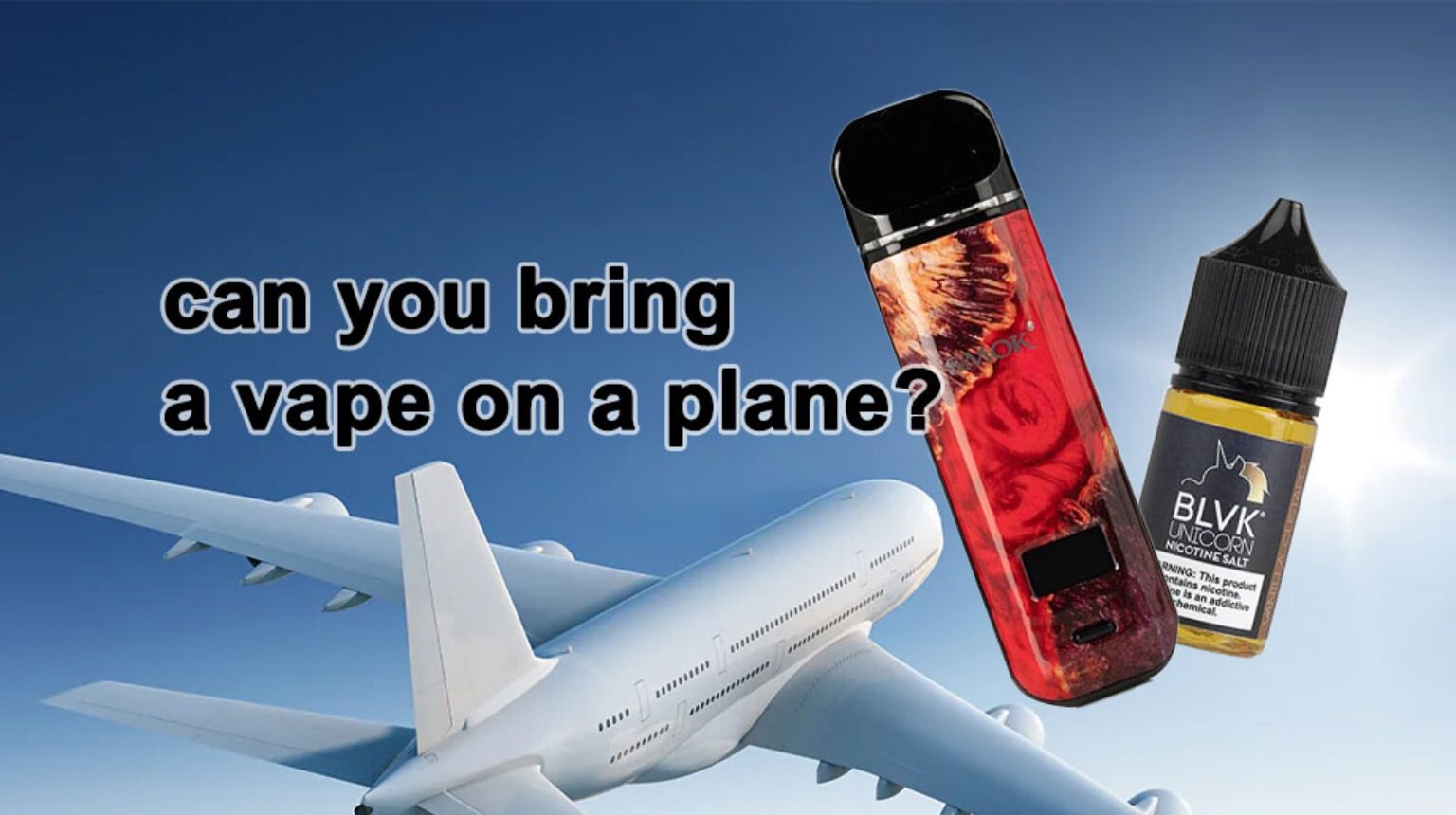
You are permitted to bring your vape, electronic cigarette, or personal vaporizer on a plane, but it must be packed in your carry-on luggage or kept on your person. These devices are strictly prohibited in checked baggage due to the fire risk posed by their lithium-ion batteries. While you can bring your device, using it inside the aircraft or airport smoking areas where prohibited is strictly forbidden and can result in severe legal consequences.
Contents
Understanding Airline and FAA Regulations
The primary reason for the strict regulation of vaping devices in aviation is the nature of the batteries they use. Most vapes contain lithium-ion batteries, which have the potential to short-circuit, overheat, or even catch fire if damaged or improperly stored. Because modern aircraft cargo holds are pressurized but inaccessible to flight crews, any thermal runaway event in checked luggage cannot be suppressed, making it a critical safety hazard.
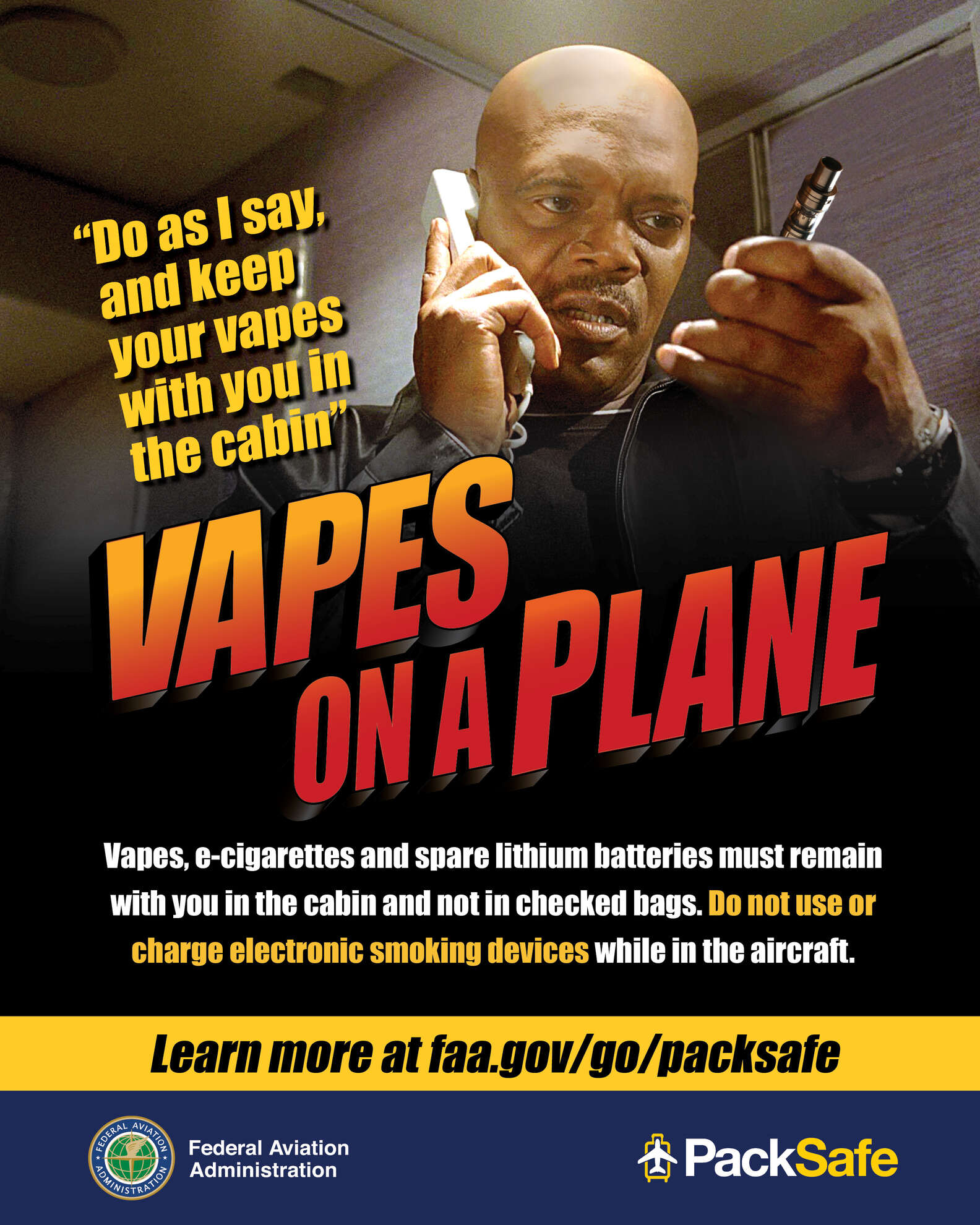
The Federal Aviation Administration (FAA) and international aviation authorities mandate that all battery-powered portable electronic smoking devices must be carried by the passenger in the cabin. This allows cabin crew to monitor the device and respond immediately if it exhibits signs of malfunctioning. You must also take measures to ensure the device cannot be accidentally activated while in your bag. This can be achieved by removing the battery if the device allows, utilizing a "lock" feature, or separating the tank or pod from the battery unit.
Packing Your Vaping Gear Correctly
Successfully navigating airport security with your vaping equipment requires careful organization. Security checkpoints are focused on identifying potential threats, and while vapes are allowed, they can trigger additional screening if not packed correctly.
- Battery Safety: If your device has removable batteries, it is best to store them in a hard-shell plastic case. Never leave loose batteries floating in your pocket or backpack, as contact with metallic objects like keys or coins can cause a short circuit.
- Managing E-Liquid: E-liquid is subject to the standard Transportation Security Administration (TSA) 3-1-1 rule for liquids. Each bottle must be 3.4 ounces (100 milliliters) or less, and all bottles must fit within a single, quart-sized, clear plastic bag. If you are traveling internationally, ensure your e-liquids are clearly labeled, as some jurisdictions have specific restrictions on nicotine concentration or container sizes.
- Pressure Changes: Aircraft cabins undergo pressure changes during takeoff and landing. This can cause tanks or pods to leak. To minimize the risk of a mess, try to empty your tank before boarding or store your vape in a sealed, leak-proof plastic bag. Keeping the device upright or disconnected is the most effective way to prevent liquid from escaping due to pressure fluctuations.
Table: Vaping Equipment Guidelines for Air Travel
| Item Category | Carry-On Luggage | Checked Baggage | Requirements |
|---|---|---|---|
| Vape Mod/Battery | Allowed | Prohibited | Must be protected from accidental activation. |
| Spare Batteries | Allowed | Prohibited | Must be in carry-on; terminals protected from shorts. |
| E-Liquid | Allowed | Allowed | Must follow 3-1-1 liquid rules if in carry-on. |
| Disposable Vapes | Allowed | Prohibited | Treat as a battery-powered device. |
The Critical "No Vaping" Rule In-Flight
Regardless of your addiction status or preference, you must never use your vaping device on an airplane. The cabin environment is equipped with highly sensitive smoke detectors. Vaping produces a vapor cloud that can easily trigger these alarms, causing unnecessary panic and potentially forcing an emergency diversion of the flight.
Flight crews are trained to handle "interference with crew members" and the unauthorized use of electronic devices with extreme seriousness. Attempting to vape in a lavatory is a common mistake that often leads to heavy fines, being placed on a "no-fly" list, or even arrest upon landing. Always wait until you have cleared the terminal and are in a designated smoking area outside the airport building before using your device.
International Considerations
While the FAA sets rules for US flights, international travel can be more complex. Some countries have total bans on the sale, possession, and use of vaping products. If you are flying to a country like Thailand, Singapore, or parts of the Middle East, possessing a vape could result in significant fines or legal detention. Before you fly, verify the vaping laws of your destination country through official government travel advisory websites. Never assume that because a device is legal in your home country, it is permissible to bring into another.
Troubleshooting and Best Practices
If you are worried about your device being flagged at a security checkpoint, keep it easily accessible. When the TSA officer asks you to place your electronics in a bin, you can place your vape device in the same bin as your laptop or tablet. This transparency often prevents the need for an agent to manually open your bag to investigate the device.
If you are a heavy user, consider the duration of your flight. If you are prone to nicotine withdrawal, speak with a healthcare provider about nicotine replacement therapy options, such as gum or patches, which are permitted for use during flights and can help manage cravings without the risk of violating aviation safety laws.
Frequently Asked Questions
1. Can I charge my vape on the plane? No. Charging any electronic device using the seat power outlets or USB ports is generally discouraged, but charging a vape specifically is unsafe due to the risk of battery overheating. Keep your device powered off throughout the duration of the flight.
2. What happens if I forget and put my vape in checked luggage? If the airline detects the device during the scanning process, they will likely remove your bag from the flight to pull the device out. This can lead to your bag not making it onto the plane with you, requiring you to file a claim upon arrival.
3. Do disposable vapes have the same rules as rechargeable ones? Yes. Even though disposable vapes cannot be recharged, they contain lithium batteries. Aviation authorities treat them exactly like standard vaping devices; they must remain in your carry-on luggage.
4. Are "nicotine-free" vapes exempt from these rules? No. Security screeners cannot distinguish between nicotine-based liquids and non-nicotine liquids. The restriction is based on the hardware (the battery-powered device) and the liquid volume, not the chemical content of the liquid.
5. Can I bring my vape through international security? Yes, but you are subject to the local laws of the airport you are in. While the device itself is allowed, some international airports may have customs officers who check for compliance with local bans on vaping products.
Final Recommendation
To ensure a smooth travel experience, pack your vaping device and any spare batteries in your carry-on bag, ensuring the device is turned off and the battery is protected. Keep your e-liquid within the allowable liquid limits, and strictly refrain from using your device until you are outside the destination airport. Always research the specific legality of vaping in your destination country before departure to avoid significant legal risks.
Image Gallery