Understanding the Primary Drivers of Biodiversity Loss
Biodiversity loss refers to the decline in the variety, variability, and health of biological life on Earth. It is primarily driven by human activities that alter natural landscapes, exploit biological resources, and change atmospheric...
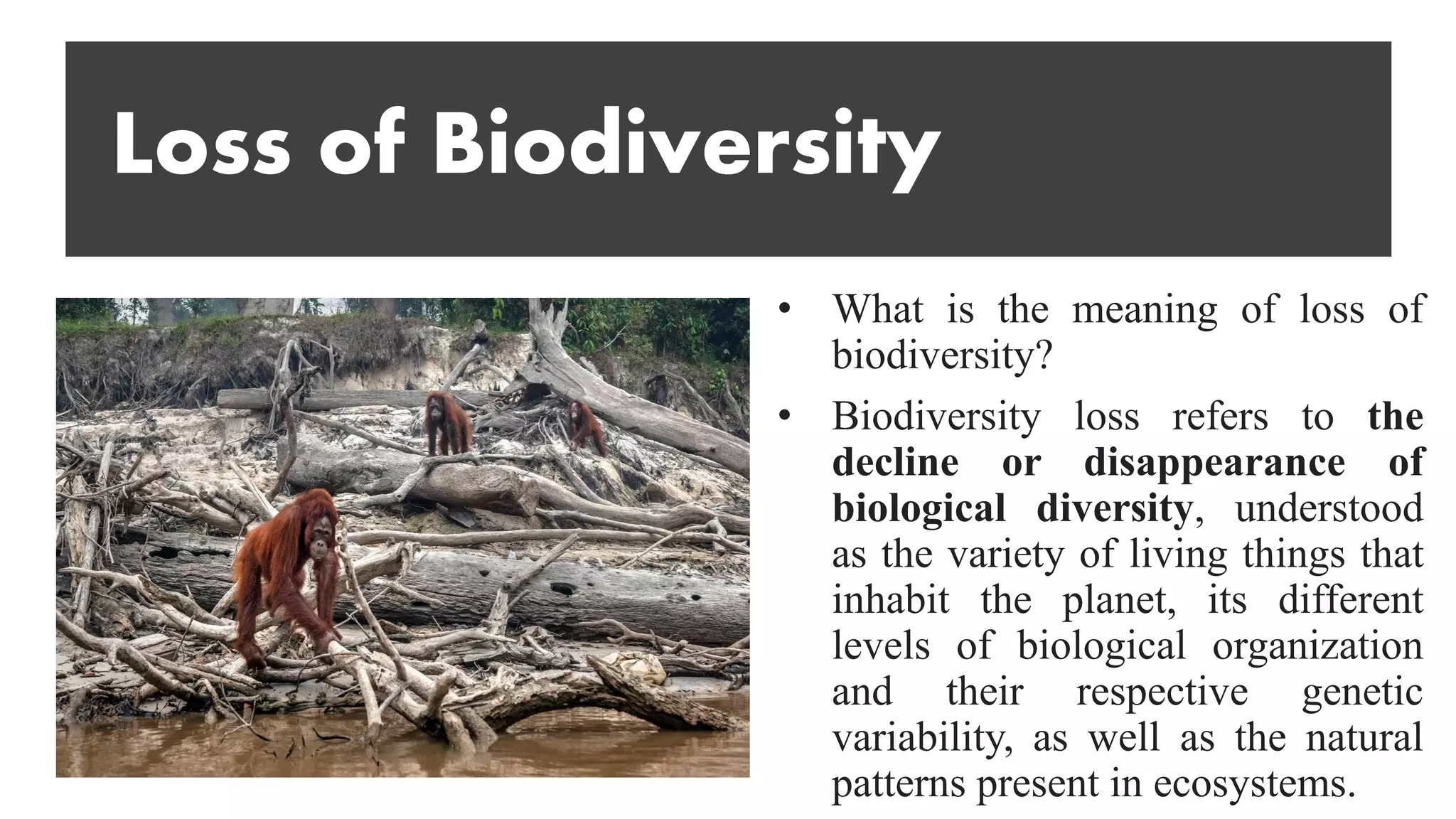
Biodiversity loss refers to the decline in the variety, variability, and health of biological life on Earth. It is primarily driven by human activities that alter natural landscapes, exploit biological resources, and change atmospheric conditions. These systemic pressures disrupt the intricate ecosystems that provide essential services like pollination, water purification, and climate regulation.
Contents
The Mechanistic Drivers of Ecosystem Degradation
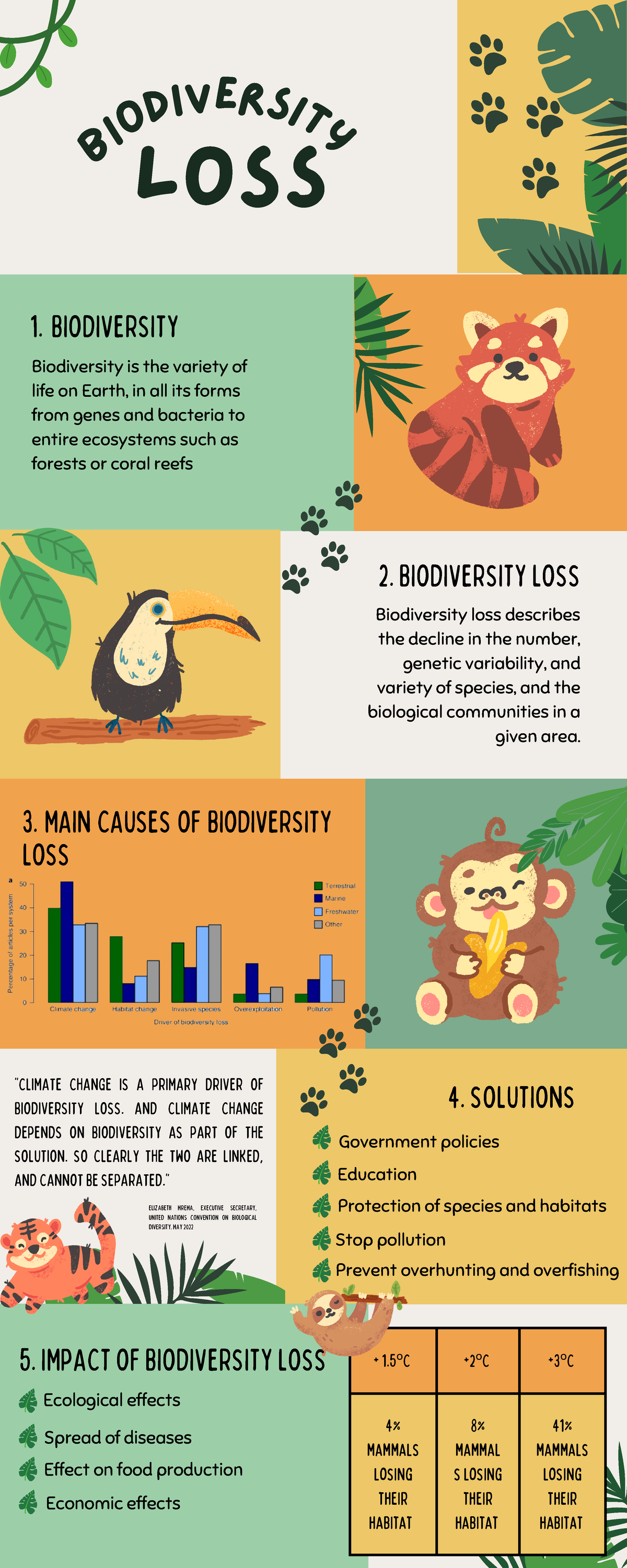
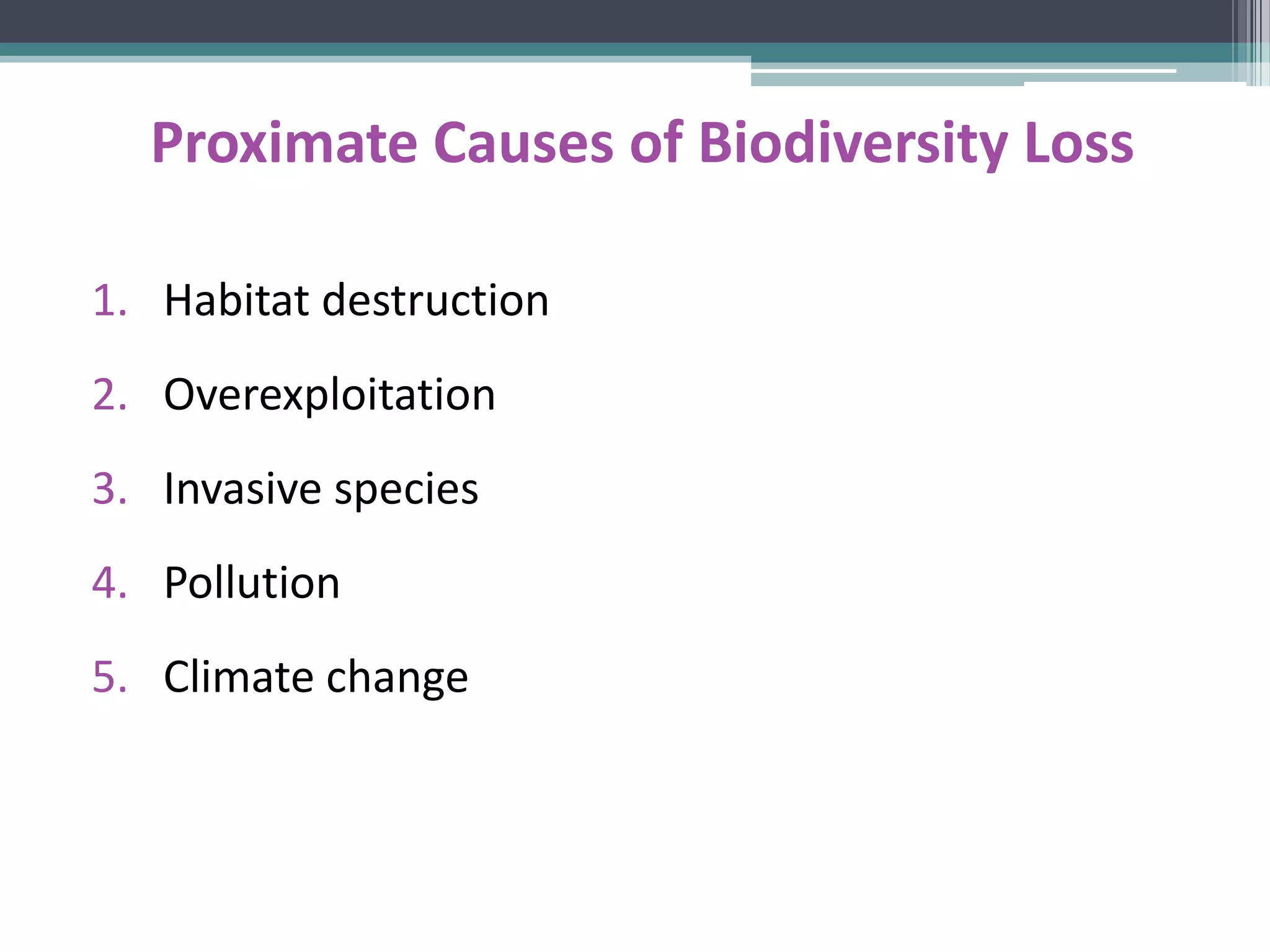
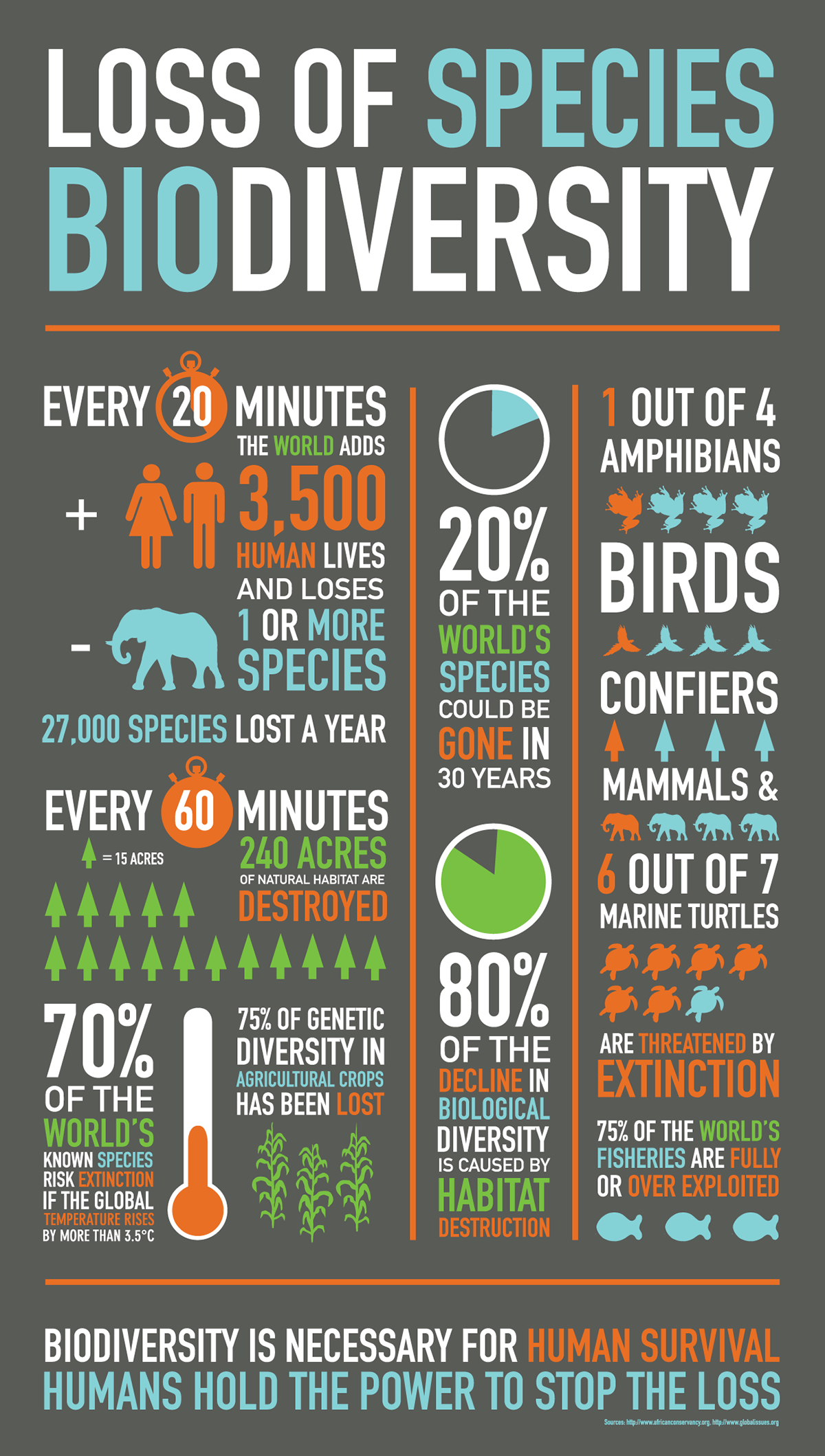
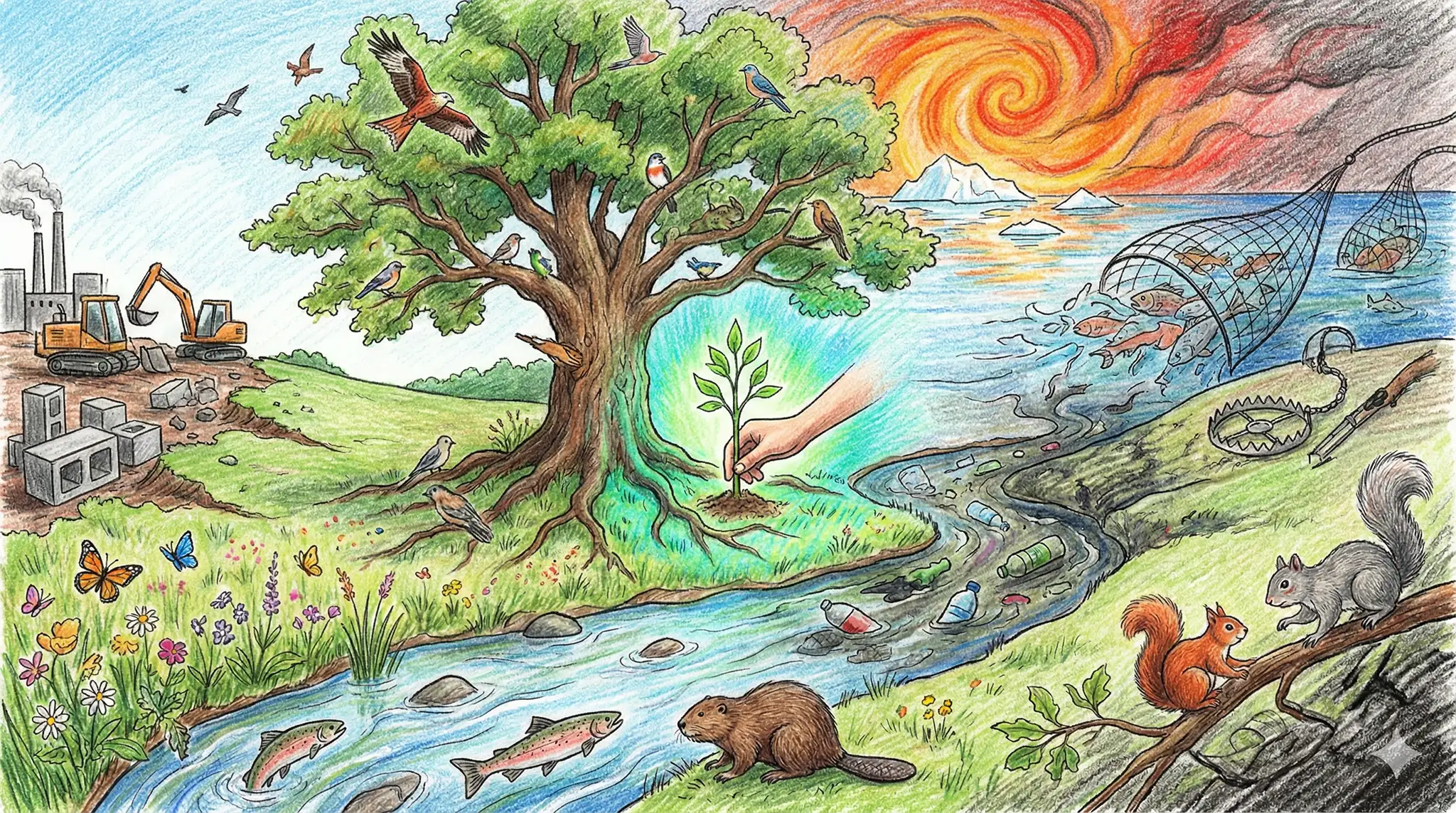
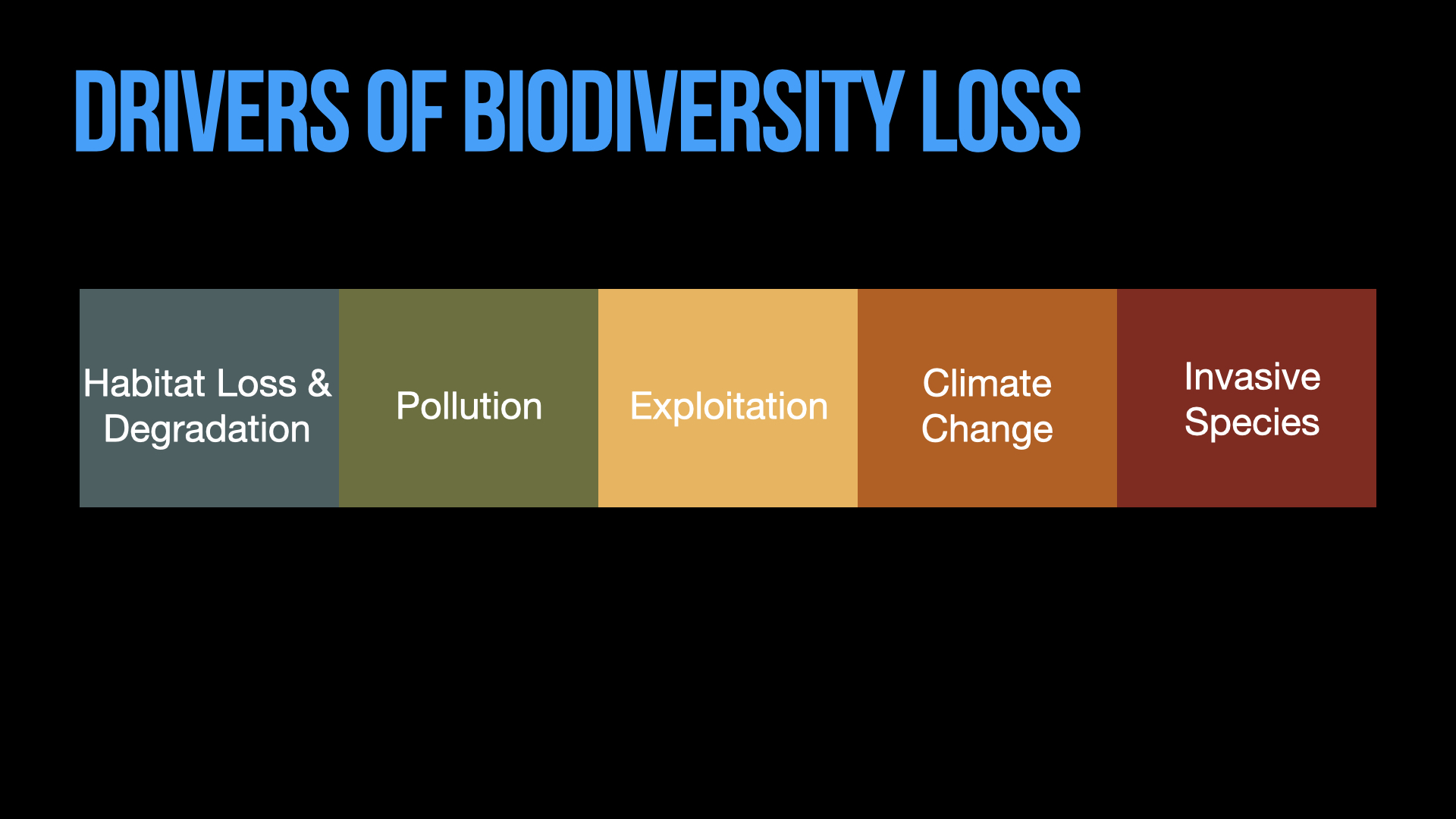
The loss of biodiversity is not a single event but a cumulative effect of five primary drivers, often identified by the Intergovernmental Science-Policy Platform on Biodiversity and Ecosystem Services (IPBES). These drivers operate globally, though their intensity varies by region and ecosystem type.
1. Land and Sea Use Change
The conversion of natural habitats—such as forests, wetlands, and grasslands—into agricultural land, urban areas, or industrial sites is the single most significant factor in terrestrial biodiversity loss. When an ecosystem is fragmented or destroyed, the species inhabiting those areas are often displaced or unable to survive. Habitat fragmentation prevents migration, limits gene flow, and creates smaller, more vulnerable populations that are susceptible to localized extinction.
2. Direct Exploitation of Organisms
Over-exploitation, such as overfishing, unsustainable hunting, and the illegal wildlife trade, directly reduces the population size of specific species. When extraction rates exceed the natural replenishment rate of a population, the species cannot recover. This is particularly evident in marine environments where industrial fishing practices have depleted stocks of apex predators and forage fish alike, destabilizing food webs.
3. Climate Change
Climate change acts as a "threat multiplier," exacerbating the pressures of habitat loss and exploitation. Rising average temperatures, changing precipitation patterns, and the increased frequency of extreme weather events force species to shift their ranges to track suitable environmental conditions. Many species, especially those in mountains or polar regions, reach a point where they can no longer relocate, leading to population collapses. Additionally, ocean acidification—a direct result of increased carbon dioxide absorption—threatens coral reefs and shellfish, which are foundational to marine biodiversity.
4. Pollution
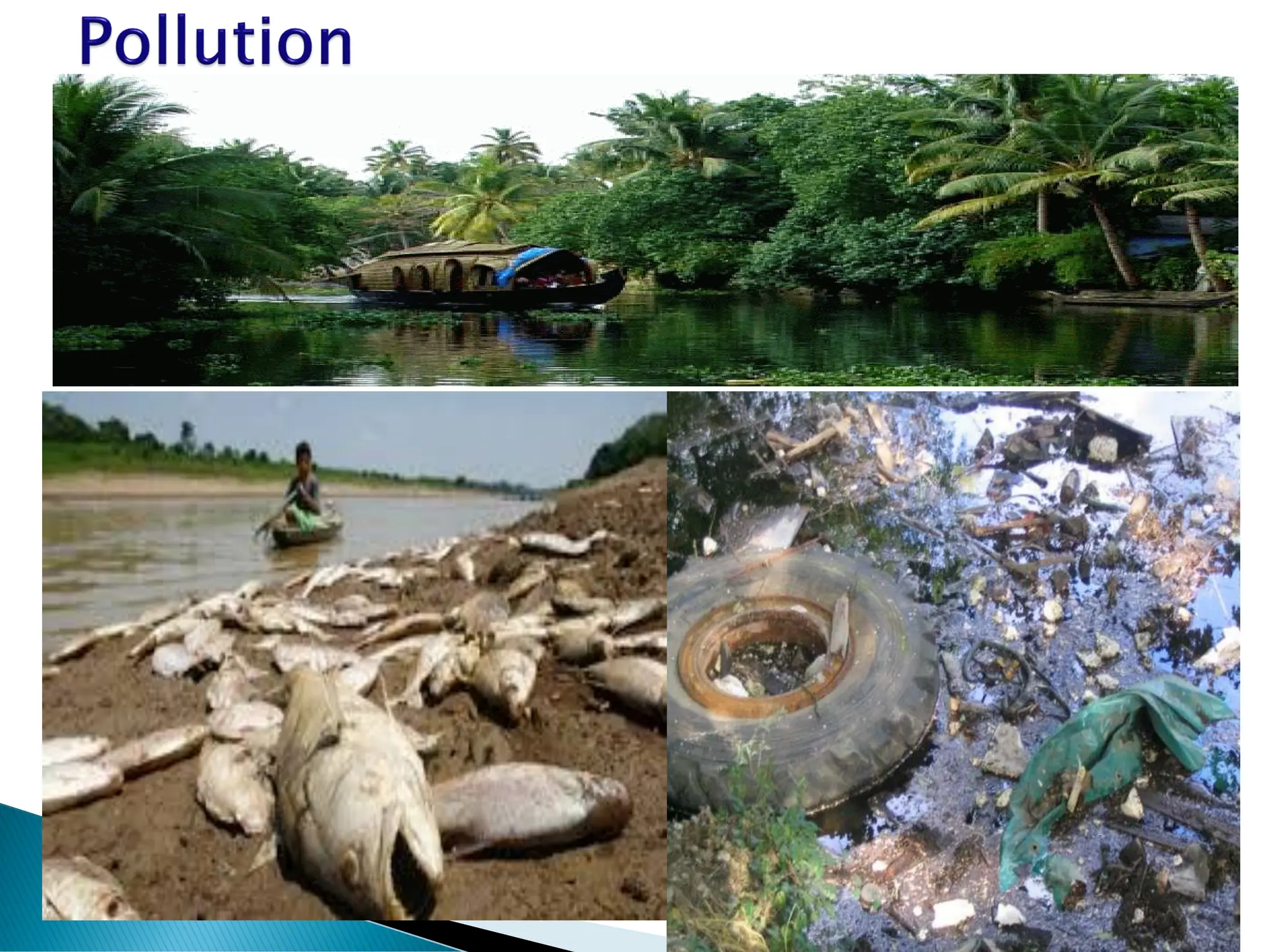
Chemical, plastic, and nutrient pollution alter the chemistry of soil, water, and air. Nitrogen and phosphorus runoff from agricultural fertilizers create "dead zones" in coastal waters by triggering algal blooms that deplete oxygen. Persistent organic pollutants and microplastics enter food chains, causing bioaccumulation in higher-level predators, which can lead to reproductive failures and weakened immune systems in wildlife.
5. Invasive Alien Species
The introduction and spread of non-native species are among the most difficult drivers to reverse. Invasive species often outcompete, predate upon, or introduce diseases to native species that have no evolutionary defense against them. Global trade and travel have accelerated the movement of these species across borders, leading to the homogenization of global flora and fauna, where unique local ecosystems are replaced by a limited number of globally dominant, invasive organisms.
Comparative Impact of Biodiversity Loss Drivers
The following table outlines how these drivers differ in terms of their scale, duration, and the type of pressure they exert on the biosphere.
| Driver | Primary Impact Area | Scope | Reversibility |
|---|---|---|---|
| Land/Sea Use Change | Habitats/Ecosystem Structure | Local to Regional | Moderate (Restoration) |
| Direct Exploitation | Population Numbers | Species-Specific | High (with regulation) |
| Climate Change | Global Weather/Biogeography | Global | Very Low |
| Pollution | Nutrient Cycles/Toxicity | Local to Global | Moderate (Cleanup) |
| Invasive Species | Species Competition | Regional to Global | Low |
The Cascading Effects of Biodiversity Loss
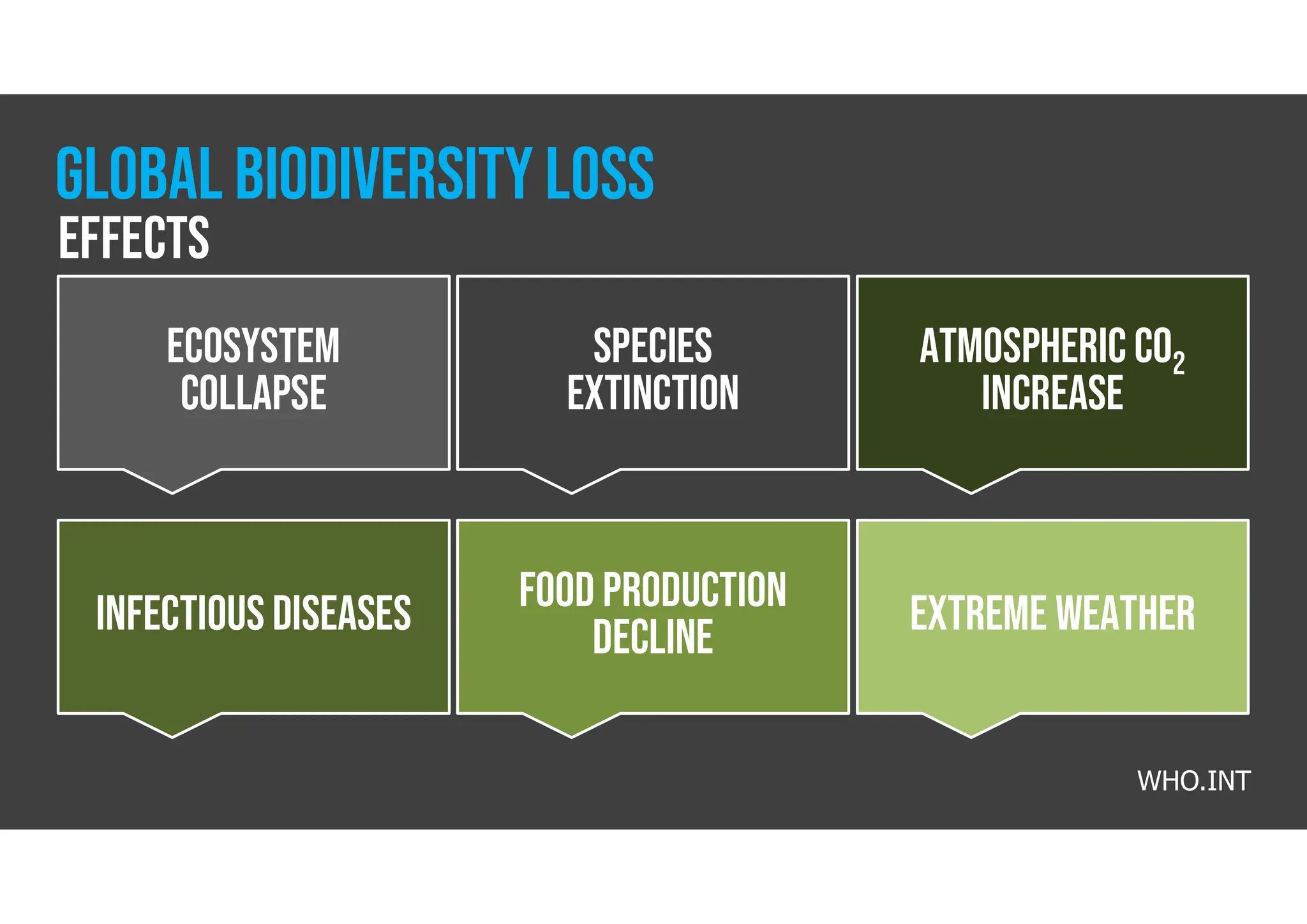
When biodiversity declines, the stability of an ecosystem is compromised. This is often described through the lens of "ecosystem services"—the benefits humans receive from the natural environment. Biodiversity provides insurance; a diverse ecosystem is more resilient to environmental shocks because different species fulfill different roles.
If a key species—such as a pollinator or a nitrogen-fixing plant—is lost, the entire system can undergo a state shift, where it moves from a productive, healthy state to a degraded one. For instance, the loss of mangrove forests removes natural storm barriers and nursery grounds for fish, leading to increased coastal erosion and a decline in fishery productivity. These changes have direct economic consequences, complicating food security and increasing the vulnerability of human communities to natural disasters.
Mitigating the Loss: Strategies for Conservation
Addressing biodiversity loss requires a multi-faceted approach that targets the root causes rather than just the symptoms.
Protected Area Management
Establishing and effectively managing protected areas is essential. However, the designation of land is only the first step. Connectivity conservation—creating "wildlife corridors" that allow animals to move between isolated protected areas—is critical for genetic exchange and climate adaptation.
Sustainable Resource Management
Transitioning to sustainable agriculture, such as agroforestry and regenerative farming, can significantly reduce the pressure on remaining wild habitats. Similarly, implementing science-based catch limits in fisheries ensures that stocks are not depleted beyond their biological limit.
Policy and Economic Reform
Biodiversity loss is often exacerbated by economic systems that treat natural capital as an "externality." Integrating the economic value of ecosystem services into decision-making frameworks can incentivize businesses and governments to protect, rather than exploit, biodiversity. This includes ending subsidies that promote deforestation or overfishing and implementing "payment for ecosystem services" (PES) programs that compensate landowners for maintaining intact ecosystems.
Frequently Asked Questions
What is the difference between species extinction and biodiversity loss? Biodiversity loss is a broader term encompassing the decline in species richness, genetic diversity within a species, and the degradation of ecosystem structures. Species extinction is the complete disappearance of a species, which is a final, irreversible outcome of severe biodiversity loss.
How does deforestation specifically lead to biodiversity loss? Deforestation removes the physical habitat required for survival. Beyond the loss of individual animals, it causes the loss of micro-habitats, disruption of water cycles, and the release of sequestered carbon, which contributes to the further stress of climate change.
Can individual actions help mitigate biodiversity loss? Yes. Individual choices regarding diet, consumption of products linked to deforestation (such as unsustainable palm oil or timber), and reducing waste contribute to lower demand for practices that destroy habitat. Furthermore, participating in local conservation initiatives can provide political and social momentum for systemic change.
What are "keystone species" and why are they important? A keystone species is an organism that has a disproportionately large effect on its environment relative to its abundance. Removing a keystone species can trigger a cascade of secondary extinctions or a fundamental collapse of the ecosystem.
Why is biodiversity important for human health? Biodiversity is essential for providing clean water, regulating air quality, and controlling the spread of disease. Many of our medicines are derived from biological compounds found in diverse flora and fauna; the loss of species represents the loss of potential breakthroughs in medical and pharmacological research.
Next Actions for Stakeholders
To address these issues effectively, organizations and individuals should focus on:
- Auditing Supply Chains: Ensure that products sourced are certified by bodies that verify the absence of habitat conversion.
- Supporting Restoration: Engage in or fund projects that focus on the restoration of degraded landscapes, rather than just the preservation of existing ones.
- Advocating for Policy: Support legislation that mandates biodiversity net-gain in infrastructure development and promotes the protection of high-biodiversity areas.
Image Gallery