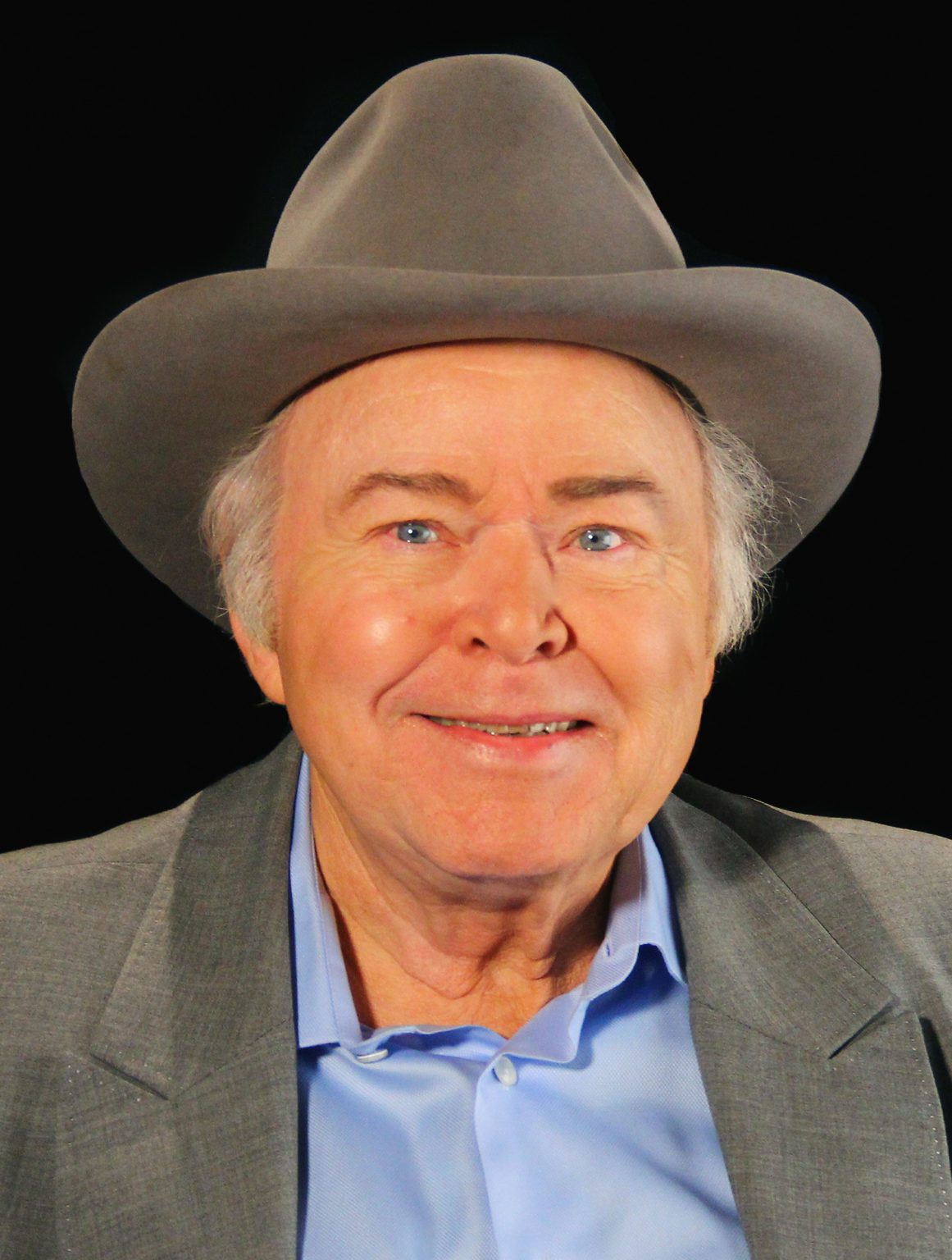
Joe Olson Net Worth: How the FIRE Movement Advocate Built Lasting Wealth
Joe Olson's net worth is estimated between $1.2 million and $1.5 million, accumulated primarily through disciplined saving, real estate investments, and low-cost index funds during his career as an educator. Alongside his wife Ali, he...
Joe Olson's net worth is estimated between $1.2 million and $1.5 million, accumulated primarily through disciplined saving, real estate investments, and low-cost index funds during his career as an educator. Alongside his wife Ali, he achieved financial independence and early retirement in his late 30s, emerging as a widely recognized voice in the Financial Independence, Retire Early (FIRE) movement.
Contents
Who Is Joe Olson? Background and Profile Overview
Joe Olson gained national prominence not as a corporate executive, tech founder, or celebrity entertainer, but as a public school teacher who engineered early retirement through systematic personal finance strategies. Working in the public education system in the Atlanta, Georgia metropolitan area, Olson earned a modest salary that rarely exceeded average middle-class thresholds. Despite these income constraints, he and his wife, Ali Olson, designed a lifestyle centered on high savings rates, intentional frugality, and strategic asset acquisition.
By the age of 38, the couple had accumulated over $1,000,000 in invested assets and real estate equity. Their story became a flagship case study within the Financial Independence, Retire Early (FIRE) movement, attracting widespread coverage from major media outlets including CNBC, Business Insider, and Forbes. Their journey demonstrated that achieving financial freedom does not necessarily require a six-figure corporate executive income or a windfall inheritance; rather, it can be realized through long-term consistency, low living expenses, and prudent investment vehicle selection.
Following their exit from traditional full-time employment, the Olsons launched their blog, Adventuring Along, to document their post-retirement travels, portfolio maintenance, and ongoing financial strategies. Their public disclosures provided rare transparency into how middle-income earners can transition into long-term wealth preservation and global mobility.
Estimating Joe Olson's Net Worth: Breakdown and Financial Timeline
When Joe and Ali Olson retired from public education in 2015, their combined net worth stood at approximately $1,000,000 to $1,100,000. Over the subsequent decade, ongoing capital growth in broad equity markets, combined with rental property appreciation and low personal drawdowns, maintained their net worth in the estimated range of $1.2 million to $1.5 million.
Unlike high-net-worth figures whose wealth is tied to illiquid private equity, corporate stock options, or volatile business valuations, Olson’s net worth is distributed across highly transparent, standard asset classes:
- Broad-Market Index Funds: A core holdings portfolio consisting primarily of low-cost Total Stock Market and Total International Stock Market index funds, providing broad diversification, minimal management fees, and long-term compound growth.
- Residential Real Estate: Income-generating rental properties purchased in affordable housing markets prior to retirement, offering both ongoing monthly cash flow and asset appreciation.
- Cash Reserves and Liquid Assets: High-yield savings accounts and short-term fixed-income holdings designated to cover 1 to 2 years of living expenses, insulating the overall portfolio against short-term stock market downturns.
Estimated Wealth Distribution Baseline
- Equity Index Funds (VTI / VXUS): ~55% - 65%
- Real Estate Equity & Rental Income: ~25% - 35%
- Cash & Short-Term Fixed Income: ~10%
The key driver behind this wealth balance was not speculative trading or high-risk leverage, but rather the compounding effect of reinvested dividends, steady property equity paydown, and a sustained low annual burn rate.
Primary Wealth Generators: Real Estate and Index Funds
Joe Olson’s financial framework relies on a dual-engine wealth building strategy: real estate investing for intermediate cash flow and broad-market index funds for long-term equity compounding.
Residential Real Estate Acquisitions
During their working years, the Olsons utilized real estate as an accelerator for wealth accumulation. Rather than purchasing high-end luxury real estate, they targeted modest residential properties in stable neighborhoods across Georgia. By purchasing properties below market value, executing cost-effective renovations, and renting them to reliable tenants, they generated positive monthly cash flow that supplemented their teaching salaries.
Real estate offered several critical advantages to their strategy:
- Leverage and Debt Paydown: Tenants paid down mortgage principal over time, increasing net equity without requiring additional capital outlays from wages.
- Tax Efficiency: Depreciation deductions and expense write-offs reduced taxable income during high-earning years.
- Inflation Hedge: Rental income and property values naturally adjusted upward alongside inflation, preserving real purchasing power.
Index Fund Investing and the Bogleheads Philosophy
The second pillar of Olson's wealth strategy is passive index fund investing, aligned with the principles popularized by Vanguard founder John Bogle. Instead of picking individual stocks or relying on actively managed mutual funds with high expense ratios, Olson allocated capital into broad-market equity index funds.
Index funds provided low-cost exposure to thousands of publicly traded companies. By consistently purchasing shares regardless of short-term market fluctuations, the portfolio captured global economic growth while minimizing annual administrative fees and turnover taxes.
The Savings Rate Advantage: From Teacher Salary to Early Retirement
The foundational mechanism of Joe Olson's net worth accumulation was an extraordinarily high savings rate. While the average American household saves between 5% and 10% of gross income, the Olsons consistently saved between 50% and 75% of their combined earnings.
Achieving a 70%+ savings rate on educator salaries required a deliberate restructuring of core household expenditures. The couple systematically reduced the three largest expense categories in typical household budgets: housing, transportation, and dining/entertainment.
| Expense Category | Standard Household Approach | Olson Strategy | Impact on Savings |
|---|---|---|---|
| Housing | Purchasing maximum mortgage qualified by lender | Living in modest housing; acquiring multi-unit or rental properties | Reduced primary shelter cost to minimal or net-positive levels |
| Transportation | Financing new vehicles every 3–5 years | Driving older, fully paid-off vehicles; minimizing commute costs | Saved thousands annually in car payments, interest, and insurance |
| Food & Living | Frequent dining out, unmonitored subscription services | Cooking at home, bulk purchasing, intentional discretionary spending | Diverted thousands of dollars per month directly into investment accounts |
| Investment Execution | Saving residual income at end of month | "Paying broad funds first" through automated payroll contributions | Ensured investment targets were met before lifestyle spending occurred |
By controlling fixed costs, the Olsons maximized the gap between income and expenses. This surplus was immediately deployed into income-producing assets, drastically shortening the timeframe required to reach financial independence.
The Financial Independence Methodology: How the Portfolio Was Built
The mathematical framework guiding Joe Olson’s path to financial independence relies on the 4% Rule, derived from the historic Trinity Study. The rule asserts that an investor can withdraw 4% of their initial portfolio value in year one of retirement—adjusting that dollar amount for inflation in subsequent years—with a high probability that the money will last at least 30 years.
To calculate the target net worth required to retire, an individual multiplies expected annual living expenses by 25:
$$\text{Target Portfolio} = \text{Annual Living Expenses} \times 25$$
For example, if a household establishes a lean, comfortable annual living budget of $40,000, the required investment baseline is:
$$$40,000 \times 25 = $1,000,000$$
Because the Olsons designed a low-overhead lifestyle requiring between $30,000 and $40,000 annually, achieving a $1,000,000 net worth threshold fully covered their basic living expenses through investment yields and rental cash flow alone. This milestone eliminated reliance on active employer compensation.
Risk Management and Safe Withdrawal Rates
To mitigate Sequence of Returns Risk—the danger of market crashes occurring early in retirement—Olson incorporated protective buffers into his financial plan:
- Dynamic Withdrawal Adjustments: Reducing discretionary spending during bear markets to preserve underlying portfolio principal.
- Tiered Cash Cushions: Maintaining 12 to 24 months of living expenses in liquid cash to avoid selling equities during market downturns.
- Rental Income Base: Utilizing non-correlated rental property income to cover baseline living costs during periods of high equity market volatility.
Portfolio Asset Allocation and Cash Flow Mechanics
Maintaining a stable net worth throughout early retirement requires balancing asset growth against liquidity needs. The table below details how typical early-retirement FIRE portfolios, such as the one utilized by Joe Olson, distribute assets across risk categories, expected returns, and functional roles within a drawdown strategy.
| Asset Class | Typical Target Allocation | Primary Objective | Liquidity Level | Inflation Protection |
|---|---|---|---|---|
| Total US Stock Market Index | 45% – 55% | Long-term capital growth & dividend reinvestment | High (Settles in 1-2 business days) | Strong (Corporate earnings grow with inflation) |
| Total International Index | 10% – 15% | Geographic diversification & currency hedge | High | Moderate to Strong |
| Investment Real Estate | 20% – 30% | Direct monthly cash flow & capital appreciation | Low (Requires property sale or cash out) | High (Rents adjust with local market rates) |
| High-Yield Cash / Short Bonds | 5% – 10% | Volatility buffer & emergency fund | Very High (Immediate availability) | Low (Subject to purchasing power erosion) |
Financial Sustainability and Long-Term Wealth Preservation
A common question surrounding early retirees who exit the workforce in their 30s is whether a $1 million+ net worth remains sustainable across 40 to 50 years of retirement.
From a long-term capital preservation perspective, portfolios constructed around low-cost index funds and real estate have historically demonstrated strong resilience against inflation and market cycles. For investors who retired in the mid-2010s, strong equity market performance over subsequent years provided substantial growth, expanding portfolio buffers well beyond initial retirement levels.
Key factors contributing to long-term portfolio sustainability include:
- Flexibility of Expenses: Unlike retirees with fixed high overhead, early retirement advocates maintain flexible budgets, allowing them to trim travel or luxury spending during economic recessions.
- Supplemental Passive Income: Ongoing rental income provides steady cash inflows regardless of stock market fluctuations.
- Opportunistic Income: Many early retirees earn occasional income from consulting, blogging, writing, or passion projects without relying on structured employment, further decreasing portfolio drawdown stress.
Key Lessons from Joe Olson's Wealth Strategy
Joe Olson’s path to financial freedom offers practical insights for individuals seeking to build long-term wealth, regardless of their starting salary.
- Focus on the Savings Rate Over Nominal Income: Earning a high salary accelerates wealth accumulation, but savings rate dictates the timeline to financial independence. Saving 50% of a modest income builds freedom faster than saving 5% of a high income.
- Automate Investments Early: Establishing automatic recurring transfers into broad index funds removes emotional decision-making and leverages dollar-cost averaging.
- Keep Fixed Overhead Low: Housing and vehicle costs represent the largest drag on household wealth generation. Minimizing these expenses creates capital efficiency.
- Diversify Across Low-Cost Vehicles: Combining passive index funds with income-producing real estate yields broad market growth alongside inflation-protected cash flow.
- Define Your "Enough" Number: Financial independence requires establishing a specific, calculated target based on realistic living requirements rather than endless consumption.
Frequently Asked Questions
What is Joe Olson's current estimated net worth?
Joe Olson's net worth is estimated between $1.2 million and $1.5 million. This figure stems from his initial retirement target of $1 million in 2015, supported by subsequent equity market growth, real estate equity appreciation, and low annual withdrawal rates.
How did Joe Olson accumulate a $1 million net worth on a teacher's salary?
He achieved this by maintaining a savings rate between 50% and 75% of combined household income, investing aggressively in low-cost broad-market index funds, and acquiring income-generating rental real estate in affordable markets.
What is the FIRE movement?
FIRE stands for Financial Independence, Retire Early. It is a personal finance movement centered on extreme saving, intentional frugality, and low-cost investing to accumulate enough assets to live off portfolio yields, eliminating the need for full-time traditional employment.
Did Joe Olson inherit money to achieve financial independence?
No. Publicly documented reporting confirms that Joe and Ali Olson built their net worth independently through earned income from public education, low living expenses, disciplined saving, and long-term investing.
How does the 4% rule apply to early retirement?
The 4% rule is a guideline suggesting investors can withdraw 4% of their total portfolio in the first year of retirement (adjusted for inflation in following years) with low risk of depleting capital over a multi-decade horizon. Early retirees often use a conservative 3.25% to 3.5% withdrawal rate for added safety across 40+ year timelines.
Does Joe Olson still work or earn an income?
While retired from full-time public school teaching, Olson and his wife manage their investment portfolio, oversee real estate holdings, and occasionally generate minor revenue from writing and media appearances related to their travel and financial blog.
Practical Next Steps for Building Independent Wealth
For investors seeking to implement the personal finance methodology used by early retirees, consider the following actionable steps:
- Calculate Your Current Savings Rate: Determine your total net savings divided by your net income to establish a baseline measure of capital efficiency.
- Establish Your FIRE Target: Multiply your target annual living expenses by 25 to establish your financial independence goal.
- Optimize Core Fixed Costs: Audit housing, automotive, and subscription expenses to free up capital for high-yield investment channels.
- Build a Low-Cost Index Portfolio: Open a low-cost brokerage account and set up automated purchases of broad-market index funds (such as VTI or VOO).
- Evaluate Real Estate Opportunities: Assess local or regional residential real estate markets to determine if rental property acquisitions align with your cash flow and risk profile.
Disclaimer: Personal finance strategies, investment management, and net worth calculations vary based on individual circumstances, tax codes, and market conditions. Consult a licensed financial advisor, CPA, or fiduciary professional before making significant investment or early retirement decisions.
Image Gallery