Understanding the Foreign and Commonwealth Link: A Complete Guide to Civic, Diplomatic, and Legal Frameworks
The Foreign and Commonwealth link represents the legal, constitutional, and administrative framework connecting the United Kingdom to the 56 member states of the Commonwealth of Nations. Administered domestically and internationally vi...
The Foreign and Commonwealth link represents the legal, constitutional, and administrative framework connecting the United Kingdom to the 56 member states of the Commonwealth of Nations. Administered domestically and internationally via the Foreign, Commonwealth & Development Office (FCDO), this connection governs diplomatic representation, consular assistance abroad, official document legalisation, and distinct civic and immigration rights for Commonwealth citizens under UK law.
Contents
What Is the Foreign and Commonwealth Link?
The term "Foreign and Commonwealth link" refers to the statutory, diplomatic, and historical relationships binding the United Kingdom, its overseas territories, Crown dependencies, and independent member nations of the Commonwealth. Rather than a single treaty, this link is woven across multiple primary statutes, international conventions, and administrative services managed by the UK government.
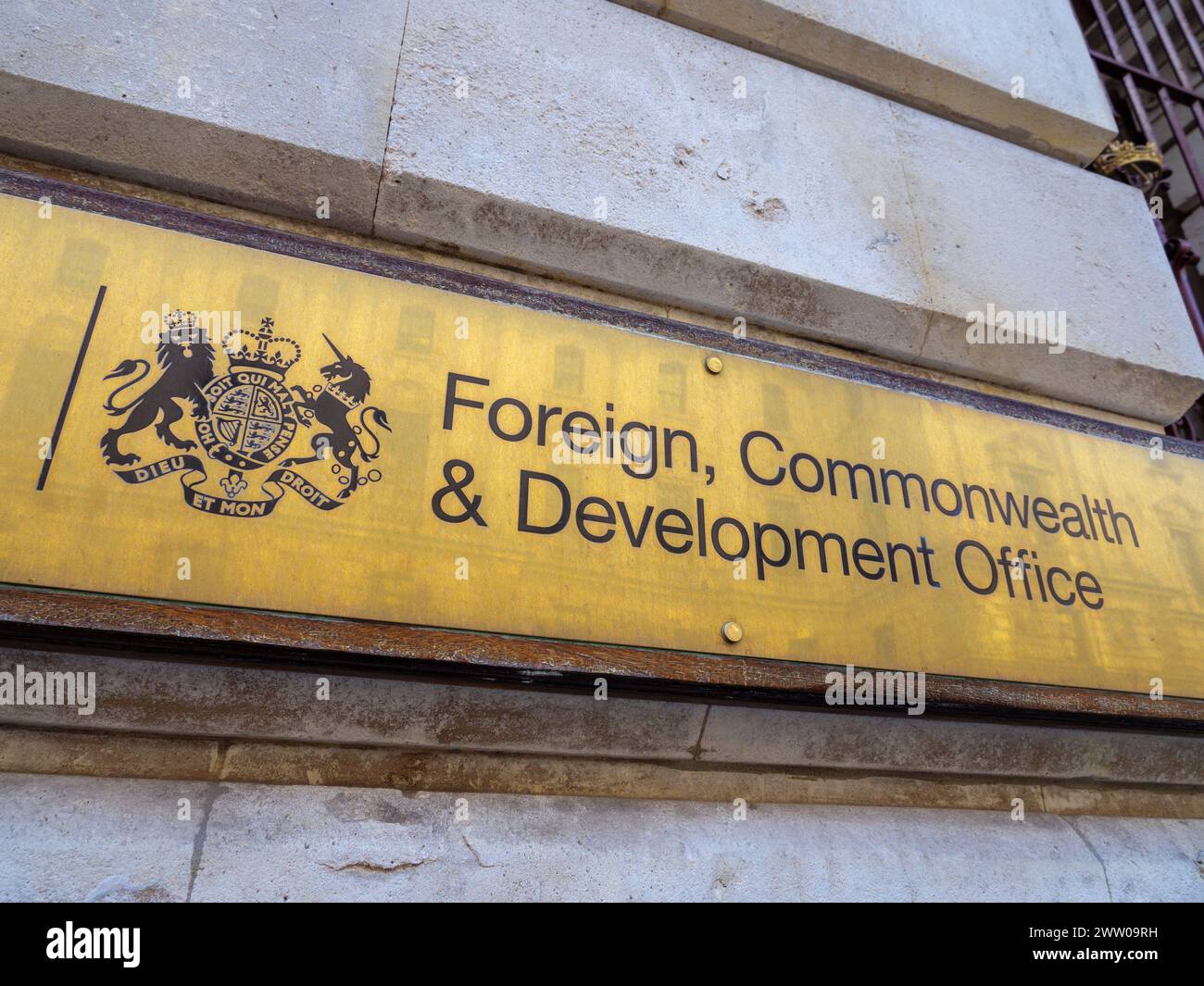
Historically, the administrative side of this connection was managed separately by the Foreign Office and the Commonwealth Relations Office. In 1968, these entities merged to form the Foreign & Commonwealth Office (FCO). In September 2020, the department merged with the Department for International Development to form the modern Foreign, Commonwealth & Development Office (FCDO).
Despite changes in departmental structure, the legal and civic "Commonwealth link" remains distinct in British constitutional and statutory law. Under the British Nationality Act 1981, citizens of all qualifying Commonwealth countries hold the legal status of "Commonwealth citizens" in the United Kingdom. This creates a unique tier of legal recognition between domestic British citizens and non-Commonwealth foreign nationals (aliens).
- Foreign, Commonwealth & Development Office (FCDO)
- Civic & Political Rights
- Voting Rights in UK
- Civil Service Eligibility
- Public Office Candidacy
- Legal & Official Services
- FCDO Legalisation (Apostille Portal)
- Notarial Verification
- Consular & Overseas Protection
- UK Embassy Support for Unrepresented Citizens
- Emergency Travel Papers
- Civic & Political Rights
Core Pillars of the Commonwealth Connection
Understanding how the Foreign and Commonwealth link operates in practice requires examining four key areas: diplomatic assistance, legal document verification, civic participation, and immigration pathways.
1. Diplomatic and Consular Reciprocity
One of the most operational facets of the link is consular assistance in non-Commonwealth countries. Under established diplomatic protocol and British consular guidelines, if a Commonwealth citizen is in a country where their own home government does not maintain an embassy or consulate, they may request emergency consular assistance from a UK diplomatic mission.
While UK embassies cannot intervene in local judicial proceedings or grant full passport renewals to non-British nationals, FCDO consular staff can issue emergency travel documentation, assist in crises, visit citizens in detention, and liaise with local authorities on behalf of the individual's home government.
2. Document Legalisation and Legal Verification
In commercial, legal, and educational contexts, "the Foreign and Commonwealth link" frequently refers to the official online legalisation service provided by the FCDO Legalisation Office. When documents issued in the UK—such as birth certificates, corporate filings, powers of attorney, or university degrees—must be recognized overseas, they must go through document legalisation.
The FCDO verifies the signature, seal, or stamp on a public UK document and attaches a Hague Apostille (under the 1961 Hague Apostille Convention) or an official certificate. This link between UK domestic legal authorities and international jurisdictions ensures that documents are legally binding across borders.
3. Civic and Electoral Privileges in the UK
Unlike non-Commonwealth foreign nationals residing in the UK, qualifying Commonwealth citizens who hold valid leave to enter or remain (or who do not require such leave) enjoy substantial civic rights within the United Kingdom:
- Electoral Voting Rights: Under the Representation of the People Act 1983, qualifying Commonwealth citizens resident in the UK can vote in all UK parliamentary elections, local elections, and devolved assembly elections.
- Standing for Public Office: Commonwealth citizens who satisfy residency conditions are eligible to stand as candidates for election to the UK Parliament, local councils, and devolved legislatures.
- Civil Service Employment: Under the Civil Service Nationality Rules, Commonwealth citizens are eligible to work in the majority of UK Civil Service positions, excluding reserved security and intelligence roles restricted to British nationals.
4. Special Immigration and Nationality Pathways
The statutory connection between the UK and Commonwealth nations provides specific entry and residence routes that are unavailable to non-Commonwealth nationals.
- UK Ancestry Visa: Citizens of Commonwealth countries who can demonstrate that at least one of their grandparents was born in the United Kingdom, the Channel Islands, or the Isle of Man may apply for a five-year UK Ancestry visa. This route offers full work rights and provides a direct path to Indefinite Leave to Remain (ILR) and subsequent naturalisation.
- Right of Abode: Certain Commonwealth citizens who held this status prior to January 1, 1983, retain the "Right of Abode" under Section 2 of the Immigration Act 1971, allowing them to live and work in the UK completely free of immigration restrictions.
Comparing Rights: Commonwealth Citizens vs. Other Categories
To clarify how the legal status of a Commonwealth citizen compares to British citizens and non-Commonwealth foreign nationals residing in the UK, the following breakdown highlights key statutory rights and administrative access points.
| Legal / Administrative Category | British Citizens | Qualifying Commonwealth Citizens in the UK | Non-Commonwealth Foreign Nationals |
|---|---|---|---|
| UK Parliamentary Voting Rights | Full statutory right | Full statutory right (if holding valid leave) | None |
| Eligibility for Civil Service Roles | Fully eligible (including reserved roles) | Eligible for non-reserved roles | Extremely restricted / restricted to specific scheme waivers |
| UK Ancestry Visa Eligibility | Not applicable (already citizens) | Eligible (subject to grandparent birth criteria) | Ineligible |
| UK Legalisation Office Access (FCDO) | Direct access for UK public documents | Direct access for UK public documents | Direct access for UK public documents |
| Consular Assistance from UK Embassies Abroad | Full consular protection | Emergency protection in unrepresented territories | None |
| Right to Hold Elected Public Office | Fully eligible | Fully eligible | Ineligible |
Navigating Practical Services Linked to the FCDO
Whether you are applying for an apostille, exercising civic rights, or seeking diplomatic guidance, accessing services managed under the Foreign, Commonwealth & Development Office framework follows structured administrative processes.
DOCUMENT LEGALISATION PROCESS
- Check Document Eligibility
- Apply via FCDO Official Portal
- FCDO Processing & Verification
- Apostille Issued & Returned
- Global Acceptance or Embassy Stamp
Step 1: Legalising Official Documents (Apostille Process)
- Verify Document Origin: Confirm that the document is an original UK public record or has been certified by a registered UK solicitor or notary public.
- Access the Official FCDO Legalisation Portal: Submit the legalisation request directly through the official UK government portal (gov.uk/get-document-legalised).
- Select Verification Tier: Choose between standard postal verification or commercial express services depending on urgency.
- Pay Administrative Fees: As established by UK statutory instruments, pay the standard per-document apostille fee plus courier dispatch charges.
- Dispatch and Verification: Send documents to the Legalisation Office in Milton Keynes. The FCDO checks official registers, signatures, and stamps before attaching the apostille.
Step 2: Applying for Commonwealth-Specific Immigration Routes
- Determine Commonwealth Status: Verify that your passport is issued by a recognized member state listed under Schedule 3 of the British Nationality Act 1981.
- Gather Historical Records: For Ancestry pathways, collect certified birth certificates establishing the unbroken line between you, your parent, and the UK-born grandparent.
- Submit Entry Clearance Applications: Apply through the official UK Visas and Immigration (UKVI) online system prior to traveling to the UK.
- Satisfy Standard Requirements: Provide evidence of meeting financial self-sufficiency thresholds, English language proficiency (where applicable), and mandatory tuberculosis test results if residing in listed countries.
Common Misconceptions and Legal Limitations
While the Foreign and Commonwealth link provides significant civic and procedural benefits, several common legal misunderstandings persist regarding its actual scope.
Misconception 1: Commonwealth Citizenship Grants Right of Entry to the UK
Holding citizenship in a Commonwealth country does not grant an automatic right to enter, live, or work in the United Kingdom. Commonwealth citizens remain subject to UK immigration controls unless they independently hold the Right of Abode, a valid visa (such as an Ancestry, Skilled Worker, or Student visa), or settled status under UK immigration rules.
Misconception 2: FCDO Embassies Provide Full Legal Representation Overseas
While UK embassies assist Commonwealth citizens in emergency situations in unrepresented countries, this assistance is discretionary and limited by international law. UK diplomatic missions cannot act as private legal counsel, pay fines, override local judicial decisions, or provide long-term welfare funding to foreign nationals.
Misconception 3: British Overseas Territories Citizens Have Identical Status to Commonwealth Citizens
Citizens of British Overseas Territories (BOTCs)—such as Gibraltar, Bermuda, or the Falkland Islands—hold a distinct legal relationship with the United Kingdom under the British Overseas Territories Act 2002. BOTCs hold full British citizenship alongside their territorial citizenship, whereas citizens of independent Commonwealth nations do not hold British citizenship by virtue of their Commonwealth status alone.
Frequently Asked Questions
What is the primary role of the FCDO in relation to the Commonwealth?
The Foreign, Commonwealth & Development Office (FCDO) acts as the primary UK government department responsible for managing diplomatic relations with all foreign states and Commonwealth member nations. It leads the UK's participation in the Commonwealth Heads of Government Meeting (CHOGM), oversees diplomatic missions, administers document legalisation services, and collaborates on joint development and security initiatives across member states.
Can a Commonwealth citizen vote in UK general elections immediately upon arrival?
Yes, provided they hold a valid visa or leave to remain that does not require them to depart immediately, reside in the UK, and register on the local electoral roll. Unlike non-Commonwealth foreign nationals who must acquire indefinite leave to remain or full naturalisation before voting in parliamentary elections, Commonwealth citizens satisfy nationality requirements for electoral registration upon establishing lawful UK residence.
How do I legalise a UK document for use in a Commonwealth country?
You must submit the original UK public document (or a solicitor-certified copy) to the official FCDO Legalisation Office via the GOV.UK portal. The FCDO checks the authenticity of the signature or seal and attaches a Hague Apostille certificate. If the recipient Commonwealth nation is a member of the Hague Apostille Convention, no further embassy legalisation is required.
Does the Commonwealth link grant dual citizenship automatically?
No. Dual citizenship rules are determined independently by the domestic laws of each individual nation. While the UK allows dual nationality for its citizens, individual Commonwealth countries (such as India, Singapore, or Malawi) maintain their own statutory restrictions on dual citizenship.
What happens if a country leaves or joins the Commonwealth?
When a nation joins or leaves the Commonwealth, UK Parliament updates Schedule 3 of the British Nationality Act 1981 by statutory instrument. If a nation withdraws, its citizens lose access to Commonwealth-specific privileges in the UK (such as voting rights and Ancestry visas), subject to transitional legal provisions enacted by Parliament.
Practical Recommendations for Individuals and Legal Practitioners
When navigating matters connected to the Foreign and Commonwealth link, consider these practical, solution-oriented steps:
- Verify Official Eligibility Lists: Always consult the current Schedule 3 list under the British Nationality Act 1981 via official legislation databases to verify whether a country maintains active Commonwealth status under UK law.
- Utilize Official Government Portals for Document Legalisation: Avoid third-party intermediary markups by applying directly to the FCDO Legalisation Office online. Ensure documents meet exact notary or official signature guidelines before submission to prevent delays.
- Verify Voter Registration Requirements: Commonwealth citizens moving to the UK should register on the Electoral Register through their local borough or district council as soon as lawful residence is established to ensure immediate access to civic rights.
- Seek Qualified Legal Guidance on Nationality Claims: For historical British subject status, Right of Abode claims, or complex ancestry applications, consult an immigration adviser registered with the Office of the Immigration Services Commissioner (OISC) or a qualified UK immigration solicitor.
Image Gallery