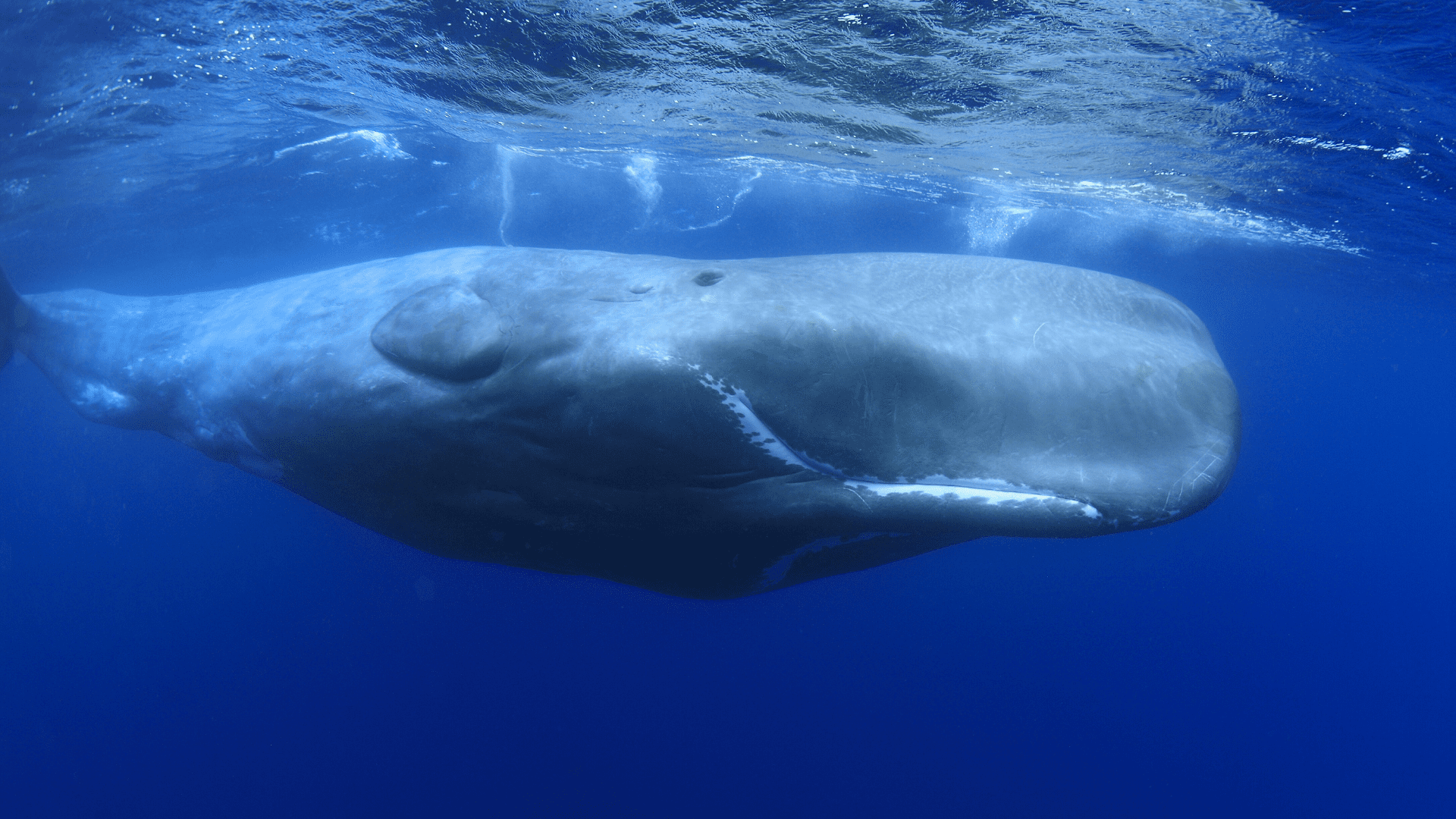
How Sperm Whales Sleeping Patterns Are Studied and Understood Today
Sperm whales exhibit one of the most unusual resting behaviors in the animal kingdom, entering a state of active, vertical logging where entire pods drift motionless near the ocean surface for short intervals. Modern marine biology has...
Sperm whales exhibit one of the most unusual resting behaviors in the animal kingdom, entering a state of active, vertical logging where entire pods drift motionless near the ocean surface for short intervals. Modern marine biology has unlocked these sleeping patterns through advanced tagging technology, passive acoustic monitoring, and direct observational studies, revealing a unique adaptation to the physiological demands of deep-sea diving and mammalian respiration.
Contents
The Evolutionary Paradox of Cetacean Sleep
Marine mammals face a fundamental evolutionary challenge: they breathe air by choice, yet they live in an environment that requires them to submerge for long periods to find food. Unlike terrestrial mammals or even some pinnipeds that can haul out onto land or ice to sleep safely, cetaceans must constantly manage their buoyancy, remain vigilant against predators, and remember to surface for air. This demands a specialized approach to neurological rest.
For decades, scientists debated whether large whales ever truly slept or if they engaged exclusively in unihemispheric slow-wave sleep—a process where one half of the brain remains awake while the other rests, allowing the animal to continue swimming and surfacing. While many smaller cetaceans and dolphins rely heavily on unihemispheric sleep, the discovery of synchronized vertical resting in sperm whales (Physeter macrocephalus) shifted this understanding. It proved that deep-diving pelagic species can achieve short bursts of bihemispheric sleep, shutting down both halves of the brain entirely while drifting in the water column.
The Discovery of Vertical Logging Behavior
The breakthrough in understanding how sperm whales sleep occurred in the early 2000s, when a collaborative team of researchers from the Woods Hole Oceanographic Institution and the Sea Mammal Research Unit utilized advanced suction-cup tags equipped with high-resolution motion sensors and depth recorders. These tags recorded unexpected behavior: adult sperm whales would occasionally stop all movement, assume a vertical or slightly head-up orientation, and sink slowly into the upper layers of the ocean.
During these vertical resting bouts, which typically last between 6 and 24 minutes, the whales are entirely unresponsive to approaching vessels or divers unless physical contact occurs. This stationary posture is commonly referred to as "logging" due to the animals resembling floating logs of wood. Because these episodes account for only a small fraction of a whale's daily routine—roughly 7 percent of its time, typically concentrated during daylight hours—they had easily evaded historical surface observations by commercial whalers and early naturalists.
| Sleep Characteristic | Sperm Whale (Physeter macrocephalus) | Bottlenose Dolphin (Tursiops truncatus) | Terrestrial Mammals (e.g., Humans) |
|---|---|---|---|
| Primary Sleep State | Bihemispheric slow-wave sleep (short durations) | Unihemispheric slow-wave sleep | Bihemispheric slow-wave sleep (extended duration) |
| Posture | Vertical head-up logging near the surface | Continuous slow forward swimming | Horizontal lying position |
| Duration per Bout | 6 to 24 minutes | Continuous interspersed rest over 24 hours | 6 to 9 hours continuous nightly |
| Total Daily Sleep | Approximately 7% of the day (roughly 2 hours) | Varies, but maintains continuous movement | 25% to 35% of the day |
| Vigilance During Sleep | None (unresponsive while logging) | High (one eye open, swimming maintained) | None (unconscious) |
Physiological Adaptations and Respiratory Management
Resting vertically in the water column requires precise physiological control. Sperm whales are negatively buoyant when their lungs are completely filled or emptied to certain extremes, but they can adjust their internal air volumes and tissue gas concentrations to achieve neutral or slight positive buoyancy just beneath the surface.
Because sperm whales are breath-hold divers that store large amounts of oxygen in their blood and muscle tissue via high concentrations of myoglobin and hemoglobin, entering a sleep state requires careful metabolic management. During a logging episode, their heart rate drops significantly to conserve oxygen, mirroring the physiological response observed during deep foraging dives. However, unlike a foraging dive where the whale is actively swimming and hunting at depths of up to 1,000 meters or more, a sleep dive occurs within the top 15 meters of the water column.
The brevity of these sleep episodes is a direct consequence of breath-holding constraints. Because the whales are not breathing while logging, they cannot remain in this vulnerable state indefinitely. Once the sleep cycle concludes, the whale typically exhibits a burst of activity, surfaces to breathe and recover its oxygen reserves, and then resumes normal traveling or foraging behaviors.
Social Dynamics and Pod Synchronization
Sperm whales are highly social mammals that live in matrilineal groups consisting of adult females and their offspring. Consequently, their sleeping patterns are not solitary events; rather, they exhibit a high degree of social synchronization. When one member of a pod enters a resting state, other members often follow suit, resulting in striking visual formations of multiple vertical whales drifting together in parallel alignment.
This synchronized logging serves a vital protective function. A single, motionless sperm whale floating near the surface is vulnerable to attacks from killer whales (Orca) or entanglement in maritime debris. By resting in tightly packed groups, the pod enhances its collective situational awareness. Once the logging period ends, the whales awaken simultaneously, resume social bonding, or prepare for their next coordinated deep-sea foraging expedition.
Technological Advances in Studying Cetacean Rest
Investigating the sleep habits of open-ocean leviathans requires sophisticated non-invasive instrumentation. Modern marine biology relies heavily on several key technological tools to monitor these elusive behaviors without disrupting natural routines:
- High-Resolution DTAGs: Suction-cup tags outfitted with tri-axial accelerometers, magnetometers, and pressure sensors record pitch, roll, heading, and depth at frequencies exceeding 50 hertz, providing precise reconstructions of underwater orientation.
- Passive Acoustic Monitoring (PAM): Hydrophone arrays track vocalization output, revealing that sperm whales completely cease their characteristic clicking and echolocation while in a vertical resting state.
- Unmanned Aerial Vehicles (Urones): Drones provide aerial perspectives on surface pod structures, mapping the spatial distribution and clustering of resting whales relative to one another.
These integrated methodologies have transformed speculation into empirical certainty, allowing scientists to map the precise micro-architecture of pelagic rest.
Frequently Asked Questions
Do sperm whales sleep while swimming?
Unlike many dolphin species that utilize unihemispheric sleep to swim and rest simultaneously, sperm whales enter a state of total bihemispheric sleep. During these moments, they stop swimming entirely and drift vertically near the ocean surface.
How long do sperm whales sleep each day?
Sperm whales sleep for remarkably short periods compared to terrestrial mammals, totaling only about 7 percent of their day, which amounts to roughly two hours of cumulative rest distributed across multiple short bouts.
Are sperm whales vulnerable to predators while sleeping?
Yes. Because they become entirely unresponsive during vertical logging episodes, resting pods rely on synchronized behavior and group defense mechanisms to deter potential threats such as killer whales.
Why do sperm whales sleep in a vertical position?
Vertical logging allows the whales to remain buoyant within the upper water column with minimal muscular effort while conserving oxygen and shutting down both hemispheres of the brain for restorative sleep.
Conclusion and Next Actions
Understanding the sleeping patterns of sperm whales bridges critical gaps in mammalian evolutionary biology and highlights the complex physiological adaptations required for life in the open ocean. For researchers and conservationists, mapping these resting habitats underscores the importance of minimizing vessel strike risks in high-traffic pelagic corridors. Observers and maritime operators should maintain safe distances when encountering stationary pods, ensuring these vulnerable resting behaviors remain uninterrupted.
Image Gallery