Strategic Guide to Selecting and Partnering With an Auto Dealers Marketing Agency
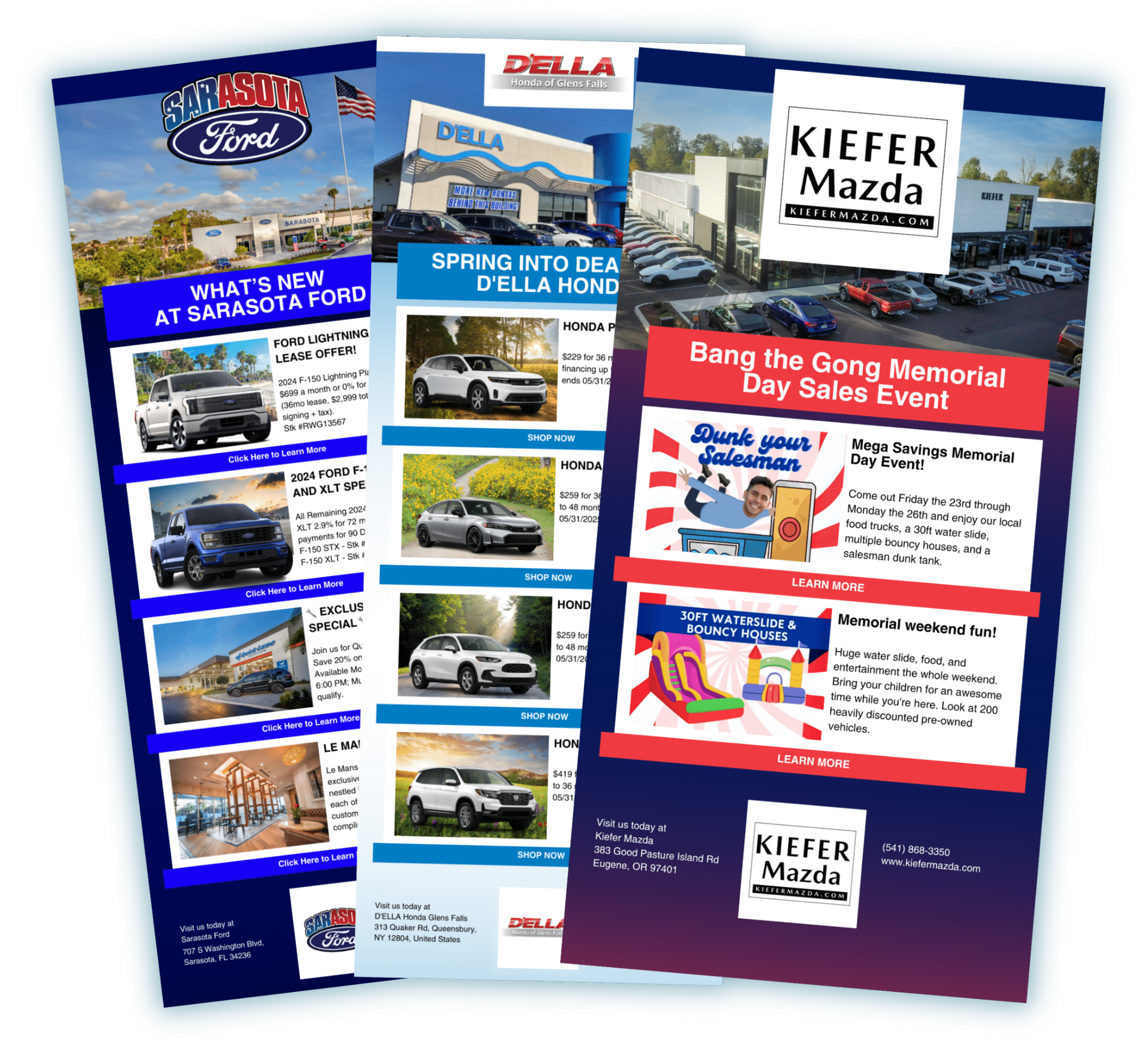
Navigating the competitive automotive retail landscape requires specialized promotional strategies, making an auto dealers marketing agency a vital partner for franchise and independent dealerships looking to increase vehicle inventory...
Navigating the competitive automotive retail landscape requires specialized promotional strategies, making an auto dealers marketing agency a vital partner for franchise and independent dealerships looking to increase vehicle inventory turns, lower cost-per-lead, and maximize fixed-ops revenue.
Contents
Choosing the right marketing partner for an automotive dealership involves evaluating a vendor’s understanding of dealership management systems (DMS), tier-three cooperative advertising compliance, and digital retailing pipelines. Unlike standard local business marketers, automotive agencies must navigate complex inventory data feeds, manufacturer brand guidelines, and unique buyer journeys spanning both digital research and physical showroom visits. Dealership principals and general managers must look beyond basic social media management and seek verified expertise in tiered advertising structures, search engine marketing tailored to local trade radiuses, and CRM integration workflows.
Understanding the Automotive Retail Marketing Ecosystem
The automotive marketing industry operates within a rigid, multi-layered framework often categorized by Tier 1, Tier 2, and Tier 3 structures. Comprehending these distinctions is essential for any dealership evaluating external agency partnerships.
- Tier 1 (National): OEM (Original Equipment Manufacturer) branding, national television campaigns, and broad awareness initiatives.
- Tier 2 (Regional): Dealer associations, regional sales events, and localized broadcast or streaming buys.
- Tier 3 (Local): Individual rooftops or dealer groups focusing on hyper-local foot traffic, immediate inventory clearance, and service department retention.
An auto dealers marketing agency primarily operates at Tier 3, though top-tier agencies coordinate seamlessly with Tier 2 regional guidelines. Dealerships must ensure that any digital partner understands OEM co-op advertising regulations. Co-op funds require precise invoice matching, strict adherence to brand fonts, logos, and disclaimer language, and timely submission windows. Failing to meet these compliance guidelines can forfeit thousands of dollars in manufacturer reimbursement funds.
Furthermore, dealership marketing requires real-time synchronization with active inventory. An effective agency does not run static advertisements for vehicles that sold three days ago. They implement dynamic inventory syndication, connecting the dealership’s DMS and inventory management tools—such as vAuto or Dealer Specialties—directly to paid search, social media catalog ads, and display networks. When a vehicle is marked as sold or pending, the corresponding digital ad must automatically pause or pivot to similar stock.
Core Services Offered by Specialized Automotive Agencies
Specialized marketing partners provide a suite of integrated services designed to capture high-intent car buyers at various stages of the purchase funnel. Evaluating an agency requires analyzing its capabilities across several foundational pillars.
Search Engine Optimization and Local Search
Local search engine optimization (SEO) is critical for capturing consumers searching for phrases like "Ford dealership near me" or "certified pre-owned SUVs for sale." An automotive SEO agency optimizes Google Business Profile listings for every rooftop and service department, manages local citation consistency across automotive directories (such as Cars.com, CarGurus, and Edmunds), and builds localized landing pages targeting surrounding towns and neighborhoods. Technical SEO ensures that vehicle detail pages (VDPs) load rapidly and index correctly in search engine results.
Paid Search and Social Media Advertising
Paid media management for dealerships extends far beyond simple keyword bidding. It encompasses Google Performance Max campaigns, hyper-targeted Facebook and Instagram inventory ads, and video campaigns on YouTube and OTT (Over-The-Top) streaming platforms. Agencies leverage first-party customer data to build lookalike audiences based on past purchasers, service loyalists, and financing applicants. Retargeting strategies ensure that a user who spends ten minutes examining a specific truck's VDP on the dealership website sees that exact vehicle across their preferred digital touchpoints.
Reputation Management and Customer Review Acquisition
Word-of-mouth remains a primary driver of automotive retail trust. Specialized agencies implement automated review generation software that triggers SMS or email requests immediately following a vehicle delivery or a service department visit. Proactive review monitoring allows dealerships to respond swiftly to negative feedback on Google, Yelp, and DealerRater, mitigating brand damage and demonstrating a commitment to customer satisfaction.
| Marketing Channel | Primary Objective | Key Performance Indicators (KPIs) | Co-op Eligibility |
|---|---|---|---|
| Paid Search (PPC) | Capture high-intent buyers searching for specific makes/models. | Cost-per-lead (CPL), Click-through rate (CTR), VDP views. | Frequently eligible with OEM approval. |
| Social Media Ads | Build brand awareness and retarget website visitors with inventory. | Return on ad spend (ROAS), cost-per-click, lead form submissions. | Varies by manufacturer guidelines. |
| Local SEO | Dominate map packs and organic search for local geographic queries. | Map views, phone calls, driving directions requests. | Rarely eligible directly; supports organic trust. |
| Email & CRM Marketing | Drive lease returns, trade-ins, and service bay retention. | Open rates, appointment bookings, repair order value. | Generally ineligible; funded internally. |
Evaluating and Selecting an Agency Partner
Selecting the right vendor requires moving past high-pressure sales pitches and examining verifiable operational metrics. Dealership groups should conduct a rigorous RFP (Request for Proposal) process to vet prospective partners.
When vetting an agency, request case studies that feature verifiable data from rooftops of comparable size and franchise types. An agency successful with a high-volume pre-owned independent lot may not possess the infrastructure required for a multi-franchise luxury group. Inquire about team structure: Will the dealership have a dedicated account manager with automotive experience, or will accounts be rotated among junior media buyers handling dozens of clients simultaneously?
Transparency is non-negotiable. Dealerships must retain direct ownership of all digital assets, including Google Business Profiles, Google Analytics properties, ad accounts (Google Ads, Meta Business Manager), and domain registrations. Agencies that keep ad accounts locked behind proprietary walls make it difficult for dealerships to audit spending or transition to a new partner if performance declines. Insist on clear, real-time reporting dashboards that track actual sales conversions and DMS-matched attribution, rather than vanity metrics like impressions and clicks alone.
Operational Limitations and Common Pitfalls
Even the most sophisticated marketing agency cannot overcome fundamental operational deficiencies within the dealership itself. Recognizing these limitations prevents friction between retail staff and marketing partners.
- Lead Response Time: Digital leads decay rapidly. If internet sales consultants take hours to respond to a contact form or chat inquiry, high ad spend is wasted. Agencies can drive traffic, but dealership personnel must convert it.
- CRM Data Hygiene: If customer records in tools like VinSolutions, DealerSocket, or DriveCentric are outdated, misspelled, or lacking email addresses, email and direct mail campaigns will fail to yield results.
- Pricing and Transparency: Online pricing must align with showroom pricing. Agencies frequently run ads highlighting internet pricing or special lease terms; if customers encounter hidden dealer fees upon arriving at the showroom, conversion rates plummet and brand trust erodes.
Furthermore, dealerships must remain cautious of agencies guaranteeing unrealistic outcomes, such as a specific cost-per-lead that defies regional market realities, or instantaneous dominance in competitive metropolitan search markets. Sustainable automotive marketing requires continuous budget optimization, seasonal adjustments for model-year changeovers, and ongoing testing of ad creatives.
Frequently Asked Questions
What is the typical pricing structure for an auto dealers marketing agency?
Agencies typically charge either a flat monthly retainer or a percentage of total media spend (ranging from 10% to 20%), combined with initial setup or software implementation fees. Transparent agencies clearly separate management fees from actual media spend paid directly to platforms like Google and Meta.
How do automotive marketing agencies handle Tier 3 co-op compliance?
Agencies experienced in automotive retail maintain dedicated compliance teams that understand specific OEM guidelines for brands like Ford, Chevrolet, Toyota, or Honda. They generate pre-approved creative assets, secure prior authorization when required, and compile mandatory proof-of-performance documentation for seamless reimbursement.
How does an agency integrate marketing data with a dealership DMS?
Advanced agencies use specialized middleware and conversion tracking tools to bridge the gap between digital ad clicks and actual vehicle sales recorded in the Dealer Management System (DMS). This closed-loop attribution allows dealerships to calculate true return on investment based on closed deals rather than raw lead form submissions.
What is the difference between a general marketing agency and an automotive-specific agency?
General marketing agencies often lack familiarity with automotive terminology, DMS integrations, trade-in valuation loops, and strict manufacturer co-op guidelines. Automotive-specific agencies understand the nuances of inventory turns, fixed-ops marketing, and the distinct buying behaviors associated with leasing, financing, and cash purchases.
How long does it take to see measurable results from a new automotive marketing campaign?
While paid search and social media campaigns can generate initial leads within days of launch, achieving optimal performance typically takes 60 to 90 days. This runway allows algorithms to gather sufficient conversion data, refine audience targeting, and stabilize cost-per-lead metrics.
Who owns the digital advertising accounts created by the agency?
The dealership must always retain absolute ownership and administrative control over all digital properties, including Google Ads accounts, Meta Business Managers, domain names, and analytics profiles. Partnerships should be structured so that the dealership remains the primary account holder.
Strategic Next Actions for Dealership Management
Begin the agency evaluation process by conducting an internal audit of your dealership's current digital footprint, lead response times, and co-op reimbursement success rate. Request comprehensive audits from at least three specialized automotive marketing agencies, ensuring they provide transparent breakdowns of proposed media spend versus management fees. Verify that any prospective partner guarantees full asset ownership and utilizes closed-loop attribution tied directly to your dealership management system before signing a long-term agreement.
Image Gallery