Why the Boeing 717 Matters to Delta Air Lines: A Strategic Legacy
The Boeing 717 served as a cornerstone of Delta Air Lines' domestic strategy for over a decade, providing a bridge between inefficient regional jets and larger mainline narrow-bodies. By offering superior seat-mile costs on short-haul...
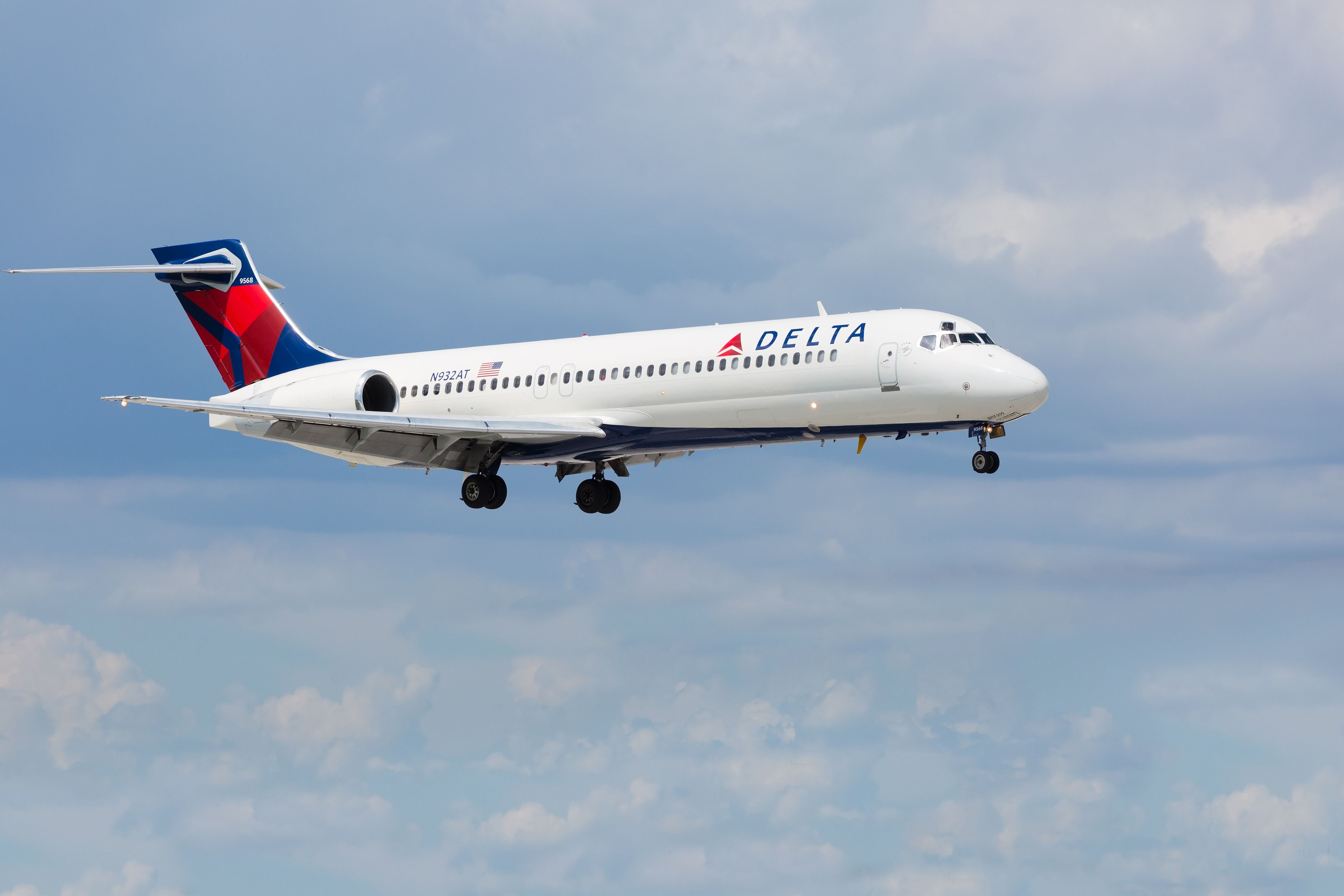
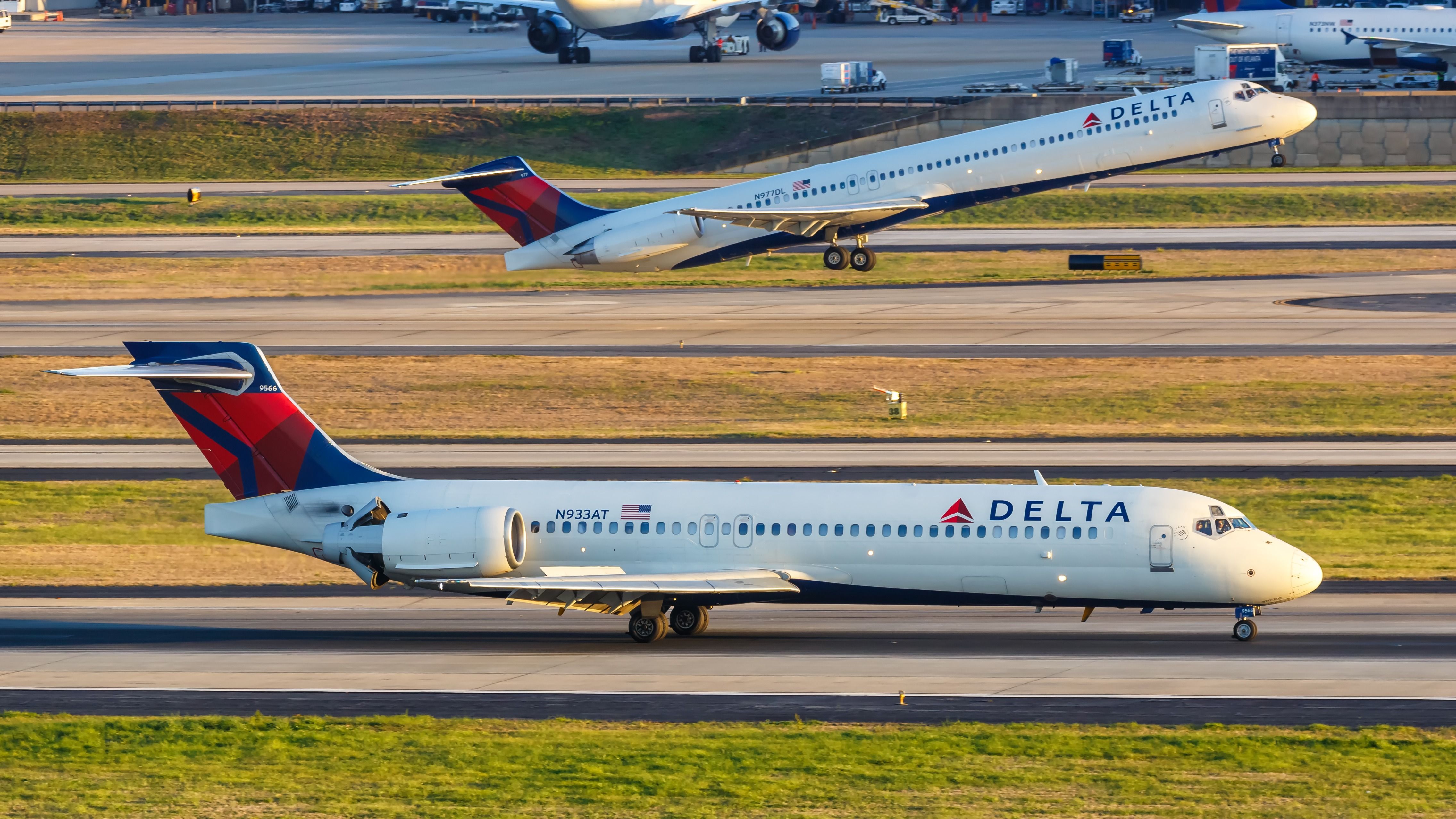
The Boeing 717 served as a cornerstone of Delta Air Lines' domestic strategy for over a decade, providing a bridge between inefficient regional jets and larger mainline narrow-bodies. By offering superior seat-mile costs on short-haul routes and a preferred 2-3 seating configuration, the 717 allowed Delta to upgauge capacity from 50-seat aircraft while maintaining high-frequency schedules at key hubs like Atlanta and Detroit.
Contents
For years, the Boeing 717-200 was the "quiet workhorse" of the Delta fleet. While it never captured the glamour of the long-haul Airbus A350s or the modern tech-heavy profile of the Airbus A220, its impact on Delta’s bottom line and operational efficiency was profound. As we look at the aviation landscape in 2026, the 717 has completed its primary mission: transitioning Delta away from the era of "small jet" regional flying and setting the stage for a modernized, secondary-market-focused fleet strategy.
The Strategic Acquisition: A Masterstroke in Fleet Planning
The story of why the 717 matters to Delta begins not with a purchase from Boeing, but with a unique deal with Southwest Airlines. Following Southwest’s acquisition of AirTran Airways in 2011, the Dallas-based carrier found itself with 88 Boeing 717s that did not fit its "all-Boeing 737" business model. Delta Air Lines, under the leadership of then-CEO Richard Anderson, saw a massive opportunity.
Delta’s strategy at the time was unconventional. While other major carriers were buying brand-new aircraft at high capital costs, Delta focused on acquiring "mid-life" aircraft with low acquisition costs. By taking over the leases of the entire AirTran 717 fleet from Southwest starting in 2012, Delta achieved several goals:
- Immediate Scale: Delta overnight became the world’s largest operator of the 717, gaining a specialized fleet that was already configured for high-cycle, short-haul domestic operations.
- Low Capital Expenditure: Because these were used aircraft, the "ownership" cost was significantly lower than buying new Boeing 737-700s or Airbus A319s.
- Consistency: Having 88 identical aircraft allowed for streamlined maintenance programs and crew scheduling, specifically targeting the high-frequency "business shuttle" routes.
The "Regional Jet Killer": Improving the Economics of Short-Haul
Perhaps the most significant reason the 717 mattered to Delta was its role in the "upgauging" strategy. In the early 2010s, the U.S. domestic market was saturated with 50-seat regional jets like the CRJ-200. These aircraft were unpopular with passengers due to cramped cabins and were increasingly expensive for airlines to operate as fuel prices rose and pilot shortages began to squeeze regional partners.
The Boeing 717 offered roughly 110 seats—more than double the capacity of a small regional jet—but with far better economics. By replacing two 50-seat regional flights with one 110-seat 717 flight, Delta could:
- Reduce Cost Per Available Seat Mile (CASM): Larger aircraft almost always offer better efficiency per passenger.
- Relieve Congestion: By reducing the number of takeoffs and landings at congested hubs like Hartsfield-Jackson Atlanta International Airport (ATL), Delta could maximize its limited runway slots.
- Improve the Product: Moving passengers from a regional jet to a mainline 717 meant adding First Class cabins, Delta Comfort+, and wider seats, which allowed Delta to command higher ticket prices on short routes.
Technical Specifications and Operational Strengths
The Boeing 717 was essentially a modernized McDonnell Douglas MD-95. It was designed specifically for high-frequency, short-distance flying—what the industry calls "high cycle" operations. This made it a perfect fit for Delta’s hub-and-spoke system.
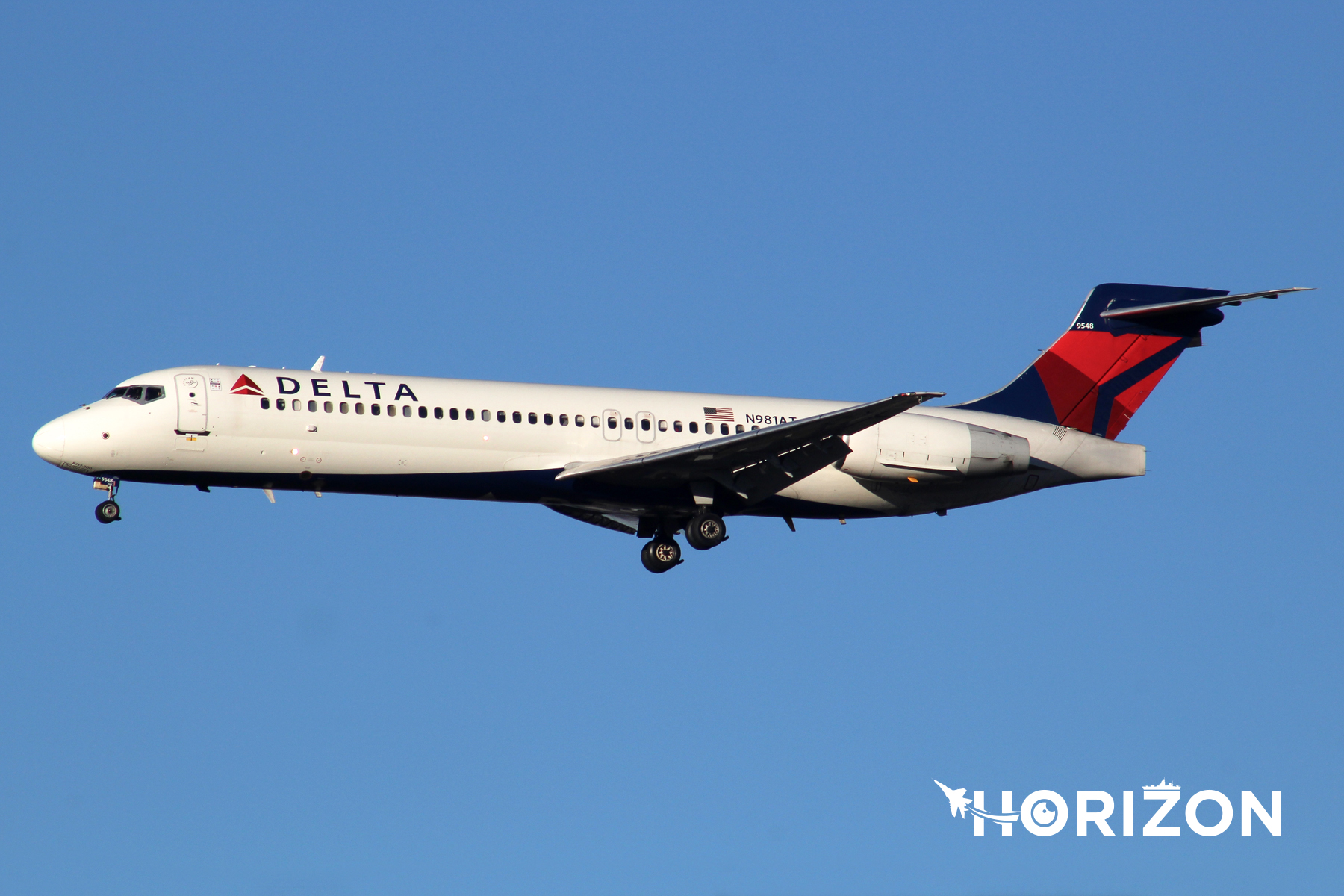
The aircraft featured two Rolls-Royce BR715 engines mounted on the rear fuselage. This configuration resulted in an incredibly quiet cabin for passengers in the front two-thirds of the plane. Furthermore, the 717 was known for its "ruggedness." It could handle six to eight flights a day with minimal turnaround time, a requirement for the short "hops" between cities like Atlanta, Charlotte, Nashville, and Birmingham.
Boeing 717 vs. Comparable Delta Fleet Options
| Feature | Boeing 717-200 | Bombardier CRJ-900 | Airbus A220-100 |
|---|---|---|---|
| Typical Seating | 110 Seats | 76 Seats | 109 Seats |
| Seating Configuration | 2-3 (Main Cabin) | 2-2 (Main Cabin) | 2-3 (Main Cabin) |
| Engine Type | Rolls-Royce BR715 | GE CF34-8C5 | Pratt & Whitney GTF |
| Range | 1,430 nmi | 1,550 nmi | 3,450 nmi |
| Primary Role | Short-haul high-frequency | Regional feeder | Premium short/mid-haul |
| Max Takeoff Weight | 110,000 lbs | 80,500 lbs | 134,000 lbs |
Passenger Preference: The 2-3 Seating Advantage
From a passenger experience (PaxEx) perspective, the 717 was a favorite among Delta’s frequent flyers. Unlike the Boeing 737 or Airbus A320 families, which feature 3-3 seating in the Main Cabin, the 717 utilized a 2-3 layout.
This meant that only 20% of the seats in a row were middle seats, compared to 33% on a standard narrow-body. For business travelers on the "Atlanta-to-anywhere" routes, the higher probability of an aisle or window seat was a major selling point. Delta maintained this advantage by ensuring that even as the aircraft aged, they were retrofitted with modern interiors, including high-capacity overhead bins and updated seat covers, keeping the fleet feeling current alongside the newer A321s.
Maintenance and the "Mad Dog" Connection
The 717 mattered to Delta because of its lineage. Delta has a long, storied history with McDonnell Douglas aircraft, having operated massive fleets of MD-88s and MD-90s (affectionately known as "Mad Dogs").
The 717 shared significant DNA with these older models. While the flight deck was much more advanced—featuring a six-screen Honeywell electronic flight instrument system (EFIS) similar to the Boeing 777—the basic airframe and many mechanical systems were familiar to Delta’s TechOps (maintenance) team. This familiarity reduced the "learning curve" that typically comes with introducing a new aircraft type, allowing Delta to maintain high dispatch reliability from day one of the 717's arrival.
The Transition to Retirement in 2025-2026
By 2020, Delta announced a definitive timeline for the retirement of the Boeing 717. As we stand in 2026, the fleet has reached its sunset. The decision to retire the 717 was driven by several factors that illustrate why it was ultimately a "transitional" aircraft:
- Fuel Efficiency: While the BR715 engines were efficient for their time, they cannot compete with the 20%+ fuel savings offered by the latest generation of geared turbofans (GTF) found on the Airbus A220.
- Maintenance Cycles: As aircraft age, the cost of "heavy checks" (C and D checks) increases. For a fleet acquired used, the point where maintenance costs outweigh operational benefits arrives sooner.
- The Airbus A220: The A220-100 is the spiritual and literal successor to the 717. It offers the same 2-3 seating and 110-seat capacity but with significantly more range and better technology.
The 717 was the bridge. It allowed Delta to wait for the A220 to mature and for the market to shift before committing billions to a new-build fleet. It provided the capacity Delta needed during a period of massive growth in its primary hubs without the massive debt associated with new deliveries.
Frequently Asked Questions
Why did Delta choose the 717 over the Boeing 737-700?
Delta actually operated both, but the 717 was preferred for very short routes. The 717 is lighter and optimized for short cycles (takeoffs and landings), whereas the 737-700 is built for longer-range missions. The 717's acquisition cost was also significantly lower because Delta took over existing leases from Southwest.
Is the Boeing 717 still flying for Delta in 2026?
Per Delta's 2020 fleet modernization plan, the Boeing 717 was scheduled for full retirement by the end of 2025. In 2026, the fleet is largely in storage or has been sold for parts, replaced primarily by the Airbus A220-100 and larger A321neo variants.
Was the 717 a safe aircraft for Delta?
Yes, the Boeing 717 has one of the best safety records in aviation history, with zero hull-loss accidents resulting in fatalities. Delta’s rigorous maintenance program (TechOps) ensured that despite the high-cycle nature of the flying, the aircraft remained exceptionally reliable.
Why did Southwest Airlines give these planes to Delta?
Southwest operates a strictly Boeing 737 fleet to keep training and maintenance costs low. When they acquired AirTran, the 717s were an "oddball" fleet that required different pilots, different mechanics, and different spare parts. Delta, which has always managed a diverse "complex" fleet, was the perfect partner to take them off Southwest's hands.
What happened to the 717s after Delta retired them?
Many have been sent to major aircraft boneyards (such as Marana, Arizona) for part-out. The Rolls-Royce BR715 engines remain valuable for the few remaining 717 operators globally or for use in other industrial applications. Some may find second lives with smaller niche carriers, though most are reaching the end of their pressurized cycle limits.
Practical Recommendation for Aviation Analysts
To understand the current state of Delta’s domestic network in 2026, analysts should look at the Airbus A220-100 utilization rates. The A220 has officially assumed the role the 717 held, but with the added capability of "long-thin" routes (long distances with lower passenger demand). While the 717 was restricted to short hops, the replacement fleet allows Delta to fly from a hub like Salt Lake City to a smaller East Coast city profitably—a move the 717 could never make. The legacy of the 717 is not just the flights it performed, but the "mainline-only" regional strategy it proved was possible.
Image Gallery