Travis Barker Pancreatitis Diagnosis and Treatment Pathway: A Clinical Perspective
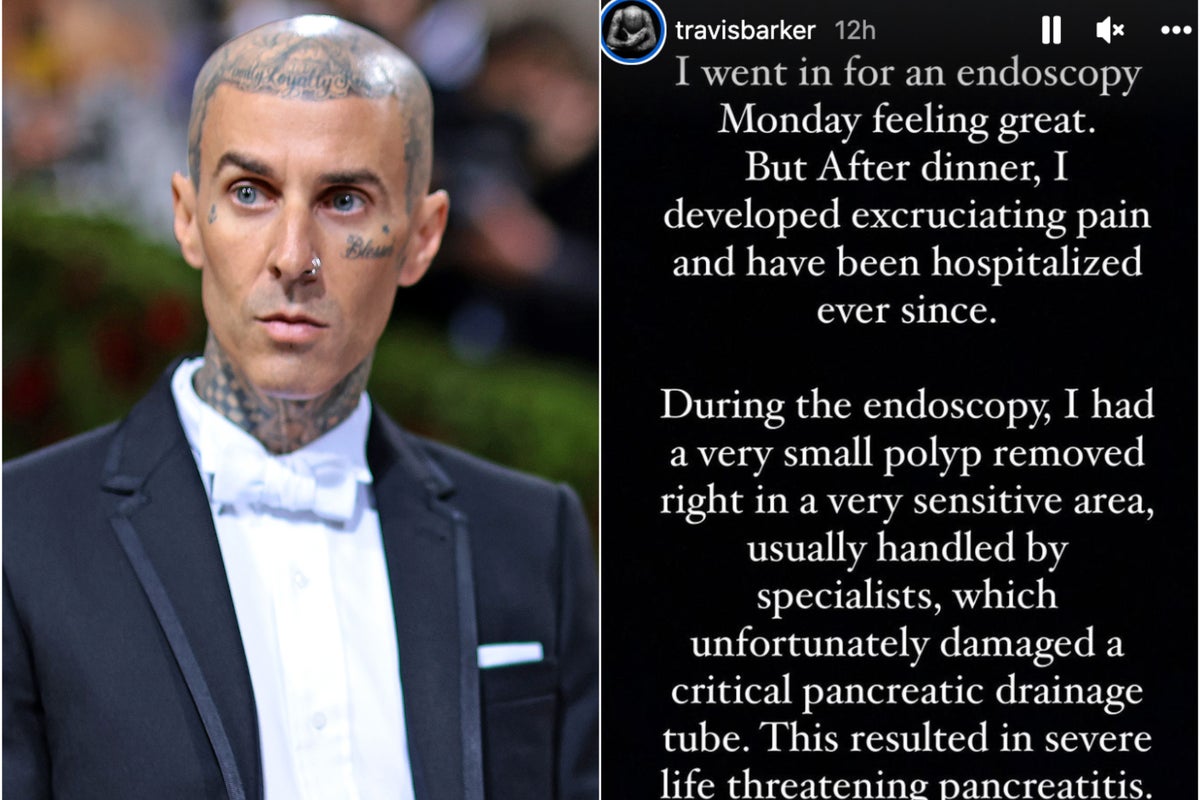
Travis Barker’s acute pancreatitis diagnosis in June 2022 followed a routine colonoscopy where a polyp was removed, resulting in a rare but severe injury to the pancreatic duct. His treatment pathway required immediate hospitalization,...
Travis Barker’s acute pancreatitis diagnosis in June 2022 followed a routine colonoscopy where a polyp was removed, resulting in a rare but severe injury to the pancreatic duct. His treatment pathway required immediate hospitalization, aggressive intravenous fluid resuscitation, and strict nutritional rest to manage life-threatening inflammation and prevent systemic organ failure.
Contents
In the years following his recovery, Barker’s case has become a high-profile example of the complexities involving post-procedural complications. As of 2026, the medical community continues to use cases like Barker’s to highlight the importance of early diagnostic intervention and the specialized care required for patients undergoing rapid recovery for high-demand careers.
Understanding Travis Barker’s 2022 Medical Emergency
The medical emergency involving Blink-182 drummer Travis Barker began as a seemingly standard health screening. In late June 2022, Barker underwent a colonoscopy, a routine procedure for colorectal cancer screening. During the procedure, a small polyp was identified and removed. While polyp removal is generally a safe and common practice, the proximity of certain polyps to the pancreatic duct can occasionally lead to complications.
In Barker’s case, the removal of the polyp triggered acute pancreatitis, a condition characterized by the sudden inflammation of the pancreas. The pancreas is a vital organ located behind the stomach that produces digestive enzymes and hormones like insulin. When the organ becomes inflamed, these enzymes, which are normally inactive until they reach the small intestine, become active while still inside the pancreas. This leads to a process known as autodigestion, where the pancreas begins to damage its own tissue, leading to intense pain and potential systemic inflammation.
The severity of Barker's condition was described by the artist himself as "life-threatening." This stems from the fact that acute pancreatitis can quickly escalate into systemic inflammatory response syndrome (SIRS), which may lead to multi-organ failure, including the lungs and kidneys.
The Diagnostic Pathway: Identifying Acute Pancreatitis
The diagnosis of acute pancreatitis in a clinical setting follows a rigorous protocol, often referred to as the Atlanta Classification. To be diagnosed with the condition, a patient must generally meet two of the following three criteria: characteristic abdominal pain, elevated serum enzymes, and definitive findings on medical imaging.
Clinical Presentation and Symptoms
Barker’s diagnostic journey began with the onset of "excruciating" abdominal pain. In acute pancreatitis, this pain is typically located in the upper abdomen (epigastric region) and often radiates to the back. It is frequently accompanied by nausea, vomiting, and a rapid pulse. For Barker, the pain was severe enough to necessitate immediate emergency transport to Cedars-Sinai Medical Center in Los Angeles.
Laboratory Analysis
Upon arrival at the hospital, medical teams would have prioritized blood tests to measure levels of amylase and lipase. These are digestive enzymes produced by the pancreas. In a healthy individual, these enzymes circulate in the blood at low levels. However, during an acute inflammatory event, lipase levels typically rise to at least three times the upper limit of normal. Lipase is considered the more specific biomarker for pancreatitis compared to amylase, as it remains elevated for a longer period and is more closely tied to pancreatic tissue damage.
Diagnostic Imaging
To confirm the diagnosis and assess the extent of the inflammation, imaging is essential. A Computed Tomography (CT) scan with intravenous contrast is the gold standard for evaluating pancreatic necrosis (tissue death) and fluid collections. In Barker’s specific pathway, imaging would have been used to identify the "injury" to the pancreatic duct mentioned in his public statements. This mechanical trigger—the disruption of the ductal system during the prior procedure—was the definitive cause of his acute episode.
The Treatment Pathway: From Critical Care to Recovery
Once the diagnosis was confirmed, Barker’s treatment pathway shifted toward stabilizing his vital signs and allowing the pancreas to "rest." The management of acute pancreatitis is primarily supportive, as there is no specific "cure" that immediately reverses the inflammation.
Aggressive Fluid Resuscitation
The most critical component of early treatment is intravenous (IV) fluid resuscitation. Pancreatitis causes significant fluid shifts, where liquid from the bloodstream leaks into the "third space" (the abdominal cavity and surrounding tissues). This can lead to dehydration and low blood pressure. High-volume fluid replacement is necessary to maintain blood flow to the pancreas, which helps prevent necrosis.
Nutritional Management and "NPO" Status
For several days, Barker was likely placed on NPO status (nulla per os), meaning nothing by mouth. The rationale behind this is to prevent the pancreas from being stimulated to produce digestive enzymes. By withholding food and water, the organ is given the best environment to heal. In 2026, clinical guidelines continue to emphasize that while early enteral nutrition (tube feeding) is preferred over parenteral (IV) nutrition in severe cases, the initial phase often requires a brief period of digestive rest.
Pain Management
The pain associated with pancreatitis is notoriously difficult to manage. Treatment pathways usually involve high-potency analgesics administered via IV. Because the pain can interfere with a patient's ability to breathe deeply (leading to lung complications), effective pain control is a functional necessity, not just a matter of comfort.
Comparison of Pancreatitis Types and Outcomes
To understand the severity of Barker’s case, it is helpful to compare the two primary forms of the disease. While Barker suffered from an "acute" episode triggered by a procedure, others may suffer from "chronic" conditions.
| Feature | Acute Pancreatitis (Barker's Case) | Chronic Pancreatitis |
|---|---|---|
| Onset | Sudden, severe symptoms | Persistent, long-term inflammation |
| Primary Cause | Gallstones, alcohol, or procedural injury | Long-term alcohol use, genetic factors |
| Primary Symptom | Intense, stabbing epigastric pain | Dull, persistent abdominal pain; malabsorption |
| Diagnostic Goal | Identify immediate cause and prevent organ failure | Manage pain and replace lost digestive function |
| Recovery | Potential for full recovery of organ function | Permanent damage/scarring to the pancreas |
| Treatment Focus | IV fluids, NPO, pain management | Enzyme supplements, insulin, lifestyle changes |
Long-term Recovery and Lifestyle Adjustments
Following his discharge from the hospital, Travis Barker underwent a period of significant lifestyle modification to ensure the inflammation did not recur. For a high-energy performer, this recovery phase is particularly grueling.
Dietary Modifications
Post-pancreatitis recovery usually involves a low-fat diet. Since the pancreas is responsible for producing the enzymes that break down fats, a high-fat meal can overwork the recovering organ and cause a flare-up. Patients are often advised to avoid alcohol entirely, as ethanol is a known pancreatic toxin that can trigger recurrent acute episodes or lead to chronic pancreatitis.
Impact on Physical Performance
As a world-renowned drummer, Barker’s physical demands are exceptional. The abdominal muscles are heavily engaged during drumming, and the systemic fatigue following a major inflammatory event can last for months. Barker’s return to the stage with Blink-182 for their global tours in 2023 and 2024 served as a testament to his successful adherence to his recovery pathway. By 2026, his case remains a benchmark for how elite athletes and performers can navigate severe internal trauma through disciplined medical follow-up.
Monitoring for Complications
The "pathway" does not end at hospital discharge. Potential late-stage complications include pseudocysts (fluid-filled sacs on the pancreas) or walled-off necrosis. Regular follow-up with a gastroenterologist and repeat imaging may be required to ensure these collections resolve on their own without the need for surgical drainage.
Frequently Asked Questions
What exactly caused Travis Barker's pancreatitis?
Barker’s pancreatitis was caused by a mechanical injury to the pancreatic duct during a colonoscopy. Specifically, the removal of a polyp in a sensitive area triggered an inflammatory response. This is a recognized but rare complication of endoscopic procedures.
Can you fully recover from acute pancreatitis?
Yes, many patients who experience a single episode of acute pancreatitis, like Barker, can achieve a full recovery if the underlying cause is addressed and the pancreas is not permanently scarred. However, they may remain at a higher risk for future episodes if they do not follow dietary and lifestyle recommendations.
Is pancreatitis common after a colonoscopy?
No, it is very rare. Pancreatitis is more commonly associated with ERCP (Endoscopic Retrograde Cholangiopancreatography), a different type of endoscopic procedure that specifically targets the bile and pancreatic ducts. A standard colonoscopy rarely affects the pancreas unless a complex intervention is performed near the junction of the small intestine.
What are the long-term symptoms to watch for?
Post-recovery, patients should watch for "steatorrhea" (oily, foul-smelling stools), which indicates the pancreas is not producing enough enzymes (Exocrine Pancreatic Insufficiency). They should also monitor for signs of new-onset diabetes, as the pancreas also regulates blood sugar.
How long does the treatment pathway take?
The initial hospitalization for acute pancreatitis typically lasts between 3 to 10 days, depending on the severity and the presence of organ complications. However, full physiological recovery and a return to high-intensity activities can take several months.
Moving Forward: Lessons from the Barker Case
The Travis Barker pancreatitis diagnosis and treatment pathway serves as a vital reminder of the complexities of gastrointestinal health. While the procedure that triggered the event was routine, the outcome was a reminder that medical interventions carry inherent risks.
For individuals undergoing similar procedures, the "takeaway" is the importance of immediate communication with healthcare providers if post-procedural pain exceeds normal expectations. Barker’s rapid admission to a specialized facility like Cedars-Sinai was likely a deciding factor in his positive outcome. By 2026, the protocols for managing post-procedural pancreatitis have become even more refined, focusing on early identification of ductal injury and "aggressive yet tailored" hydration strategies.
If you or a loved one are scheduled for an endoscopic procedure, discuss the risks of pancreatitis with your gastroenterologist, especially if you have a history of pancreatic issues. Early awareness of the symptoms—severe upper abdominal pain radiating to the back—remains the most effective tool in ensuring a successful treatment pathway.
For further reading on pancreatic health and procedural risks, consult official resources such as the National Institute of Diabetes and Digestive and Kidney Diseases (NIDDK) or the American College of Gastroenterology.
Image Gallery