The Best Shampoo for Dry Skin and Dandruff: A Comprehensive 2026 Guide
The best shampoo for dry skin and dandruff is a formulation that balances potent antifungal agents, such as Piroctone Olamine or Zinc Pyrithione, with intensive hydrating ingredients like ceramides and hyaluronic acid. Effective treatm...
The best shampoo for dry skin and dandruff is a formulation that balances potent antifungal agents, such as Piroctone Olamine or Zinc Pyrithione, with intensive hydrating ingredients like ceramides and hyaluronic acid. Effective treatment requires identifying whether flakes stem from fungal overgrowth or a compromised skin barrier to ensure long-term scalp health.
Contents
Distinguishing Between Dry Scalp and Seborrheic Dermatitis
To select the correct product in 2026, one must first resolve the common confusion between a simple dry scalp and clinical dandruff (seborrheic dermatitis). While both conditions result in visible flaking and itching, their underlying causes and biological profiles are distinct. Treating one with the wrong product can often exacerbate the issue.
The Mechanism of Dry Scalp
A dry scalp is characterized by a lack of moisture and natural oils (sebum) in the stratum corneum. This leads to Transepidermal Water Loss (TEWL), where the skin barrier becomes "leaky," allowing moisture to escape and irritants to enter. The resulting flakes are typically small, white, and powdery. This condition is often seasonal, worsening in low-humidity environments or through the use of harsh surfactants like Sodium Lauryl Sulfate (SLS).
The Mechanism of Dandruff
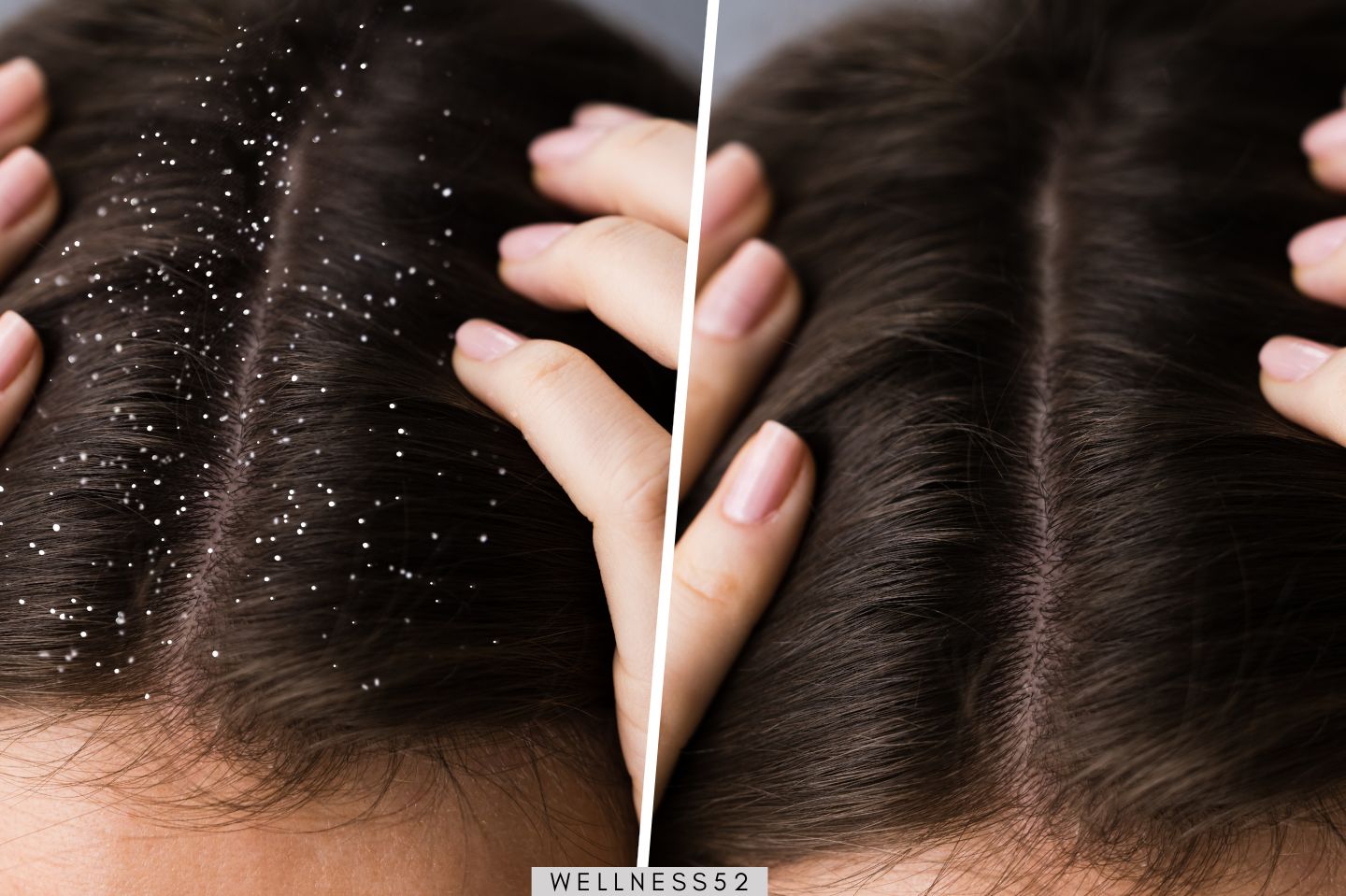
True dandruff is frequently linked to an overgrowth of Malassezia, a yeast-like fungus that feeds on scalp oils. As the fungus breaks down sebum, it produces oleic acid, which penetrates the skin barrier and triggers an inflammatory response in sensitive individuals. This causes skin cells to shed prematurely, resulting in larger, oily, and sometimes yellowish flakes. Unlike dry scalp, dandruff often requires an active antimicrobial agent to manage the fungal population.
Key Ingredients to Look for in 2026
As of 2026, dermatological hair care has shifted toward "skinification," applying high-end skincare technology to scalp treatments. The most effective shampoos now utilize a multi-modal approach, combining active medication with barrier-repair lipids.
Active Antifungal Agents
- Ketoconazole: Long considered the gold standard for fungal-related dandruff, Ketoconazole works by disrupting the cell membranes of Malassezia. In 2026, many over-the-counter (OTC) 1% formulations have been refined to be less drying to the hair shaft.
- Piroctone Olamine: This has become a preferred alternative to older actives. It is highly effective against dandruff but significantly less irritating than traditional coal tar or selenium sulfide, making it ideal for those who have concurrent dry skin.
- Selenium Sulfide: While very powerful for severe flaking, it can be quite harsh. Modern formulations often encapsulate the sulfide to reduce its characteristic odor and minimize the risk of stripping hair color.
Hydrating and Barrier-Repairing Ingredients
- Ceramides: These are essential lipids that make up the skin’s natural barrier. Shampoos infused with ceramides help "seal" the scalp, preventing moisture loss and protecting against environmental irritants.
- Squalane and Hemi-Squalane: These lightweight oils mimic natural human sebum without feeding the Malassezia fungus. They provide necessary lubrication for a dry scalp without creating the heavy, greasy feel of traditional oils.
- Hyaluronic Acid: Often found in facial serums, this humectant is now a staple in scalp care, capable of holding up to 1,000 times its weight in water to provide deep hydration to the follicular environment.
Top-Rated Shampoo Formulations for Dual Action
Choosing the "best" shampoo depends on the severity of the symptoms and the specific sensitivity of the skin. The following categories represent the peak of available 2026 technology for managing the intersection of dry skin and dandruff.
The Best Overall Medicated Choice: Nizoral (Ketoconazole 1%)
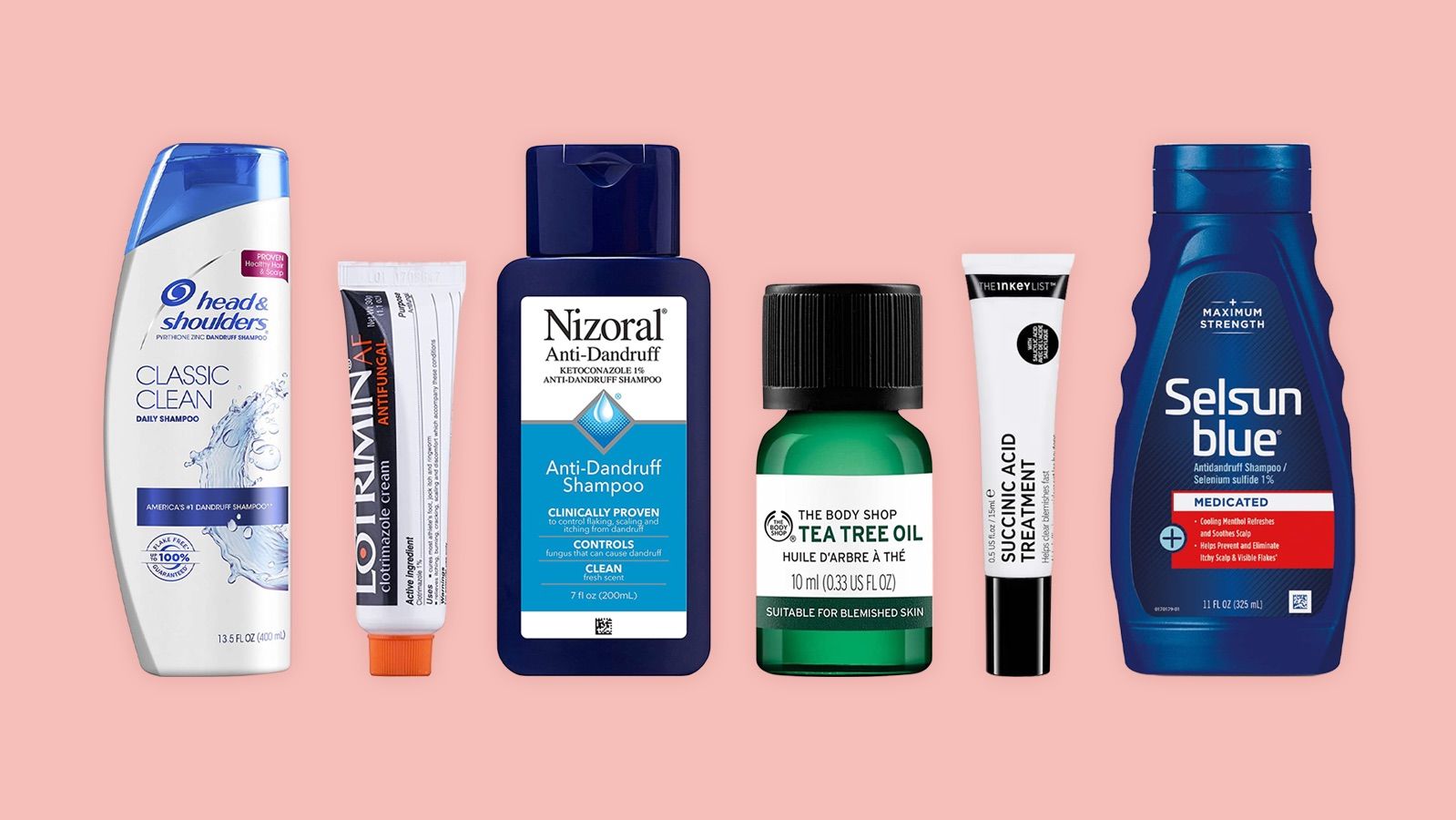
Nizoral remains a top recommendation because it targets the root cause of dandruff rather than just washing away flakes. By 2026, the brand has introduced moisturizing variants that include panthenol (Pro-vitamin B5) to ensure that while the fungus is treated, the scalp does not become overly parched. It is generally used twice a week, alternating with a gentle hydrating shampoo.
The Best for Sensitive Dry Skin: La Roche-Posay Kerium DS
For those whose primary issue is a reactive, dry scalp accompanied by flaking, this formulation utilizes Micro-exfoliating LHA (Lipo-Hydroxy Acid). This allows for the gentle removal of dead skin cells without the abrasive mechanical scrubbing that can damage a fragile skin barrier. It also incorporates thermal spring water to soothe inflammation.
The Best for Daily Use: Head & Shoulders Clinical Strength (Dry Scalp Variant)
While the standard line is well-known, the Clinical Strength "Dry Scalp Rescue" uses Selenium Sulfide at a lower, controlled concentration combined with high levels of Manuka honey or almond oil. This provides a heavy-duty antifungal response while specifically addressing the "tightness" associated with dry skin.
Comparison of Leading Medicated Shampoos
The following table summarizes the key attributes of the most effective options available in 2026.
| Brand & Product | Primary Active Ingredient | Best For | Moisture Level | Frequency of Use |
|---|---|---|---|---|
| Nizoral Anti-Dandruff | Ketoconazole (1%) | Persistent Dandruff | Medium | 2x per week |
| Vichy Dercos Anti-Dandruff | Selenium Sulfide | Oily/Dry Combo | High | 3x per week |
| Neutrogena T/Sal | Salicylic Acid | Crusty Build-up | Low | 1-2x per week |
| Eucerin DermoCapillaire | Piroctone Olamine | Sensitive/Very Dry | Very High | Daily |
| Selsun Blue Moisturizing | Selenium Sulfide | Severe Flaking | High | 2x per week |
How to Maximize the Effectiveness of Your Treatment
Buying the right shampoo is only half the battle; the application method significantly influences the outcome. Many users fail to see results because they wash the product away too quickly.
The Three-Minute Rule
Active ingredients like Ketoconazole or Salicylic Acid need time to penetrate the scalp and interact with the fungal cells or skin scales. After lathering, the shampoo should remain on the scalp for at least three to five minutes. During this time, you should avoid scrubbing with your fingernails, as this can create micro-tears in the skin, leading to further inflammation.
The Double-Wash Method
If your hair is very dirty or oily, the first wash should be with a gentle, sulfate-free cleanser to remove surface debris and sebum. The second wash should be with your medicated shampoo. This ensures that the active ingredients have direct contact with the skin rather than being blocked by a layer of environmental pollutants.
Water Temperature and Rinsing
Hot water is a primary enemy of dry skin. It strips away the protective lipid layer of the scalp, exacerbating dryness. Always use lukewarm water for washing and consider a cool rinse at the end to help seal the hair cuticle and soothe the scalp.
Potential Side Effects and Professional Consultation
While OTC shampoos are generally safe, they are not without risks. Some medicated shampoos can cause:
- Hair Discoloration: Specifically products containing Selenium Sulfide may affect chemically treated or grey hair.
- Increased Dryness: Over-use of Salicylic Acid can strip the scalp too thoroughly.
- Contact Dermatitis: An allergic reaction to fragrances or preservatives.
If you experience severe redness, weeping sores, or if the flaking does not improve after four weeks of consistent use, you should consult a dermatologist. In some cases, what appears to be dandruff may actually be scalp psoriasis or atopic dermatitis, which require prescription-strength corticosteroids or calcineurin inhibitors. According to the American Academy of Dermatology, distinguishing between these conditions often requires a clinical examination of the skin elsewhere on the body.
Frequently Asked Questions
Can I use a conditioner with a dandruff shampoo?
Yes, and you should. However, you must apply the conditioner only to the mid-lengths and ends of the hair. Avoid the scalp, as many conditioners contain heavy oils or silicones that can trap heat and moisture against the skin, potentially creating a breeding ground for Malassezia.
How long does it take to see results?
Most users see a reduction in itching within the first two uses. However, a significant reduction in visible flakes usually takes two to four weeks of consistent application. Consistency is key because the skin cell turnover cycle takes approximately 28 days.
Why does my dandruff come back if I stop using the shampoo?
Dandruff is a chronic condition, not an infection that can be "cured" permanently. Most people have a natural predisposition to Malassezia sensitivity. Once you achieve control, you should transition to a "maintenance phase," using the medicated shampoo once a week or once every two weeks to prevent recurrence.
Are sulfate-free shampoos better for dry skin and dandruff?
Generally, yes. Sulfates like Sodium Lauryl Sulfate are potent detergents that can irritate a dry scalp. However, some "gentle" shampoos lack the cleaning power to effectively remove the oily buildup that feeds dandruff. Look for "sulfate-free" labels on medicated brands which use gentler surfactants like Cocamidopropyl Betaine.
Final Recommendation
For most individuals suffering from the dual burden of dry skin and dandruff in 2026, the optimal approach is a rotational routine. Start with Nizoral or a Piroctone Olamine-based formula twice a week to manage the fungal element, and use a high-quality, ceramide-rich hydrating shampoo for your other wash days. This "attack and protect" strategy addresses the root cause of dandruff while rebuilding the scalp's natural defenses against dryness.
Image Gallery