Understanding Regrowth Shampoo for Hair Loss: Science, Expectations, and Practical Use
Regrowth shampoo for hair loss refers to specialized topical cleansers designed to create an optimal scalp environment for hair maintenance and potentially address thinning. While these products are widely marketed, it is essential to...
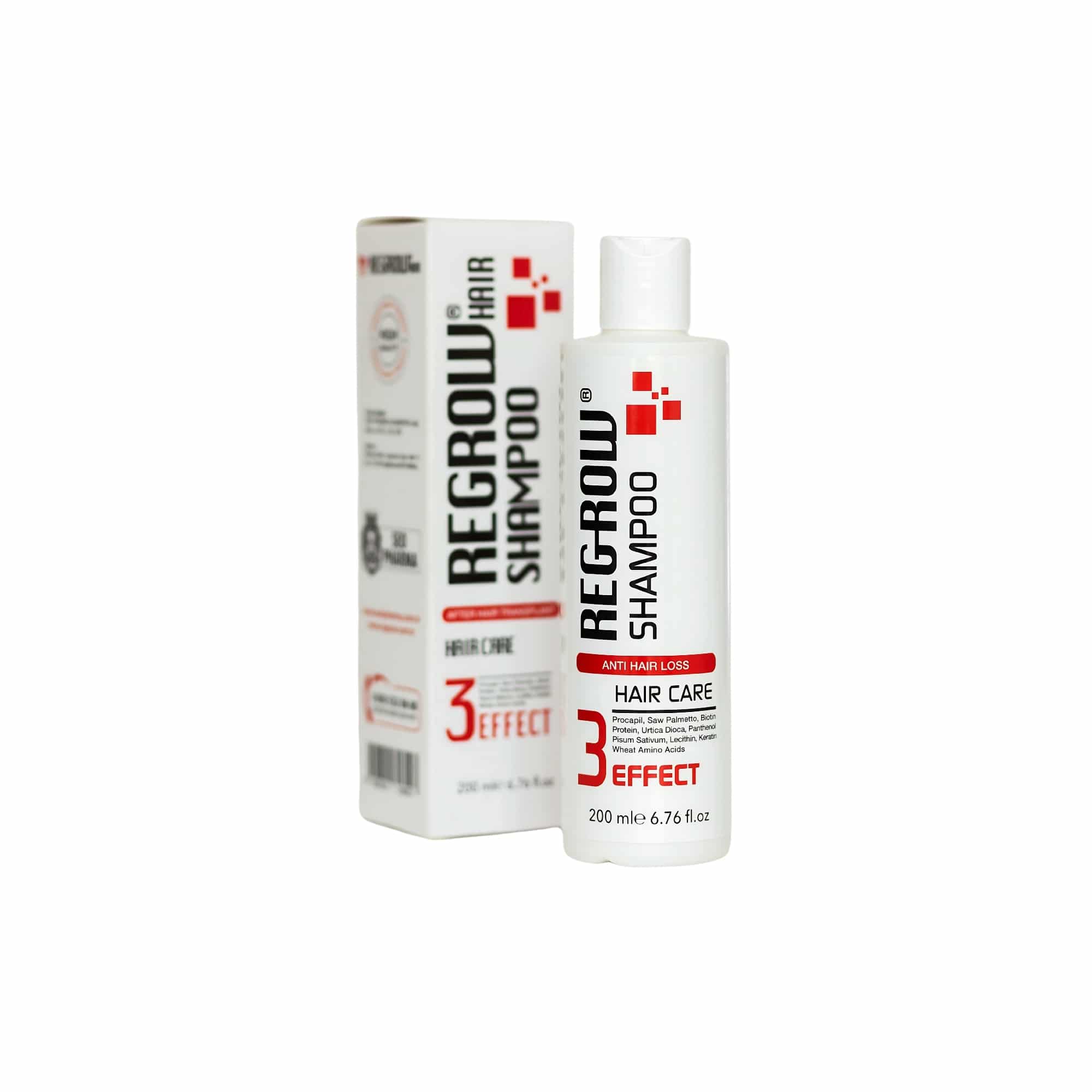
Regrowth shampoo for hair loss refers to specialized topical cleansers designed to create an optimal scalp environment for hair maintenance and potentially address thinning. While these products are widely marketed, it is essential to distinguish between cosmetic thickening agents and formulations containing active ingredients intended to influence the hair growth cycle or manage scalp health.
Contents
The Mechanism of Hair Loss and Topical Interventions
To evaluate the efficacy of any "regrowth" product, one must first understand the biological reality of hair loss. The most common form, androgenetic alopecia (pattern baldness), is driven by the hormone dihydrotestosterone (DHT), which shrinks hair follicles over time, shortening the growth phase (anagen).
Shampoos labeled for hair loss generally operate through three primary mechanisms:
- Scalp Environment Optimization: Ingredients like salicylic acid or ketoconazole are used to exfoliate the scalp and reduce inflammation or fungal overgrowth (such as Malassezia), which can exacerbate hair thinning.
- Volumizing Agents: Many shampoos rely on polymers and proteins (like keratin or wheat proteins) to coat the hair shaft. While this does not produce new hair, it increases the diameter of existing strands, providing the visual appearance of increased density.
- Active Stimulants: A minority of formulations contain ingredients, such as caffeine, niacin, or various plant-based extracts, intended to improve local blood circulation or counteract the miniaturization of follicles.
It is important to note that because shampoo is a rinse-off product, the contact time with the scalp is significantly shorter than that of leave-on treatments like minoxidil or prescription finasteride. Consequently, the penetration depth of active ingredients in shampoos is typically limited.
Evaluating Active Ingredients and Regulatory Status
When researching products, look for transparency regarding active ingredients. In the United States, for example, products that make specific claims about "regrowing" hair are often classified as drugs by the Food and Drug Administration (FDA) if they contain active pharmaceutical ingredients.
Common ingredients found in these products include:
- Ketoconazole: Often used as an antifungal, clinical studies have suggested it may have anti-androgenic properties when applied topically, potentially assisting in the management of hair loss associated with dandruff or inflammation.
- Caffeine: Research indicates caffeine may help stimulate the hair shaft and prolong the growth cycle by countering the effects of DHT in laboratory settings.
- Biotin (Vitamin B7): While biotin is essential for keratin production, topical application via shampoo is widely considered by dermatologists to be more beneficial for the structural integrity of the existing hair strand rather than stimulating new growth from the follicle.
- Saw Palmetto: Often included for its theoretical ability to inhibit 5-alpha-reductase, the enzyme responsible for converting testosterone into DHT.
Comparison of Hair Loss Management Approaches
The effectiveness of a shampoo should be viewed in the context of a broader hair maintenance routine. The following table illustrates how different interventions function in a clinical or cosmetic capacity.
| Intervention Type | Primary Function | Duration of Contact | Clinical Evidence Level |
|---|---|---|---|
| Regrowth Shampoo | Scalp cleaning / Volumizing | Short (1–3 minutes) | Low to Moderate |
| Topical Minoxidil | Vasodilation / Follicle stimulation | Long (Leave-on) | High |
| Oral Finasteride | DHT inhibition | Systemic | Very High |
| Platelet-Rich Plasma | Growth factor stimulation | Injection | Moderate |
Incorporating Regrowth Shampoo into Your Routine
If you decide to incorporate a regrowth shampoo into your hair care regimen, the application process is as critical as the product choice itself. Because these shampoos are intended to treat the scalp rather than just clean the hair, the method of application matters.
- Scalp Massage: Apply the product directly to the scalp, not just the hair. Use your fingertips—not your fingernails—to gently massage the scalp for at least two to three minutes. This allows the active ingredients time to interact with the follicles.
- Consistency: Unlike a styling product, a hair loss shampoo requires consistent, long-term use. Hair growth cycles are measured in months; therefore, noticeable changes in hair retention or appearance typically require 3 to 6 months of continuous use.
- Temperature Control: Always use lukewarm water. Excessively hot water can strip the scalp of natural oils, leading to dryness and irritation, which can counteract the soothing goals of a therapeutic shampoo.
- Secondary Care: Follow up with a conditioner that focuses on the ends of the hair to prevent breakage, as hair that is thinning is often more prone to mechanical damage from brushing and styling.
Common Pitfalls and Troubleshooting
Users often face disappointment due to unrealistic expectations. Understanding what a shampoo cannot do is vital to avoiding wasted resources.
- The "Miracle" Fallacy: No shampoo can spontaneously "reactivate" a completely dormant or dead follicle. If a follicle has miniaturized to the point of permanent scarring, shampoo will not be sufficient to restore it.
- Allergic Reactions: Ingredients like essential oils (menthol, peppermint, tea tree) can cause contact dermatitis in sensitive individuals. If you notice increased redness, itching, or flaking, discontinue use immediately.
- Interactions: If you are using prescription topical treatments, consult with a dermatologist before adding a new shampoo, as certain cleansing agents may alter the skin's barrier, potentially increasing the absorption (and side effect profile) of your prescription medication.
Frequently Asked Questions
Can I use regrowth shampoo if I am already on oral medication? Yes, in most cases, these can be used as a complementary approach. A shampoo can help maintain a healthy scalp environment, which is beneficial regardless of your primary hair loss treatment. However, check with your physician to ensure the shampoo's ingredients do not interfere with your existing protocol.
How do I know if a shampoo is actually working? "Working" can mean different things. If you are tracking success, look for a reduction in daily hair shedding rather than immediate new growth. Documenting your progress with photos taken in the same lighting every month is more reliable than subjective daily observation.
Do these shampoos work for all types of hair loss? No. These products are generally formulated for androgenetic alopecia. If your hair loss is caused by autoimmune issues (alopecia areata), nutritional deficiencies, or hormonal fluctuations like thyroid disease, a shampoo will not address the root cause. A medical evaluation is necessary to rule out these conditions.
Are there side effects to using these shampoos? Some users may experience scalp dryness, itching, or irritation, particularly with shampoos that contain stronger cleansing agents or active concentrations of tea tree oil or salicylic acid. If irritation occurs, try alternating with a mild, fragrance-free moisturizing shampoo.
Final Recommendation
Before committing to a specific product, conduct a patch test by applying a small amount of the shampoo to your inner forearm for 24 hours to check for allergic reactions. If you are experiencing rapid or patchy hair loss, prioritize a visit to a board-certified dermatologist. They can provide a definitive diagnosis, ensuring that you do not delay effective treatment by relying solely on over-the-counter shampoos for conditions that require medical intervention.
Image Gallery