Understanding the No Neck Big Ed Issue: Clinical and Cultural Perspectives
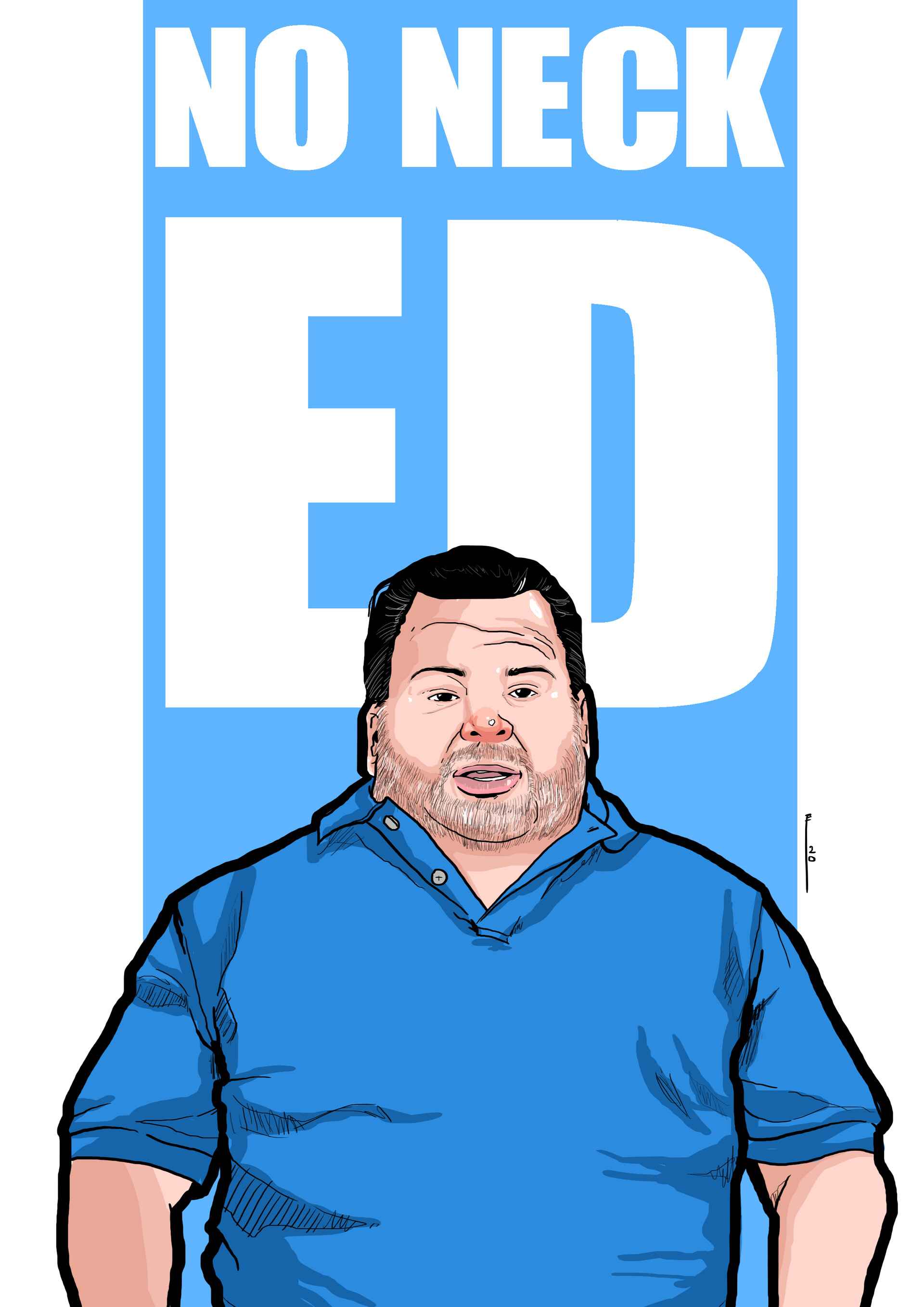
The phrase "no neck Big Ed" refers to the public and clinical discussion surrounding Edward Brown, a television personality widely recognized for his physical appearance, specifically a pronounced shortening of the neck area. This char...
The phrase "no neck Big Ed" refers to the public and clinical discussion surrounding Edward Brown, a television personality widely recognized for his physical appearance, specifically a pronounced shortening of the neck area. This characteristic is medically attributed to Klippel-Feil syndrome, a congenital condition involving the fusion of cervical vertebrae that limits mobility and alters physical profile.
Contents
The Clinical Basis: Klippel-Feil Syndrome Explained
The physical trait that has become a defining characteristic for Edward Brown is rooted in a rare, congenital disorder known as Klippel-Feil syndrome (KFS). This condition is defined by the abnormal fusion of two or more of the seven cervical vertebrae in the neck. In typical anatomical development, these vertebrae are separated by intervertebral discs, which allow for the range of motion required for the head to rotate, tilt, and flex. When fusion occurs, the cervical spine becomes a single, rigid unit, often leading to a reduced neck length and a diminished range of motion.
Klippel-Feil syndrome occurs during early embryonic development. While the exact etiology is complex, it is often associated with a disruption in the formation of the somites—the blocks of tissue that eventually form the vertebrae. The clinical presentation of KFS can vary significantly from one individual to another. The classic clinical triad of KFS includes a short neck, a low posterior hairline, and limited neck mobility. However, not every person diagnosed with the syndrome exhibits all three traits. Because the degree of fusion varies, some individuals may have only mild restrictions, while others experience more severe structural changes.
It is important to note that the medical community classifies KFS based on the location and extent of the vertebral fusion. Type I involves massive fusion of the cervical vertebrae; Type II involves fusion at only one or two levels; and Type III involves additional thoracic or lumbar spine involvement. The prominence of the neck appearance in public figures like Brown often stems from the fusion occurring at higher levels, which creates a visible reduction in the vertical space between the skull and the shoulders.
Diagnostic Considerations and Health Impacts
Living with Klippel-Feil syndrome involves more than just the visible aesthetic of a shortened neck. Because the neck serves as the primary gateway for the spinal cord and a complex network of nerves, structural anomalies in the cervical spine can lead to secondary health challenges. Physicians monitoring patients with KFS often look for a range of associated conditions that can complicate daily life.
One of the primary concerns for individuals with cervical fusions is the increased risk of early-onset arthritis in the segments of the spine adjacent to the fused vertebrae. Because the fused portion of the neck cannot move, the segments above and below the fusion must work harder to compensate. This compensatory hypermobility places excess stress on the non-fused discs, which can lead to degenerative disc disease or premature arthritis in the cervical spine.
Furthermore, individuals with KFS are sometimes screened for associated anomalies in other organ systems. It is not uncommon for KFS to occur alongside problems related to the kidneys, the auditory system (hearing loss), and the cardiovascular system. In many cases, these internal anomalies are more significant from a health management perspective than the structural neck abnormality itself. Routine clinical monitoring typically involves periodic imaging, such as X-rays or magnetic resonance imaging (MRI), to evaluate the stability of the cervical spine and ensure that there is no narrowing of the spinal canal, which could lead to neurological compression.
Cultural Visibility and Public Perception
The intersection of rare health conditions and reality television has created a unique dynamic regarding how the public perceives physical differences. When an individual with a visible physical anomaly enters the public sphere, the disconnect between medical reality and audience commentary often becomes apparent. In the case of "Big Ed," the commentary surrounding his neck has frequently migrated from simple observation to speculation.
From a sociological perspective, the attention paid to his physical traits highlights the "othering" process that can occur in digital media environments. Viewers often attempt to diagnose or explain away physical characteristics without professional medical context, leading to a proliferation of misinformation. By understanding that the physical presentation is a result of a congenital skeletal condition rather than a lifestyle factor or an avoidable health issue, the focus can shift from speculation to accurate medical awareness.
This cultural phenomenon also demonstrates the challenges individuals with visible differences face in the age of social media. The public interest in his physical appearance has often overshadowed other aspects of his personal life, creating a cycle where his physical presence becomes the primary hook for engagement. For the audience, differentiating between the clinical diagnosis and the television persona is essential for maintaining a respectful discourse regarding health conditions.
Navigating Physical Limitations: Practical Considerations
For those living with restricted cervical mobility due to conditions like Klippel-Feil syndrome, daily life requires specific adaptations. Understanding these constraints is essential for maintaining long-term spinal health and avoiding injury.
- Ergonomic Adjustments: Individuals with limited neck rotation may require specialized monitor setups, modified mirrors in vehicles, and supportive seating to ensure that they do not over-exert the non-fused segments of the spine.
- Physical Therapy: Specialized therapy is often necessary to maintain muscle tone in the shoulders and upper back. Strengthening these areas helps provide stability to the spine and alleviates the pressure on the cervical discs.
- Safety Precautions: Due to the structural nature of fused vertebrae, individuals are often cautioned against high-impact activities or contact sports. Any trauma to the neck carries a higher risk because the spine does not have the typical "give" or flexibility of a standard cervical structure.
- Neurological Monitoring: Periodic check-ups with a neurologist or orthopedic surgeon are standard practice to detect any changes in nerve function or potential compression issues before they manifest as chronic pain or mobility loss.
Comparative Overview of Cervical Structural Variations
The following table summarizes the key distinctions between common cervical spine conditions often confused with Klippel-Feil syndrome.
| Condition | Primary Physical Feature | Etiology | Typical Management |
|---|---|---|---|
| Klippel-Feil Syndrome | Cervical vertebral fusion | Congenital / Genetic | PT, monitoring, surgery for instability |
| Cervical Stenosis | Narrowing of spinal canal | Aging / Degenerative | Pain management, decompression surgery |
| Torticollis | Persistent neck tilt | Muscular / Congenital | Stretching, Botox injections, surgery |
| Sprengel Deformity | Elevated scapula | Congenital | Physical therapy, surgical correction |
Frequently Asked Questions
Is the "no neck" condition a result of weight gain or obesity? No. While excess adipose tissue can obscure the neck line, the specific physical structure associated with Edward Brown is clinically attributed to his diagnosed Klippel-Feil syndrome, which involves the fusion of cervical vertebrae. These are two distinct biological factors, and the latter is a permanent skeletal condition.
Can surgery correct the appearance of Klippel-Feil syndrome? Surgery for KFS is generally performed for medical necessity, such as stabilizing the spine or relieving nerve compression, rather than for cosmetic enhancement. The risks associated with spinal surgery in the cervical region are significant, and physicians rarely recommend procedures for purely aesthetic reasons due to the high risk of neurological injury.
Are there genetic tests available for this condition? KFS is often sporadic, meaning it occurs without a clear family history, though some cases follow specific genetic inheritance patterns. Diagnostic confirmation is primarily achieved through radiographic imaging (X-rays, MRI) rather than genetic testing, as the clinical presentation of fused vertebrae is highly distinct in imaging.
Should people with this condition avoid certain types of exercise? Yes. Medical professionals typically advise against activities that involve heavy contact, significant neck strain, or high-risk impact. Exercises that focus on postural alignment and strengthening the upper body are generally preferred over those requiring extensive neck rotation or heavy loading of the cervical spine.
What is the life expectancy for someone with this syndrome? Individuals with Klippel-Feil syndrome generally have a normal life expectancy. Most health challenges related to the condition are manageable, provided there are no major systemic anomalies (such as heart or kidney issues) and that the individual adheres to recommended spinal care protocols.
Next Actions for Further Information
If you or someone you know is seeking information regarding cervical spine anomalies, the most reliable next step is a consultation with a board-certified orthopedic spine surgeon or a geneticist. They can provide a personalized assessment based on current imaging technology. For general educational purposes, organizations such as the National Institute of Neurological Disorders and Stroke (NINDS) provide verified documentation on rare vertebral conditions. Always avoid relying on social media discourse for medical diagnosis or prognosis, as the clinical reality of these conditions is highly individual and necessitates professional diagnostic equipment.
Image Gallery