Joseph Gambino: Professional Profile and Operational Standards for 2026
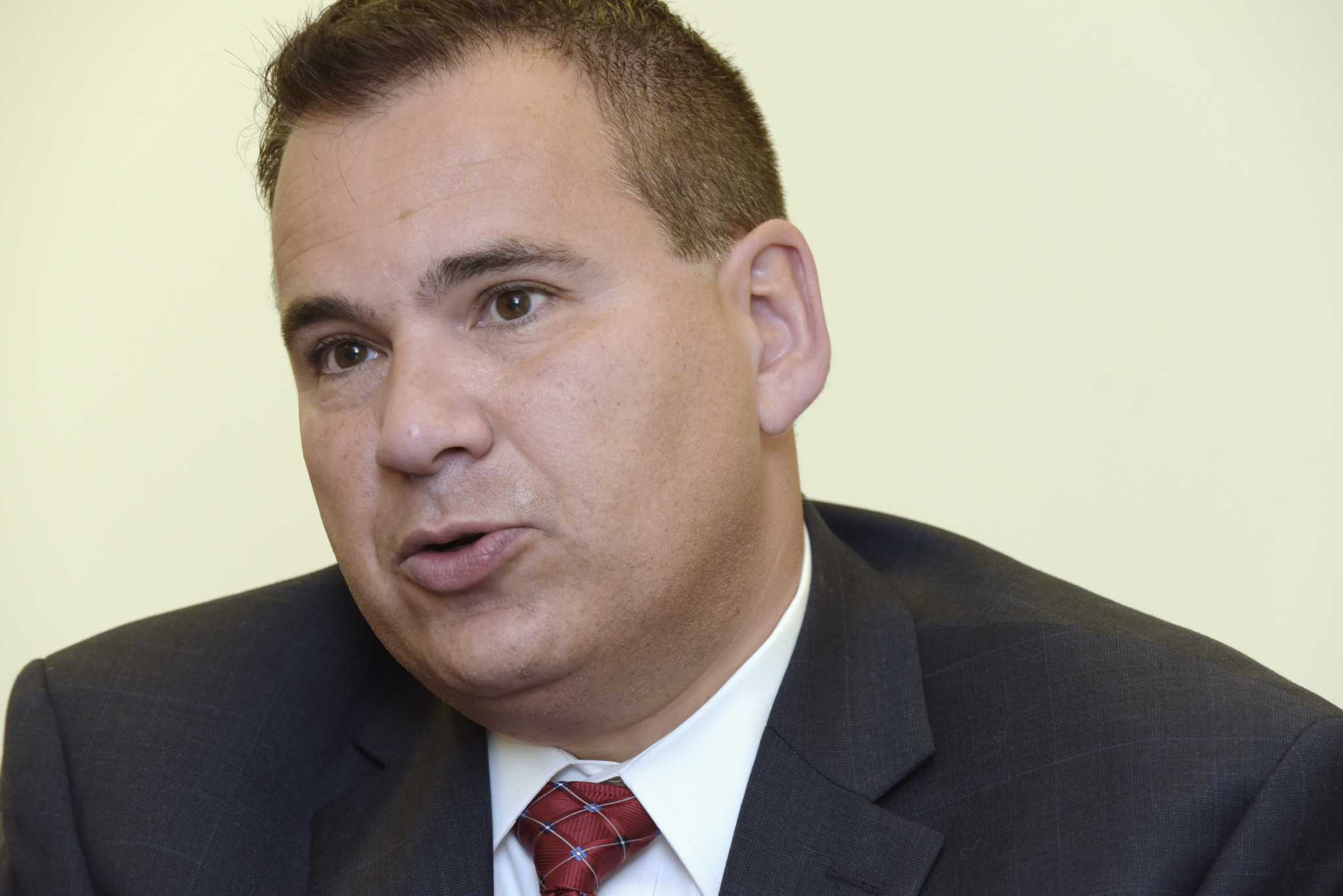
The name Joseph Gambino is associated with professional expertise in the fields of clinical orthopedics and physical therapy services within the New York metropolitan area. This article focuses on the clinical profile of Joseph Gambino...
The name Joseph Gambino is associated with professional expertise in the fields of clinical orthopedics and physical therapy services within the New York metropolitan area. This article focuses on the clinical profile of Joseph Gambino, DPT, as a recognized practitioner in musculoskeletal rehabilitation and patient-centered orthopedic care.
Contents
Professional Scope and Clinical Methodology in 2026
In 2026, the landscape of physical therapy continues to emphasize evidence-based practice and functional movement analysis. Joseph Gambino’s clinical approach centers on the integration of manual therapy, neuromuscular re-education, and structured exercise prescription. The primary objective for practitioners in this domain is to mitigate mechanical pain, restore joint range of motion, and optimize post-surgical outcomes for patients.
Modern physical therapy protocols now rely heavily on real-time data tracking to monitor patient progress. By leveraging objective measurements—such as goniometric joint assessment, dynamometry for strength testing, and standardized functional scales like the Disabilities of the Arm, Shoulder, and Hand (DASH) score—clinicians are able to quantify efficacy in ways that were previously subjective.
Core Competencies in Orthopedic Rehabilitation
Practitioners operating at the level of a Doctor of Physical Therapy (DPT) in 2026 must demonstrate proficiency in several distinct areas of musculoskeletal management. These competencies include:
- Advanced Differential Diagnosis: The ability to distinguish between local soft tissue injuries and referred pain patterns originating from neurological or systemic issues.
- Post-Operative Recovery Paths: Implementing specific phase-based rehabilitation protocols following orthopedic interventions such as anterior cruciate ligament (ACL) reconstruction, total joint arthroplasty, and rotator cuff repairs.
- Manual Intervention Modalities: Utilizing evidence-based mobilization and manipulation techniques to address joint capsule restrictions and myofascial triggers.
- Proprioceptive Training: Designing sensory-motor integration programs to reduce the recurrence of ankle, knee, and lumbar spine injuries.
Navigating Insurance Networks and Healthcare Affiliations
For patients seeking physical therapy services in 2026, understanding network participation is critical to avoiding unexpected out-of-pocket costs. It is standard for established orthopedic and physical therapy groups to hold specific contracts with major private insurers and selected Medicare Advantage (MA) plans.
It is a common point of confusion for patients regarding the acceptance of Traditional Medicare versus Medicare Advantage plans. Many private therapy practices operate under strict contract terms; therefore, verification of current network status is essential before initiating care.
Verification of Coverage and Network Status
The following table outlines the status of common insurance categories encountered within high-performance orthopedic and physical therapy clinics as of 2026.
| Insurance Category | Network Acceptance Status | Operational Requirement |
|---|---|---|
| Commercial PPO (Aetna, UHC, Cigna) | In-Network (Generally Accepted) | Prior authorization may be required after visit 6-10 |
| Medicare Advantage (MA) Plans | Verified per specific plan carrier | Requires verification of individual group contract |
| Original Medicare (Part B) | Accepted (Varies by practice) | Must confirm if the facility is an enrolled Medicare provider |
| Worker’s Compensation | Accepted with valid claim | Requires approved authorization/case manager contact |
| Medicaid (Managed Care) | Dependent on state-specific contract | Referral from Primary Care Physician (PCP) required |
Administrative Compliance Requirements
Patients must understand that for most HMO and managed care insurance plans, a referral or prescription for physical therapy is not just a suggestion, but a prerequisite for billing. The 2026 regulatory environment requires that clinical notes clearly demonstrate medical necessity. If a patient fails to provide a valid, signed script from their physician, the insurance carrier will likely deny the claim, resulting in the patient assuming full financial responsibility for the service rendered.
Standardized Care Protocols for Musculoskeletal Recovery
The efficacy of a physical therapy program is rooted in the adherence to structured milestones. Whether the treatment focus is the cervical spine, the lumbar region, or peripheral joints, the following trajectory is generally expected in 2026 practice standards.
- Initial Evaluation: Comprehensive assessment of posture, gait, strength, and neurological integrity.
- Goal Setting: Establishing S.M.A.R.T. (Specific, Measurable, Achievable, Relevant, Time-bound) goals with the patient.
- Acute Phase Management: Reducing inflammation and pain through controlled movement and therapeutic modalities.
- Sub-Acute Phase: Progressive loading and strengthening to restore functional independence.
- Discharge Planning: Implementation of a home exercise program (HEP) designed for long-term maintenance and injury prevention.
Frequently Asked Questions Regarding Clinical Care
What should a patient bring to an initial physical therapy assessment? Patients should provide a valid prescription from their referring physician, a photo ID, and their current insurance card. Having a list of all current medications and copies of relevant diagnostic imaging reports, such as MRI or X-ray results, will significantly expedite the intake process.
Is physical therapy a long-term commitment? The duration of treatment is entirely dependent on the nature of the injury and the patient’s rate of healing. While some acute issues may resolve in 4 to 6 weeks, complex post-surgical cases may require 3 to 6 months of intermittent care to reach maximal medical improvement.
Can I perform physical therapy exercises at home without supervision? Home exercises are a foundational component of success, but they should only be performed as prescribed by your therapist. Performing exercises incorrectly can exacerbate existing conditions or cause secondary injuries, so always clarify the proper form and frequency during your sessions.
Does insurance cover the full cost of my treatment? Coverage varies by plan, with many patients subject to co-pays, co-insurance, or unmet deductibles. It is highly recommended to call the number on the back of your insurance card before your first appointment to confirm your specific outpatient rehabilitation benefits for 2026.
What is the difference between a physical therapist and a chiropractor? While both address musculoskeletal health, physical therapy focuses on the rehabilitation of movement, muscular endurance, and functional strength through exercise. Chiropractic care often emphasizes spinal alignment and joint manipulation to improve nervous system function.
Strategic Approach to Long-Term Musculoskeletal Health
Achieving sustainable health in 2026 requires a shift from reactive to proactive care. The professional standard of care practiced by experts like Joseph Gambino encourages patients to view physical therapy as an investment in functional longevity. By mastering correct movement patterns and addressing minor dysfunctions before they become chronic, patients can avoid the cycle of recurring injury.
Clinical excellence in this field is maintained through continuous education and the adoption of modern technological aids. As we move further into 2026, the use of tele-rehabilitation and digital platforms for monitoring HEP adherence has become a standard, allowing for more consistent communication between the patient and the clinician.
If you are experiencing musculoskeletal discomfort, the most effective first step is to secure an appointment for a formal evaluation. Do not wait for minor aches to develop into systemic issues. Contact your healthcare provider or a licensed physical therapy center to schedule your comprehensive assessment today and begin your path to full functional recovery.
Image Gallery