Understanding the Venezuelan Resistance: Evolution, Strategies, and the Path to Democracy in 2026
The Venezuelan resistance is a multifaceted movement comprising political coalitions, civil society organizations, and a global diaspora dedicated to restoring democratic governance and the rule of law in Venezuela. As of 2026, the mov...
The Venezuelan resistance is a multifaceted movement comprising political coalitions, civil society organizations, and a global diaspora dedicated to restoring democratic governance and the rule of law in Venezuela. As of 2026, the movement focuses on leveraging the electoral legitimacy established during the 2024 presidential cycle to maintain international pressure and facilitate a peaceful transition of power.
Contents
The Historical Context of the Venezuelan Resistance
The Venezuelan resistance is not a monolithic entity but a decades-long evolution of civic and political opposition to the "Chavista" movement, which transitioned into the authoritarian administration of Nicolás Maduro. To understand the current state of the resistance in 2026, one must examine the pivotal shifts that occurred over the last decade, particularly the transition from street-level protests to sophisticated electoral organization and international legal advocacy.
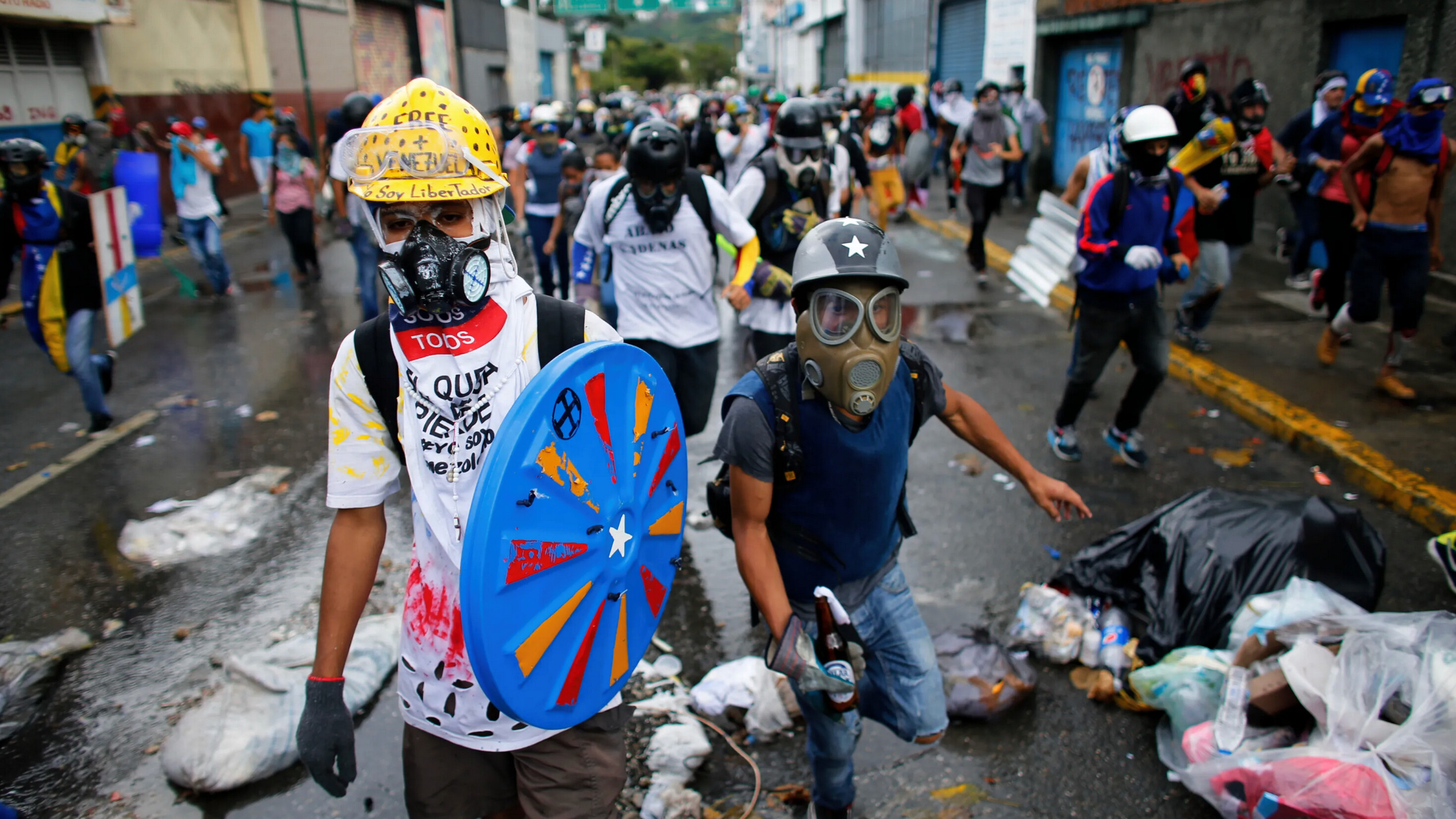
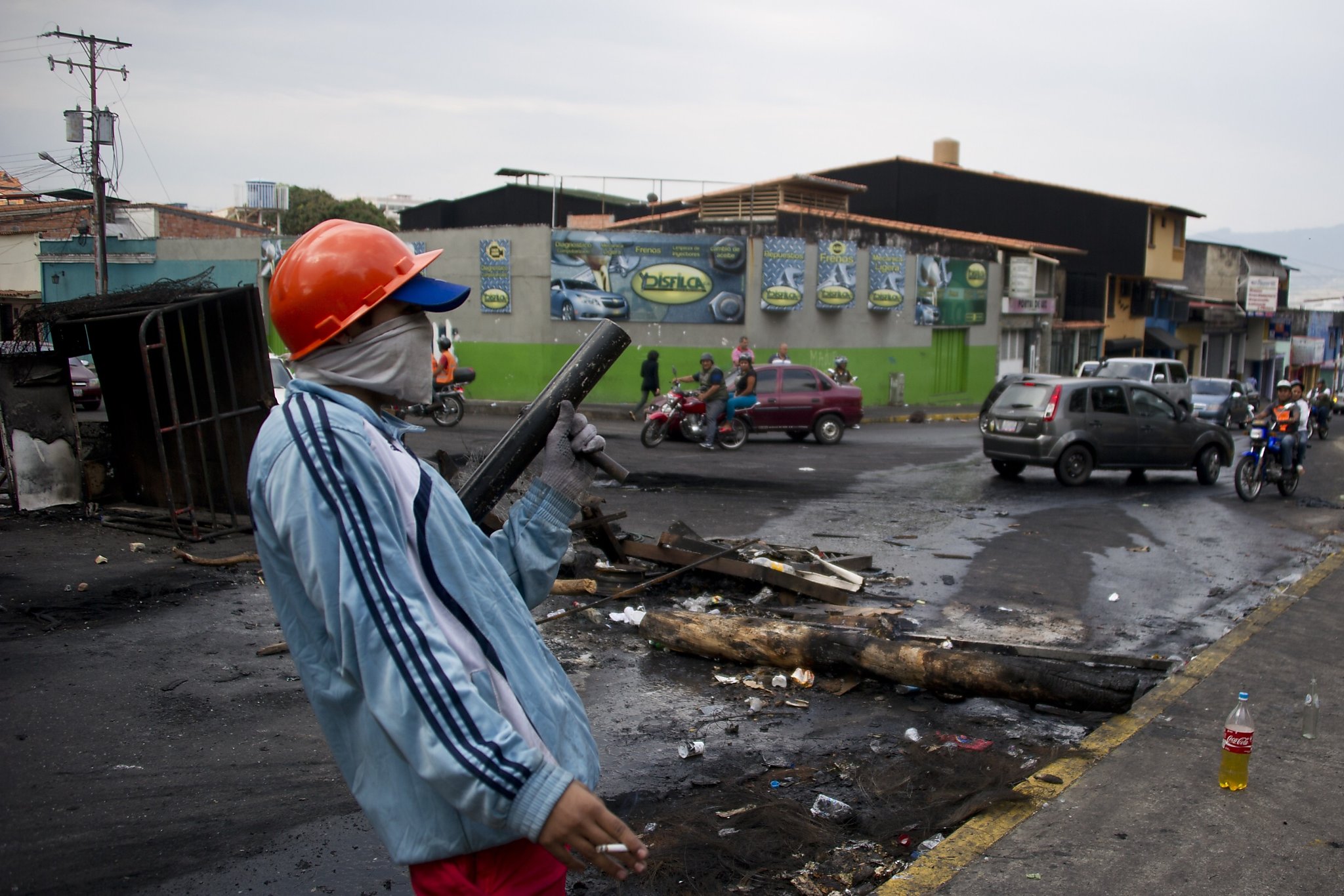
Between 2014 and 2017, the resistance was characterized by mass street demonstrations. These periods were marked by significant civil unrest, led largely by student movements and political leaders like Leopoldo López and Henrique Capriles. However, the high human cost—resulting in hundreds of deaths and thousands of arrests—forced a strategic pivot. By 2019, the movement attempted a dual-track approach: the creation of an "Interim Government" led by Juan Guaidó and the mobilization of international diplomatic recognition. While this phase succeeded in isolating the Maduro administration diplomatically, it faced challenges in achieving a domestic change of power.
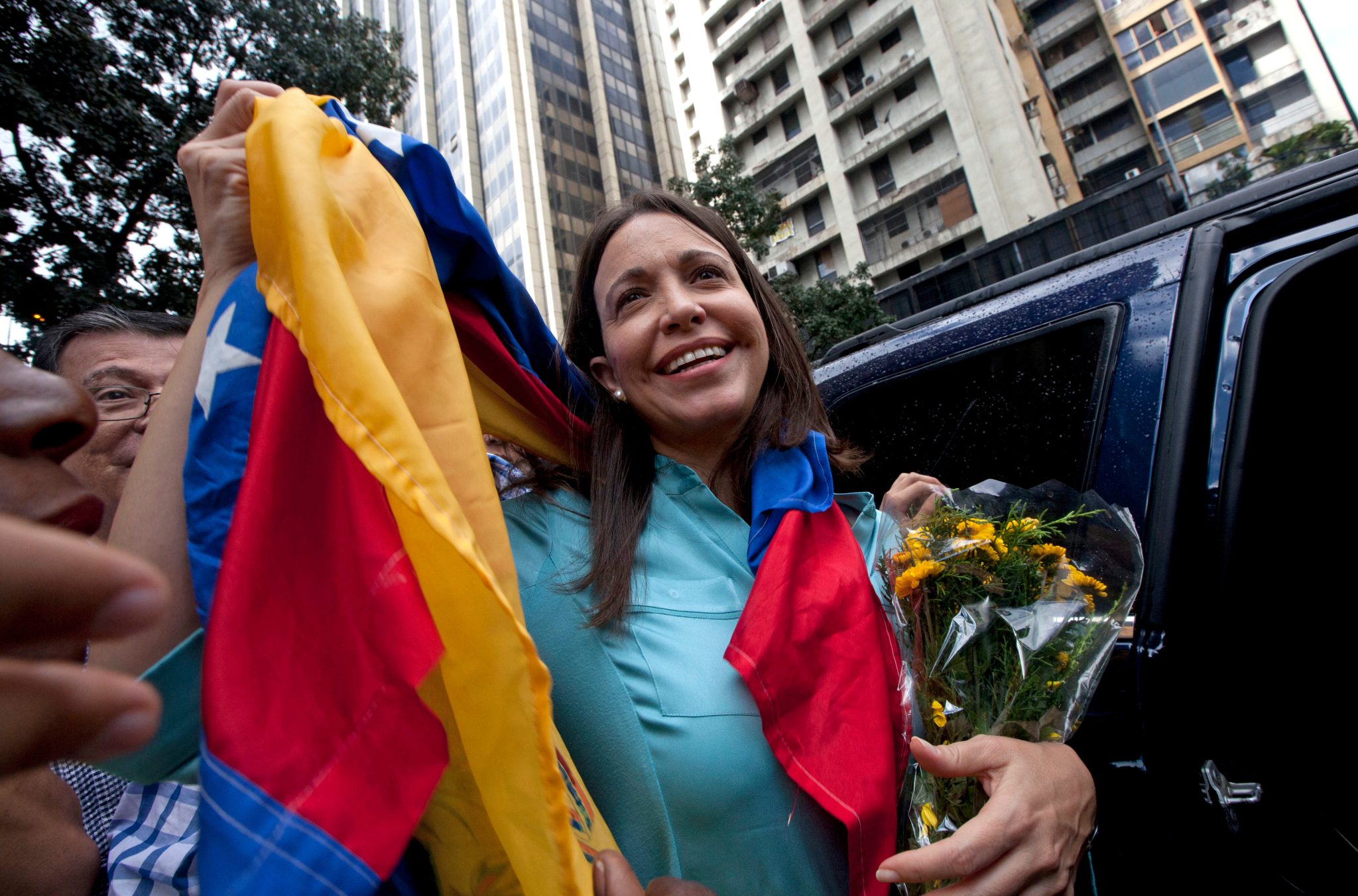
The most recent and significant evolution began in late 2023 with the opposition primaries, which unified a fractured resistance under the leadership of María Corina Machado. This culminated in the 2024 presidential election, where the resistance shifted its primary tool from protest to "electoral civil disobedience." This strategy involved the massive, grassroots mobilization of citizens to monitor polls and secure physical evidence of voting results, creating a permanent challenge to the official government narrative.
Structural Components of the Movement in 2026
In 2026, the Venezuelan resistance operates through three primary pillars: the domestic political coalition, civil society and human rights organizations, and the external diaspora network. Each pillar serves a distinct function in the broader goal of democratic restoration.
The Political Coalition (Plataforma Unitaria Democrática)
The Plataforma Unitaria Democrática (PUD) remains the central political vehicle for the resistance. Despite the forced exile of key figures, the coalition maintains a clandestine but effective organizational structure within Venezuela. Their primary objective in 2026 is maintaining the "electoral mandate" from 2024. This involves constant communication with international bodies to ensure that the results of that election are not forgotten or normalized by the global community.
Civil Society and Human Rights Defenders
Organizations such as Foro Penal, PROVEA, and Súmate form the backbone of the resistance’s documentation efforts. These groups focus on:
- Legal Defense: Providing pro-bono representation for political prisoners.
- Documentation: Recording human rights violations for submission to the International Criminal Court (ICC).
- Information Integrity: Fact-checking government claims and providing citizens with verified information via encrypted channels.
The Global Diaspora (The External Resistance)
With over 8 million Venezuelans living abroad as of 2026, the diaspora has become a powerful lobbying force. This "external resistance" works to influence the foreign policies of host nations, particularly in the United States, Colombia, Brazil, and the European Union. They play a critical role in funding humanitarian efforts and keeping the Venezuelan crisis on the global legislative agenda.
Strategic Tactics and the "Digital Resistance"
As traditional media outlets in Venezuela have been largely neutralized or shuttered, the resistance has migrated almost entirely to digital spaces. In 2026, the battle for information is a central component of the struggle.
The use of VPNs (Virtual Private Networks) has become standard practice for the average Venezuelan citizen to access independent news sites like Efecto Cocuyo or El Pitazo. Furthermore, the resistance utilizes decentralized messaging platforms to coordinate local actions. One of the most effective tools developed during the 2024 cycle was the "Comanditos"—small, localized volunteer groups that organize at the neighborhood level. These groups are designed to be resilient; if one cell is compromised by state security forces, others can continue to function independently.
This digital resistance also includes the "Actas" initiative—a massive digital archive of physical voting tallies. By digitizing and publishing these records, the resistance provided a level of transparency that made it impossible for international observers to ignore discrepancies in official state data. This archive remains a primary piece of evidence used by the resistance in 2026 to argue for the illegitimacy of the current administration.
Comparative Evolution of Resistance Phases
The following table outlines the shifting strategies and outcomes of the Venezuelan resistance over the past twelve years, highlighting the move toward organizational complexity.
| Period | Primary Strategy | Key Leadership | Outcome/Impact |
|---|---|---|---|
| 2014-2017 | Mass Street Protests | Student Movements / López | High visibility; significant repression; tactical stalemate. |
| 2019-2022 | Interim Government | Juan Guaidó | US/EU recognition; control of foreign assets; internal fragmentation. |
| 2023-2024 | Electoral Mobilization | Machado / González | Unified opposition; primary election success; evidence-based dispute of results. |
| 2025-2026 | Legitimacy Preservation | PUD / Diaspora | International legal pressure; ICC investigation acceleration; clandestine organization. |
International Legal Pressure and the ICC
A critical component of the resistance in 2026 is the ongoing investigation by the International Criminal Court (ICC). Unlike previous years where diplomatic pressure was largely symbolic, the legal proceedings regarding "crimes against humanity" have created tangible risks for the high-ranking members of the Maduro administration.
The resistance provides a steady stream of verified testimony and evidence to the ICC’s Office of the Prosecutor. This legal track is viewed by many within the movement as the most viable path toward a "negotiated transition," as it increases the personal cost for those in power to maintain the status quo. Additionally, the UN Fact-Finding Mission continues to release reports that validate the resistance's claims of systematic repression, providing the necessary documentation for foreign governments to maintain or expand targeted sanctions.
Challenges and Internal Obstacles
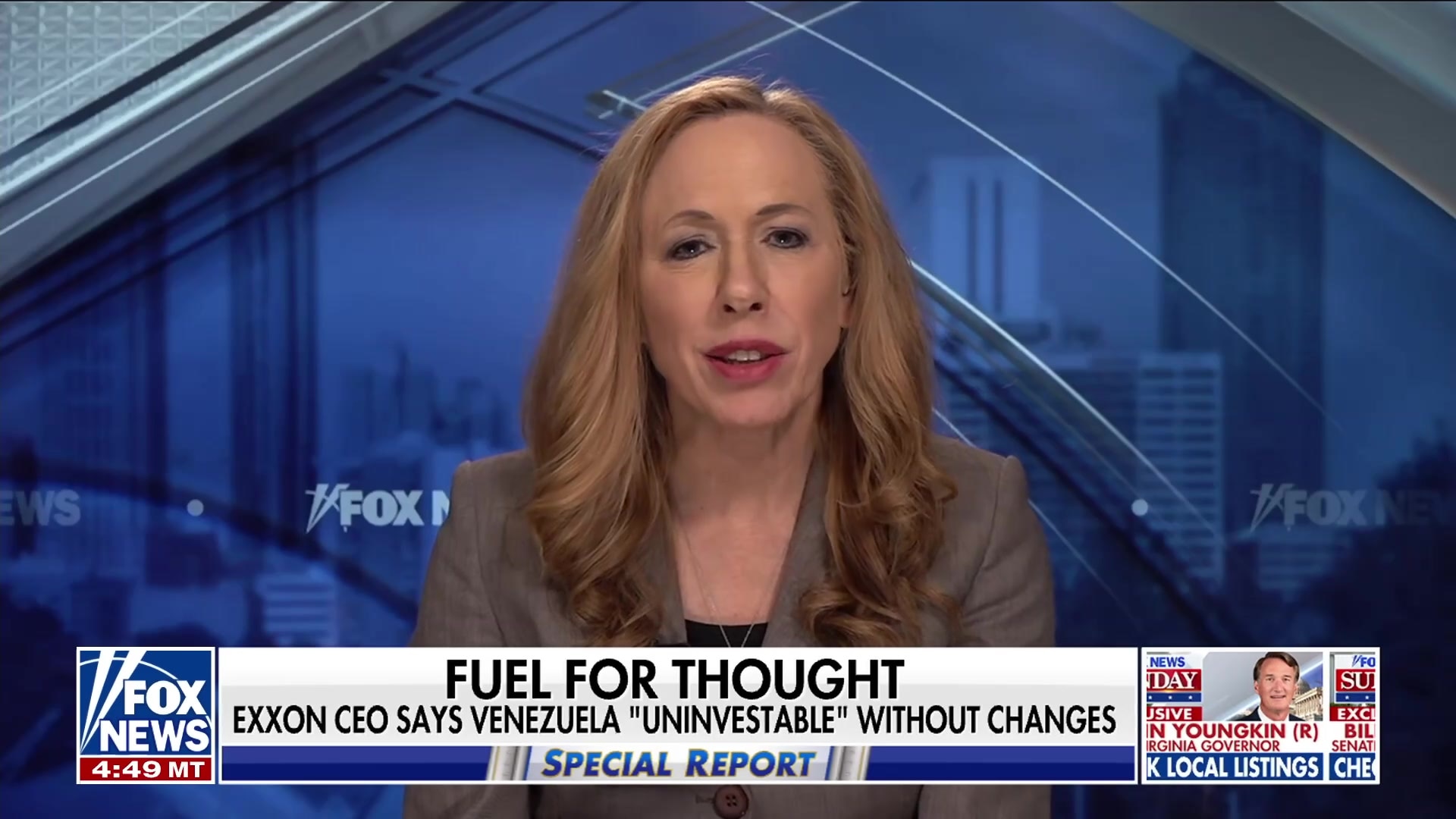
Despite its resilience, the Venezuelan resistance faces significant hurdles in 2026. The primary challenge is the "normalization" of the crisis. As years pass, there is a risk that the international community may prioritize regional stability or energy security over the restoration of Venezuelan democracy.
Internal challenges include:
- Leadership Attrition: Many of the most effective leaders are either in prison, in hiding, or in exile. Managing a movement from abroad presents significant logistical and motivational difficulties.
- Economic Coercion: The state uses access to food and basic services as a tool of political control. For many citizens, the daily struggle for survival can take precedence over political activism.
- Surveillance Technology: The administration has increased its use of digital surveillance, often assisted by foreign technology, making it more dangerous for activists to organize online.
The Role of the International Community
The success of the Venezuelan resistance is heavily dependent on sustained international support. In 2026, the movement's diplomatic efforts are focused on three specific goals:
- Non-Recognition: Ensuring that democratic nations do not recognize the legitimacy of the Maduro administration following the disputed 2024 term.
- Targeted Sanctions: Advocating for sanctions that target the personal assets of officials involved in human rights abuses, rather than broad measures that exacerbate the humanitarian crisis.
- Protective Status for Migrants: Ensuring that the millions of Venezuelans in the diaspora maintain legal status, allowing them to continue their roles as economic providers and political advocates.
Frequently Asked Questions
Who leads the Venezuelan resistance in 2026?
The movement is currently led by a collective leadership structure within the Plataforma Unitaria Democrática (PUD). While María Corina Machado remains the most prominent symbolic leader and the winner of the 2023 primaries, many operational decisions are made by a decentralized network of political representatives both inside Venezuela and in exile.
What is the goal of the "Comanditos"?
The Comanditos are grassroots volunteer structures designed for local organization. Originally formed to protect the vote during the 2024 elections, they now serve as networks for community support, information dissemination, and "civilian intelligence" to help activists avoid detention and maintain local communication during internet blackouts.
How does the resistance use the "Actas" (voting tallies)?
The Actas are the physical records printed by voting machines. The resistance successfully collected and digitized over 80% of these records in 2024. In 2026, these documents serve as the primary legal and mathematical proof used in international forums to challenge the official results of the National Electoral Council (CNE).
Is the Venezuelan resistance violent?
The mainstream Venezuelan resistance, led by the PUD and civil society groups, is explicitly committed to non-violent resistance and constitutional methods. While there have been fringe groups or spontaneous outbursts of anger in the past, the core strategy in 2026 remains diplomatic pressure, legal documentation, and peaceful civic mobilization.
How has the diaspora changed the resistance?
The diaspora has transformed the movement from a domestic struggle into a global one. By 2026, the "sixth star" (as some call the diaspora) provides the financial remittances that keep many families in Venezuela alive, while simultaneously acting as a permanent lobby in Washington D.C., Brussels, Bogota, and Madrid.
Recommendations for Continued Support
To effectively support the Venezuelan resistance in 2026, international stakeholders and observers should prioritize the protection of human rights defenders within the country. This includes providing funding for secure communication tools and supporting NGOs that document abuses. Furthermore, maintaining a "policy of non-normalization" is essential; the international community must continue to demand transparency regarding the 2024 election results and push for the release of all political prisoners as a prerequisite for any diplomatic re-engagement.
Image Gallery