Shoes That Cause Plantar Fasciitis: Footwear to Avoid for Heel Pain Relief
Certain types of footwear significantly increase the risk of developing plantar fasciitis by failing to support the foot's natural arch or provide adequate shock absorption. Shoes with completely flat soles, excessively worn-out midsol...
Certain types of footwear significantly increase the risk of developing plantar fasciitis by failing to support the foot's natural arch or provide adequate shock absorption. Shoes with completely flat soles, excessively worn-out midsoles, or extremely high heels are the primary culprits, as they place repetitive, pathological strain on the plantar fascia ligament.
Contents
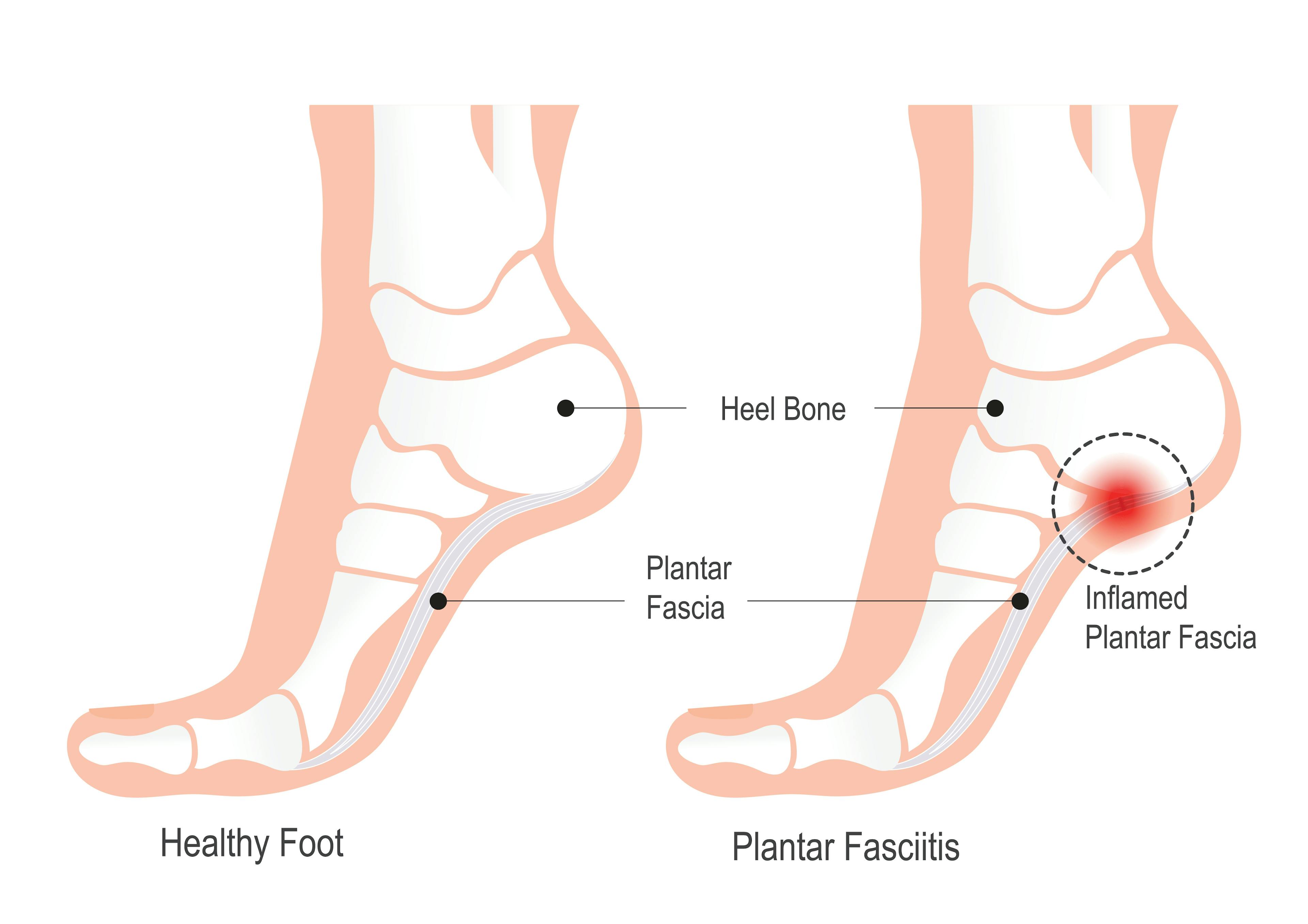
Plantar fasciitis is one of the most common causes of heel pain, characterized by inflammation of the thick band of tissue—the plantar fascia—that runs across the bottom of each foot and connects the heel bone to the toes. While many factors contribute to this condition, including activity levels and foot mechanics, footwear is often the most significant modifiable risk factor. By 2026, podiatric research has further emphasized that the rise in "lifestyle" footwear and unmonitored minimalist trends has led to a plateau in recovery rates for chronic heel pain patients.
The Biomechanics of Footwear-Induced Strain
To understand why specific shoes cause plantar fasciitis, one must understand the windlass mechanism. This is a mechanical model that describes how the plantar fascia supports the foot during weight-bearing activities. When the big toe dorsiflexes (pulls upward), the plantar fascia is stretched tight, arching the foot and stabilizing it for the "push-off" phase of a stride.
When a shoe lacks structure, the arch is allowed to collapse excessively during the gait cycle. This overstretching puts micro-tears in the fascia at the point where it attaches to the calcaneus (heel bone). Over time, these micro-tears lead to the stabbing pain associated with the condition. Conversely, shoes that are too rigid or shaped poorly can prevent the natural movement of the foot, forcing the fascia to absorb forces it was never designed to handle.
Common Shoe Types That Trigger Plantar Fasciitis
Not all shoes are created equal, and some of the most popular styles are the most damaging to foot health. The following categories are frequently identified by orthopedic specialists as the primary drivers of heel inflammation.
1. Flat Sandals and Flip-Flops
Standard flip-flops and ultra-flat sandals are perhaps the most dangerous shoes for those prone to plantar fasciitis. These shoes offer zero longitudinal arch support and no heel cushioning. Furthermore, because they are held onto the foot only by a thin strap, the toes must "claw" to keep the shoe in place. This constant toe-curling shortens the plantar fascia and increases tension during every step.
2. Ballet Flats and "Dressing" Loafers
Ballet flats often mimic the aesthetic of a slipper but are worn on hard urban surfaces. Like flip-flops, they lack a structured midsole. The thin soles provide no protection against the impact of the ground, meaning the heel bone takes the full force of every step. By 2026, podiatric guidelines continue to warn against wearing these for more than a few hours at a time, especially on concrete or tile flooring.
3. High-Heeled Shoes and Stilettos
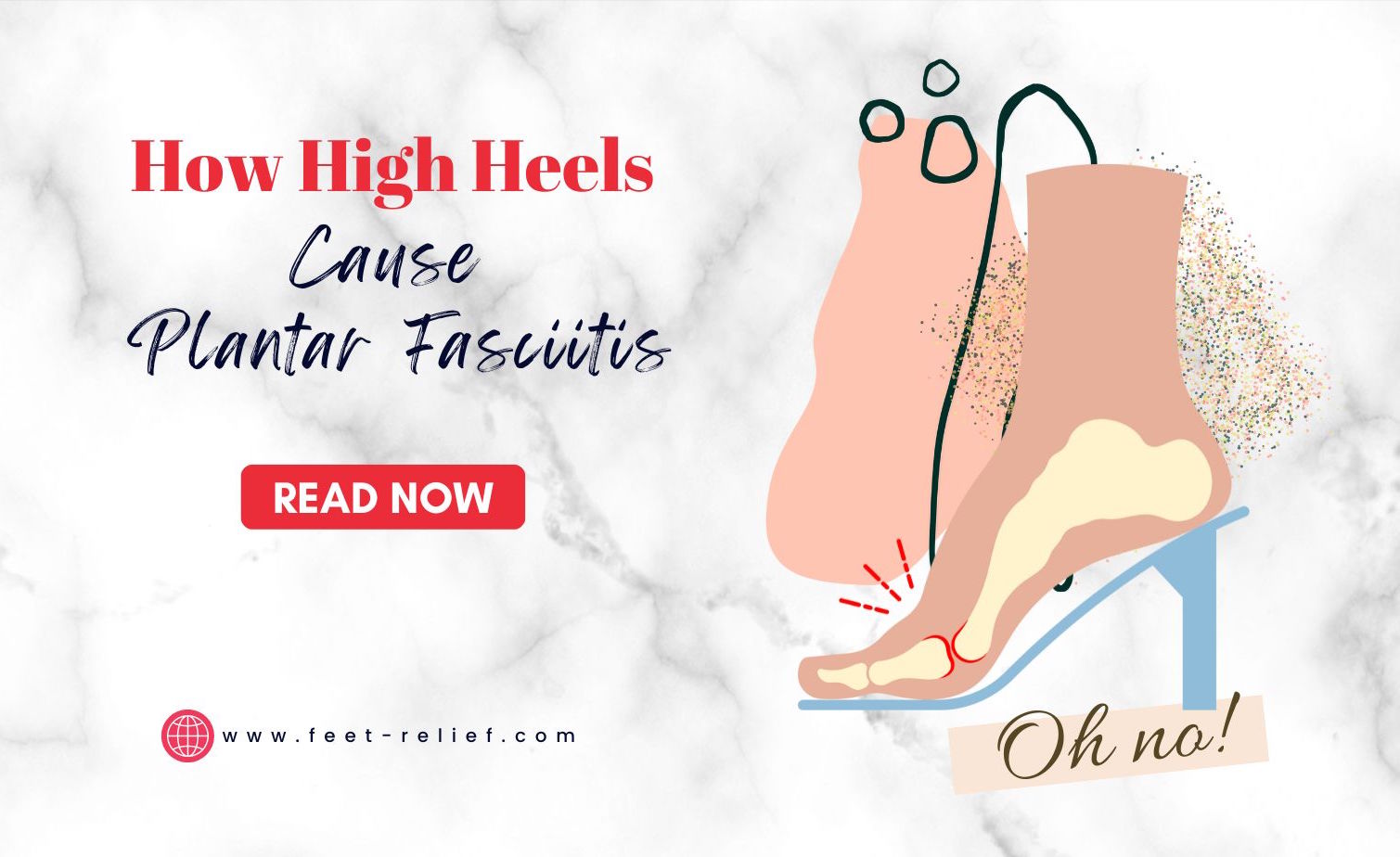
High heels shift the body's weight forward onto the balls of the feet, but their impact on plantar fasciitis is more indirect. Wearing heels regularly causes the Achilles tendon and calf muscles (gastrocnemius and soleus) to shorten and tighten. When you eventually switch back to flat shoes, these tight muscles pull upward on the heel bone, which in turn pulls the plantar fascia extremely tight. This "tugging" is a primary catalyst for chronic inflammation.
4. Worn-Out Athletic Sneakers
Even a high-quality running shoe has a shelf life. Most foam midsoles (made of EVA or TPU) lose their structural integrity after 300 to 500 miles of use. Once the internal support collapses—often on the medial (inner) side—the shoe no longer prevents overpronation. When the foot rolls inward too much, the arch flattens, and the plantar fascia is subjected to repetitive overstretching.
5. "Maximalist" Shoes with Poor Stability
A newer trend in the 2020s involves shoes with extremely thick, "mushy" foam soles. While they offer high levels of cushioning, they can sometimes lack lateral stability. If the foam is too soft, the foot can sink in unevenly, creating an unstable platform that forces the plantar fascia to work overtime to stabilize the foot.
Comparison of Footwear Features and Their Impact
The following table breaks down common shoe characteristics and how they relate to the development or exacerbation of plantar fasciitis.
| Shoe Characteristic | Impact on Plantar Fascia | Typical Shoe Examples | Risk Level |
|---|---|---|---|
| No Arch Support | Forces the fascia to support the entire body weight alone. | Flip-flops, cheap canvas sneakers. | High |
| Zero-Drop Sole | Places maximum stretch on the Achilles and fascia. | Minimalist/Barefoot shoes. | Moderate to High |
| Excessive Heel Height | Shortens calf muscles, increasing tension when off-foot. | Stilettos, high-heeled boots. | High |
| High Torsional Flex | Shoe twists too easily, failing to stabilize the midfoot. | Lightweight "sock" sneakers, flats. | Moderate |
| Worn Midsoles | Causes uneven weight distribution and overpronation. | Old running or walking shoes. | High |
| Rockered Soles | Reduces pressure on the heel and forefoot during gait. | Orthopedic walking shoes. | Low (Protective) |
The Dangers of Minimalist and "Barefoot" Trends
Minimalist shoes, which feature thin soles and a "zero-drop" (the heel and toe are at the same height), were designed to encourage a natural forefoot strike. However, for the average person accustomed to traditional shoes, an immediate switch to minimalist footwear is a recipe for injury.
Without the gradual strengthening of the intrinsic foot muscles, the plantar fascia is suddenly forced to absorb impact forces it isn't prepared for. Many cases of plantar fasciitis in the mid-2020s have been traced back to users attempting high-impact exercise in minimalist shoes without a proper transition period of six to twelve months.
How to Test Your Current Shoes
You don't need a medical degree to identify if your current rotation of shoes is putting you at risk. Use these three "bench tests" to evaluate your footwear:
- The Torsional Twist Test: Hold the shoe at the heel and the toe, then try to twist it like a wet towel. A good shoe should resist twisting in the middle (the shank). If it twists easily into a spiral, it likely provides insufficient support for your arch.
- The Toe Flex Test: Try to bend the shoe in half. It should only bend at the "toe box" (where your toes naturally flex). If the shoe folds in half at the middle of the arch, it is too flimsy and will likely aggravate the plantar fascia.
- The Heel Counter Push: Squeeze the back of the shoe (the heel counter). It should be firm and difficult to collapse. A soft heel counter allows the heel to shift, leading to instability and increased strain on the fascia's attachment point.
Long-Term Impact of Poor Footwear Choice
Continuing to wear shoes that cause plantar fasciitis can lead to more than just temporary pain. Chronic inflammation can eventually result in plantar fasciosis, a degenerative condition where the tissue begins to thicken and lose its blood supply. Furthermore, the body may attempt to protect the area by growing a heel spur—a calcium deposit on the underside of the heel bone. While the spur itself isn't always painful, it is a clear indicator of long-term mechanical stress.
Note: The information provided in this article is for educational purposes and should not replace professional medical advice. If you are experiencing chronic foot pain, consult a podiatrist or orthopedic specialist for a formal diagnosis and treatment plan.
Frequently Asked Questions
Can I fix plantar fasciitis just by changing my shoes?
While changing shoes is a critical step, it is often only one part of a comprehensive recovery plan. Most patients require a combination of supportive footwear, daily calf stretching, and occasionally physical therapy or custom orthotics. According to the American Podiatric Medical Association, addressing the footwear is the "foundation" of treatment, but the underlying muscle tightness must also be resolved.
Are expensive sneakers always better for my feet?
Not necessarily. Price does not always correlate with support. Some expensive "fashion" sneakers have flat interiors and poor structure. Look for specific technical features—such as a firm heel counter and a rigid shank—rather than a high price tag or a specific brand name.
How often should I replace my daily walking shoes?
For most people, shoes should be replaced every 6 to 8 months or every 400 miles, whichever comes first. Even if the outer sole looks fine, the internal cushioning and support structures "fatigue" over time. If you notice the foam feels compressed or if you see visible creases in the midsole, it is time for a new pair.
Is it okay to go barefoot at home if I have heel pain?
Usually, no. Walking barefoot on hard surfaces (hardwood, tile, laminate) provides no shock absorption or arch support, which can worsen morning heel pain. Podiatrists generally recommend wearing a supportive indoor slipper or a recovery slide with a contoured footbed even when inside the house.
Can insoles make "bad" shoes safe to wear?
An over-the-counter or custom orthotic insole can significantly improve a mediocre shoe by adding arch support. However, an insole cannot fix a shoe that is fundamentally unstable or has a completely collapsed midsole. It is always better to start with a structurally sound shoe and then add an insole if extra support is needed.
Final Recommendation: Transitioning to Healthier Footwear
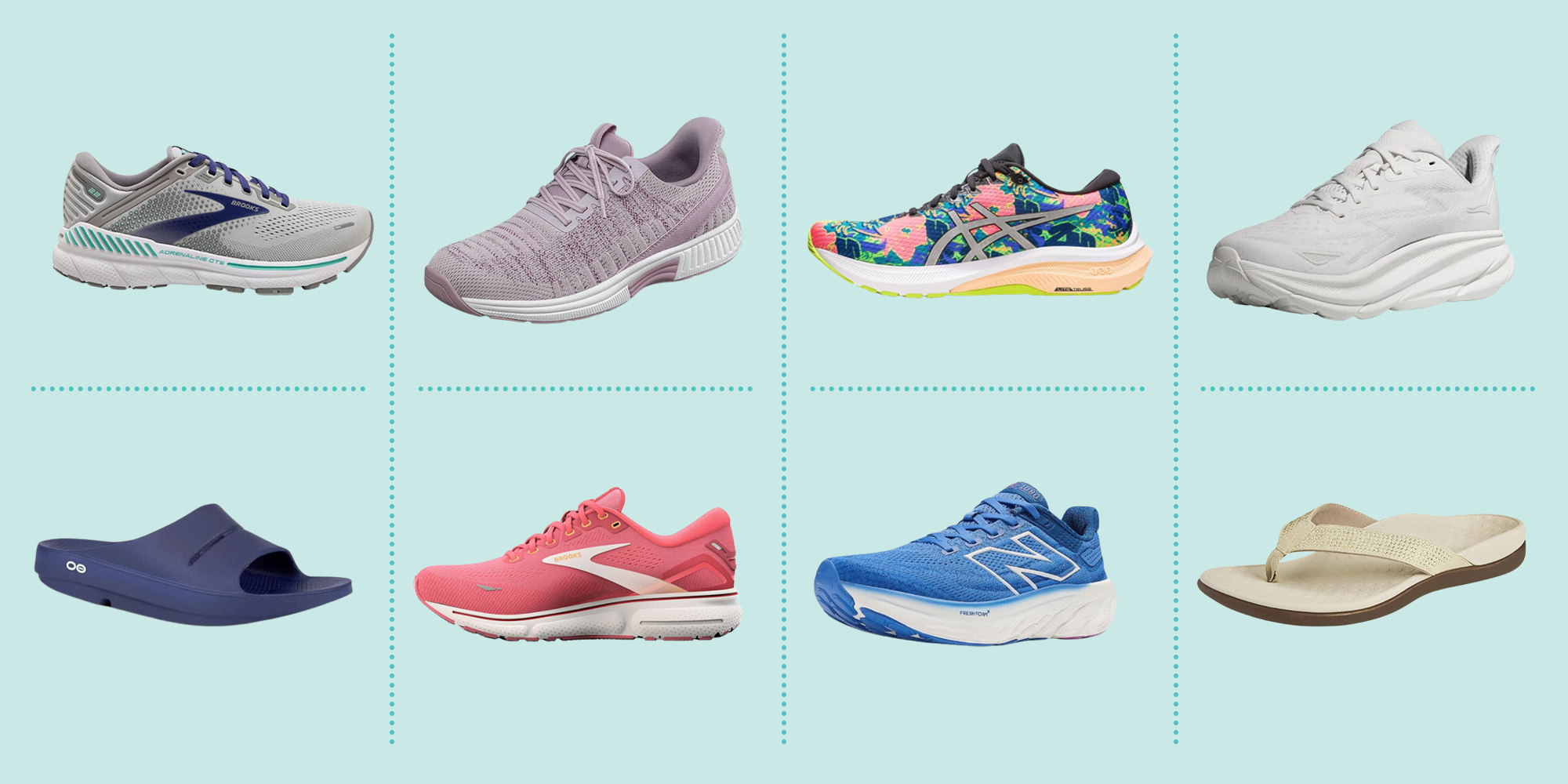
If you are currently experiencing heel pain, the first step is to audit your shoe closet and remove any footwear that fails the "bench tests" mentioned above. Invest in a pair of shoes specifically designed for stability or motion control, which typically feature a firmer foam on the medial side to prevent the arch from collapsing. For those who must wear dress shoes for work, look for brands that incorporate orthotic footbeds into professional styles. Consistently wearing supportive footwear, especially during the first few hours of the day when the fascia is most vulnerable, is the most effective way to facilitate long-term healing.
Image Gallery