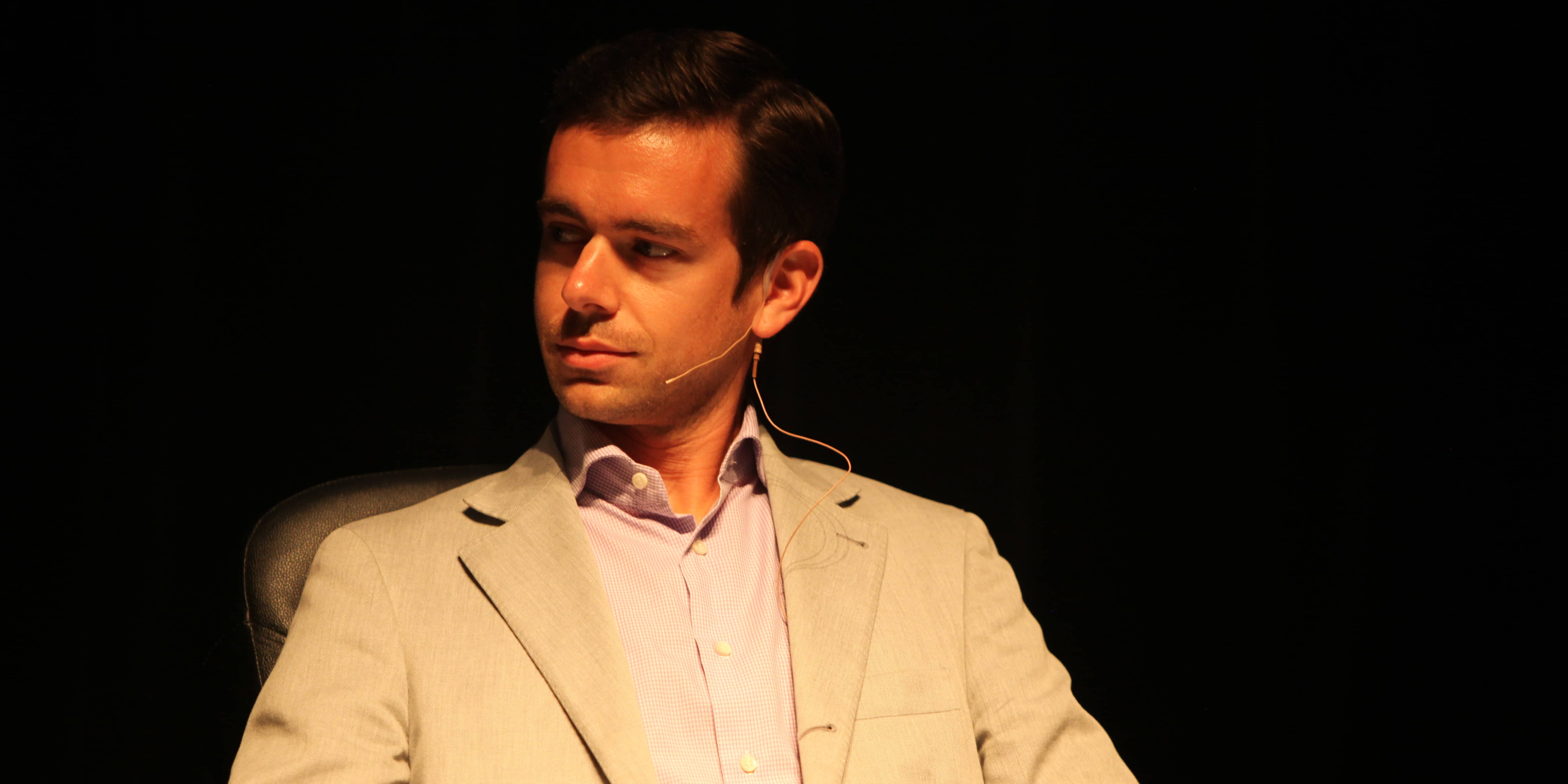
Jack Dorsey Net Worth and Business Profile: A Comprehensive Analysis
Jack Dorsey’s net worth and business profile represent one of the most distinct trajectories in the modern technology sector, defined by his roles as the co-founder of Twitter and the creator of the financial services company Block (fo...
Jack Dorsey’s net worth and business profile represent one of the most distinct trajectories in the modern technology sector, defined by his roles as the co-founder of Twitter and the creator of the financial services company Block (formerly Square). As of 2026, his wealth remains tied primarily to his significant equity stakes in Block and his ongoing influence in the decentralized technology and payment infrastructure markets. While fluctuations in public market valuations of his holdings continuously impact his net worth, his primary financial identity is characterized by long-term commitment to the companies he founded.
Contents
The Foundation of Wealth: The Block (Square) Paradigm
Jack Dorsey’s primary source of wealth is his ownership interest in Block, Inc., a financial technology conglomerate that evolved significantly from its origins as a mobile credit card reader company. When Square was founded in 2009, it revolutionized the micro-merchant ecosystem by allowing small businesses to process payments via smartphones. Over the past decade and a half, the company expanded into consumer-facing tools, most notably the Cash App, which has become a centerpiece of the company's ecosystem.
For investors and analysts observing Dorsey’s financial status in 2026, the valuation of Block is the most critical variable. Unlike founders who divest early, Dorsey has historically maintained a substantial percentage of Block’s Class B common stock. This stock carries significant voting power, ensuring that his influence over the company’s strategic direction remains absolute, regardless of daily market fluctuations. His wealth is therefore less a reflection of liquid cash reserves and more an reflection of his concentrated position in a publicly traded entity operating in the highly competitive digital payments sector.
Twitter and the Transition of Assets
The narrative of Jack Dorsey’s wealth is incomplete without considering his exit from Twitter, which was acquired in 2022. Dorsey’s departure from the platform was marked by a significant liquidity event. His remaining shares were converted into cash as part of the acquisition agreement. This transition was a pivotal moment in his business profile, shifting his capital from a social media asset to a more diversified holding structure.
Following the acquisition, much of the capital generated from his Twitter holdings was redirected toward private investments and philanthropic initiatives. This move signaled a shift in his business strategy toward a more "founder-led" approach to venture capital, focusing on areas like decentralized finance, open-source protocols, and global payment rails, rather than the advertising-supported models that defined his tenure at Twitter.
Strategic Investments and Industry Focus
Beyond his formal roles, Dorsey operates as a significant angel investor and backer of nascent technologies. His investment philosophy, often executed through personal holdings or dedicated vehicles, leans heavily toward infrastructure that promotes decentralized systems. He has been a vocal proponent of Bitcoin, integrating it into the core strategy of Block through the development of hardware wallets and the TBD division, which focuses on decentralized web platforms.
His business profile is increasingly defined by a preference for open-source development over closed ecosystems. By prioritizing Bitcoin as a "native currency" for the internet, Dorsey has attempted to insulate his business interests from the volatility and regulatory dependencies that plague traditional banking and social media advertising models.
Comparative Business Metrics
Understanding the scope of Dorsey’s influence requires a look at the two companies that define his career. The table below highlights the divergent business models that have historically contributed to his market presence.
| Feature | Block (Square/Cash App) | Twitter (Former) |
|---|---|---|
| Primary Revenue | Transaction fees, financial services | Advertising, data licensing |
| Core Philosophy | Decentralized, open-source | Centralized, real-time news |
| Market Focus | SMBs, retail consumers | Global public discourse |
| Dorsey’s Current Role | Co-founder, CEO | None (Exited 2022) |
| Technological Base | Payment rails, blockchain | Micro-blogging, real-time APIs |
Operational Risks and Market Volatility
Any analysis of Dorsey’s net worth must account for the high-beta nature of his assets. Technology stocks, particularly those in the fintech sector, are subject to intense market cycles, regulatory scrutiny, and competitive disruption. Because his net worth is heavily concentrated in Block, his personal financial standing is inherently linked to the success of the company’s ability to navigate shifts in consumer spending habits and interest rate environments that affect merchant payment volume.
Furthermore, his commitment to controversial and experimental technology sectors, such as decentralized finance, introduces a unique risk-reward profile. Unlike a diversified portfolio manager who spreads risk across industries, Dorsey’s business profile is characterized by high conviction. When his projects succeed, the growth is exponential; however, the lack of diversification means that his net worth is susceptible to rapid contraction during periods of market correction or sector-specific regulatory pressure.
Frequently Asked Questions
How is Jack Dorsey’s net worth calculated in 2026? Dorsey’s net worth is primarily an estimation based on his publicly disclosed equity holdings in Block, Inc. and his historical gains from the sale of Twitter. Because he holds non-public assets and makes private investments, exact valuations are subject to reporting delays and market volatility.
Does Jack Dorsey own any other significant companies? Beyond his roles at Block, Dorsey exerts influence through his private investment activities. He focuses on backing start-ups that align with his vision for an open internet and decentralized financial systems, rather than maintaining a traditional corporate conglomerate.
What impact does his focus on Bitcoin have on his business profile? Dorsey views Bitcoin as a foundational element for future commerce. By embedding it into Block’s ecosystem, he differentiates the company from traditional fintech firms, potentially positioning it as a primary gateway for digital asset adoption among mainstream consumers.
Is Jack Dorsey currently involved in social media? As of 2026, Dorsey has formally distanced himself from the daily operations of social media platforms. His professional focus has moved toward financial infrastructure and web decentralization, leaving the social media landscape to focus on other entrepreneurial endeavors.
How does his voting power in Block affect his influence? Because Dorsey retains a significant portion of Class B stock, he possesses super-voting rights. This grants him effective control over the company’s strategic trajectory, allowing him to pursue long-term, potentially disruptive projects that might otherwise be discouraged by short-term shareholder pressures.
Recommendations for Further Research
Readers interested in the ongoing evolution of Jack Dorsey’s business profile should monitor the quarterly earnings reports and 10-K filings for Block, Inc. These documents provide the most accurate, verified data regarding company performance, strategic shifts, and changes in executive equity positions. Additionally, tracking the development of the "TBD" business unit within Block offers insight into his current strategic priorities, as this division acts as a bellwether for his long-term vision for decentralized technology.
Image Gallery