Where Does the FBI Train? Inside the Quantico Academy and Specialized Facilities
The Federal Bureau of Investigation (FBI) primarily trains its personnel at the FBI Academy located within the Marine Corps Base Quantico in Virginia. This 547-acre high-security campus serves as the central hub for New Agent Training,...
The Federal Bureau of Investigation (FBI) primarily trains its personnel at the FBI Academy located within the Marine Corps Base Quantico in Virginia. This 547-acre high-security campus serves as the central hub for New Agent Training, Intelligence Analyst training, and specialized tactical programs for federal law enforcement.
Contents
For over eight decades, the FBI Academy has been synonymous with elite law enforcement preparation. While the name "Quantico" is often used as shorthand for the entire training process, the reality of FBI training in 2026 is a multi-faceted operation that extends beyond Virginia to specialized facilities across the United States. To understand where and how the FBI trains, one must look at the specific programs, the mock cities used for simulations, and the rigorous standards required to graduate from these prestigious institutions.
The FBI Academy at Quantico: The Primary Training Ground
The FBI Academy is situated approximately 36 miles outside of Washington, D.C., nestled within the 54,000-acre Marine Corps Base Quantico. Since its formal opening in 1972, the Academy has evolved into one of the world's premier law enforcement training centers. It is a self-contained "city" designed to provide everything a trainee needs for a 20-week residency.
Campus Layout and Living Quarters
The campus features three dormitory buildings, a dining hall, a library, and a classroom building. Because the training is immersive, New Agent Trainees (NATs) and Intelligence Analyst Trainees (IATs) live on-site for the duration of their programs. This residency model is intended to foster a sense of "fidelity, bravery, and integrity"—the Bureau’s motto—while ensuring trainees remain focused on the intensive curriculum.
The Jefferson Building and Academic Instruction
Most classroom-based instruction occurs in the Jefferson Building. In 2026, the curriculum heavily emphasizes cybercrime, counterintelligence, and civil rights law alongside traditional criminal investigation techniques. Trainees spend hundreds of hours here learning the legal frameworks that govern federal investigations, including the Fourth Amendment, rules of evidence, and the Bureau's internal manual of administrative operations.
Hogan’s Alley: The FBI’s Realistic Mock Town
Perhaps the most famous aspect of Quantico is Hogan’s Alley. This is a 10-acre tactical training complex that functions as a realistic, simulated town. It is not merely a collection of facades; it includes functioning buildings such as a bank, a post office, a pharmacy, a hotel, and residential houses.
Realistic Simulation Training
Hogan’s Alley allows instructors to create high-stakes scenarios that trainees might face in the field. These simulations include:
- Executing Search Warrants: Trainees must plan and execute entries into "homes" while adhering to legal protocols.
- Bank Robbery Response: Mock robberies are staged to test the trainees' ability to manage witnesses, secure a crime scene, and track suspects.
- Undercover Operations: Trainees practice meeting informants in public spaces like the "Dogwood Inn" or the town’s deli.
- Tactical Arrests: Actors (often professional role-players) portray suspects, forcing trainees to make split-second decisions regarding the use of force.
By training in a controlled yet realistic environment, the Bureau ensures that the first time an agent faces a life-threatening situation, it is not their first time experiencing the stress of a tactical encounter.
Firearms and Tactical Training Facilities
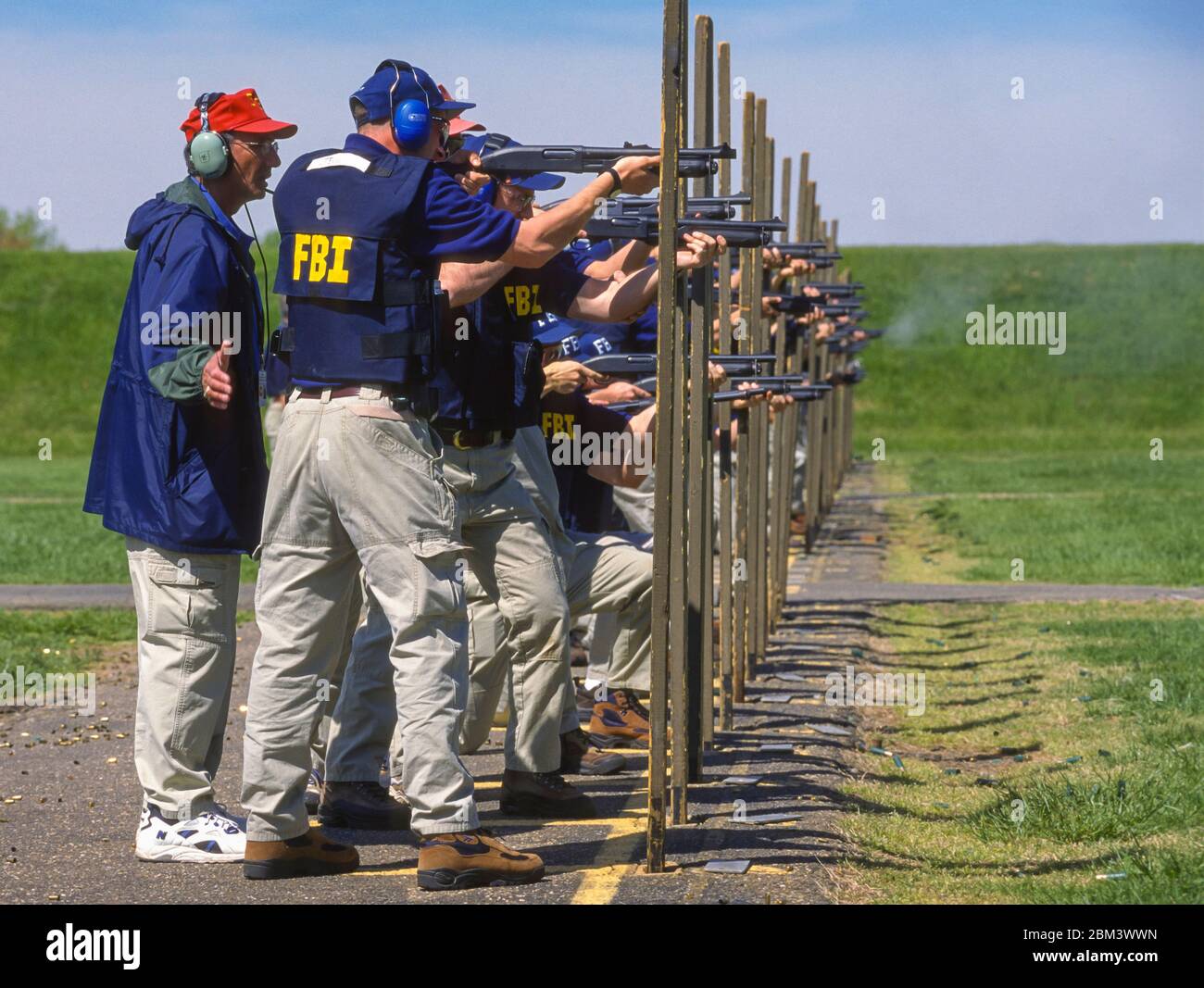
The FBI Academy houses some of the most advanced firing ranges in the world. Firearms proficiency is a non-negotiable requirement for Special Agents. The training starts with basic marksmanship and progresses to complex tactical shooting.
The Firing Ranges
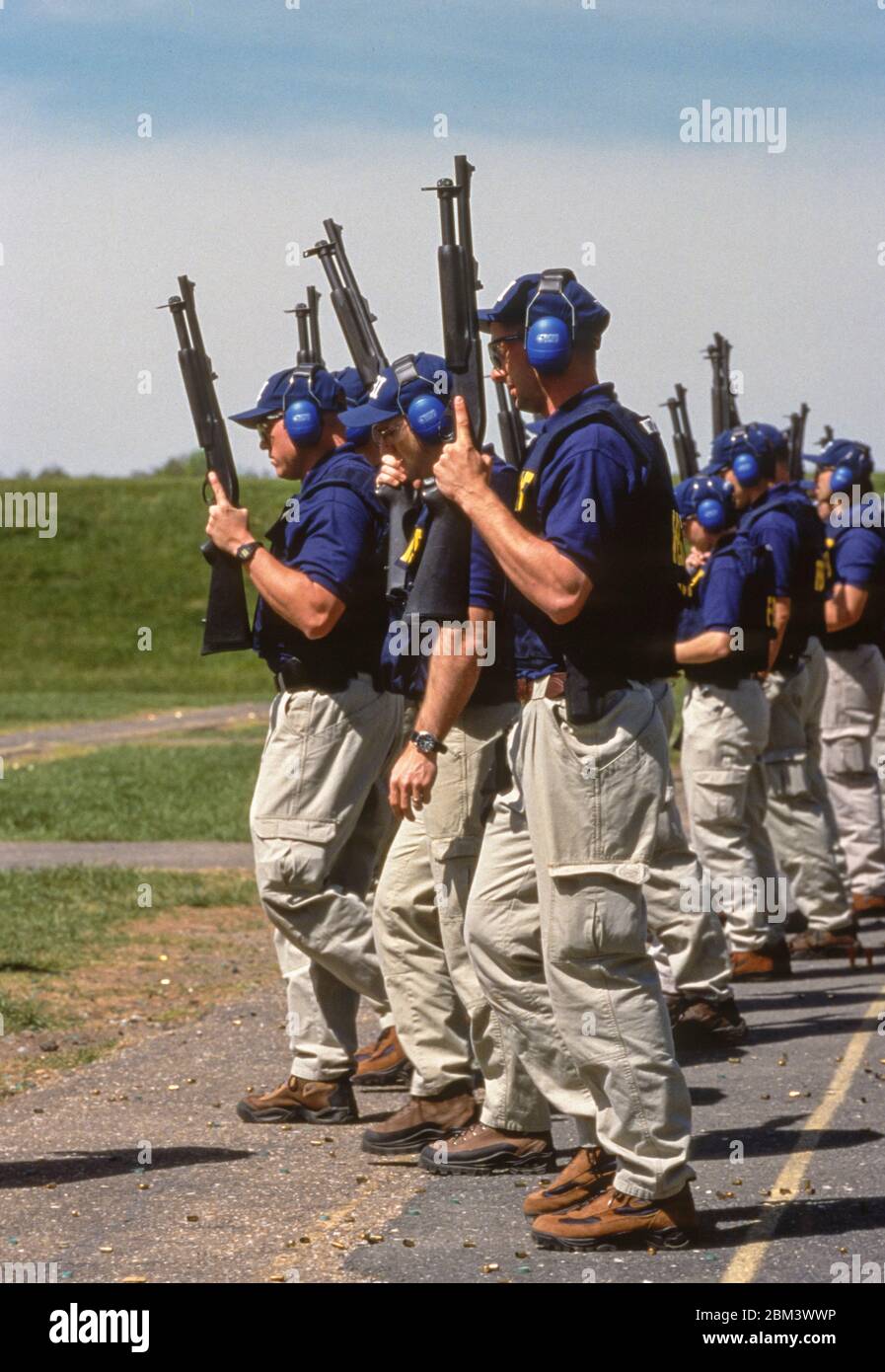
The Academy includes eight firing ranges, four of which are specifically designed for handgun training. There is also a dedicated 200-yard rifle range and a specialized "shoot house" where trainees practice room clearing with live ammunition (under strict supervision). Special Agents are primarily trained on the Bureau-issued 9mm Glock 19M, though they also receive instruction on carbines and shotguns.
The Tactical Training Center
The Tactical Training Center (TTC) is where trainees learn defensive tactics. This includes hand-to-hand combat, arrest techniques, and how to safely use handcuffs. In 2026, the TTC also incorporates advanced Virtual Reality (VR) simulators that allow agents to practice de-escalation techniques in various digital environments, providing instant feedback on their verbal commands and physical positioning.
Beyond Quantico: Specialized Training Locations
While Quantico is the "heart" of the FBI, several specialized units train at different locations to take advantage of specific geography or existing infrastructure.
Hazardous Devices School (Redstone Arsenal)
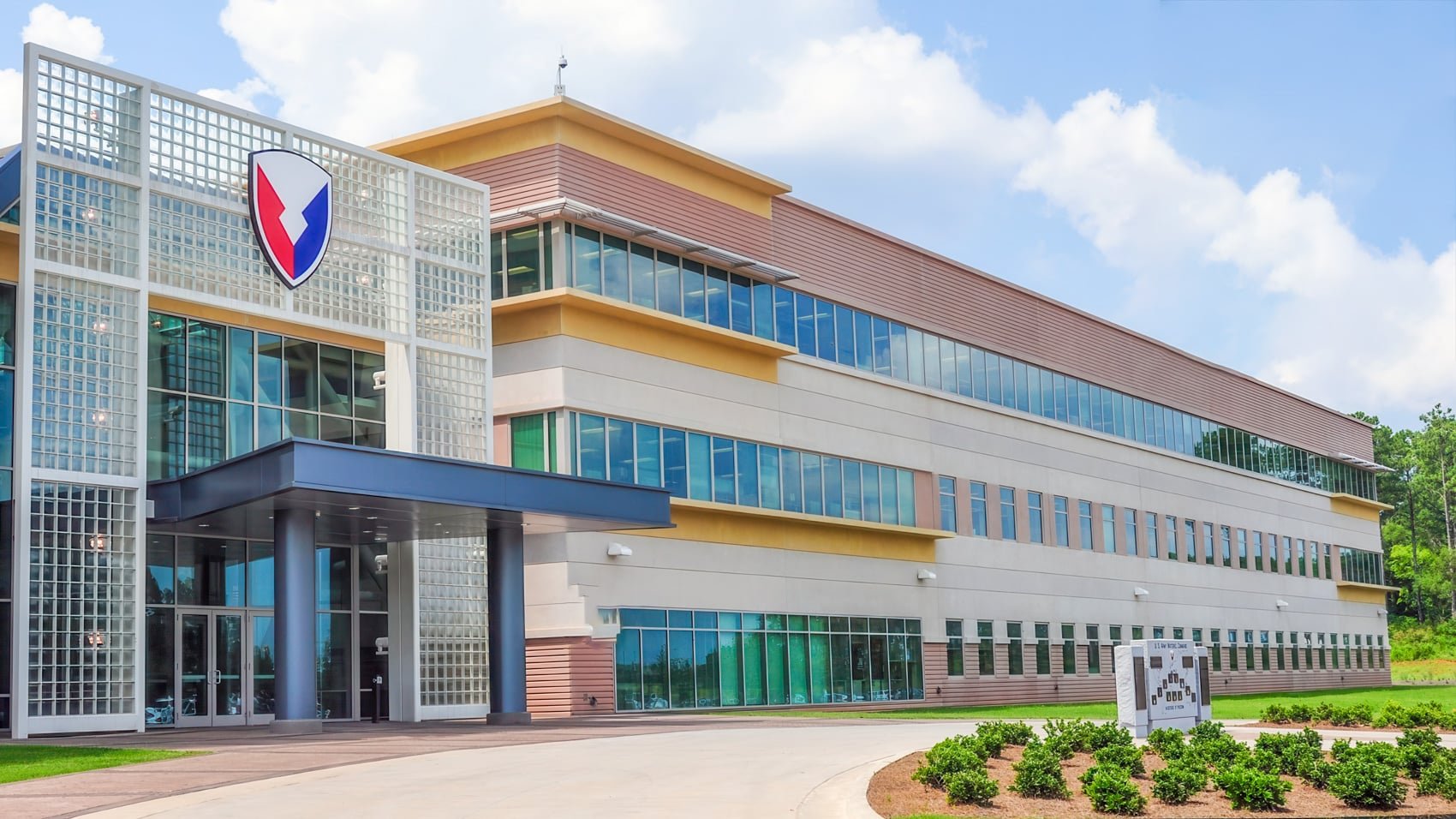
If you are training to be an FBI Bomb Technician, you will spend significant time at the Hazardous Devices School (HDS) located at the Redstone Arsenal in Huntsville, Alabama. This facility is the sole location for training and certifying all of the nation's public safety bomb technicians. It features multiple "bomb houses" and specialized ranges for testing explosives and robotic disposal units.
The Hostage Rescue Team (HRT) Training
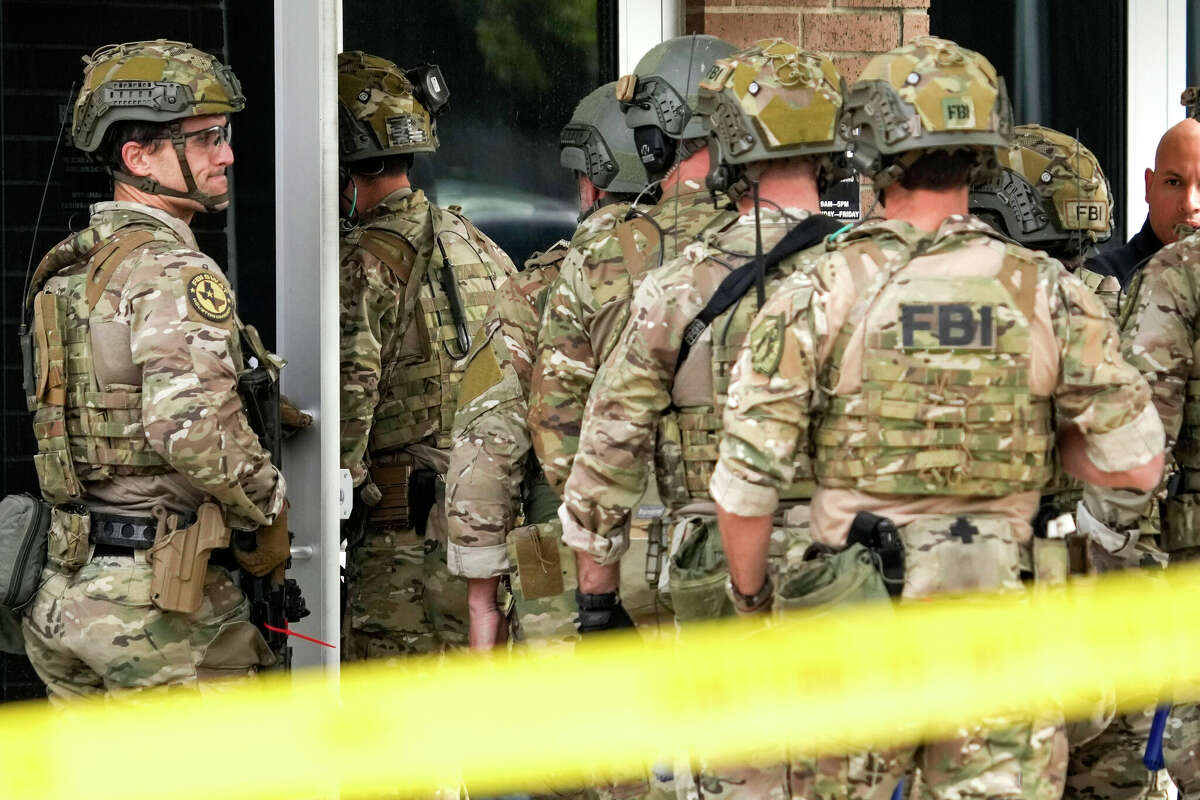
The FBI's elite Hostage Rescue Team—the Bureau's equivalent of a SWAT Tier 1 unit—is headquartered at Quantico but utilizes various training sites across the country. Their training includes maritime operations in coastal areas, high-altitude training in mountainous regions, and urban warfare simulations in various major cities to prepare for domestic counter-terrorism missions.
Operational Technology Division (OTD)
While OTD is based in Quantico, its training often involves partnerships with private sector tech giants and academic institutions. Agents specializing in digital forensics or cyber-surveillance may attend advanced training modules in tech hubs like Silicon Valley or the Research Triangle to stay ahead of evolving encryption and malware threats.
Training Programs Comparison (2026 Standards)
The following table outlines the differences between the primary training tracks hosted at the FBI Academy.
| Program Feature | New Agent Training (NAT) | Intelligence Analyst (IATP) | National Academy (NA) |
|---|---|---|---|
| Duration | 20 Weeks | 12 Weeks | 10 Weeks |
| Residency | Mandatory at Quantico | Mandatory at Quantico | Mandatory at Quantico |
| Primary Focus | Criminal Law, Firearms, Fitness | Intelligence Cycle, Analysis | Executive Leadership |
| Firearms Req. | Yes (High Proficiency) | No (Optional Familiarization) | No |
| Fitness Req. | Strict PFT Standards | General Wellness | Optional (Yellow Brick Road) |
| Target Audience | Aspiring Special Agents | Aspiring Analysts | External Police Executives |
Requirements for Training at the FBI Academy
Entry into the FBI Academy is notoriously difficult. As of 2026, the Bureau maintains a "whole-person" evaluation process. Candidates do not simply "apply" to the Academy; they apply for a position within the Bureau and are sent to training only after a rigorous multi-phase selection process.
Basic Eligibility
To be eligible for New Agent Training, candidates must:
- Be between 23 and 36 years old at the time of appointment.
- Hold a U.S. citizenship.
- Possess a four-year degree from an accredited institution.
- Have at least two years of professional work experience.
The Physical Fitness Test (PFT)
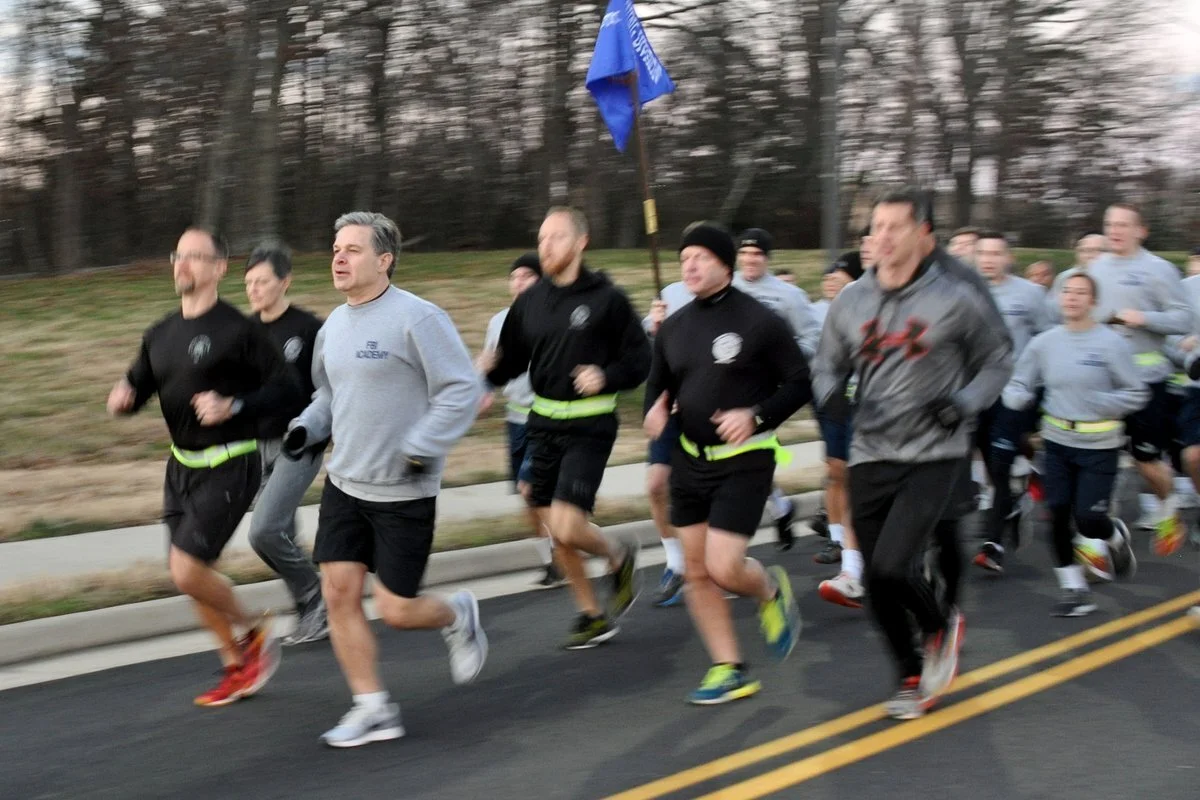
Before arriving at Quantico and multiple times during the 20-week program, trainees must pass the PFT. This test consists of four timed events:
- Sit-ups: Maximum number in one minute.
- Timed Sprint: A 300-meter dash.
- Push-ups: Maximum number (untimed).
- 1.5-Mile Run: Timed endurance run.
Failure to meet the minimum scoring requirements on the PFT can result in dismissal from the Academy, regardless of academic performance.
The FBI National Academy: Training Global Partners
It is important to distinguish between the training of new FBI employees and the FBI National Academy. The National Academy is a professional development program for U.S. and international law enforcement leaders.
These officers, often police chiefs or commanders from local departments, come to Quantico for a 10-week course in leadership, law, and behavioral science. This program is vital for building the inter-agency cooperation required for large-scale federal investigations. The "Yellow Brick Road" is the famous final fitness challenge for National Academy students—a 6.1-mile grueling run through the woods of Quantico designed by the Marine Corps.
Frequently Asked Questions
Can the public visit the FBI Academy?
No, the FBI Academy is a secure government facility located on a military base. It is not open for public tours. However, the FBI Experience at the J. Edgar Hoover Building in Washington, D.C., offers a public-facing museum that explains the history and training of the Bureau.
Do FBI trainees get paid during their time at Quantico?
Yes. Trainees are considered full-time employees of the FBI from the day they start at the Academy. They receive a salary based on the Federal General Schedule (GS) pay scale (usually starting at GS-10 for Special Agents) plus a locality adjustment for the Washington, D.C. area.
Is the training at Quantico as hard as it looks in movies?
The training is physically and mentally demanding, but it is focused on practical application rather than "boot camp" style hazing. The academic load is heavy, with frequent exams that require a high passing grade. The stress is designed to mimic the high-pressure environment of federal investigations.
Do Intelligence Analysts use the same facilities as Special Agents?
Yes. While Analysts do not undergo the same firearms or tactical training as Special Agents, they share the dormitories, dining halls, and many of the academic classrooms. This "integrated training" model helps Agents and Analysts build working relationships before they are assigned to field offices.
What happens if a trainee fails a test at the Academy?
The FBI has high standards. If a trainee fails a specific academic exam or a firearms qualification, they are typically given one opportunity to retake it. A second failure usually results in "washing out" or being dismissed from the Bureau.
Next Steps for Aspiring Trainees
If you are interested in training at the FBI Academy, the first step is to visit the official FBI Jobs portal to review the current vacancies and specific requirements for the Special Agent or Intelligence Analyst tracks. Ensure your physical fitness is at peak levels and your background is clear of any disqualifying factors, such as drug use or significant financial instability, as the background check is as rigorous as the training itself.
Image Gallery