3 Types of Workers Compensation: An Overview of Coverage Options
Workers' compensation insurance typically comprises three core components: statutory coverage for medical expenses and lost wages (Part One), employers liability for lawsuits (Part Two), and other states insurance for multi-jurisdictio...
Workers' compensation insurance typically comprises three core components: statutory coverage for medical expenses and lost wages (Part One), employers liability for lawsuits (Part Two), and other states insurance for multi-jurisdictional operations (Part Three). These options ensure employers meet legal mandates while protecting against financial ruin from workplace accidents.
Contents
As of 2026, workers' compensation remains a foundational requirement for businesses across the United States. While the specific regulations vary significantly by state, the standardized policy structure developed by the National Council on Compensation Insurance (NCCI) provides a consistent framework for understanding how coverage is applied. For business owners and HR professionals, distinguishing between these coverage types is essential for maintaining compliance and managing the total cost of risk.
Part One: Statutory Workers Compensation Insurance
The first and most critical component of a standard policy is Part One, often referred to as Statutory Workers Compensation. This section of the policy does not have a traditional "limit of liability" expressed in dollar amounts on the declarations page. Instead, the insurer agrees to pay all benefits required by the workers' compensation laws of the states listed in the policy.
The No-Fault Framework
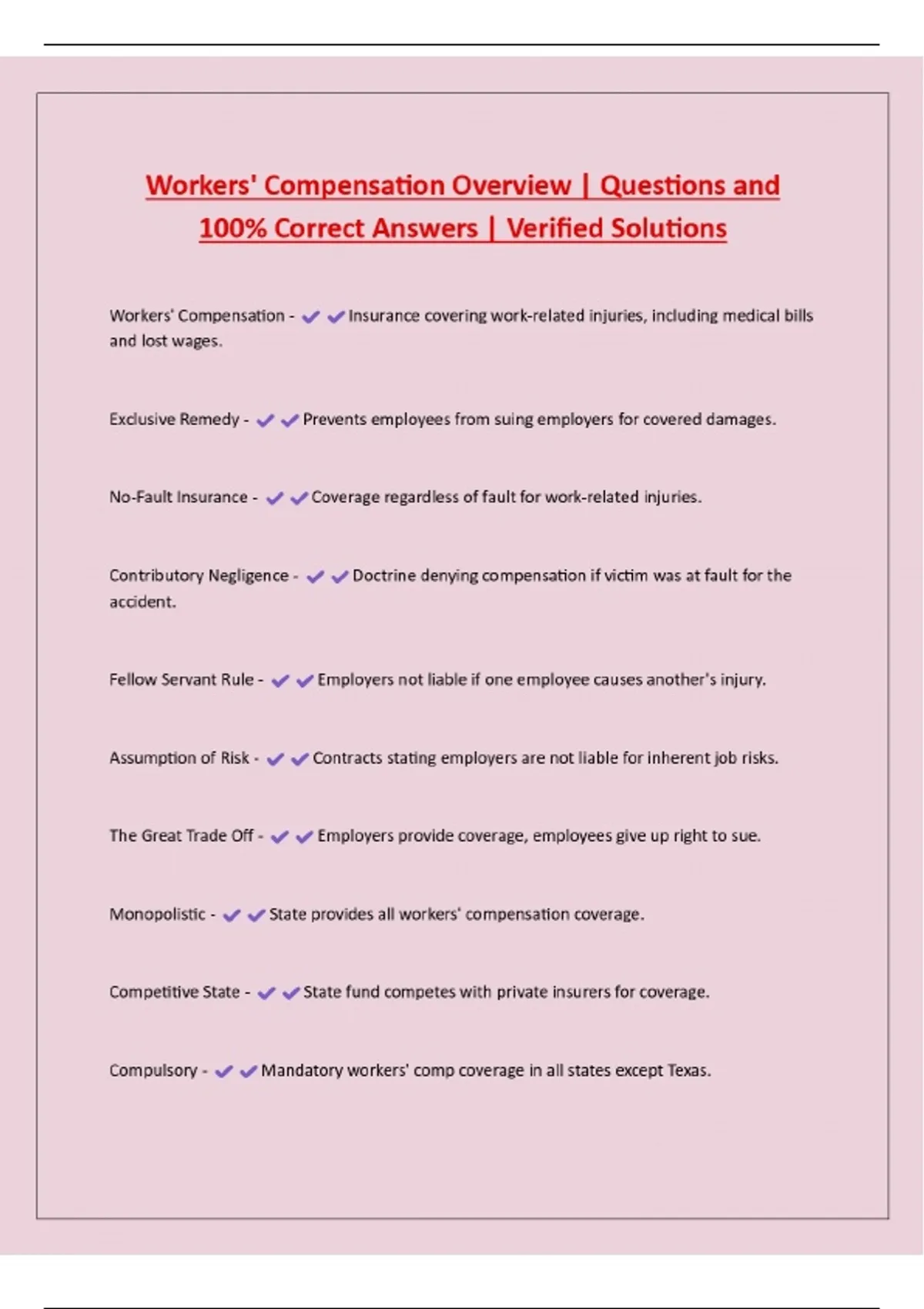
Part One operates on a "no-fault" basis. This means an injured employee does not need to prove the employer was negligent to receive benefits. In exchange for this guaranteed support, employees generally forfeit their right to sue the employer for damages—a legal concept known as the "exclusive remedy" doctrine.
Core Benefits Under Part One
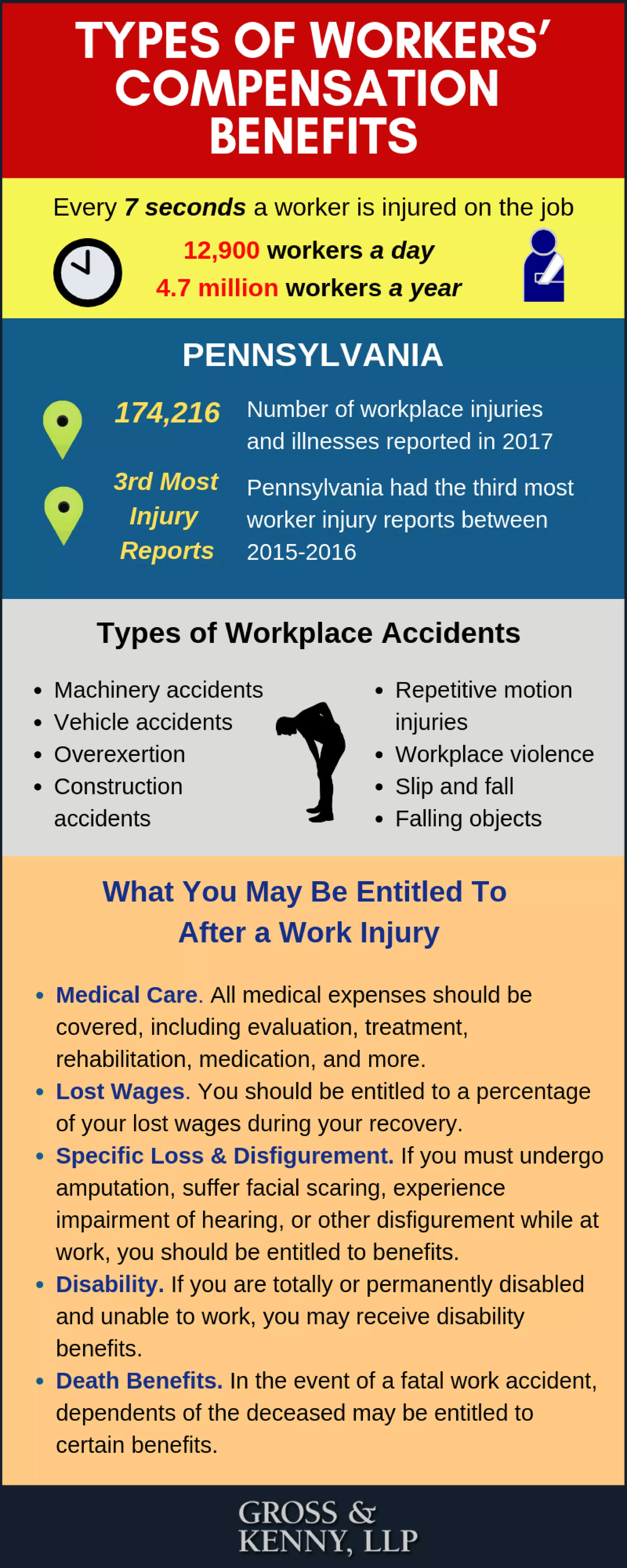
The benefits provided under this section are dictated by state law and generally fall into four categories:
- Medical Expenses: Coverage for all "reasonable and necessary" medical treatment related to the workplace injury. This includes emergency room visits, surgeries, medications, and physical therapy. In 2026, this also increasingly covers telehealth consultations and specialized recovery programs.
- Disability Benefits (Wage Replacement): If an employee cannot work, they receive a portion of their average weekly wage. These are categorized as Temporary Total Disability (TTD), Temporary Partial Disability (TPD), Permanent Partial Disability (PPD), or Permanent Total Disability (PTD).
- Vocational Rehabilitation: If an injury prevents an employee from returning to their previous role, this coverage pays for retraining or job placement services to help them enter a different field.
- Death and Survivor Benefits: If a workplace accident results in a fatality, the policy pays for funeral expenses and provides ongoing financial support to the deceased worker’s dependents.
Part Two: Employers Liability Insurance
While Part One handles the statutory benefits mandated by law, Part Two—Employers Liability—protects the business from lawsuits that fall outside the exclusive remedy protections. Even though workers' compensation is designed to prevent litigation, there are specific scenarios where an employer can still be sued for a work-related injury.
Common Types of Employers Liability Claims
Employers liability coverage is finite, meaning it has specific dollar limits (e.g., $100,000/$500,000/$100,000) listed on the policy. It typically covers four types of claims:
- Third-Party Over Actions: This occurs when an injured employee sues a third party (like a machinery manufacturer), and that third party then sues the employer for contributory negligence.
- Loss of Consortium: These are lawsuits filed by the spouse or family members of an injured worker, claiming that the injury has deprived them of the companionship or services of the worker.
- Dual Capacity Suits: If an employee is injured by a product manufactured by the employer, they may sue the employer in their capacity as a manufacturer rather than as an employer.
- Consequential Bodily Injury: This involves a lawsuit from a family member who suffers a physical illness or injury as a direct result of the employee’s workplace injury (for example, a spouse suffering a heart attack upon hearing of a severe accident).
In 2026, maintaining adequate Part Two limits is vital, as legal costs and settlement amounts continue to rise, potentially exceeding the basic limits provided in standard policies.
Part Three: Other States Insurance
In an increasingly mobile workforce, Part Three is essential for businesses that have operations, or employees traveling, outside of their primary state of residence. This section provides coverage for states not specifically listed under Part One, provided the employer notifies the insurance carrier as soon as work begins in those new jurisdictions.
How Other States Coverage Functions
When a policy is issued, the "home" state is listed in Item 3.A. of the declarations page. Any other states where the company might do business are listed in Item 3.C. If an employee is injured in a 3.C. state, the policy will adapt to provide the statutory benefits required by that specific state's laws.
Limitations and Monopolistic States
It is critical to note that Part Three coverage does not apply to "monopolistic" states. As of 2026, these remain Ohio, Washington, North Dakota, and Wyoming. In these states, employers must purchase workers' compensation directly from a state-operated fund. Private insurance policies cannot provide statutory coverage (Part One) in these jurisdictions, and employers must often purchase a separate "stop-gap" endorsement to get the equivalent of Employers Liability (Part Two) coverage.
| Coverage Type | Primary Purpose | Limit Structure | Key Feature |
|---|---|---|---|
| Part One (Statutory) | Pay state-mandated benefits to injured workers. | No dollar limit; follows state law. | No-fault system; exclusive remedy. |
| Part Two (Employers Liability) | Protect employer against injury-related lawsuits. | Specific dollar limits (e.g., $500k). | Covers third-party over and loss of consortium. |
| Part Three (Other States) | Extend coverage to employees in different states. | Depends on the laws of the target state. | Essential for multi-state or remote operations. |
Alternative Coverage Models and Structures
Beyond the standard three-part policy, businesses may encounter different "types" of workers' compensation based on how the coverage is funded and administered.
Private Insurance Carriers
The most common model involves purchasing a policy from a private insurance company. These carriers compete on price, loss control services, and claims management. In 2026, many private carriers utilize AI-driven analytics to identify high-risk patterns and help businesses lower their premiums through proactive safety interventions.
State-Funded Insurance
In some states, a state-run insurance fund exists alongside private carriers (competitive funds). These often serve as the "insurer of last resort" for high-risk businesses that cannot find coverage in the voluntary market. In monopolistic states, the state fund is the only legal option for Part One coverage.
Self-Insurance and Group Funds
Large corporations with significant financial reserves may choose to self-insure. This involves setting aside funds to pay claims directly rather than paying premiums to an insurer. Smaller businesses in the same industry may join a Group Self-Insurance Fund to pool their risks. Both models require strict regulatory approval and the purchase of "excess" insurance to protect against catastrophic losses.
The Role of Classification and Experience Rating
Understanding the types of coverage is only half the battle; knowing how they are priced is equally important. Two factors dominate the cost of these coverage options in 2026:
- Class Codes: Every job function is assigned a four-digit NCCI code based on its inherent risk. A roofing contractor will have a significantly higher rate than an office accountant.
- Experience Modification Rate (E-Mod): This is a multiplier based on a company's historical claim frequency and severity compared to industry averages. An E-Mod below 1.00 results in a premium discount, while a rate above 1.00 results in a surcharge.
Frequently Asked Questions
What happens if I don't have workers' compensation insurance?
Failure to carry required insurance can lead to severe penalties, including hefty fines, stop-work orders, and even criminal charges. Furthermore, without the "exclusive remedy" protection, an injured employee can sue the business directly for unlimited damages, potentially leading to bankruptcy.
Does workers' compensation cover remote employees in 2026?
Yes. If a remote employee is injured while performing work-related duties during work hours, they are generally eligible for benefits. However, the employer must ensure the employee's home state is listed on the policy under Part One or Part Three to ensure the correct statutory benefits are applied.
Are independent contractors covered under these policy types?
Generally, no. Workers' compensation is designed for employees. However, the legal definition of an "employee" vs. an "independent contractor" is strictly enforced by state labor boards. If a contractor is misclassified, the business may be held liable for their injuries and back-premiums during a workers' compensation audit.
Can an employee waive their right to workers' compensation?
In almost all jurisdictions, employees cannot legally waive their right to workers' compensation benefits. Even if an employee signs a waiver, courts will typically find it unenforceable as it contradicts public policy and state statutes.
How does Part Two (Employers Liability) differ from General Liability?
General Liability (GL) insurance specifically excludes bodily injury to employees. Part Two of a workers' compensation policy fills this gap, protecting the employer against lawsuits specifically arising from employee workplace injuries that are not resolved by statutory benefits.
Strategic Recommendations for Employers
To effectively manage workers' compensation coverage in 2026, businesses should perform an annual review of their policy structure. Begin by verifying that all states where employees reside or perform work are accurately listed in Item 3.A. or 3.C. of the policy declarations. This prevents "coverage gaps" that can occur if an injury happens in an undisclosed jurisdiction.
Secondly, audit your Job Classification Codes. As businesses evolve, employee roles often shift; ensuring that workers are not misclassified into higher-risk (and higher-cost) categories can save thousands in annual premiums. Finally, engage in active claims management. By implementing "return-to-work" programs, you can reduce the duration of disability payments, which directly improves your Experience Modification Rate and lowers your long-term insurance costs.
Image Gallery