Strategic Guide to Mortgage Marketing Postcards for Real Estate and Loan Officers
Mortgage marketing postcards remain a highly tangible and effective direct-mail strategy for loan officers and brokers looking to bypass digital noise, connect with local homebuyers, and secure high-intent refinance or purchase leads w...
Mortgage marketing postcards remain a highly tangible and effective direct-mail strategy for loan officers and brokers looking to bypass digital noise, connect with local homebuyers, and secure high-intent refinance or purchase leads within targeted geographic farm areas.
Contents
In an era dominated by digital algorithms, email spam filters, and paid social media ads, physical mail offers a distinct psychological advantage. For loan officers, originators, and mortgage brokers, mortgage marketing postcards serve as a tangible touchpoint that cuts through the digital clutter. Unlike an email that can be deleted in a fraction of a second, a physical postcard requires a split-second interaction just to be sorted from the mail, giving your message a higher baseline visibility.
Executing a successful direct mail campaign requires more than simply choosing a template and dropping a stack of flyers into a mailbox. It demands a deep understanding of targeted geographic farming, compliance regulations, compelling value propositions, and continuous performance tracking. This guide explores the mechanics of designing, deploying, and optimizing direct mail campaigns to generate consistent, qualified lending opportunities.
The Anatomy of High-Converting Direct Mail Campaigns
A high-performing mortgage postcard is engineered to capture attention within three seconds, communicate a clear value proposition, and prompt an immediate call to action (CTA). Achieving this requires balancing visual hierarchy, copywriting, and targeted messaging.
Visual Hierarchy and Design Elements
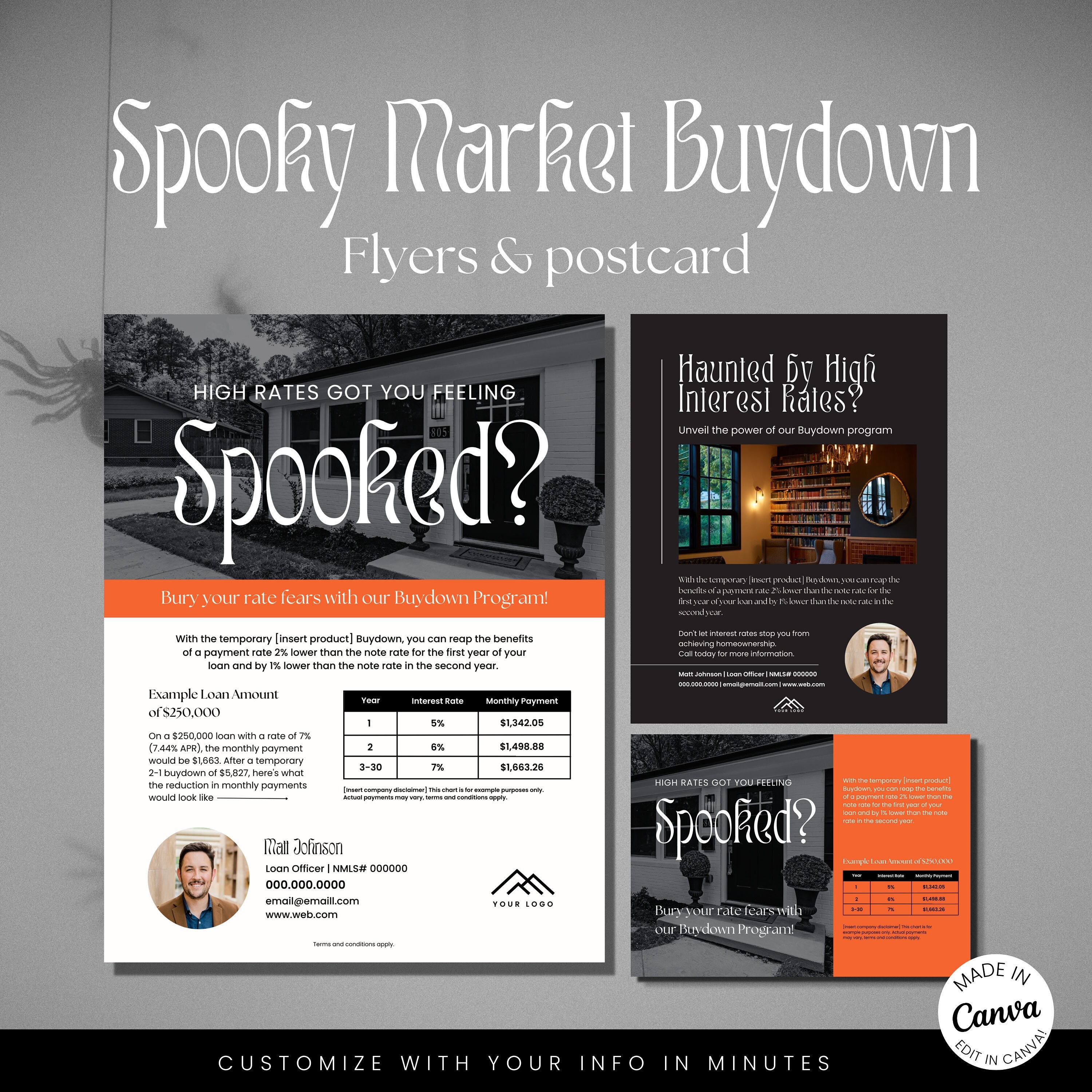
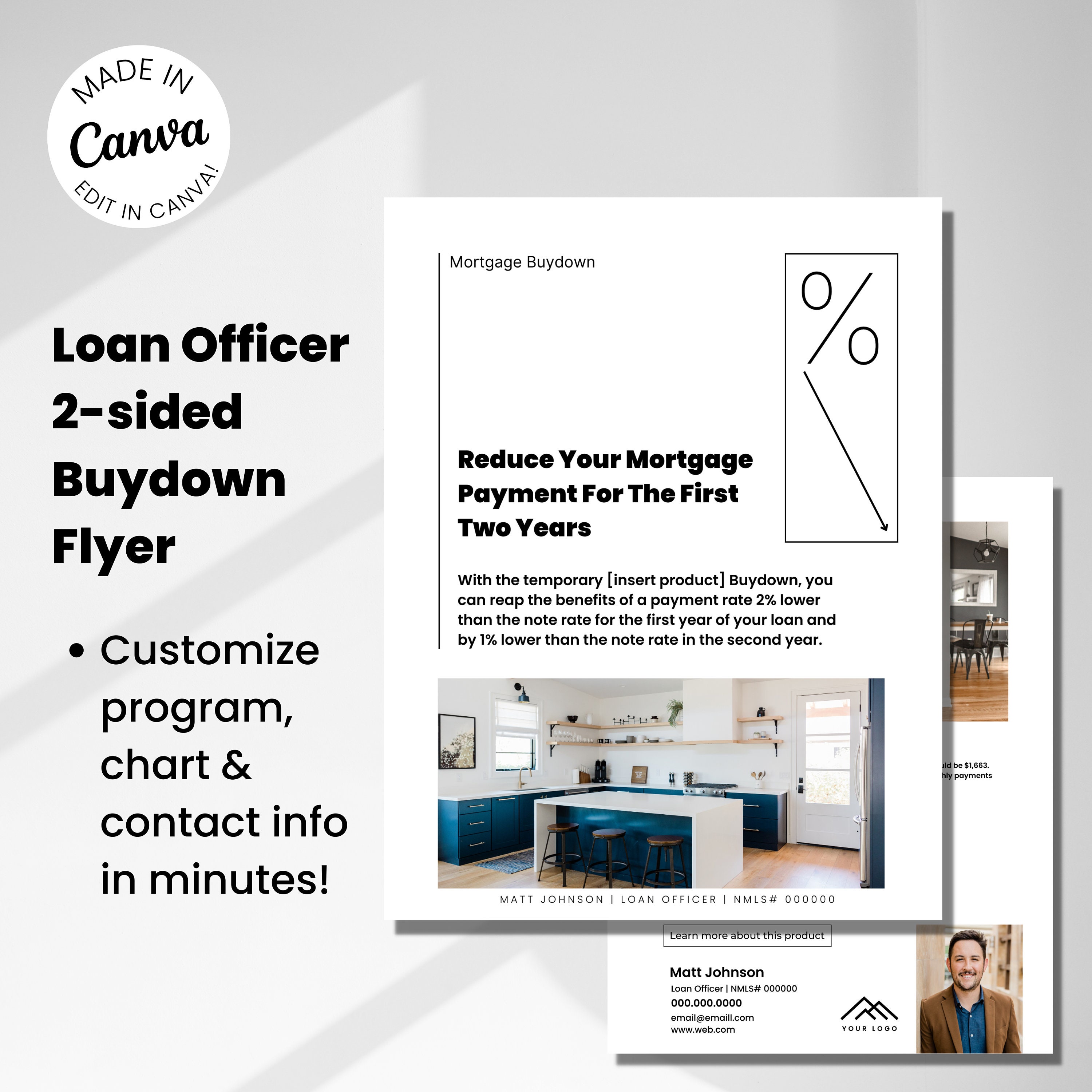
The human brain processes images 60,000 times faster than text. On a postcard, the primary image or headline must immediately anchor the reader's gaze. Professional design standards dictate that the front of the postcard should feature a clean, high-resolution visual—such as a modern suburban home, a localized neighborhood landmark, or a bold graphic representing current purchasing power—paired with a succinct, benefit-driven headline.
Clutter is the primary enemy of direct response marketing. Avoid overcrowding the layout with complex loan formulas, excessive disclaimers, or competing focal points. Instead, utilize generous white space to guide the reader's eye naturally from the headline to the supporting subhead, and finally to the contact information and QR code.
Copywriting for Homebuyers and Homeowners
The copy must speak directly to the specific financial pain point or aspiration of the recipient. Renters facing rising lease renewals respond to different triggers than existing homeowners equity-rich enough to fund a home renovation or consolidate debt.
- For Purchase Prospects: Focus on monthly payment parity, overcoming down payment myths, or breaking down local market inventory constraints. Use headlines like "Tired of Renting? Own Your Future in [City Name]."
- For Refinance Prospects: Focus on cash-out opportunities, debt consolidation math, or leveraging home equity for major life events. Use headlines like "Turn Your Home Equity Into Liquid Cash for Remodeling or Debt Payoff."
Defining Your Target Audience and Geographic Farming
Success in direct mail relies heavily on data hygiene and audience segmentation. Broad, untargeted mail drops yield low response rates and high acquisition costs. Precise geographic and demographic filtering maximizes return on investment (ROI).
Geographic Farming Strategies
Geographic farming involves dominating a specific neighborhood or zip code through consistent, multi-touch direct mail campaigns. To maximize efficiency, originators should analyze hyper-local market data provided by sources like the U.S. Census Bureau or local multiple listing services (MLS) to identify areas with high turnover rates, optimal equity positions, or stable home appreciation.
- High-Turnover Neighborhoods: Target areas where average home tenure ranges from 5 to 7 years, as these residents are statistically most likely to sell and upsize or downsize.
- Equity-Rich Subdivisions: Focus on established neighborhoods where homeowners have held properties long enough to accumulate substantial equity, making them prime candidates for home equity lines of credit (HELOCs) or cash-out refinances.
Demographic and Psychographic Segmentation
Beyond geography, list brokers allow you to filter mailing lists by specific criteria. Integrating first-time homebuyer indicators, estimated credit ranges, or length of residence ensures your messaging reaches individuals whose financial profiles align with the loan products you are promoting.
| Campaign Type | Primary Target Audience | Key Financial Trigger | Recommended Postcard Size |
|---|---|---|---|
| First-Time Homebuyer | Renters, multifamily residents | Rising rental costs, lease expiration dates | 6" x 9" |
| Cash-Out Refinance | Long-term homeowners | High home equity, low existing mortgage balance | 4" x 6" or 6" x 11" |
| PURCHASE / Upmover | Growing families in starter homes | Need for larger square footage, school district changes | 6" x 9" |
| HELOC Promotion | Homeowners with low fixed rates | Home improvement needs, high-interest debt consolidation | 6" x 11" |
Regulatory Compliance and Truth-in-Lending Disclosures
Mortgage advertising is heavily regulated at both the federal and state levels. Failing to include required disclosures can result in severe financial penalties, license suspension, or legal action from regulatory bodies such as the Consumer Financial Protection Bureau (CFPB) or the Federal Trade Commission (FTC).
Essential Compliance Elements
Every mortgage marketing postcard must clearly and conspicuously display specific licensing and legal identifiers to maintain transparency and adhere to federal standards:
- NMLS Identification: The unique Nationwide Multistate Licensing System (NMLS) consumer access number for both the individual loan officer and the corporate entity must be visibly printed on the mailer.
- Equal Housing Opportunity Logo: The standard Equal Housing Opportunity logotype or slogan must be included, signaling compliance with the Fair Housing Act.
- Company Legal Name and Address: The licensed corporate office address and legal entity name must be present to establish operational legitimacy.
- Interest Rate Disclosures: If specific interest rates, Annual Percentage Rates (APRs), or loan terms are advertised, they must be accompanied by clear qualifying disclosures (e.g., "Rates subject to change without notice. Subject to credit approval.").
Integrating Print with Digital Tracking
One historical drawback of direct mail was the difficulty in measuring exact attribution and ROI. Modern mortgage marketing bridges this gap by integrating offline print materials with online tracking mechanisms, turning a static postcard into an interactive digital entry point.
Leveraging QR Codes and Custom Landing Pages
Placing a prominent Quick Response (QR) code on your postcard allows prospective borrowers to scan the graphic with their smartphone camera and immediately access a dedicated, mobile-optimized landing page. This eliminates the friction of manually typing out a URL or searching for your contact information.
- Personalized Landing Pages (PURLs): For sophisticated campaigns, use variable data printing to assign unique URLs or QR codes to individual recipients. This tracks precisely who opened, scanned, and converted.
- Call Tracking Numbers: Assign a dedicated phone number specifically to your direct mail campaign to track incoming voice calls and text inquiries generated exclusively by the postcards.
Cost Considerations and Campaign Frequency
Budget allocation is a critical factor in direct mail success. Print and postage costs scale with volume, making it essential to calculate the cost per acquisition (CPA) and lifetime value (LTV) of a funded loan before committing capital.
Understanding Direct Mail Economics
Direct mail expenses consist of three primary components: design, print production, and postage. Standard first-class postage offers rapid delivery, but marketing campaigns typically utilize presorted standard mail (EDDM - Every Door Direct Mail or bulk rates) to lower per-piece costs, accepting slightly longer delivery windows.
- The Rule of Consistency: A single postcard drop rarely yields high conversion rates. Direct mail relies on the "Rule of Seven," suggesting that a prospect needs multiple touchpoints to recognize, trust, and act upon a brand. A successful mortgage campaign requires a sustained cadence—such as monthly drops over a 6-month period—within a defined farm area.
Common Pitfalls to Avoid in Direct Mail Marketing
Even experienced originators can waste marketing budgets by committing avoidable strategic errors. Recognizing these pitfalls helps protect your return on investment.
- Ignoring Data Hygiene: Mailing to outdated addresses results in returned mail and wasted postage. Always utilize National Change of Address (NCOA) databases and cross-reference lists regularly.
- Weak Call to Action: Vague statements like "Call me for your mortgage needs" fail to motivate action. Use urgent, value-driven CTAs like "Scan the QR code to calculate your home equity in 60 seconds."
- Neglecting Mobile Experience: If your QR code leads to a slow, non-responsive website that is difficult to navigate on a smartphone, prospective clients will abandon the page instantly.
Frequently Asked Questions
What size mortgage marketing postcard works best?
While standard 4" x 6" postcards are the most cost-effective to print and mail, larger formats such as 6" x 9" or 6" x 11" offer significantly more visual real estate. Larger sizes stand out inside a mailbox and provide adequate space for compelling copy, graphics, and required legal compliance disclosures without feeling cluttered.
How often should I mail my geographic farm area?
Consistency is vital for direct mail success. A cadence of once per month over a sustained period of 6 to 12 months is generally recommended. This repetition builds brand recognition, ensuring your name is top-of-mind when a homeowner finally decides to buy, sell, or refinance.
Are there legal requirements for advertising mortgage rates on postcards?
Yes. If you advertise specific interest rates, monthly payments, or loan terms, you must comply with the Truth in Lending Act (TILA) and Regulation Z. This typically requires including clear qualifying terms, APR disclosures, and appropriate NMLS licensing information to avoid deceptive advertising violations.
How can I track the ROI of my direct mail campaign?
You can accurately measure direct mail performance by utilizing campaign-specific assets. Implement dedicated tracking phone numbers, unique QR codes linked to distinct landing pages, and promotional offer codes that clients must reference when they apply for a loan or request a consultation.
What is Every Door Direct Mail (EDDM) and should I use it?
EDDM is a service provided by the United States Postal Service that allows you to mail postcards to every household along a specific carrier route without needing individual names and addresses. It is highly cost-effective for broad geographic farming, though traditional targeted lists offer better demographic and financial filtering.
Next Actions for Originators
To launch an effective direct mail initiative, begin by defining your specific business objective—whether generating purchase leads or capturing cash-out refinances. Next, partner with a reputable print and mailing vendor that specializes in financial services compliance, pull a targeted mailing list for your chosen geographic farm, and design a clean, compliant postcard featuring a prominent QR code and a compelling call to action. Commit to a multi-month campaign cadence to establish local market authority and drive consistent pipeline growth.
Image Gallery