The Beatles and George Harrison: Music Videos and Visual Legacy Explained
George Harrison’s music videos, spanning his tenure with The Beatles and his prolific solo career, represent a visual journey from pop-culture phenomenon to spiritual philosopher. These films are more than promotional tools; they are h...
George Harrison’s music videos, spanning his tenure with The Beatles and his prolific solo career, represent a visual journey from pop-culture phenomenon to spiritual philosopher. These films are more than promotional tools; they are historical documents that capture the evolution of a musician who balanced global superstardom with a deeply private quest for enlightenment. As of 2026, these videos have been meticulously restored using modern digital techniques, offering a definitive look at Harrison’s artistic intent and his enduring impact on the visual language of music.
Contents
The Evolution of the "Quiet Beatle" on Screen
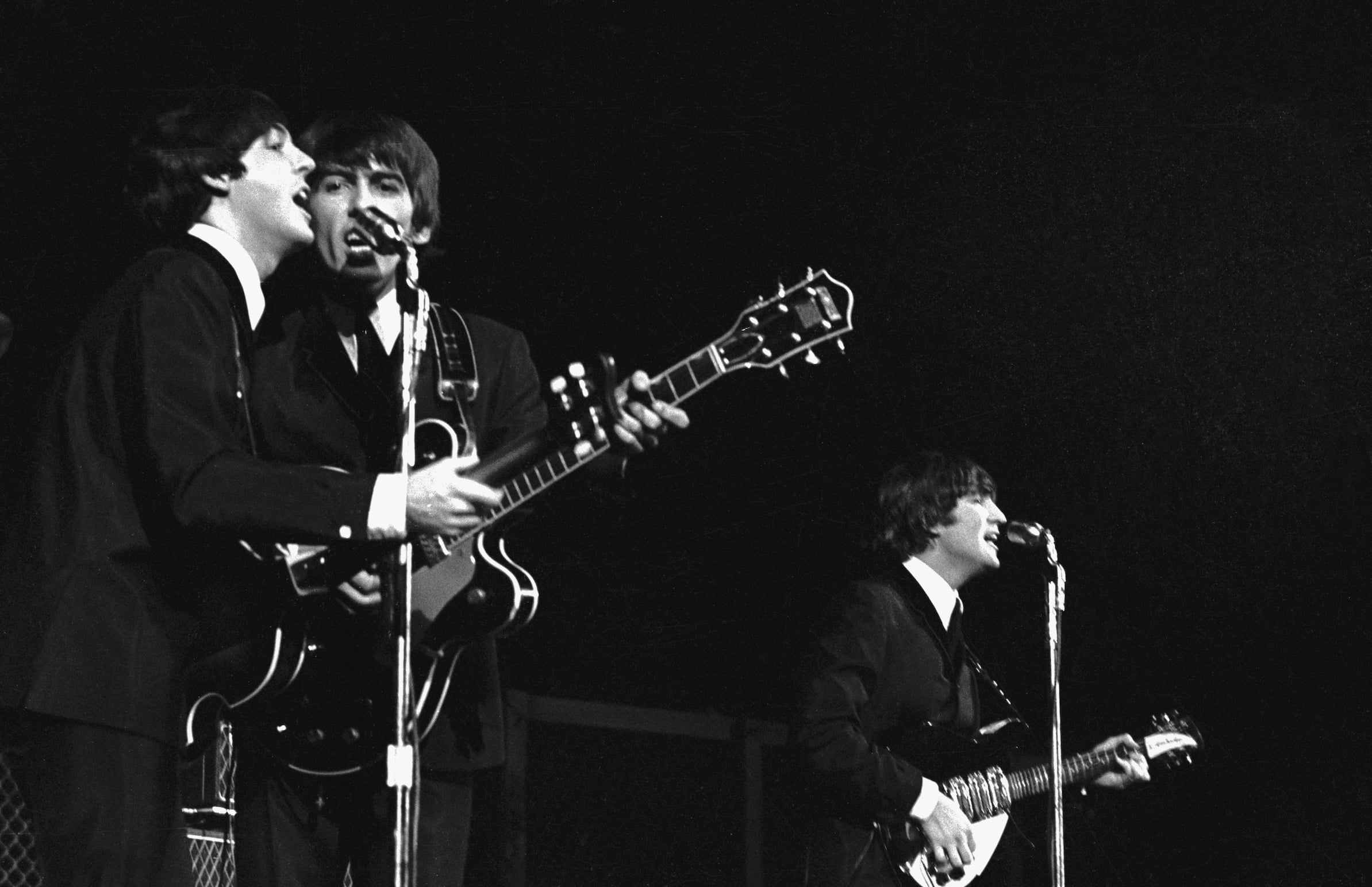
To explain George Harrison’s music videos, one must first understand the transition of The Beatles from a touring band to a studio-based entity. In the mid-1960s, The Beatles grew tired of the rigors of international touring. To satisfy the demand for television appearances without physically being present, they began filming "promotional clips." These were the direct ancestors of the modern music video.
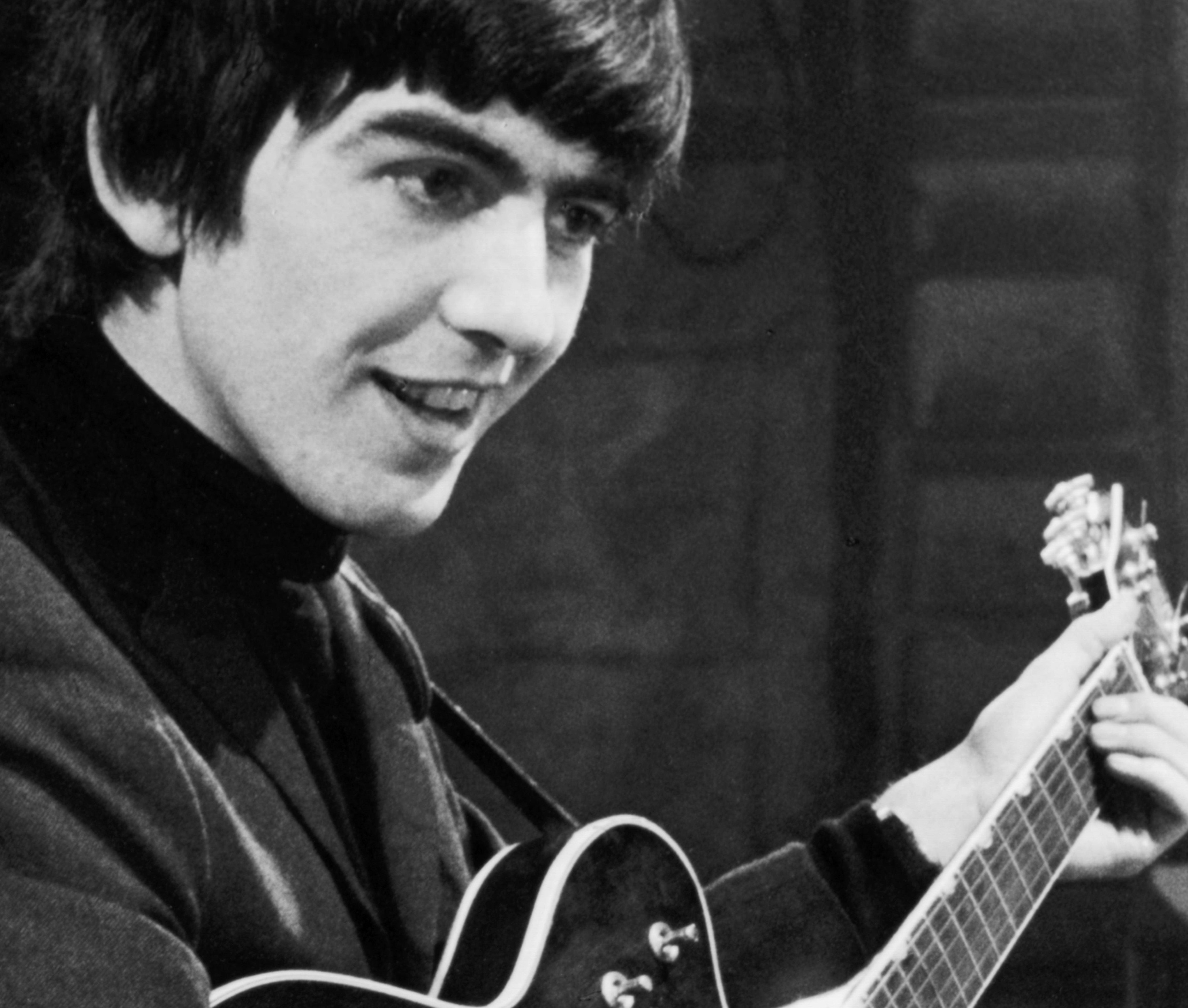
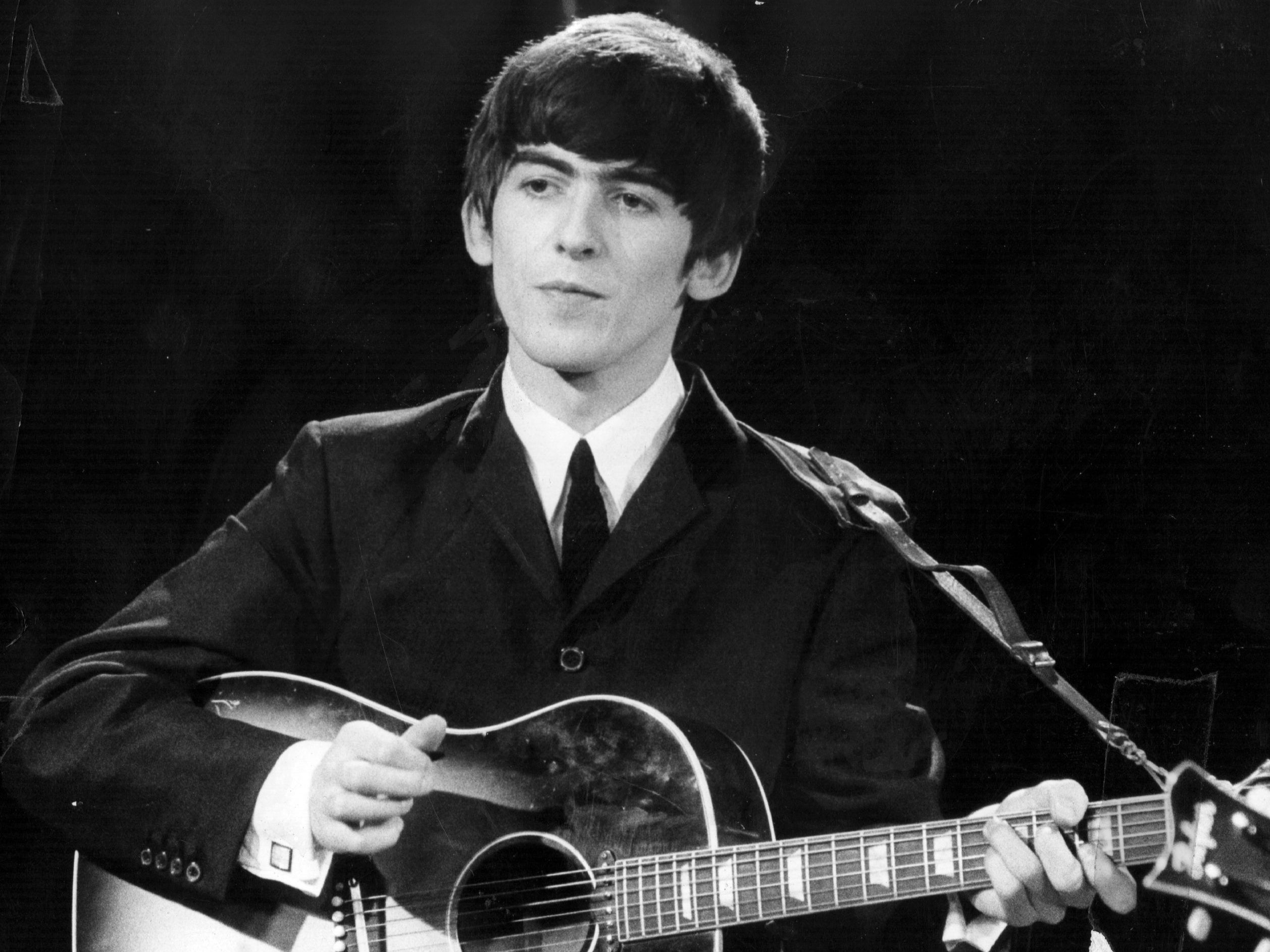
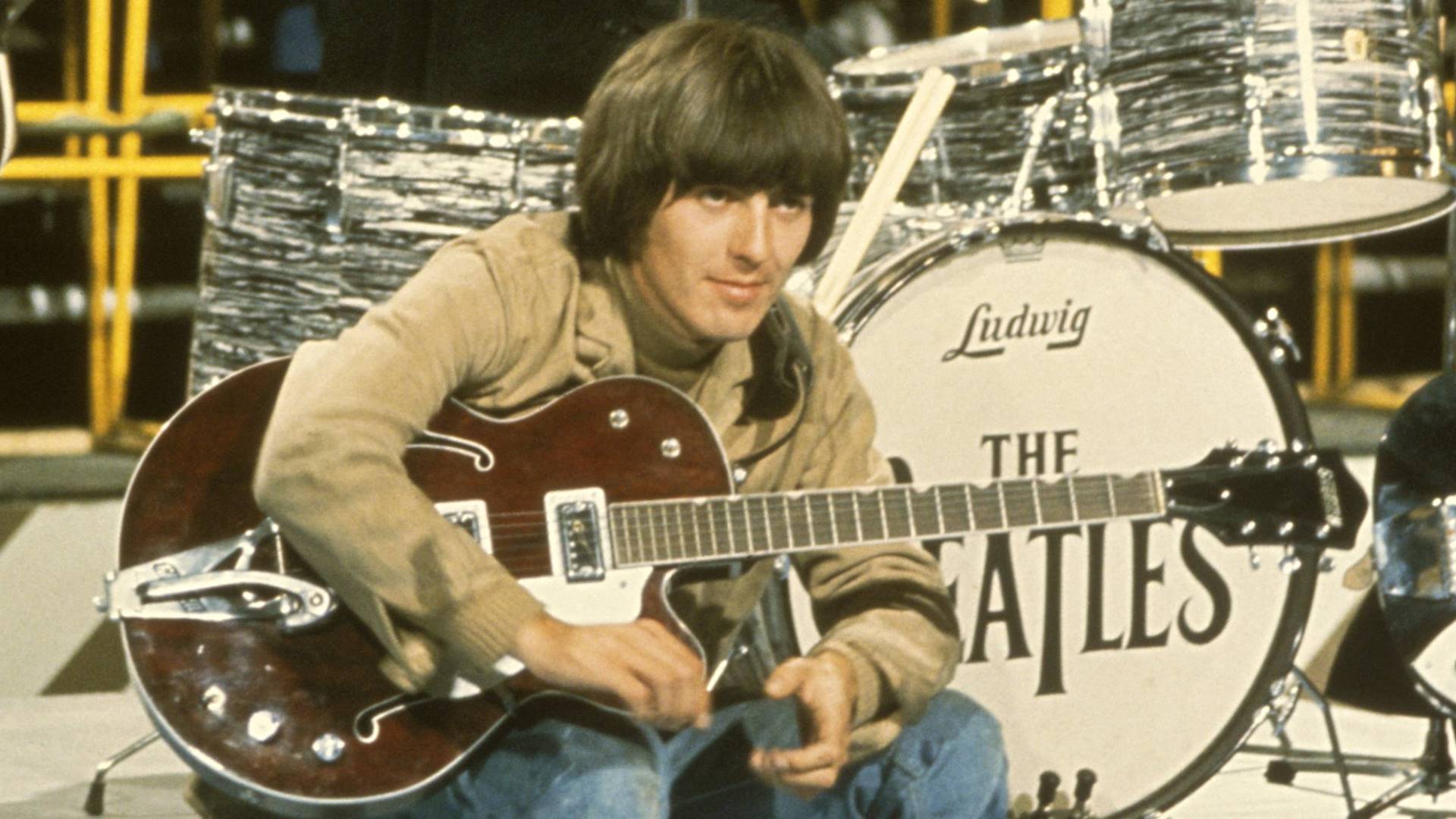
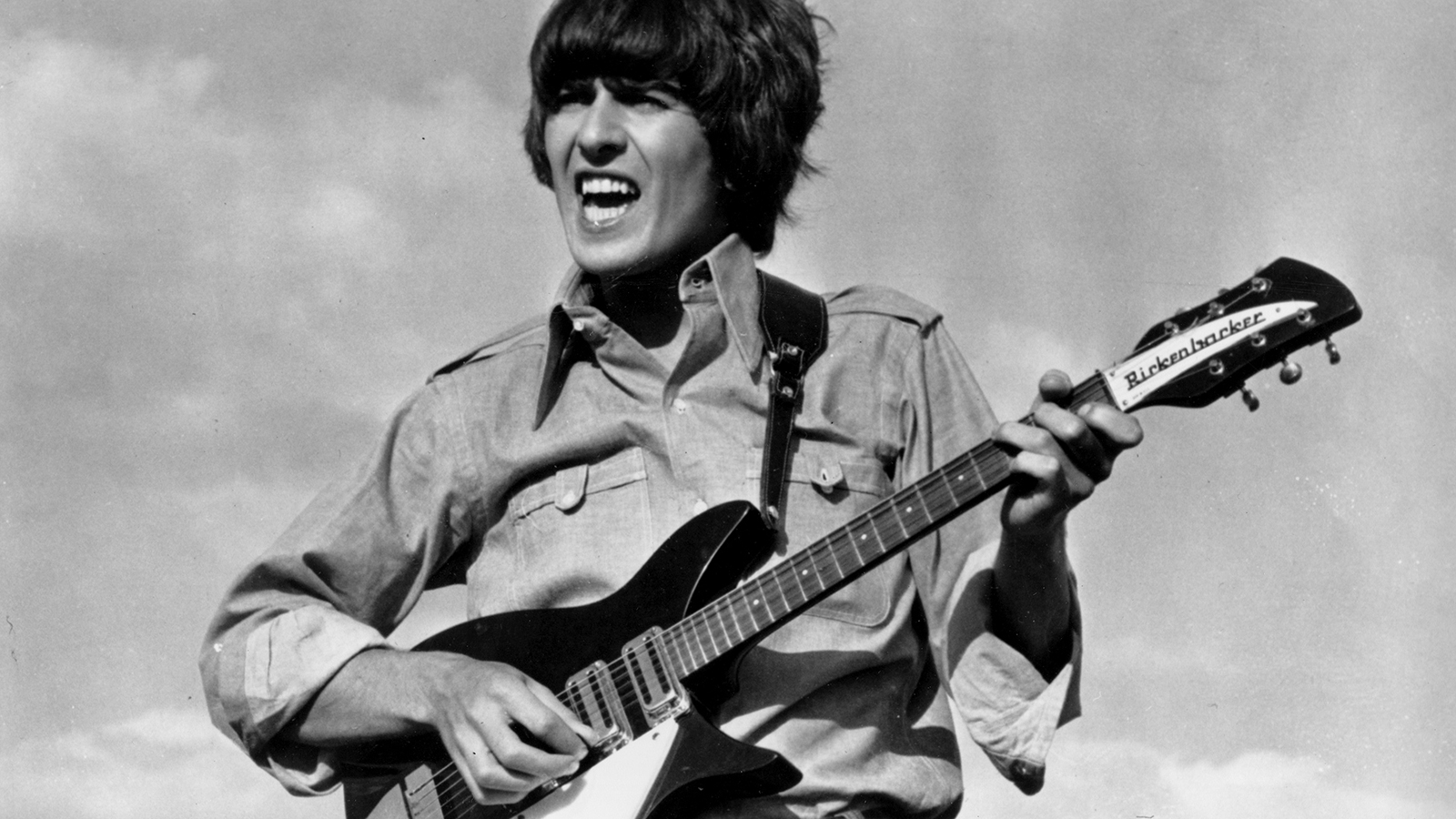
In early clips like "Paperback Writer" and "Rain" (1966), Harrison is seen embracing the psychedelic aesthetic of the era. These videos, directed by Michael Lindsay-Hogg, moved away from the choreographed "moptop" performances of A Hard Day's Night and toward a more experimental, detached style. Harrison, often appearing with his iconic sunglasses and Epiphone Casino guitar, began to project a more stoic, individualistic persona that would define his later career.
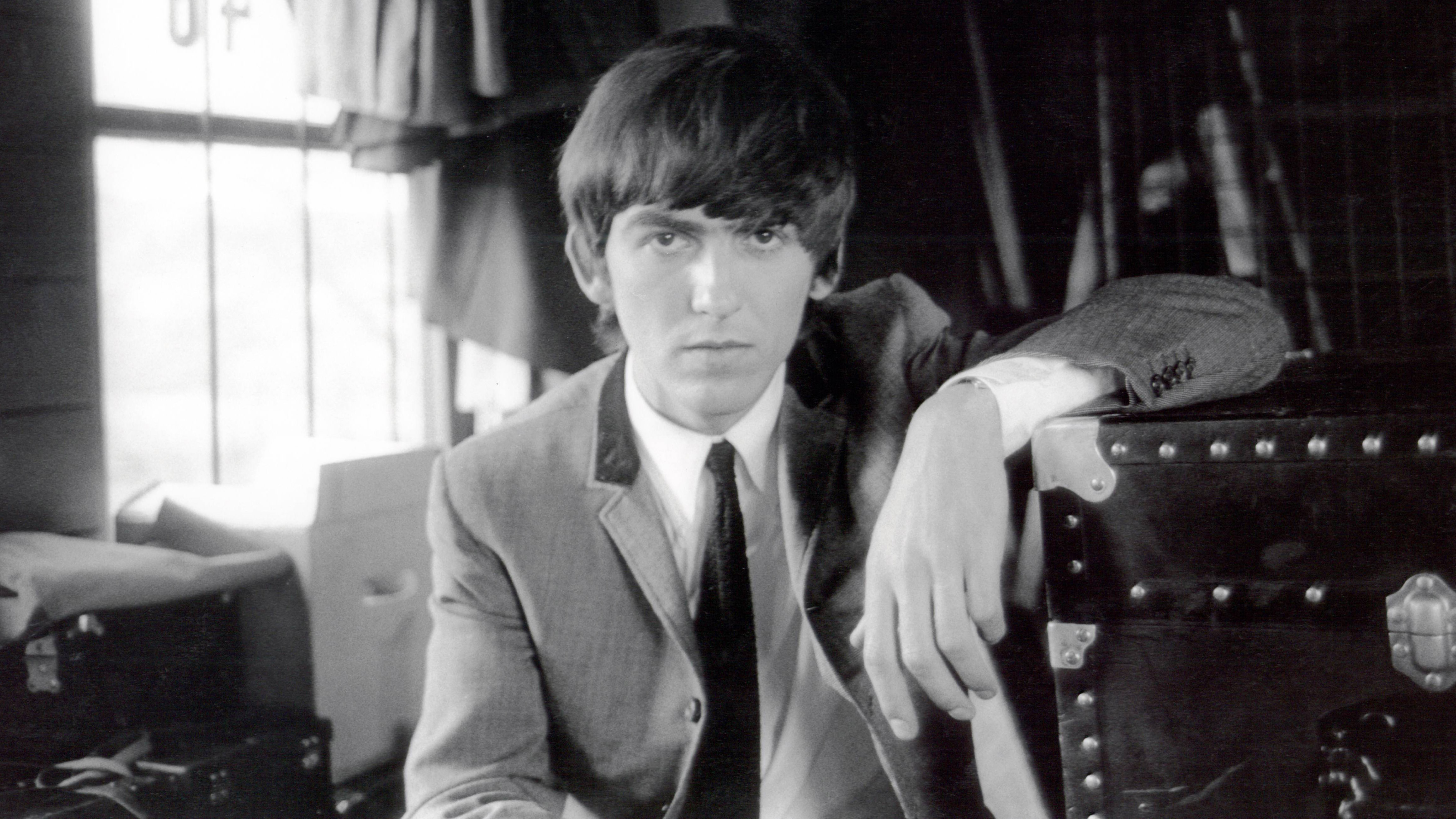
By the time the band reached the Abbey Road era, the visual representation of Harrison had shifted entirely. No longer just a supporting guitarist, his compositions like "Something" and "Here Comes the Sun" demanded their own visual narratives. The "Something" music video is particularly significant as it remains the only Beatles promotional film to feature the four members with their respective wives (Pattie Boyd, Linda McCartney, Yoko Ono, and Maureen Starkey). This video, filmed individually at each member's home, inadvertently documented the growing separation within the group, yet it remains one of the most tender portrayals of Harrison on film.
Explaining "Now and Then": George Harrison’s Final Performance
In 2023, the world witnessed the release of "Now and Then," billed as the final Beatles song. As we look back from 2026, the music video directed by Peter Jackson remains a technical and emotional milestone. For fans asking how George Harrison is featured in a song released decades after his passing, the explanation lies in the 1995 "Threetles" sessions.
The Source Material
During the Anthology project in the mid-90s, Paul McCartney, George Harrison, and Ringo Starr attempted to finish a John Lennon demo titled "Now and Then." While they ultimately abandoned the track at the time—largely due to technical issues with the audio quality of Lennon's tape—Harrison recorded several layers of acoustic and electric guitar. These recordings were preserved and eventually integrated into the final 2023 release.
The Visual Reconstruction
The music video for "Now and Then" utilizes cutting-edge restoration and "MAL" (Machine Assisted Learning) technology to place Harrison back into the frame with his bandmates. Peter Jackson used previously unseen footage from the 1967 "Hello, Goodbye" sessions and the 1995 Anthology sessions to create a "time-traveling" effect.
The video is explained as a tribute to the band's brotherhood. We see a young, mischievous George Harrison from the mid-60s appearing to interact with an older, modern-day Paul McCartney and Ringo Starr. This wasn't merely a CGI trick; it was a curated selection of archival clips designed to honor Harrison's specific sense of humor and his place within the band’s internal chemistry.
Key Solo Music Videos and Their Meaning
After The Beatles disbanded in 1970, George Harrison utilized the music video medium to explore themes of spirituality, nostalgia, and satire. His solo videos are often characterized by a "HandMade" aesthetic—a nod to his film production company, HandMade Films, which produced classics like Monty Python's Life of Brian.
"My Sweet Lord" (2021 Anniversary Edition)
While the original song dates to 1970, the 2021 music video directed by Lance Bangs provides the most comprehensive "explanation" of Harrison’s spiritual search. The video stars Fred Armisen and Vanessa Bayer as metaphysical investigators searching for something "unseen."
The video is loaded with cameos from Harrison’s friends and family, including Ringo Starr, Jeff Lynne, and Dhani Harrison. The "explanation" of this video is rooted in the concept of the "search for God" that defined Harrison's life. The investigators look through libraries and theaters, missing the point that the light they are searching for is omnipresent. It serves as a posthumous celebration of George's philosophy: that the material world is a distraction from the spiritual reality.
"When We Was Fab" (1988)
Directed by Godley & Creme, this video is a masterclass in Beatles nostalgia. It features Harrison reflecting on his time in the band with a mixture of affection and irony. The video uses clever camera tricks to show Harrison with multiple arms (mimicking a Hindu deity) playing various instruments. It is a visual acknowledgment of his "Fab Four" past while asserting his identity as an independent artist and a devotee of Indian culture.
"Got My Mind Set on You" (1987)
There are two versions of this video. The more famous version features Harrison in a study where furniture and taxidermy animals begin to dance. This video explained Harrison’s desire to move away from the "Serious George" persona of the late 70s and embrace a more lighthearted, commercial appeal. It remains one of his most recognizable visual works due to its heavy rotation on MTV.
Technical Specifications of Harrison's Visual Catalog
The preservation of George Harrison's music videos has undergone significant technical upgrades. By 2026, almost the entirety of his promotional catalog has been scanned from original 16mm and 35mm film negatives to 4K resolution.
| Video Title | Original Year | Director | Key Visual Theme |
|---|---|---|---|
| Rain | 1966 | Michael Lindsay-Hogg | Psychedelia & Social Detachment |
| Something | 1969 | Neil Aspinall | Domesticity & Individualism |
| Crackerbox Palace | 1976 | Eric Idle | Surrealism & Monty Python Humor |
| When We Was Fab | 1988 | Godley & Creme | Beatles Nostalgia & Satire |
| My Sweet Lord | 2021 | Lance Bangs | Spiritual Quest & Community |
| Now and Then | 2023 | Peter Jackson | Legacy & Reconciliation |
The Influence of HandMade Films on His Videos
One cannot explain George Harrison’s music videos without mentioning his foray into cinema. In 1978, he formed HandMade Films to fund Monty Python's Life of Brian. This connection deeply influenced the tone of his music videos in the late 70s and 80s.
Videos like "Crackerbox Palace" and "This Is Love" feature a whimsical, British eccentricity that was rare in the often self-serious world of rock music. Harrison frequently collaborated with Eric Idle and other members of the Python troupe, leading to videos that were essentially short comedy films. This explains the "absurdist" streak in his work; Harrison used humor as a tool to dismantle the ego, a central tenet of his spiritual beliefs.
Restoring the Past for the Future
In the 2020s, particularly with the 2026 focus on archival excellence, the estate of George Harrison has prioritized the "de-noising" and color correction of his video library. Many of the 1970s clips were originally shot on videotape or lower-quality film stock, leading to a "muddy" look.
The current versions of these videos use AI-driven sharpening to reveal textures that were previously invisible—such as the intricate patterns on his sitars or the specific lighting of his Friar Park estate. This technical explanation is important for modern viewers who may be used to the crispness of digital native content; these restorations ensure that Harrison's visual message isn't lost to the limitations of mid-century technology.
Frequently Asked Questions
Why did George Harrison film the "Something" video separately from the other Beatles?
By late 1969, the internal tensions within The Beatles were at their peak. Filming the "Something" video separately allowed the members to showcase their private lives with their wives without the friction of being in a studio together. This resulted in a more intimate, albeit fragmented, portrayal of the band.
Who is the man in the "My Sweet Lord" (2021) video?
The "lead" investigator is comedian Fred Armisen. He represents the "seeker" who is looking for spiritual answers in all the wrong places. His journey through the video is a metaphor for the human condition as Harrison described it: looking for the divine in the external world instead of within.
Does George Harrison actually play the guitar in the "Now and Then" video?
Yes, the video features footage of George Harrison recording during the 1995 Anthology sessions. While some of the visual elements are edited for a "dream-like" effect, the guitar parts you hear—both the acoustic rhythm and the slide guitar solo (played by Paul McCartney in George's style as a tribute)—are rooted in Harrison's musical DNA.
What is "Friar Park," and why does it appear in so many videos?
Friar Park is George Harrison’s Victorian neo-Gothic mansion in Henley-on-Thames. Its elaborate gardens, grottos, and architecture serve as the backdrop for videos like "Crackerbox Palace," "Ding Dong, Ding Dong," and portions of "Now and Then." The house itself was a major part of his visual identity.
Why are there cameos in George Harrison's music videos?
Harrison was known for his "Dark Horse" inner circle, which included musical legends and comedians. Cameos from Ringo Starr, Eric Clapton, and Jeff Lynne were common because Harrison viewed music as a collaborative, communal effort rather than a solo ego trip.
Summary of Next Actions for Fans
To fully appreciate the "explained" nuances of George Harrison’s music videos, viewers should seek out the official George Harrison YouTube channel and the The Beatles' "1" Video Collection. These platforms host the highest-quality restorations available as of 2026. For those interested in the technical "how-to" of the recent Beatles videos, the documentary The Last Beatles Song (2023) provides a deep dive into the archival processes used to bring Harrison’s image back to the screen for "Now and Then."
Image Gallery