How to Choose a Wood Window: A Comprehensive Guide for 2026
Choosing a wood window involves balancing architectural aesthetics, climate-specific durability requirements, and long-term maintenance commitments. To make the right selection, you must evaluate the wood species, decide between all-wo...
Choosing a wood window involves balancing architectural aesthetics, climate-specific durability requirements, and long-term maintenance commitments. To make the right selection, you must evaluate the wood species, decide between all-wood or metal-clad exteriors, and ensure the glazing meets current 2026 energy efficiency standards for your specific geographic region.
Contents
For centuries, wood has been the premier material for window construction due to its natural beauty and superior insulating properties. However, as of 2026, the market has diversified significantly. Today’s homeowners are no longer just choosing a "window"; they are selecting a high-performance building component that must integrate with smart home systems, withstand increasingly volatile weather patterns, and adhere to strict environmental sustainability certifications.
Why Wood Remains a Top Choice in 2026
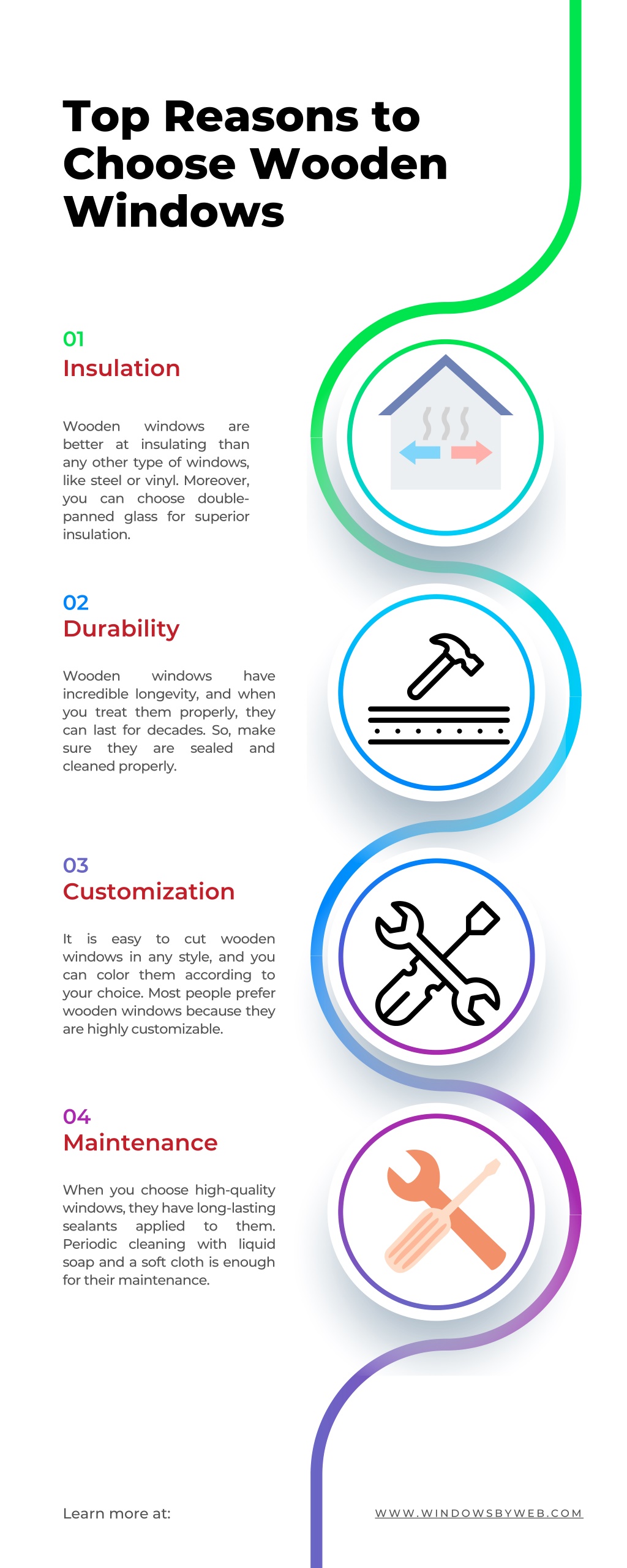
While vinyl and composite materials have gained market share due to lower price points, wood remains the gold standard for high-end residential and historical restoration projects. The primary reason is the material's thermal performance. Wood is a natural insulator; its cellular structure contains air pockets that limit the transfer of heat and cold. This provides a natural R-value (resistance to heat flow) that exceeds that of uninsulated vinyl or standard aluminum frames.
Beyond thermal performance, wood offers unmatched structural integrity and aesthetic flexibility. It can be stained to reveal intricate grain patterns or painted any color to match a changing interior design. In 2026, the push for "biophilic design"—the practice of connecting occupants more closely to nature—has further cemented wood's status as a preferred material for interior health and wellness.
Step 1: Selecting the Right Wood Species
The foundation of a quality wood window is the species of wood used in its construction. Not all wood is created equal; some species are naturally resistant to decay, while others are chosen for their density or price point.
Softwoods (Pine, Spruce, Fir)
Softwoods are the most common choice for standard wood windows. Ponderosa Pine is the industry workhorse because it is abundant, easy to mill, and takes paint and stain exceptionally well. However, pine is susceptible to rot if moisture penetrates the finish. In modern manufacturing, pine components are usually treated with water-repellent preservatives (WRPs) to enhance longevity.
Hardwoods (Oak, Mahogany, Cherry)
Hardwoods are typically reserved for premium or custom windows. White Oak is highly prized for its strength and rot resistance, making it an excellent choice for coastal environments. Mahogany is often considered the ultimate window wood due to its extreme stability—it resists warping and shrinking better than almost any other species—and its natural oils that repel insects and decay.
Engineered and Acetylated Wood
As of 2026, Accoya (acetylated wood) has become a mainstream premium option. This is wood that has undergone a chemical process to alter its cell structure, making it virtually rot-proof and dimensionally stable. It does not swell or shrink regardless of humidity levels, which prevents the paint from cracking and extends the maintenance cycle significantly.
Step 2: Choosing the Exterior Protection (Cladding)
One of the most critical decisions in choosing a wood window is determining how the exterior will be protected from the elements.
All-Wood Windows
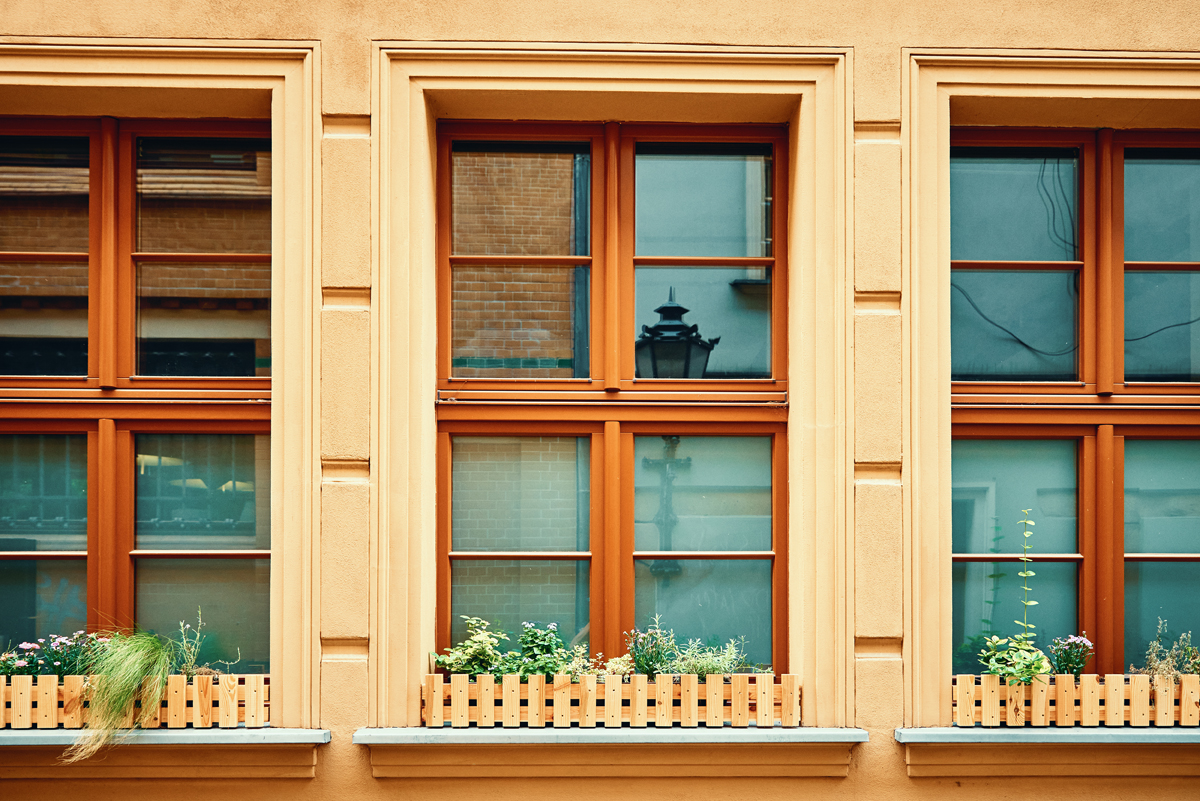
An all-wood window features wood on both the interior and exterior. This is often a requirement for historical landmark districts where original materials must be matched. While beautiful, all-wood windows require a rigorous maintenance schedule. The exterior must be inspected annually and repainted or re-stained every 3 to 5 years to prevent moisture infiltration.
Aluminum-Clad Wood Windows
This is the most popular configuration for modern luxury homes. The window has a warm wood interior but features a protective "skin" of heavy-duty aluminum on the exterior.
- Extruded Aluminum: This is the superior choice. It is thick, rigid, and provides structural strength.
- Roll-form Aluminum: Thinner and more like a soda can, this is found on lower-end products and is more prone to denting and corrosion.
- Finishes: Look for Kynar 500 or high-performance powder coatings. These finishes are designed to resist fading and chalking for 20 years or more, even in high-UV environments.
Vinyl or Fiberglass Cladding
Some manufacturers offer wood windows clad in vinyl or fiberglass. Fiberglass cladding is particularly stable because it expands and contracts at a similar rate to the glass itself, reducing the strain on the window seals.
Step 3: Assessing Energy Efficiency and Glazing
In 2026, energy codes have become increasingly stringent. A wood frame is naturally efficient, but the glass (the "lite") accounts for 80% of the window's surface area.
- U-Factor: This measures the rate of heat loss. The lower the U-factor, the better the window insulates. In cold climates, aim for a U-factor of 0.25 or lower.
- Solar Heat Gain Coefficient (SHGC): This measures how much heat from the sun enters the home. In southern climates, a low SHGC is vital to reduce cooling costs.
- Low-E Coatings: These microscopic metallic layers reflect infrared and ultraviolet light. In 2026, "fourth-generation" Low-E coatings are common, offering high clarity while blocking nearly 95% of harmful UV rays.
- Gas Fills: The space between glass panes is usually filled with Argon or Krypton gas. These gases are denser than air and significantly slow down thermal transfer.
Comparison of Wood Window Exterior Types
| Feature | All-Wood | Aluminum-Clad (Extruded) | Fiberglass-Clad |
|---|---|---|---|
| Durability | High (if maintained) | Excellent | High |
| Maintenance | High (Paint/Stain) | Very Low | Low |
| Color Options | Unlimited (Paintable) | Many (Factory Finishes) | Moderate |
| Price Point | Premium | High | Moderate-High |
| Historical Accuracy | Highest | Moderate | Low |
| Best For | Historic Restorations | Luxury Modern Homes | High-Moisture Climates |
Step 4: Evaluating Construction and Joinery
The longevity of a wood window depends on how it is put together. High-quality manufacturers use mortise and tenon joinery, which provides a mechanical bond that is much stronger than simple mitered corners held together by staples or glue.
Furthermore, pay attention to the weatherstripping. In 2026, the best windows utilize multi-point compression seals. Unlike "brush" seals that can wear down, compression seals create an airtight vacuum when the window is closed, preventing "air leakage"—a major contributor to high energy bills and interior drafts.
Step 5: Understanding Costs and ROI
Wood windows are a significant investment. On average, a high-quality wood window can cost 30% to 60% more than a high-end vinyl alternative. However, the return on investment (ROI) is realized in two ways:
- Property Value: Wood windows are a "prestige" feature that increases the resale value of a home, especially in upscale neighborhoods.
- Longevity: A well-maintained wood window can last 50 years or more, whereas cheaper vinyl windows may need replacement in 15 to 20 years due to frame warping or seal failure.
Expect to pay anywhere from $900 to $2,500 per window (including installation) for premium wood options in 2026, depending on size, species, and glazing options.
Common Mistakes to Avoid
- Ignoring the Warranty: Read the fine print. Many warranties for wood windows are void if the exterior isn't painted within a certain timeframe or if the installer doesn't follow specific flashing instructions.
- Choosing the Wrong Species for Your Climate: Using untreated pine in a humid, coastal environment is a recipe for rot within a decade. Opt for Mahogany or Accoya in these areas.
- Overlooking Hardware: The crank handles and locks should be made of solid brass, stainless steel, or high-grade zinc. Cheap hardware is often the first thing to fail on a wood window, making it difficult to operate.
Frequently Asked Questions
How long do wood windows actually last?
With proper maintenance, wood windows can last 30 to 50 years. All-wood windows require more frequent care to reach this age, while aluminum-clad wood windows often reach the 40-year mark with minimal effort, provided the internal wood remains dry.
Do wood windows require more maintenance than vinyl?
Yes. Even aluminum-clad windows require occasional inspection of the exterior caulking and cleaning of the tracks. All-wood windows require painting or staining every few years. If you are looking for a "set it and forget it" option, wood may not be the best choice unless you opt for a high-quality clad product.
Are wood windows better for soundproofing?
Generally, yes. The density of wood makes it an excellent sound dampener compared to hollow-frame vinyl or lightweight aluminum. When combined with laminated or triple-pane glass, wood windows provide some of the best acoustic performance available on the market.
Can I install wood windows myself?
It is not recommended. Wood windows are heavy and require precise leveling and flashing to ensure they operate correctly and remain watertight. Most premium manufacturers require installation by a certified professional to validate the warranty.
Why are wood windows required in historic districts?
Historic districts aim to preserve the architectural integrity of a neighborhood. Since vinyl and fiberglass did not exist during the construction of these homes, wood is the only material that provides the correct profile, shadow lines, and authentic "feel" required by preservation boards.
Next Actions for Selection
To begin your selection process, first identify if your home is in a historical zone, as this will dictate whether you can use cladding. Next, visit a local showroom to feel the weight and operation of different brands; pay close attention to the smoothness of the glides and the sturdiness of the locks. Finally, request a "cross-section" sample from the manufacturer to verify the thickness of the wood and the type of cladding used before committing to a full-house order.
Image Gallery