The Cast of Wuthering Heights 2026: Understanding the Role of Lockwood
The 2026 production of Wuthering Heights features a distinguished ensemble cast designed to ground Emily Brontë’s gothic masterpiece in a contemporary cinematic aesthetic. Central to this adaptation is the role of Mr. Lockwood, the sto...
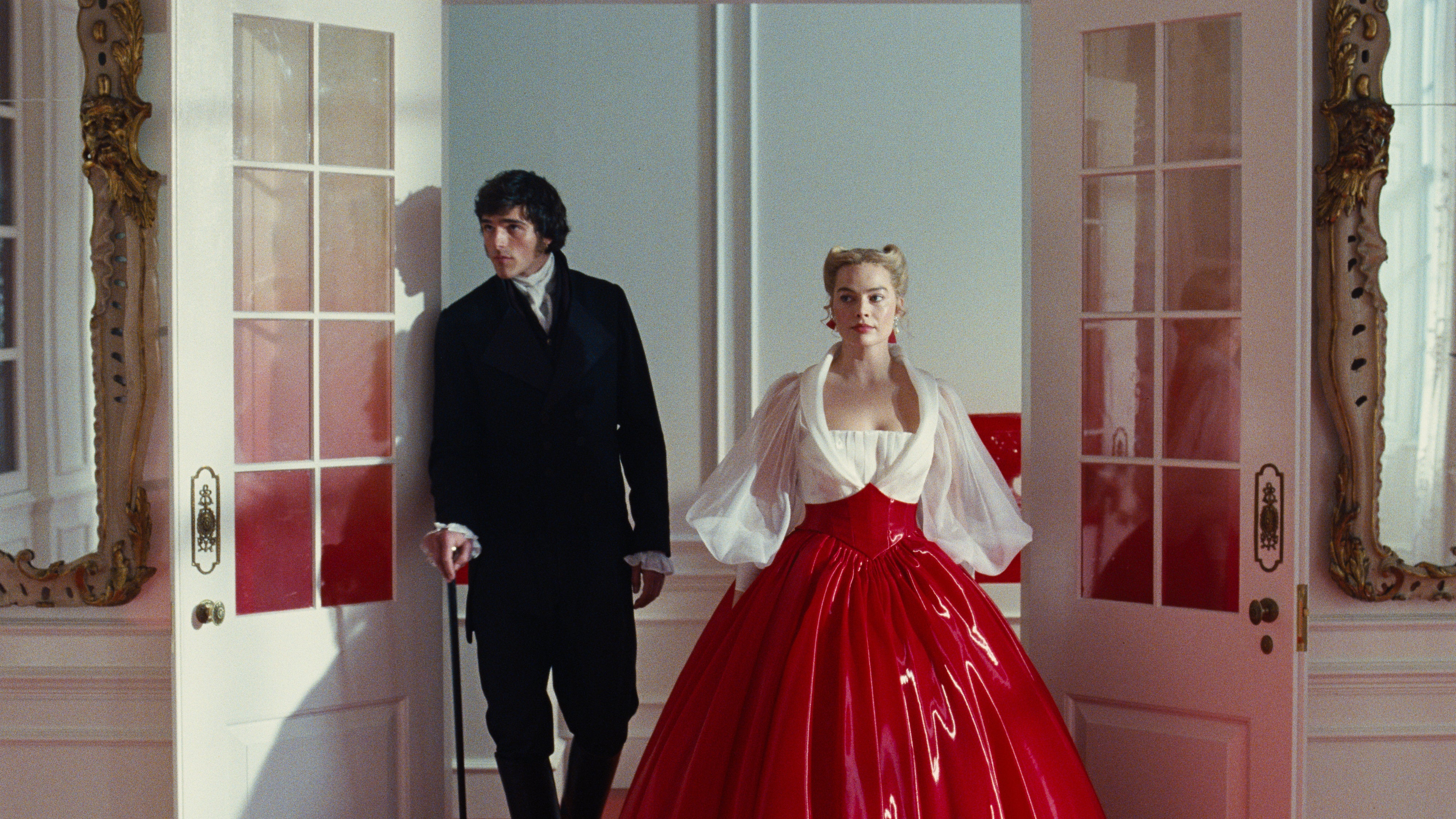
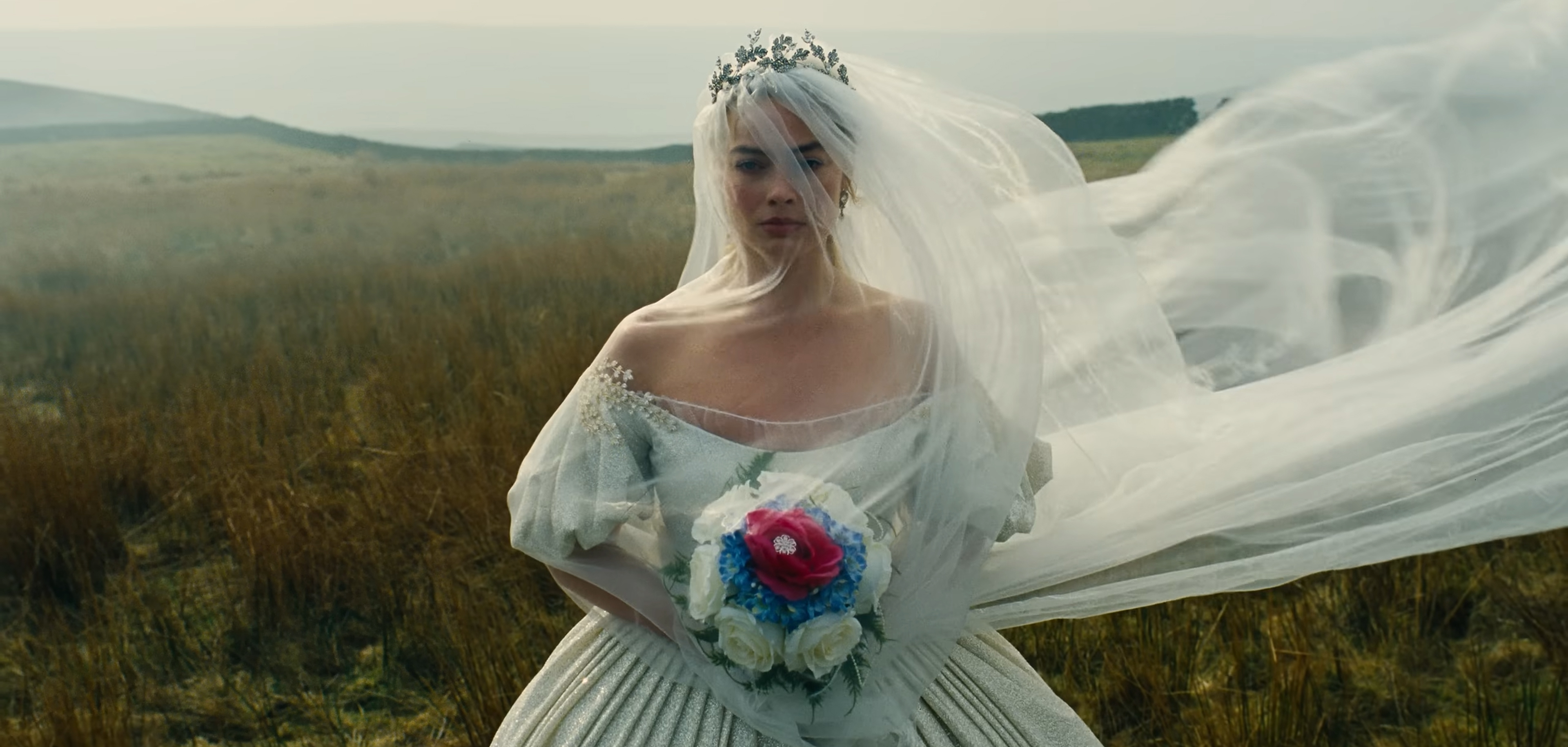
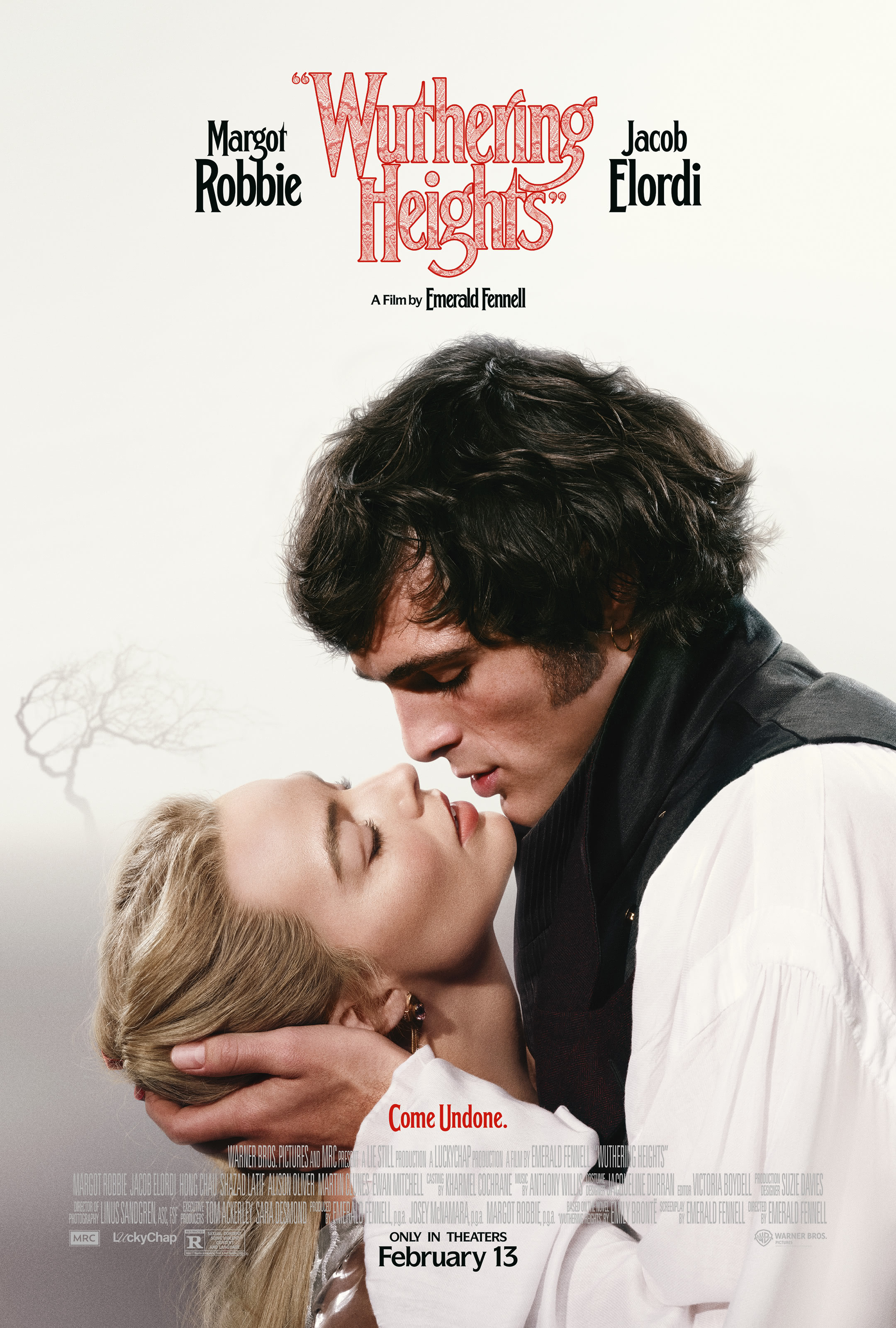
The 2026 production of Wuthering Heights features a distinguished ensemble cast designed to ground Emily Brontë’s gothic masterpiece in a contemporary cinematic aesthetic. Central to this adaptation is the role of Mr. Lockwood, the story’s narrator and entry point into the turbulent lives of the Earnshaw and Linton families, portrayed as a pivotal bridge between the reader and the narrative’s intense emotional landscape.
Contents
The Significance of the Lockwood Character
In any adaptation of Wuthering Heights, the character of Mr. Lockwood serves as an essential framing device. He is the audience surrogate—an outsider from the more civilized, if sterile, south of England who encounters the visceral, often violent, passions of the Yorkshire moors. His perspective is characterized by a mix of curiosity, incomprehension, and eventual existential dread.
For the 2026 production, the creative team has emphasized Lockwood’s role not merely as a passive observer, but as an active catalyst for the discovery of the house's history. By focusing on his interactions with the surly Heathcliff and the guarded staff, the production highlights the psychological impact that the environment of Wuthering Heights has on a visitor. This choice ensures that the viewer experiences the same disorientation that Lockwood feels upon his arrival at the manor.
The 2026 Ensemble: A Study in Character Dynamics
The 2026 cast has been curated to balance the explosive, generational trauma of the Earnshaw and Linton lineages with the observational detachment required for Lockwood. The casting process sought actors who could convey internal conflict, as the film places a heavy emphasis on the unreliable nature of memory and historical record.
The following table summarizes the primary cast roles and their narrative alignment within the 2026 adaptation:
| Role | Character Archetype | Narrative Function |
|---|---|---|
| Mr. Lockwood | The Outsider/Narrator | Provides the lens for the initial investigation. |
| Heathcliff | The Byronic Hero/Antagonist | Driven by obsession, revenge, and lost love. |
| Catherine Earnshaw | The Catalyst | The emotional anchor whose ghost haunts the moors. |
| Ellen 'Nelly' Dean | The Chronicler | Provides the historical truth behind the legends. |
| Edgar Linton | The Foil | Represents social stability and tempered emotion. |
Technical Approach to the Narrative Framework
The 2026 production employs a non-linear narrative structure that relies heavily on Lockwood’s perspective to transition between the present day of the story and the flashbacks narrated by Nelly Dean. This structure requires the actor playing Lockwood to maintain a high degree of presence even when he is ostensibly "listening" to the story of the past.
The directorial choice to integrate Lockwood more deeply into the visual language of the film means that his reactions to the environment—the drafty rooms, the howling wind, and the cryptic warnings—are captured with intense close-ups. This technical depth allows the audience to feel the claustrophobia that permeates the setting. The cinematography reflects this by transitioning from the wide, sweeping, yet cold vistas of the moors to the cramped, shadowy interior of Wuthering Heights as seen through Lockwood’s eyes.
Challenges in Casting the Narrator
Casting Lockwood is often cited as a hidden challenge in Brontë adaptations. If the actor is too charismatic, the audience loses the sense of his "outsider" status; if too bland, the narrative framing becomes forgettable. The 2026 production addresses this by casting an actor known for portraying layered, intellectual roles, allowing the audience to respect Lockwood’s intelligence even as he makes social missteps during his stay.
The production team has noted that Lockwood’s confusion—specifically his difficulty in parsing the complex family trees of the Earnshaws, Lintons, and Heathcliffs—is a key element of the film’s first act. By leaning into this confusion, the 2026 version ensures that viewers who are new to the source material can learn the complex history alongside him, rather than feeling overwhelmed by the density of the plot.
The Role of Nelly Dean as a Counterpoint
While Lockwood acts as the primary narrator, his credibility is constantly challenged by the perspective of Nelly Dean. In this version, the dynamic between Lockwood’s urbane sophistication and Nelly’s grounded, superstitious, and deeply involved worldview forms the emotional core of the film.
The interaction between these two characters serves to highlight the divide between the Victorian world of the south and the insular, ancient culture of the moors. The 2026 screenplay includes specific scenes that show Lockwood attempting to verify Nelly’s stories with the physical geography of the house, adding a procedural element to his character arc that distinguishes this adaptation from previous versions.
Frequently Asked Questions
Why is Lockwood so important to the 2026 adaptation? Lockwood provides the necessary distance for the audience to process the extreme emotions of the main characters. Without him, the narrative would be purely subjective; with him, we have a benchmark for "normalcy" that makes the events at Wuthering Heights seem all the more intense.
How does the 2026 cast approach the dialect and setting? The cast spent significant time working with dialect coaches to ensure the linguistic divide between Lockwood (who speaks with a refined, southern cadence) and the residents of the moors is distinct, reinforcing the theme of cultural clash.
Is this version of the film a faithful adaptation? The 2026 production remains faithful to the plot beats of the novel but updates the pacing to fit modern sensibilities. By expanding the role of Lockwood, it frames the story more like a psychological mystery.
What is the significance of the year 2026 for this production? The production coincides with a renewed interest in gothic literature and dark academic aesthetics, leading the creative team to focus on the atmospheric and psychological elements of Brontë’s work that feel particularly relevant to a 2026 audience.
Can I watch this version if I haven't read the book? Yes. The framing through Lockwood’s perspective is designed to assist newcomers in understanding the complex lineage and motivations of the characters, making it accessible to a wider audience.
Recommendation for Viewers
To fully appreciate the narrative construction of the 2026 production, viewers are encouraged to pay close attention to the early scenes involving Lockwood’s arrival. These scenes establish the tone and provide the necessary context to understand why the inhabitants of Wuthering Heights are so suspicious of strangers. Observing how Lockwood’s perception shifts from one of curiosity to one of genuine concern provides the best insight into the film’s thematic core. Whether you are a long-time fan of the source material or a newcomer to the moors, the 2026 cast offers a compelling and fresh interpretation of these classic literary archetypes.
Image Gallery