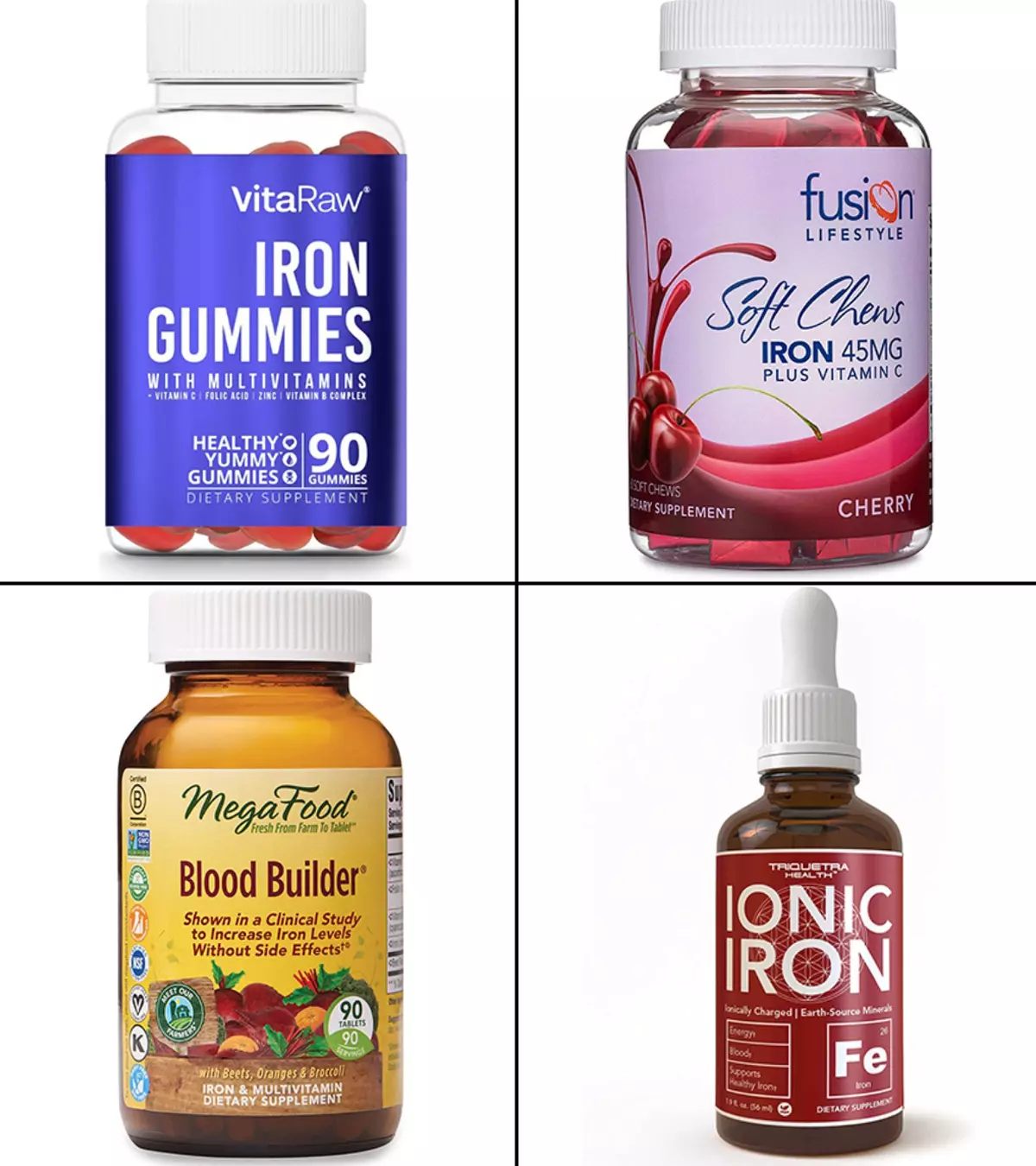
Navigating the Best Womens Iron Supplement for Health and Budget
Finding an effective iron supplement that meets your nutritional requirements without straining your finances requires balancing bioavailability, tolerance, and cost. For women experiencing iron deficiency anemia or increased physiolog...
Finding an effective iron supplement that meets your nutritional requirements without straining your finances requires balancing bioavailability, tolerance, and cost. For women experiencing iron deficiency anemia or increased physiological demands, choosing the right formulation ensures optimal absorption while minimizing common side effects like gastrointestinal distress, all within a reasonable price point.
Contents
Understanding Iron Needs and Financial Realities for Women
Iron is an essential mineral required for the production of hemoglobin, the protein in red blood cells that transports oxygen throughout the body. Women of reproductive age face a heightened risk of iron deficiency due to regular menstrual blood loss. Additionally, pregnancy, postpartum recovery, and endurance athletics significantly increase daily iron requirements. Recommended Dietary Allowances (RDAs) established by health authorities typically suggest 18 milligrams per day for premenopausal women and 8 milligrams for postmenopausal women, with requirements increasing drastically to 27 milligrams daily during pregnancy.
When individuals face iron deficiency, healthcare providers often recommend supplementation. However, the supplement market is flooded with options ranging from inexpensive, traditional salts to highly refined, proprietary chelates. Navigating this marketplace requires separating marketing claims from clinical efficacy. A budget-friendly option must deliver elemental iron efficiently without causing debilitating digestive upset that leads consumers to abandon supplementation altogether.
Evaluating Iron Formulations: Bioavailability Versus Cost
Different chemical forms of iron behave uniquely within the human digestive tract. Understanding these differences helps consumers find a balance between high absorption rates and economical pricing.
Ferrous Sulfate
Ferrous sulfate is the most traditional and widely prescribed iron supplement. It represents the benchmark for affordability, often costing just a few cents per dose.
- Pros: Highly economical, widely available over-the-counter, and backed by decades of clinical usage data.
- Cons: It is notorious for causing gastrointestinal side effects such as constipation, nausea, cramping, and dark stools due to its lower absorption efficiency, which leaves more unabsorbed iron in the gut.
Ferrous Gluconate
Ferrous gluconate contains a lower percentage of elemental iron per pill compared to ferrous sulfate, meaning a larger tablet might be required to achieve the same dose.
- Pros: Gentler on the stomach than ferrous sulfate and generally inexpensive.
- Cons: Lower elemental iron content per pill requires larger or more frequent dosing, which can offset convenience and overall value.
Ferrous Bisglycinate (Iron Bisglycinate)
Ferrous bisglycinate is an amino acid chelate where the iron molecule is bound to two glycine molecules. This structure protects the iron as it passes through the stomach, allowing it to be absorbed intact through the intestinal wall.
- Pros: Exceptionally high bioavailability, significantly lower incidence of gastrointestinal side effects, and does not require an acidic stomach environment for optimal absorption.
- Cons: Historically more expensive than traditional iron salts, though generic and store-brand chelated options have made this form much more accessible for budget-conscious consumers.
| Iron Form | Average Cost per Serving | Gastrointestinal Tolerability | Bioavailability | Best Suited For |
|---|---|---|---|---|
| Ferrous Sulfate | Very Low ($0.02 - $0.05) | Low to Moderate | Moderate | Budget-focused users with robust digestion |
| Ferrous Gluconate | Low ($0.05 - $0.10) | Moderate | Moderate | Individuals seeking a milder traditional salt |
| Ferrous Bisglycinate | Moderate ($0.10 - $0.30) | High | High | Sensitive stomachs, vegetarians, and long-term users |
| Polysaccharide-Iron Complex | Moderate ($0.15 - $0.35) | High | Moderate-High | Users needing controlled release without severe cramps |
Identifying High-Value, Budget-Friendly Supplements
When shopping for an affordable iron supplement that does not compromise on quality, consumers should look beyond flashy branding and examine the Supplement Facts label. High value is defined by the cost per milligram of elemental iron and the absence of unnecessary fillers or allergens.
Store brands from major pharmacies and warehouse clubs often manufacture their iron supplements in FDA-registered facilities adhering to Good Manufacturing Practices (GMP). These generic equivalents of ferrous sulfate or ferrous gluconate offer identical active ingredients to name brands at a fraction of the cost. For instance, generic ferrous sulfate 325 mg tablets (delivering roughly 65 mg of elemental iron) provide an exceptionally low-cost solution for those who tolerate traditional salts well.
However, if traditional iron salts cause severe digestive distress, the cheapest option ceases to be a bargain if it remains unused in the medicine cabinet. For sensitive individuals, budget-tier chelated iron options or store-brand polysaccharide-iron complexes bridge the gap between gastrointestinal comfort and financial pragmatism.
Maximizing Absorption and Minimizing Side Effects
Purchasing the right supplement is only half the equation; optimizing how and when it is ingested dictates its clinical success. Poor absorption not only delays recovery from deficiency but also increases the concentration of unabsorbed iron in the bowel, which triggers cramping and constipation.
- Vitamin C Synergy: Ascorbic acid (Vitamin C) significantly enhances the absorption of non-heme iron by reducing ferric iron to ferrous iron in the stomach. Taking an iron supplement with a glass of orange juice or a vitamin C supplement maximizes uptake.
- Inhibitors to Avoid: Calcium, dairy products, coffee, tea, and whole grains contain compounds (such as tannins, phytates, and calcium ions) that bind to iron and inhibit its absorption. Space iron intake at least two hours away from these foods and beverages.
- Timing and Food: While food can decrease iron absorption by up to 50%, taking iron with a small, non-dairy meal or snack is often necessary for individuals who experience severe nausea on an empty stomach.
Safety Considerations and Professional Guidance
Iron overload is a serious medical risk, particularly for individuals with hereditary hemochromatosis or those who supplement without a verified deficiency. Excessive iron accumulation can damage organs such as the liver, heart, and pancreas.
Prior to initiating any iron supplementation regimen, individuals should consult a healthcare provider for blood work, including serum ferritin and complete blood count (CBC) tests, to confirm iron deficiency anemia or low iron stores. Professional medical oversight ensures the correct dosage is selected and monitors progress over time. This article is for informational purposes only and does not constitute medical advice.
Frequently Asked Questions
How can I tell if I need an iron supplement?
Symptoms of iron deficiency include chronic fatigue, weakness, pale skin, shortness of breath, brittle nails, and frequent headaches. However, these symptoms overlap with many other conditions. A definitive diagnosis requires blood testing ordered by a healthcare professional to measure hemoglobin and ferritin levels.
Are liquid iron supplements better than pills?
Liquid iron supplements are absorbed quickly and are often easier to adjust for precise dosing, making them popular for children or individuals who have difficulty swallowing pills. However, they are typically more expensive per dose than tablets and can stain teeth temporarily unless brushed away or consumed through a straw.
Why does iron cause constipation?
Unabsorbed iron remaining in the gastrointestinal tract can alter the gut microbiome, increase oxidative stress locally, and slow down bowel motility. Choosing a chelated form like ferrous bisglycinate or increasing dietary fiber and hydration can mitigate this side effect.
Can I take my iron supplement with my daily multivitamin?
Many standard multivitamins contain calcium, which inhibits iron absorption. Furthermore, multivitamins often contain sub-therapeutic doses of iron. It is usually best to take a dedicated iron supplement at a separate time of day from a multivitamin containing calcium.
How long does it take to correct iron deficiency with supplements?
Replenishing depleted iron stores is a gradual process. While hemoglobin levels may normalize within a few weeks of consistent supplementation, rebuilding ferritin stores typically requires three to six months of continued use under medical supervision.
Choosing Your Next Action
To secure the best womens iron supplement for health and budget, start by reviewing recent blood work with your physician to identify your exact elemental iron requirement. If you have a sensitive stomach, look for a mid-priced ferrous bisglycinate. If you tolerate traditional formulations well, opt for a certified, store-brand ferrous sulfate to maximize financial savings. Pair your chosen supplement with vitamin C, avoid calcium interference, and schedule follow-up blood work with your healthcare provider to track your physiological progress.
Image Gallery