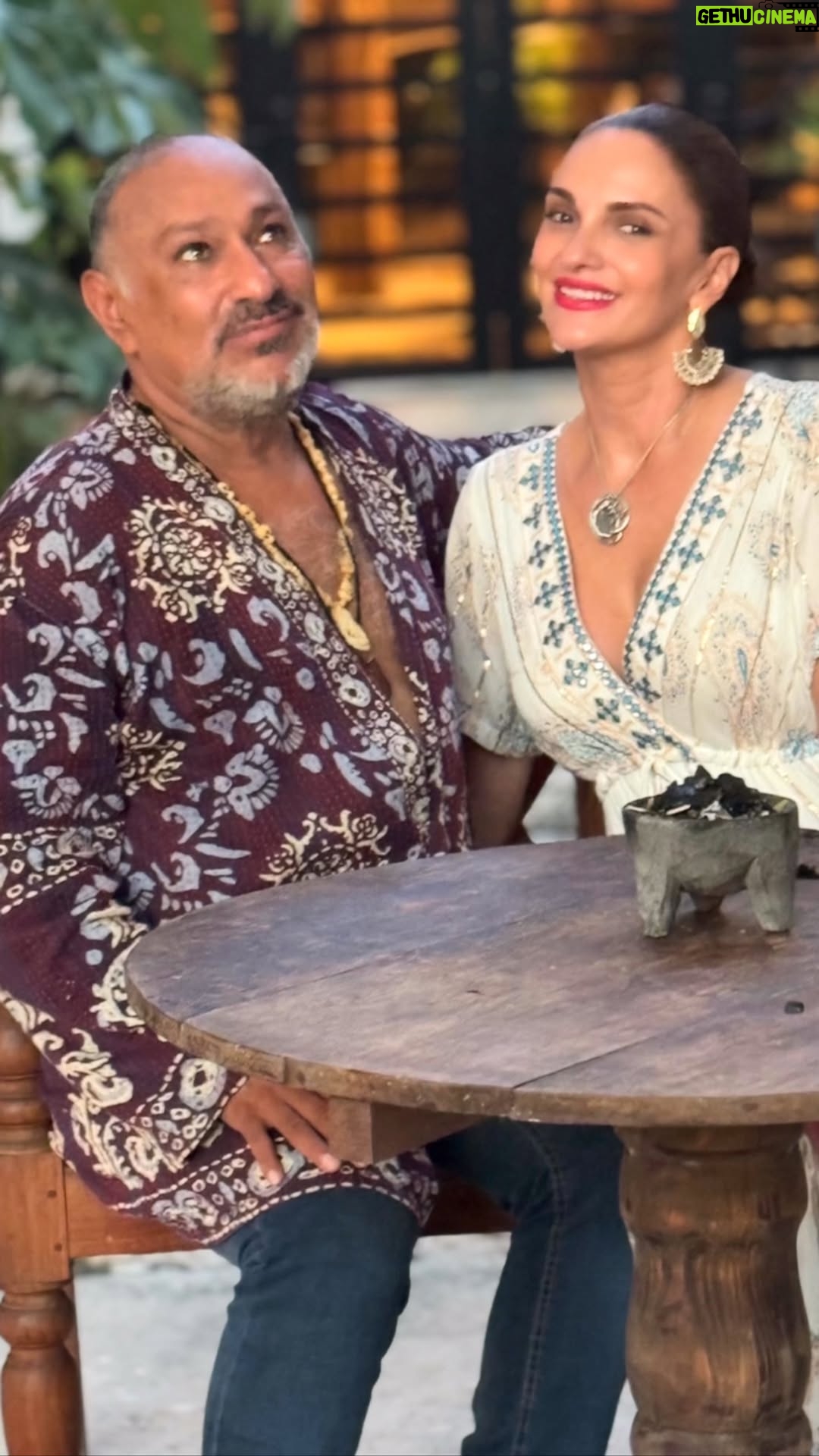
The Life of Mariana Seoane: A Journey Through Mexican Television, Music, and Culture
The life of Mariana Seoane is a multifaceted journey of a prominent Mexican actress, model, and singer who has shaped Latin American entertainment for decades through notable telenovela performances, a successful regional Mexican music...
The life of Mariana Seoane is a multifaceted journey of a prominent Mexican actress, model, and singer who has shaped Latin American entertainment for decades through notable telenovela performances, a successful regional Mexican music career, and enduring cultural impact.
Contents
The trajectory of Mariana Seoane represents a classic blueprint of Latin American artistic versatility. Born in Mexico City, Seoane transitioned from early modeling and minor television roles into a powerhouse performer capable of commanding prime-time telenovela screens while simultaneously building a respected discography in the regional Mexican and tropical music genres. Her career highlights the dynamic nature of the Mexican entertainment industry, where cross-medium versatility remains a primary driver of longevity. Understanding her journey requires examining her early foundations, her breakthrough television projects, her musical evolution, and her lasting footprint in Hispanic pop culture.
Early Life and Foundations in Mexico City
Mariana Seoane Garcia was born on June 10, 1976, in Mexico City, Mexico. Growing up in the cultural and political hub of the country, she was exposed to the arts at an early age. Her lineage and upbringing instilled a strong work ethic and an appreciation for performing arts that guided her adolescent interests.
Before entering the grueling world of television production, Seoane began her professional life as a model. The modeling industry served as a critical gateway, granting her public visibility and opening doors to Televisa’s prestigious Centro de Educación Artística (CEA). Training at the CEA provided her with formal acting instruction, voice coaching, and physical stage discipline, establishing the technical foundation necessary to sustain a multi-decade career in competitive media markets.
Breakthrough in Telenovelas and Dramatic Acting
Television remains the primary vehicle through which Mariana Seoane achieved household-name status across Latin America and the United States Hispanic market. Her entry into telenovelas during the mid-1990s coincided with a golden era of melodrama production.
Early Roles and Transition to Stardom
Seoane made her television debut in the 1995 telenovela Retrato de Familia, followed by appearances in Canción de Amor (1996) and Los Huesos del Amor (1997). While these initial parts established her screen presence, her career accelerated when producers recognized her capacity to portray complex, emotionally charged characters.
Her role in Mi Pequeña Traviesa (1997–1998) earned her broader recognition among younger audiences. However, her definitive leap to major stardom came when she secured leading and antagonist roles that showcased her dramatic range. Telenovelas such as Rebeca (2003) and La Tempestad (2013) demonstrated her ability to anchor major productions, oscillating between sympathetic heroines and memorable villains.
Key Telenovela Productions and Character Portrayals
| Telenovela Title | Original Broadcast Year | Character Role | Significance |
|---|---|---|---|
| Retrato de Familia | 1995 | Sandra | Television debut establishing her initial industry presence. |
| Mi Pequeña Traviesa | 1997–1998 | Bárbara | Broadened her appeal among youth-oriented demographic blocks. |
| Rebeca | 2003 | Rebeca Linares | First major international protagonist role, expanding her global footprint. |
| La Tempestad | 2013 | Ursula Mata | Critical villain role demonstrating sophisticated dramatic range. |
| El Preso No. 1 | 2019 | Irene Ávila | High-profile political thriller series showcasing modern streaming versatility. |
Musical Career and Evolution in Regional Mexican Music
While acting brought her visual recognition, music provided Mariana Seoane with an avenue for personal artistic expression. Her entry into the recording industry challenged conventional boundaries, particularly her successful foray into grupera, cumbia, and regional Mexican music—genres historically dominated by male artists.
Debut Album and Commercial Success
In 2004, Seoane released her debut studio album, Sola-Mente mía, under the Fonovisa label. The album produced the hit single "A Me Gusta," which dominated Latin radio charts and established her as a serious recording artist. The commercial success of her debut proved that her appeal extended beyond acting, earning her nominations at major Latin music award ceremonies, including the Latin Billboard Music Awards.
Musical Style and Collaborations
Seoane’s vocal style relies on high-energy delivery, deep emotional resonance, and infectious tropical rhythms. Over the years, she collaborated with prominent figures in tropical and regional Mexican music, solidifying her status within the genre. Her subsequent albums, such as La Malquerida (2006) and Cucú (2012), further cemented her reputation. Her ability to command a concert stage transformed her from a crossover television star into an established touring artist.
Cultural Impact and Public Persona
The public perception of Mariana Seoane is defined by her independence, resilience, and adaptability. Operating in an industry subject to rapid shifts in audience tastes, she maintained relevance by transitioning smoothly from traditional broadcast networks to modern streaming platforms like Netflix and Telemundo.
Beyond her artistic contributions, Seoane has been vocal about personal challenges, including health battles and industry pressures, endearing her further to a loyal fan base. Her presence on social media platforms serves as a bridge between her foundational television era and contemporary digital engagement, where she shares insights into her professional projects and daily life.
Frequently Asked Questions
When and where was Mariana Seoane born?
Mariana Seoane was born on June 10, 1976, in Mexico City, Mexico. She grew up in the capital, where she later pursued formal artistic training at Televisa’s Centro de Educación Artística.
What was Mariana Seoane’s breakthrough television role?
While her career began in the mid-1990s with shows like Retrato de Familia, her international breakthrough came with her starring role as the protagonist in the 2003 telenovela Rebeca.
Does Mariana Seoane have a career in music?
Yes, she is a successful singer who released her debut album, Sola-Mente mía, in 2004. She is particularly well-known for her hits in the regional Mexican, cumbia, and tropical music genres.
Which streaming series has Mariana Seoane appeared in?
In recent years, she expanded her portfolio into political and dramatic series, notably appearing as Irene Ávila in the political thriller El Preso No. 1 (2019).
How did Mariana Seoane begin her career in entertainment?
She started as a model in Mexico City before transitioning to acting through formal training at Televisa's CEA, which led to her first television casting opportunities in 1995.
Conclusion and Next Actions
Examining the life of Mariana Seoane reveals a career built on versatility, artistic risk-taking, and professional endurance. For researchers, fans, and media enthusiasts exploring her work, the best next action is to examine her foundational telenovela performances available on international streaming platforms or listen to her discography across major digital music services to appreciate her evolution across media formats.
Image Gallery