Understanding a Nationwide Shrimp Recall Due to Undeclared Sulfites
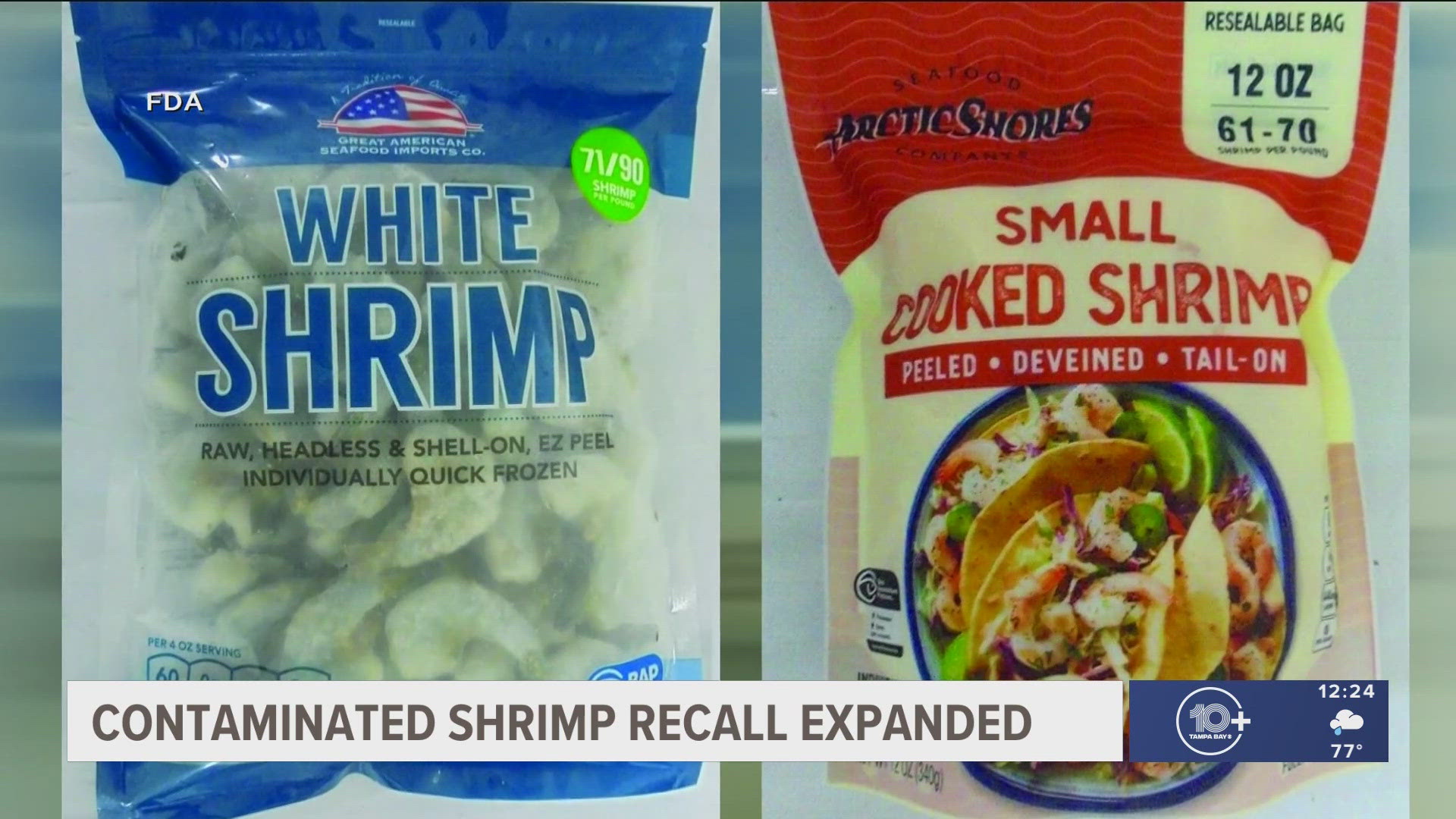
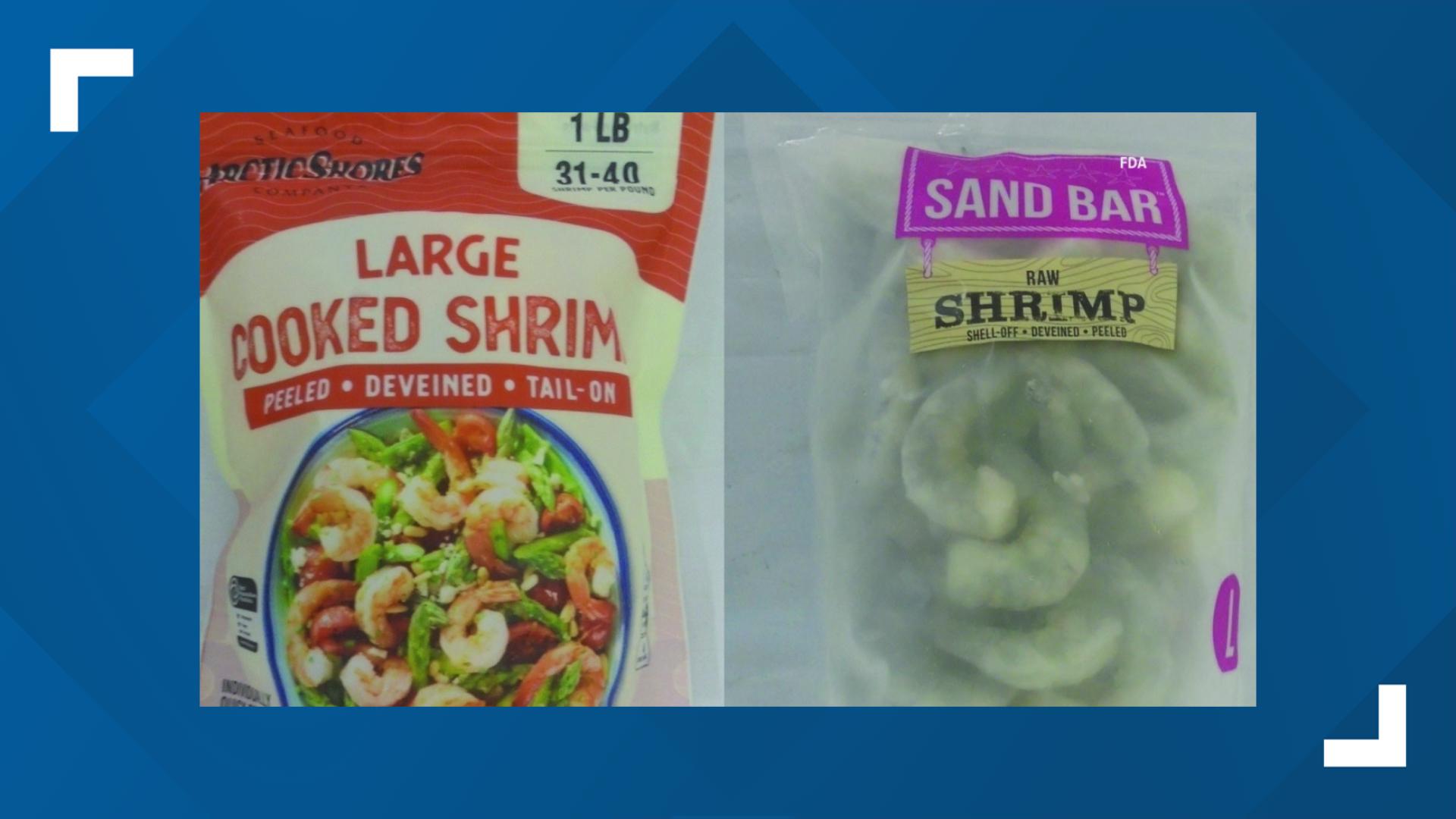
A nationwide shrimp recall due to undeclared sulfites occurs when commercial seafood products containing chemical preservatives are distributed without proper allergen labeling, posing severe health risks to individuals with sulfite se...
A nationwide shrimp recall due to undeclared sulfites occurs when commercial seafood products containing chemical preservatives are distributed without proper allergen labeling, posing severe health risks to individuals with sulfite sensitivities or asthma, and requiring consumers to check affected product lots for safe disposal or return.
Contents
Introduction to Sulfites in Seafood Processing
Sulfites are widely utilized chemical compounds in the global food processing industry, serving primarily as preservatives and anti-browning agents. In the seafood sector, particularly with shrimp and other crustaceans, processors apply sulfite-based solutions—such as sodium bisulfite, sodium metabisulfite, or sulfur dioxide—to prevent the development of "melanosis." Melanosis, commonly recognized as black spot, is a natural enzymatic reaction that causes unsightly dark pigmentation on the shell and meat of harvested shrimp. While these preservatives are generally recognized as safe (GRAS) by food safety authorities when used within regulated limits, federal regulations mandate that their presence must be explicitly declared on the product packaging whenever residual sulfur dioxide concentrations exceed 10 parts per million (ppm).
When a processing facility, distributor, or importer fails to disclose these additives on the retail or wholesale label, it creates a severe hidden hazard for sensitive consumers. An undeclared sulfite contamination or labeling omission transforms a routine commercial product into an undeclared allergen vector. Consequently, regulatory bodies such as the U.S. Food and Drug Administration (FDA) or the Canadian Food Inspection Agency (CFIA) intervene to mandate a nationwide or regional recall. Understanding the mechanisms of these recalls requires a close examination of how food allergens are classified, how supply chains operate, and what specific steps consumers and retailers must take to mitigate health risks.
The Science of Sulfite Sensitivity and Health Risks
Sulfite hypersensitivity is an adverse reaction to sulfur dioxide and sulfiting agents added to foods and beverages. Unlike true immunoglobulin E (IgE)-mediated food allergies, which typically manifest as hives, swelling, or anaphylaxis within minutes of ingestion, sulfite reactions can operate through a variety of non-immunological pathways. The physiological impact can range from mild gastrointestinal discomfort to life-threatening respiratory distress.
Respiratory Impact and Asthmatic Vulnerability
The most well-documented and dangerous consequence of sulfite exposure occurs in individuals with pre-existing asthma. When inhaled or ingested, sulfur dioxide can trigger bronchoconstriction—the tightening of the airways in the lungs.
- Airway Irritation: Free sulfur dioxide gas can be released in the acidic environment of the stomach, inhaled into the respiratory tract, and provoke immediate bronchial spasms.
- Asthma Exacerbation: Approximately 5 to 10 percent of individuals with asthma also suffer from sulfite sensitivity. For this demographic, even trace amounts of undeclared sulfites in a serving of shrimp can induce severe wheezing, chest tightness, coughing, and acute shortness of breath.
- Anaphylactoid Reactions: In rare cases, severe hypersensitivity can lead to systemic reactions mimicking anaphylaxis, characterized by a rapid drop in blood pressure, flushing, dizziness, and cardiovascular collapse.
Dermatological and Gastrointestinal Symptoms
Beyond respiratory complications, consumers with mild to moderate sensitivities may experience non-respiratory symptoms following the consumption of improperly labeled sulfited shrimp.
- Dermatological Flare-ups: Hives (urticaria), skin flushing, itching, and angioedema (swelling beneath the skin) can develop hours after eating.
- Gastrointestinal Distress: Nausea, abdominal cramps, diarrhea, and vomiting are occasionally reported as the digestive system reacts to the chemical irritants.
Anatomy of a Commercial Seafood Recall
When regulatory agencies detect an undeclared allergen through routine surveillance, consumer complaints, or import sampling, a structured administrative and operational protocol is triggered. A nationwide recall is designed to halt the distribution of the affected merchandise, clear retail shelves, and inform the public.
Classification of Recalls
Regulatory frameworks categorize recalls based on the degree of health hazard involved. For undeclared sulfites, recalls typically fall under Class I or Class II designations.
- Class I Recall: A situation in which there is a reasonable probability that the use of, or exposure to, a violative product will cause serious adverse health consequences or death. This is standard for undeclared allergens distributed to populations containing highly sensitive asthmatics.
- Class II Recall: A situation in which the use of, or exposure to, a violative product may cause temporary or medically reversible adverse health consequences, or where the probability of serious adverse health consequences is remote.
Supply Chain Traceability and Distribution
Modern seafood supply chains are complex, spanning multiple international borders, wild-caught or aquaculture harvesting sites, primary processing plants, cold-storage warehouses, and national distribution hubs. When a lot of shrimp is recalled, supply chain managers must trace the product backward to the specific harvest vessel or farm, and forward to every wholesaler, restaurant, and grocery store chain that received the shipment. Lot codes, UPC barcodes, packaging dates, and establishment numbers become critical data points used to isolate the exact inventory affected by the labeling failure.
| Recall Parameter | Operational Implication | Consumer Relevance |
|---|---|---|
| Primary Trigger | Regulatory testing or facility audit revealing unlabeled sulfites exceeding 10 ppm. | Identifies the root cause of the food safety warning. |
| Scope (Nationwide) | Distribution across multiple states or provinces via major commercial retail networks. | Indicates that consumers anywhere in the country may possess the item. |
| Lot Identification | Specific factory codes, production dates, and UPC numbers printed on packaging. | The primary tool for determining if an individual package is unsafe. |
| Mandated Action | Removal of stock from shelves and public alert broadcast via regulatory channels. | Directs consumers and retailers on how to handle the inventory. |
Practical Guidance for Consumers: Identification and Action
For households that regularly purchase frozen, fresh, or pre-cooked shrimp, navigating a nationwide recall requires vigilance, systematic inspection of home inventories, and adherence to established food safety protocols.
Step 1: Check Product Identifiers
Do not rely solely on the brand name of the shrimp product. Processors often manufacture private-label goods for multiple grocery chains under different brand names. Consumers must examine the physical packaging or store receipt for specific metadata.
- UPC Barcode: Located on the back of the package, this unique numeric code confirms the exact product SKU.
- Lot Numbers and Date Codes: Stampings or ink-jet print on the bag flap or bottom panel reveal the production run. Recalls almost never affect an entire brand's product line indefinitely; they are restricted to specific production lots.
- Country of Origin and Establishment Numbers: USDA or FDA establishment numbers printed on the label help verify the exact processing facility.
Step 2: Safe Handling of Affected Inventory
If a household confirms they possess a recalled shrimp product due to undeclared sulfites, immediate precautions must be taken.
- Do Not Consume: Anyone in the household with a known or suspected sensitivity to sulfites or asthma must avoid the product entirely. Even family members without sensitivities should refrain from eating it, as commercial recalls demand total compliance to ensure public safety.
- Return for Refund: Consumers can return the product to the place of purchase for a full refund, regardless of whether the package has been opened.
- Discard Securely: If returning the item is not practical, dispose of the shrimp in a sealed trash receptacle to prevent accidental consumption by humans or domestic pets.
Step 3: Medical Response to Accidental Ingestion
If an individual with sulfite sensitivity or asthma consumes recalled sulfites and begins experiencing symptoms:
- Mild Symptoms: Administer prescribed antihistamines or over-the-counter remedies if advised by a physician, and monitor breathing closely.
- Severe Symptoms: For acute respiratory distress, wheezing, or signs of anaphylaxis, utilize a rescue inhaler immediately and seek emergency medical assistance (call 911 or local emergency services). Inform medical personnel of potential sulfite exposure from contaminated seafood.
Frequently Asked Questions
What are sulfites, and why are they used in shrimp?
Sulfites are chemical preservatives applied to shrimp during post-harvest handling to prevent melanosis (black spot) and bacterial degradation. They maintain the visual appeal and shelf life of the seafood but must be declared on labels because they trigger severe allergic and asthmatic reactions in sensitive individuals.
How can I tell if my shrimp package is part of a nationwide recall?
You must cross-reference the brand name, exact product description, package size, UPC barcode, and lot/date codes on your packaging with the official recall notice published by the FDA or relevant food safety agency. General brand names alone are insufficient for identifying recalled lots.
Are sulfites the same thing as a shellfish allergy?
No. A shellfish allergy is an immune system reaction to proteins found in crustaceans and mollusks, such as tropomyosin. Sulfite sensitivity is a chemical intolerance or non-immunological reaction to sulfur dioxide preservatives. A person can have a sulfite sensitivity without being allergic to shellfish, and vice versa.
What should I do if I already ate the recalled shrimp and feel fine?
If you have consumed the product without experiencing adverse health effects, no immediate action is required. Sulfite reactions typically manifest rapidly within minutes to hours of ingestion. However, you should discard any remaining portions of the affected lot immediately.
Why doesn't every shrimp package contain sulfites?
Many seafood processors utilize alternative preservation methods, such as rapid freezing, modified atmosphere packaging, or non-sulfite chemical dips (e.g., 4-hexylresorcinol), to prevent black spot. Additionally, fresh wild-caught shrimp processed immediately on vessels often reach markets without chemical additives.
Conclusion and Next Actions
Navigating a nationwide shrimp recall due to undeclared sulfites requires a balance of regulatory awareness and personal inventory management. Because undeclared allergens represent a direct threat to asthmatic and sulfite-sensitive populations, food safety agencies enforce strict labeling laws. Consumers should regularly consult official updates from the U.S. Food and Drug Administration or equivalent national authorities when food safety alerts are broadcast. To ensure household safety, inspect all frozen or fresh crustacean products currently in your possession, verify lot numbers against official advisories, and safely return or discard any verified violative items.
Image Gallery