Colorado First Time Home Buyer Requirements: Key Eligibility Facts
To qualify as a first-time home buyer in Colorado in 2026, you generally must not have owned a primary residence in the past three years. Key requirements include a minimum credit score of 620, meeting county-specific income and purcha...
To qualify as a first-time home buyer in Colorado in 2026, you generally must not have owned a primary residence in the past three years. Key requirements include a minimum credit score of 620, meeting county-specific income and purchase price limits, completing a mandatory homebuyer education course, and contributing at least $1,000 of your own funds toward the transaction.
Contents
Defining the First-Time Home Buyer in 2026
The term "first-time home buyer" is often misunderstood as someone who has never owned a home. However, according to the U.S. Department of Housing and Urban Development (HUD) and the Colorado Housing and Finance Authority (CHFA), the definition is more inclusive. You are considered a first-time buyer if you have not held an ownership interest in a primary residence at any point during the three-year period ending on the date of the new home purchase.
This rolling three-year window allows previous homeowners who transitioned to renting—perhaps due to a relocation, life change, or financial restructuring—to re-enter the market with the benefit of first-time buyer programs. Furthermore, certain exceptions apply to this rule. "Displaced homemakers" or "single parents" who previously owned a home with a spouse may still qualify for these programs even if they owned a home within the last three years, provided they meet specific federal guidelines.
In Colorado, identifying as a first-time buyer is the gateway to specialized loan products, down payment assistance (DPA) grants, and tax credits that are not available to repeat buyers or investors. In the competitive 2026 real estate market, these advantages are often the difference between an accepted offer and a rejected one.
Credit Score and Financial Readiness Requirements
Financial eligibility is the cornerstone of any mortgage application. While different lenders have varying "overlays" (internal rules), the baseline for state-supported programs in Colorado remains consistent.
The 620 Credit Score Threshold
For the majority of CHFA-sponsored programs, the minimum credit score required is 620. If your score is below this mark, you may still qualify for standard FHA loans, which sometimes allow scores as low as 580, but you will likely be ineligible for the most attractive down payment assistance programs. Lenders typically pull scores from the three major bureaus (Equifax, Experian, and TransUnion) and use the "middle" score for qualification purposes.
Debt-to-Income (DTI) Ratios
In 2026, lenders look closely at your Debt-to-Income ratio, which is the percentage of your gross monthly income that goes toward paying debts. To qualify for most Colorado first-time buyer programs, your DTI should generally not exceed 45% to 50%. This calculation includes your projected new mortgage payment (principal, interest, taxes, and insurance) plus all existing monthly obligations like student loans, car payments, and credit card minimums.
The $1,000 Minimum Contribution
While Colorado offers generous down payment assistance, the state requires that the borrower has some "skin in the game." Most programs require a minimum investment of at least $1,000 from the borrower’s own liquid assets. This cannot be a gift; it must be documented via bank statements to prove the funds belong to the applicant.
Income and Purchase Price Limits
First-time buyer programs are designed to assist low-to-moderate-income households. Consequently, they are subject to strict income and purchase price limits that vary significantly by county.
Localized Income Caps
Colorado’s diverse geography means that an income limit in Denver or Boulder is much higher than one in Mesa County or the Eastern Plains. These limits are based on the Area Median Income (AMI). For 2026, many programs allow borrowers to earn up to 100% or even 120% of the AMI, depending on the specific loan product chosen. If your household income exceeds these limits, you may still qualify for standard conventional or FHA loans, but you will lose access to CHFA’s subsidized assistance.
Purchase Price Ceilings
Similarly, there is a limit on how much the home you are buying can cost. These ceilings prevent state funds from being used to purchase luxury properties. In high-cost counties like Pitkin or Eagle, these limits are substantially elevated to reflect the local market reality. It is essential to verify the current year’s limit for your specific county before starting your home search, as a home priced even $1 above the limit will disqualify the loan from certain assistance programs.
Mandatory Homebuyer Education
One of the most critical eligibility facts for Colorado first-time buyers is the requirement for formal education. You cannot bypass this step if you intend to use state-sponsored assistance.
The education must be provided by a CHFA-approved counseling agency. These classes cover the entire home-buying process, including:
- Understanding your credit report and how it impacts your interest rate.
- The difference between fixed-rate and adjustable-rate mortgages.
- How to budget for home maintenance and unexpected repairs.
- The legal aspects of the closing process and title insurance.
Classes are available both in-person and online. While the online version offers convenience, the in-person sessions often provide more localized networking with lenders and realtors. Upon completion, you receive a certificate that is valid for 12 months. Lenders will require this certificate as part of your loan application package.
Property Type and Occupancy Standards
Not every property qualifies for first-time buyer assistance. The primary rule is that the home must be your primary residence. You cannot use these programs to buy an investment property, a "fix-and-flip," or a vacation home.
Eligible property types generally include:
- Single-family detached homes: The most common target for first-time buyers.
- Condominiums and Townhomes: These must be in developments that are "warrantable" (approved by Fannie Mae, Freddie Mac, or the FHA).
- Modular Homes: Must be permanently attached to a foundation and taxed as real property.
- Manufactured Homes: Often subject to stricter credit score requirements (frequently 640 or 660) and must meet specific HUD safety codes.
The property must also undergo a professional appraisal to ensure it meets basic safety and habitability standards. If a home has significant structural issues or safety hazards (like peeling lead-based paint or a failing roof), the lender may require repairs before the loan can close.
Understanding Colorado Down Payment Assistance (DPA)
The biggest hurdle for first-time buyers is the down payment. Colorado offers several mechanisms to bridge this gap, primarily through CHFA. It is vital to distinguish between the two main types of assistance:
Grants vs. Second Mortgages
- DPA Grants: This is "true" assistance that does not need to be repaid. It is typically a percentage of the loan amount (e.g., 3%). Because it is a grant, the interest rate on the first mortgage may be slightly higher than market rates.
- DPA Second Mortgages: This is a loan that covers the down payment. In many cases, this second mortgage has 0% interest and no monthly payments, but it must be repaid when you sell the home, refinance, or pay off the first mortgage. This is often called a "silent second."
Program Comparisons for 2026
The following table outlines the key differences between the most popular Colorado assistance pathways as they stand in 2026:
| Program Name | Minimum Credit Score | Max Income Limit | Repayment Required? | Best For |
|---|---|---|---|---|
| CHFA SmartStep | 620 | Mid-range (County Dep.) | Yes (Second Mortgage) | Buyers with lower credit but steady income |
| CHFA FirstStep | 620 | Lower-range (County Dep.) | No (Grant Option) | Lowest-income households |
| CHFA HomeAccess | 620 | Varies | No (Grant) | Buyers with a permanent disability |
| Conventional 97 | 660 | 80% AMI | N/A (3% Down) | Buyers with higher credit scores |
| FHA Standard | 580-620 | None | N/A (3.5% Down) | Buyers with higher DTI ratios |
The Role of Loan-to-Value (LTV) and Private Mortgage Insurance (PMI)
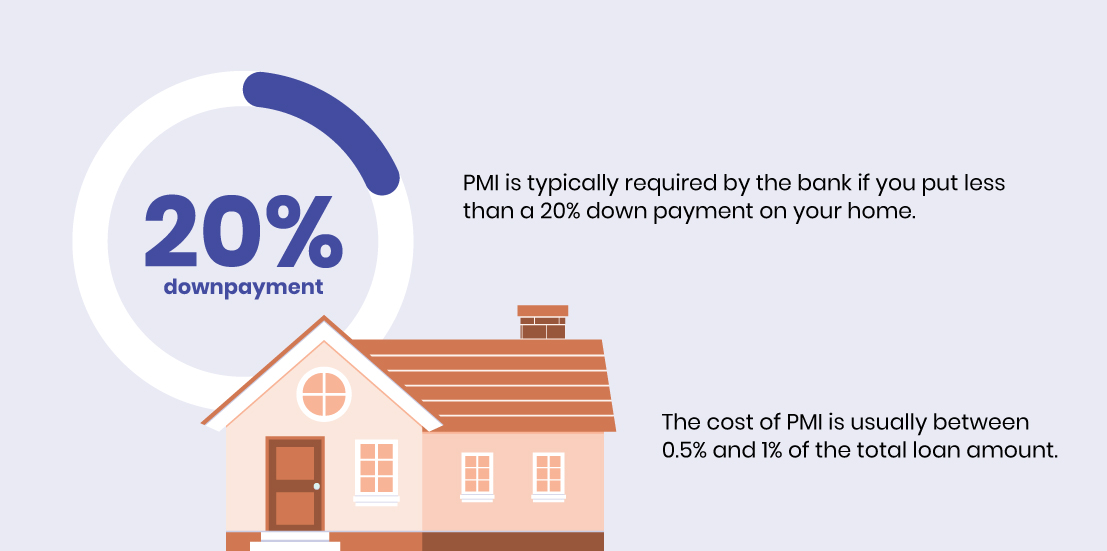
When you buy a home with less than 20% down—which is the case for nearly all first-time buyers using Colorado assistance—you will encounter Private Mortgage Insurance (PMI). PMI protects the lender if you default on the loan.
In the 2026 market, the cost of PMI is influenced by your credit score and your Loan-to-Value (LTV) ratio. A 97% LTV (meaning you put 3% down) will carry a higher PMI premium than an 85% LTV. However, some Colorado-specific programs offer "subsidized" PMI or specialized conventional products like HFA Preferred, which have lower monthly insurance costs than standard FHA loans. This can save a buyer $100 to $200 per month, significantly increasing their purchasing power.
Common Mistakes to Avoid
Even if you meet the technical requirements, certain errors can disqualify you during the underwriting process.
- Opening New Credit: Do not apply for a new car loan or credit card after you have been pre-approved. This changes your DTI and can result in a loan denial days before closing.
- Undocumented Deposits: Every dollar used for the home purchase must be "sourced." If you deposit a large amount of cash that cannot be traced to a paycheck or a documented gift, the lender cannot use those funds for your requirements.
- Ignoring Closing Costs: Many buyers focus solely on the down payment. However, closing costs (taxes, title fees, inspections) in Colorado typically range from 2% to 5% of the purchase price. Ensure your plan accounts for these or negotiate for "seller concessions" where the seller pays a portion of these fees.
Frequently Asked Questions
Can I use first-time buyer programs if I am co-signing with someone who has owned a home?
Generally, no. For most state-assisted programs, all borrowers who will be on the title must meet the first-time home buyer definition. If one person has owned a home in the last three years, the "three-year rule" is usually triggered for the entire application.
Is there a limit on how much "gift money" I can receive?
For standard FHA and Conventional loans, there is often no limit on gift money from family members. However, even with a gift, you must still provide the $1,000 minimum contribution from your own verified funds if you are using CHFA assistance.
Do I have to stay in the home for a certain amount of time?
Yes, most assistance programs have a "residency requirement." If you sell the home or convert it to a rental within the first few years, you may be required to repay a portion of the grant or the entirety of the second mortgage immediately.
Are these programs available for multi-family homes (duplexes)?
Some programs do allow for the purchase of 2-4 unit properties, provided you live in one of the units as your primary residence. However, these often require higher credit scores (typically 660+) and may have stricter income calculations.
What is the first step I should take?
The first step is to attend a CHFA-approved homebuyer education class. This will provide you with the certificate needed for the loan and give you a comprehensive overview of the current 2026 market conditions in Colorado.
Recommendation for Next Actions
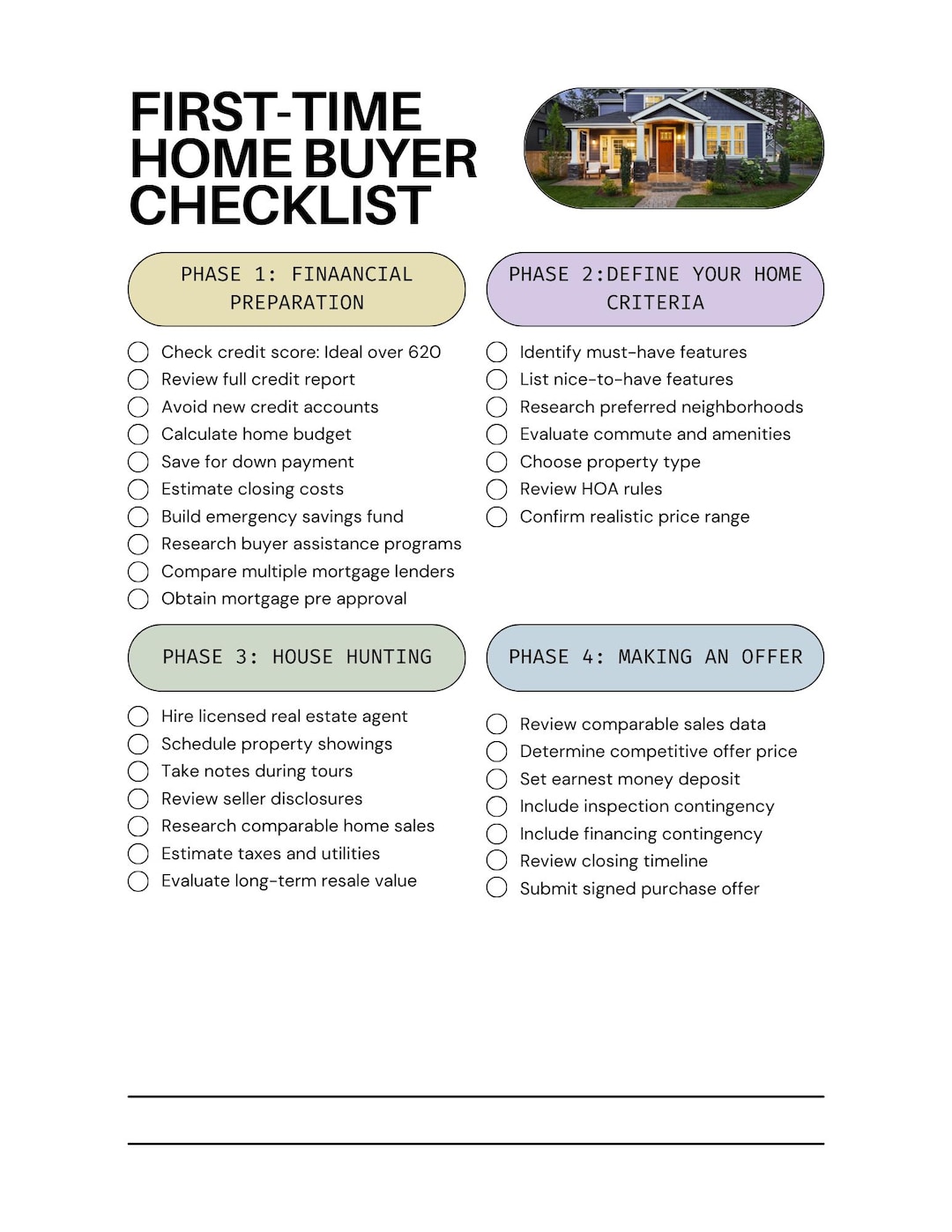
If you are planning to purchase a home in Colorado in 2026, start by pulling your credit report immediately. If your score is below 620, focus on debt reduction and timely payments to bridge the gap. Once your credit is stable, contact a CHFA-participating lender. Not all banks can offer state assistance programs; only those specifically vetted by the Colorado Housing and Finance Authority have the authority to process these specialized loans. Early preparation—usually six months before you intend to buy—is the most effective way to ensure you meet all key eligibility facts.
Image Gallery