How Much Should $5,000 Life Insurance Cost for a 64-Year-Old?
For a 64-year-old individual in 2026, a $5,000 life insurance policy—commonly known as final expense or burial insurance—typically costs between $18 and $35 per month. Prices depend primarily on gender, tobacco use, and whether the app...
For a 64-year-old individual in 2026, a $5,000 life insurance policy—commonly known as final expense or burial insurance—typically costs between $18 and $35 per month. Prices depend primarily on gender, tobacco use, and whether the applicant qualifies for simplified underwriting or requires a guaranteed-issue policy due to health concerns.
Contents
Understanding $5,000 Life Insurance Policies in 2026
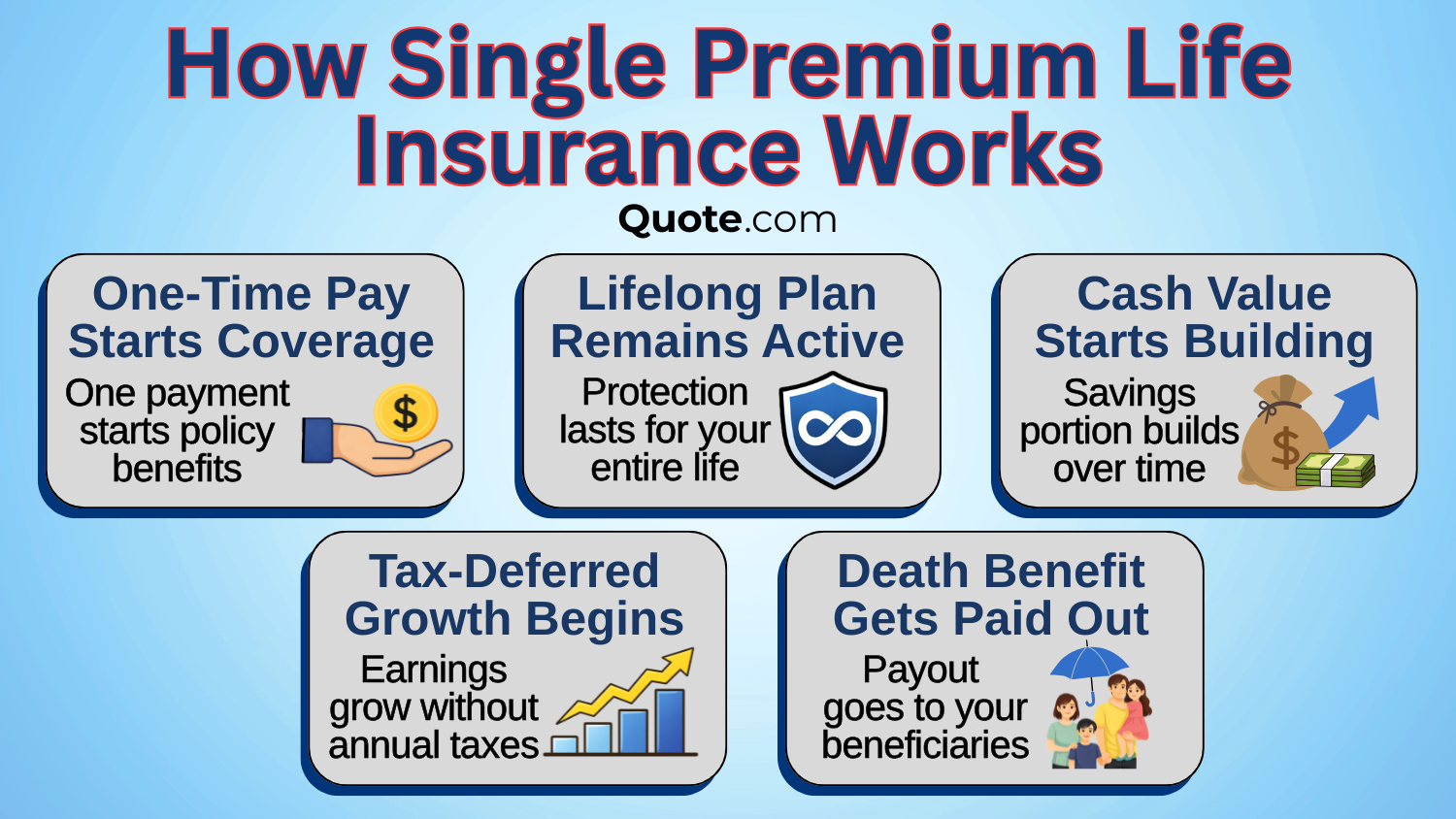
At age 64, many individuals begin evaluating their end-of-life expenses. A $5,000 policy is a specific niche in the insurance market. Unlike large term life policies designed to replace income, a $5,000 policy is almost exclusively a Whole Life Final Expense policy. These are designed to cover immediate costs such as cremation, a small memorial service, or lingering medical bills.
In the 2026 economic landscape, the cost of funeral services has continued to rise, making these smaller policies a baseline for many seniors. While $5,000 was once considered a standard amount for a funeral, it is now more frequently used to cover "direct cremation" or as a supplement to other savings. Because these are whole life products, the premiums are locked in for life, and the policy builds a small amount of cash value over time.
Why the Price Varies for a 64-Year-Old
Life insurance companies price their products based on the statistical probability of a claim. At 64, you are on the cusp of the traditional retirement age, which is a pivotal moment for actuaries.
The three primary levers that will move your premium up or down are:
- Biological Gender: Statistically, women have a longer life expectancy than men. Consequently, a 64-year-old woman will almost always pay less for the same $5,000 coverage than a 64-year-old man.
- Tobacco Status: Smoking or using nicotine products significantly increases the risk profile. In 2026, many carriers distinguish between traditional cigarettes and alternative nicotine delivery systems, though most still categorize them under "tobacco rates," which can increase costs by 30% to 50%.
- Underwriting Type: If you are healthy enough to answer a few medical questions (Simplified Issue), you will pay less. If you have severe health issues and need a policy with no questions asked (Guaranteed Issue), you will pay a "protection premium," which is significantly higher.
Estimated Monthly Costs for $5,000 Coverage
The following table provides estimated monthly premiums for a $5,000 Whole Life Final Expense policy for a 64-year-old. These rates assume a "Standard" health rating.
| Applicant Profile | Monthly Premium (Estimate) | Annual Premium (Estimate) |
|---|---|---|
| 64-Year-Old Female (Non-Smoker) | $18.50 – $23.00 | $222 – $276 |
| 64-Year-Old Female (Smoker) | $26.00 – $34.00 | $312 – $408 |
| 64-Year-Old Male (Non-Smoker) | $24.00 – $30.00 | $288 – $360 |
| 64-Year-Old Male (Smoker) | $35.00 – $48.00 | $420 – $576 |
Note: These figures are based on 2026 market averages for simplified issue whole life policies. Prices may vary by state and specific carrier availability.
The Impact of Underwriting Tiers
When applying for a $5,000 policy at age 64, you will likely encounter three different "tiers" of coverage. Understanding these is vital because they affect not just the cost, but when the policy actually begins to pay out the full benefit.
1. Level Benefit (Simplified Issue)
This is the most desirable tier. To qualify, you must answer "No" to a series of health questions regarding major illnesses (like active cancer, congestive heart failure, or recent strokes).
- Cost: Lowest available.
- Benefit: 100% of the $5,000 is available from day one. If the insured passes away one month after the first premium is paid, the beneficiary receives the full $5,000.
2. Graded or Modified Benefit
If you have moderate health issues—such as well-controlled diabetes with some complications or a history of heart disease that occurred more than two years ago—you might be offered a graded policy.
- Cost: Higher than Level benefits.
- Benefit: The policy has a waiting period, typically two years. If death occurs in year one, the beneficiary might receive only 30-40% of the face value. In year two, they might receive 70%. After two years, the full $5,000 is available.
3. Guaranteed Issue
These policies are for individuals with severe, chronic health conditions or terminal illnesses. There are no health questions and no medical exams.
- Cost: Highest.
- Benefit: There is a mandatory two-year waiting period. If the insured dies during the first two years from natural causes, the beneficiary typically receives the premiums paid plus a small amount of interest (usually 5-10%). After two years, the full $5,000 is covered.
Is $5,000 Enough Coverage in 2026?
A critical part of the "how much should it cost" question is determining if the $5,000 purchase provides actual value. In 2026, the National Funeral Directors Association (NFDA) reports that the median cost of a funeral with viewing and burial has exceeded $10,000 in many regions.
If your goal is a traditional burial, a $5,000 policy is likely insufficient. However, it is an appropriate amount for:
- Direct Cremation: Currently averaging $2,500 to $4,000.
- Social Security Gap: Offsetting the minimal $255 Social Security Death Benefit.
- Debt Clearance: Paying off a final credit card or small personal loan.
- Travel Costs: Helping family members fly in for a service.
Before committing to a $5,000 policy, calculate the specific end-of-life costs in your zip code. Often, the price difference between a $5,000 policy and a $10,000 policy is only $10 to $15 per month at age 64, which may offer significantly better protection against inflation.
Common Mistakes When Buying Small Policies at 64
Waiting for "Better Health"
A common error is waiting for a health condition to improve before applying. In the world of final expense insurance, your age is a primary driver of cost. Even if your health improves slightly, being 65 or 66 will likely cancel out any savings you would have gained by being "healthier." It is generally better to lock in a rate at 64.
Overpaying for "Brand Name" Direct Mail
Many seniors are targeted by direct mail offers that promise "pennies a day" coverage. Often, these policies are "term" policies that expire at age 80 or have "step-up" premiums that increase every five years. For a 64-year-old, a permanent whole life policy is almost always superior to a term policy for final expenses because the need for funeral funds doesn't disappear at age 80—it increases.
Ignoring Tobacco Alternatives
If you use nicotine patches or gum but do not smoke, some carriers in 2026 will offer you "Non-Tobacco" rates, while others will not. Shopping through an independent agent who can access multiple carriers can save a 64-year-old hundreds of dollars over the life of the policy by finding a carrier that is "nicotine-friendly."
How to Apply for a $5,000 Policy
The application process for these small-face-amount policies is usually streamlined. In 2026, most companies use an e-application process.
- The Questionnaire: You will provide basic information (Name, DOB, SSN) and answer 5 to 15 "Yes/No" health questions.
- The Prescription Check: The insurance company will run an automated check of your prescription drug history through a database like Milliman IntelliScript. This tells the insurer what conditions you are treating, which is why honesty on the questionnaire is vital.
- The MVR Check: A Motor Vehicle Report may be checked to ensure there are no recent patterns of reckless driving or multiple DUIs, though this is less common for $5,000 policies than for larger ones.
- Instant Decision: Many carriers provide an approval or decline within minutes of submitting the digital application.
Frequently Asked Questions
Does a $5,000 policy require a medical exam?
No. Policies of this size ($5,000 to $25,000) for a 64-year-old are typically "no-exam." Underwriting is based on your medical history, prescription records, and answers to health questions. This makes the process much faster than traditional life insurance.
Can I get a $5,000 policy if I am currently in a nursing home?
Generally, no. Most simplified issue and even guaranteed issue companies will not issue a new policy to an individual currently residing in a nursing home or receiving hospice care. If you are in a nursing home, you may need to look into "pre-need" insurance directly through a funeral home.
Will the monthly price ever go up?
If you purchase a Whole Life policy, the premium is guaranteed to stay the same for the rest of your life. If you accidentally purchase a Term policy, the price will likely increase every five years or when you reach a certain age bracket (e.g., 70, 75). Always verify that the policy is "Permanent Whole Life."
What happens if I stop paying the premiums?
If you stop paying, the policy will eventually lapse. However, because these are whole life policies, they build "cash value." If you have owned the policy for several years, you may be able to use the cash value to keep the policy in force for a short time or take a "reduced paid-up" policy, which provides a smaller death benefit with no further premiums required.
Is $5,000 enough for a traditional burial?
In 2026, $5,000 is likely not enough for a traditional burial with a casket, vault, and headstone. The average cost for such services is closer to $9,000–$12,000. A $5,000 policy is better suited for cremation or as a "top-off" to existing savings or other insurance.
Final Recommendation
If you are 64 and looking for a $5,000 policy, your first step should be to confirm your health status. If you are relatively healthy, avoid "Guaranteed Issue" policies, as you will pay a higher price and be subject to a two-year waiting period you may not need. Instead, seek out a Simplified Issue Whole Life policy to ensure you have "Day 1" coverage. Given the relatively small price difference, also request a quote for $10,000; the added peace of mind often outweighs the small increase in monthly premium.
Image Gallery