7 Effective Ways to Control Your Emotions for Better Mental Resilience
Controlling emotions involves a strategic combination of cognitive reframing, physiological regulation, and mindful awareness. By identifying specific triggers and utilizing techniques such as deep breathing, affect labeling, and cogni...
Controlling emotions involves a strategic combination of cognitive reframing, physiological regulation, and mindful awareness. By identifying specific triggers and utilizing techniques such as deep breathing, affect labeling, and cognitive reappraisal, individuals can bridge the gap between stimulus and response, leading to more intentional behavior and significantly improved psychological well-being.
Contents
Understanding the Framework of Emotional Regulation
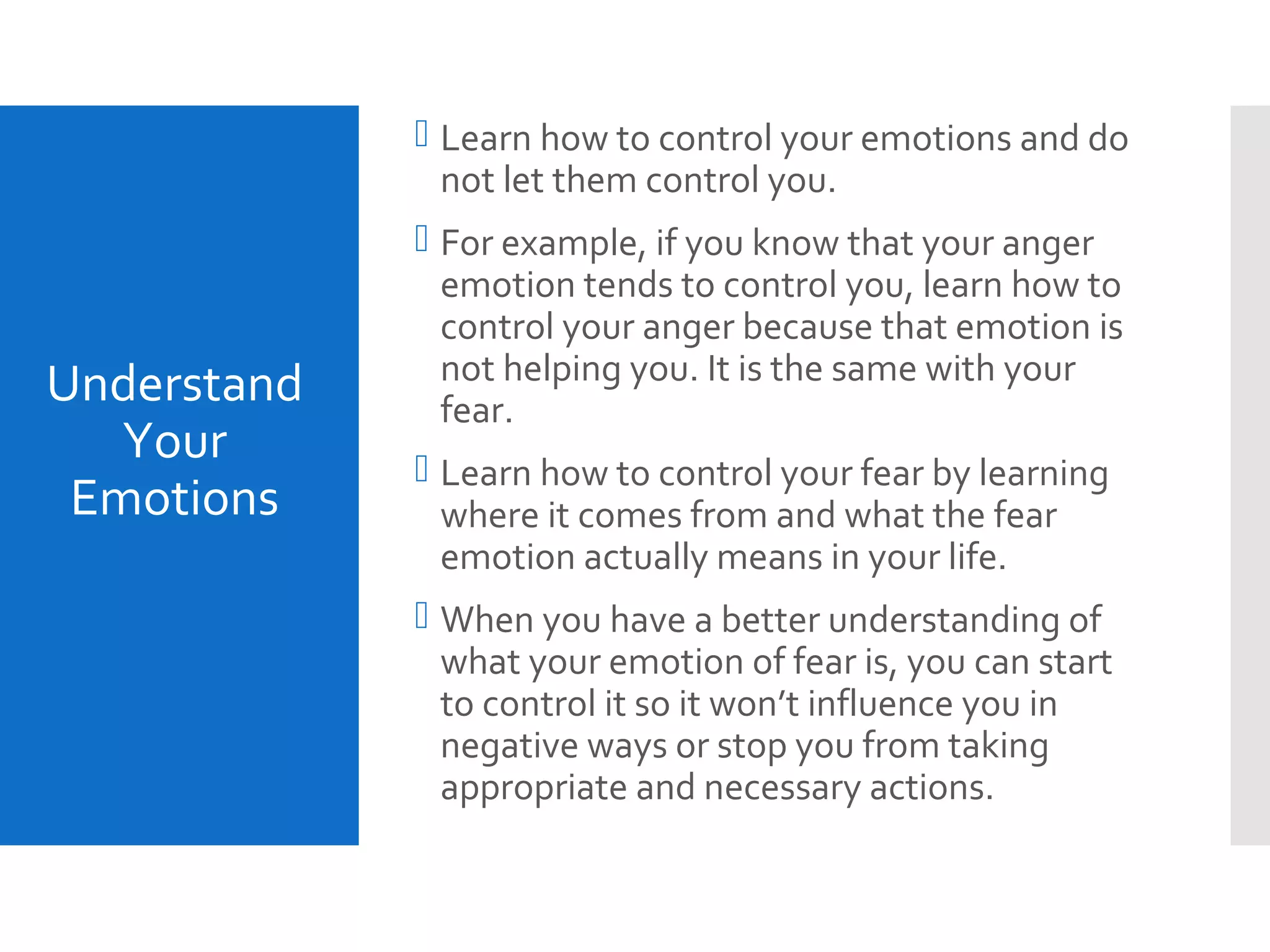
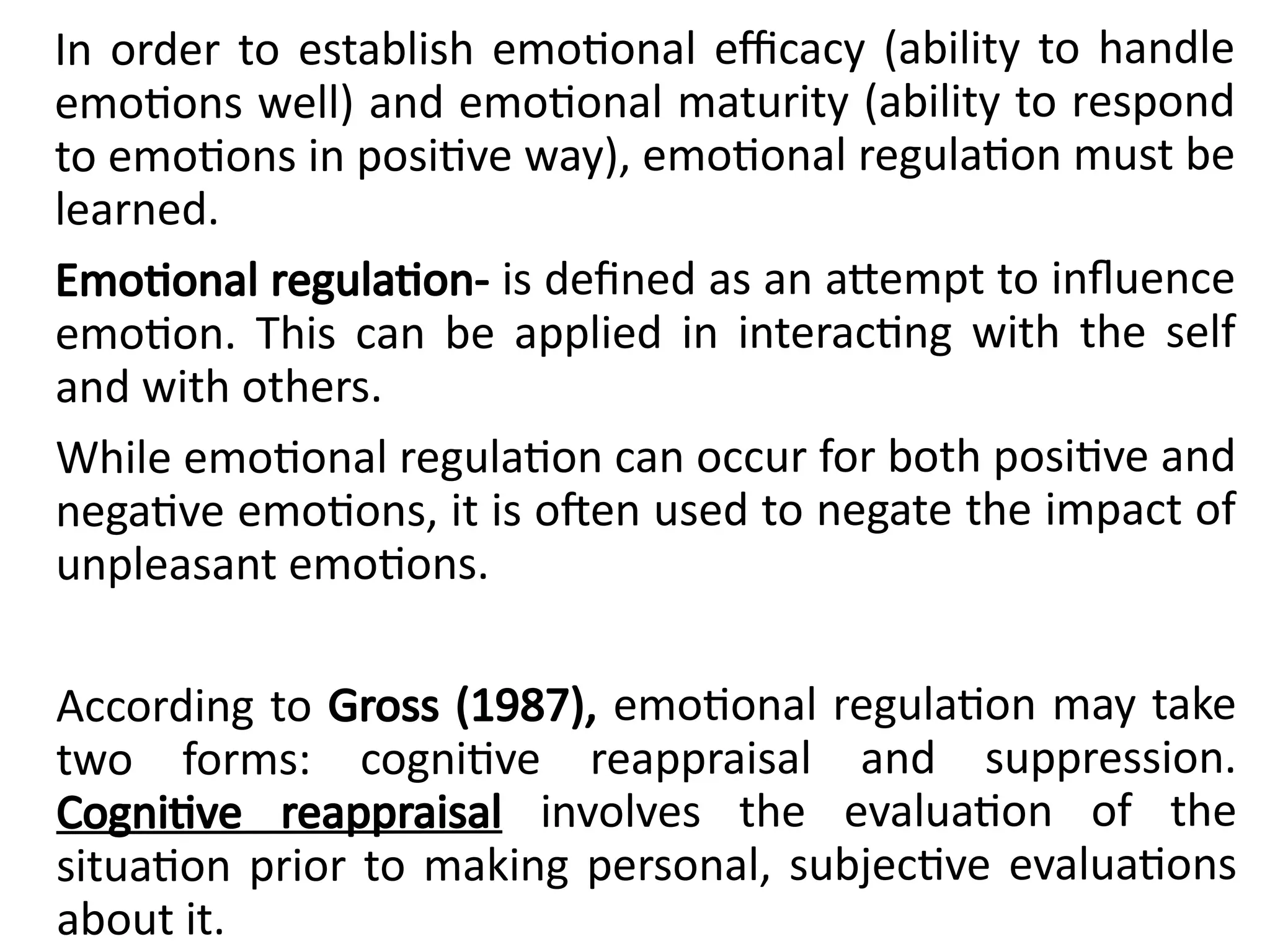
Before mastering specific techniques, it is essential to understand what emotional regulation actually entails. In the psychological landscape of 2026, emotional control is no longer viewed as "suppression"—the act of pushing feelings down—but rather as "regulation," which is the ability to influence which emotions you have, when you have them, and how you experience and express them.
The human brain processes emotions through a complex interplay between the limbic system (the emotional center) and the prefrontal cortex (the executive function center). When an emotional response is triggered, the amygdala often takes over, leading to what psychologists call "amygdala hijack." To control emotions, one must learn to re-engage the prefrontal cortex to provide a balanced perspective. This process is not about eliminating feelings but about ensuring that your rational mind remains in the driver's seat during periods of high stress or sensitivity.
1. Cognitive Reappraisal and Reframing
Cognitive reappraisal is one of the most powerful tools in modern psychology for emotional management. It involves changing the trajectory of an emotion by altering the "story" or interpretation of the event that triggered it. This technique is a cornerstone of Cognitive Behavioral Therapy (CBT) and remains a primary recommendation for emotional stability in 2026.
To practice reappraisal, you must first identify the automatic thought following a stimulus. For example, if a colleague does not reply to an urgent message, your automatic thought might be, "They are disrespecting my time." This thought triggers anger. Reappraisal involves consciously challenging this thought and replacing it with a more neutral or positive alternative: "They might be in an intensive meeting or handling an emergency."
By shifting the belief (the 'B' in the ABC model of emotion), you fundamentally change the emotional consequence ('C'). This isn't about "toxic positivity" or lying to yourself; it is about recognizing that your first interpretation is often a biased or incomplete reaction based on past experiences rather than current facts.
2. The Practice of Affect Labeling
Affect labeling is the simple act of putting your feelings into words. Research in neuroscience has consistently shown that when individuals name their emotions—saying "I feel anxious" or "I am feeling frustrated"—the activity in the amygdala decreases while activity in the right ventrolateral prefrontal cortex increases.
This shift is critical because it creates a "psychological distance" between the self and the emotion. Instead of being the anger, you become an observer of the anger. In 2026, mental health professionals often suggest using more granular language to describe feelings. Instead of saying you feel "bad," try to determine if you feel overwhelmed, neglected, embarrassed, or exhausted. The more specific the label, the more effectively the brain can process and diffuse the intensity of the feeling.
3. Physiological Regulation and the Vagus Nerve
Emotions are not just mental states; they are physical experiences. When you are angry or scared, your heart rate increases, your breathing becomes shallow, and your muscles tense. Controlling your body is often the fastest way to control your mind.
One of the most effective methods for physical regulation is the 4-7-8 breathing technique. By inhaling for four seconds, holding for seven, and exhaling for eight, you actively stimulate the vagus nerve. This nerve is a key component of the parasympathetic nervous system, which is responsible for the body’s "rest and digest" response.
Consistent use of physiological interventions signals to the brain that the "threat" has passed. This is particularly useful in acute situations where cognitive strategies might feel too difficult to execute. By lowering your heart rate and stabilizing your oxygen levels, you provide your brain with the physiological safety it needs to return to a state of calm.
4. Mindfulness and the "Pause"
Mindfulness is the practice of remaining present in the current moment without judgment. In the context of emotional control, mindfulness allows you to notice an emotion as it arises before it dictates your actions. Victor Frankl, a renowned psychiatrist, famously noted that between stimulus and response, there is a space. In that space lies our power to choose our response.
Building this "pause" requires daily practice. In 2026, many individuals use short, two-minute mindfulness intervals throughout the workday to check in with their internal state. This prevents "emotional compounding," where small frustrations build up throughout the day until they explode over a minor incident. When you feel a surge of emotion, try the S.T.O.P. method:
- S: Stop what you are doing.
- T: Take a breath.
- O: Observe your thoughts and physical sensations.
- P: Proceed with an action that aligns with your long-term goals.
5. Situation Selection and Modification
Sometimes the best way to control an emotion is to prevent it from occurring in the first place. This is known as situational regulation.
- Situation Selection: This involves choosing to avoid people, places, or circumstances that you know will trigger an unmanageable emotional response. If a specific social media platform consistently leaves you feeling inadequate, situation selection would involve deleting the app or limiting its use.
- Situation Modification: If you cannot avoid a situation, you can change the environment to lessen the emotional impact. For example, if you find holiday dinners stressful, you might modify the situation by planning a structured activity, like a board game, to redirect the group's focus away from sensitive topics.
These strategies are proactive rather than reactive. They require a high degree of self-awareness to recognize patterns in your behavior and the environments that consistently lead to emotional distress.
6. Utilizing Response Modulation
Response modulation occurs at the end of the emotional process. It is what you do after the emotion has already been triggered and felt. While earlier strategies focus on prevention or changing the feeling, response modulation focuses on controlling the expression of that feeling.
Common forms of response modulation include exercise, journaling, or temporary distraction. For instance, if you are experiencing intense sadness, going for a vigorous run can help process the cortisol and adrenaline associated with emotional stress. Journaling allows you to externalize the emotion, moving it from your internal consciousness onto paper, which often provides a sense of relief and clarity. In 2026, the use of "digital journaling" and AI-assisted mood tracking has become a common way for individuals to spot trends in their emotional responses and modulate them more effectively over time.
7. Professional Integration: CBT and DBT Techniques
For those who find that self-help strategies are not enough to manage intense emotional swings, professional therapeutic frameworks provide structured ways to regain control. Two of the most validated frameworks are Cognitive Behavioral Therapy (CBT) and Dialectical Behavior Therapy (DBT).
DBT, in particular, is designed specifically for individuals who experience very intense emotions. It teaches "Distress Tolerance" skills, such as the TIPP skills:
- T: Temperature (changing your body temperature with cold water to reset the nervous system).
- I: Intense Exercise.
- P: Paced Breathing.
- P: Paired Muscle Relaxation.
Working with a licensed therapist allows you to identify deep-seated "schemas" or core beliefs that may be making your emotional reactions more volatile than necessary. In 2026, access to these therapies has expanded through telehealth and structured digital programs, making it easier than ever to integrate professional mental health support into a daily routine.
Comparison of Emotional Control Techniques
The following table compares the seven methods based on their application and the time required to see results.
| Technique | Application Stage | Difficulty | Best For |
|---|---|---|---|
| Cognitive Reappraisal | Early (Thought stage) | Moderate | Chronic stress, social anxiety |
| Affect Labeling | Mid (Awareness stage) | Easy | Immediate de-escalation |
| Physiological Regulation | Mid (Physical stage) | Easy | Panic, acute anger, physical tension |
| Mindfulness/STOP | Continuous | Moderate | Building long-term resilience |
| Situation Selection | Pre-emptive | Easy/Moderate | Preventing known triggers |
| Response Modulation | Late (Action stage) | Moderate | Processing feelings after they occur |
| Therapeutic Modalities | Long-term | High | Complex trauma, personality disorders |
Common Mistakes in Emotional Management
One of the most frequent errors people make is attempting to suppress emotions rather than regulate them. Suppression—actively trying not to feel or show an emotion—has been linked to increased cardiovascular stress and a "rebound effect," where the emotion returns later with even greater intensity.
Another mistake is judgment. When people feel an "unwanted" emotion like jealousy or rage, they often feel guilty for having the feeling. This "meta-emotion" (feeling bad about feeling bad) adds a secondary layer of distress. Successful emotional control involves accepting the initial feeling as a data point without judging yourself for it, then deciding how to act.
Frequently Asked Questions
Is it healthy to always control your emotions?
Control should not be confused with elimination. It is healthy to regulate emotions so they do not lead to destructive behavior, but it is equally important to allow yourself to feel and process them. Total emotional detachment can lead to a lack of empathy and internal burnout.
How long does it take to master these techniques?
Physiological techniques like deep breathing can work in seconds. However, cognitive habits like reappraisal usually take 4–8 weeks of consistent daily practice to become automatic. Brain plasticity ensures that the more you practice, the stronger the neural pathways for regulation become.
Can diet and sleep affect my emotional control?
Absolutely. In 2026, the link between the gut microbiome and emotional stability is well-established. Lack of sleep impairs the prefrontal cortex's ability to regulate the amygdala, making you significantly more reactive. A stable foundation of physical health is a prerequisite for effective emotional management.
What is the best technique for immediate anger?
The combination of the Pause (STOP method) and Physiological Regulation (4-7-8 breathing) is generally considered the most effective for immediate anger. These tools address both the mental impulse and the physical surge of adrenaline simultaneously.
Should I seek professional help for my emotions?
If your emotions consistently interfere with your ability to work, maintain relationships, or perform daily tasks, or if you feel a sense of hopelessness, seeking help from a licensed mental health professional is recommended. Therapeutic interventions provide tools that self-guided methods often cannot.
Practical Recommendation for Next Actions
To begin improving your emotional control today, start with affect labeling. Throughout the next 24 hours, whenever you feel a shift in your mood, silently name the emotion as specifically as possible. Pair this with one minute of 4-7-8 breathing if the emotion feels intense. By starting with these two low-barrier techniques, you build the foundational self-awareness and physiological calm necessary to implement more complex strategies like cognitive reappraisal later. For more structured guidance, consider exploring APA resources on emotional health or consulting with a counselor to tailor these strategies to your specific life circumstances.
Image Gallery