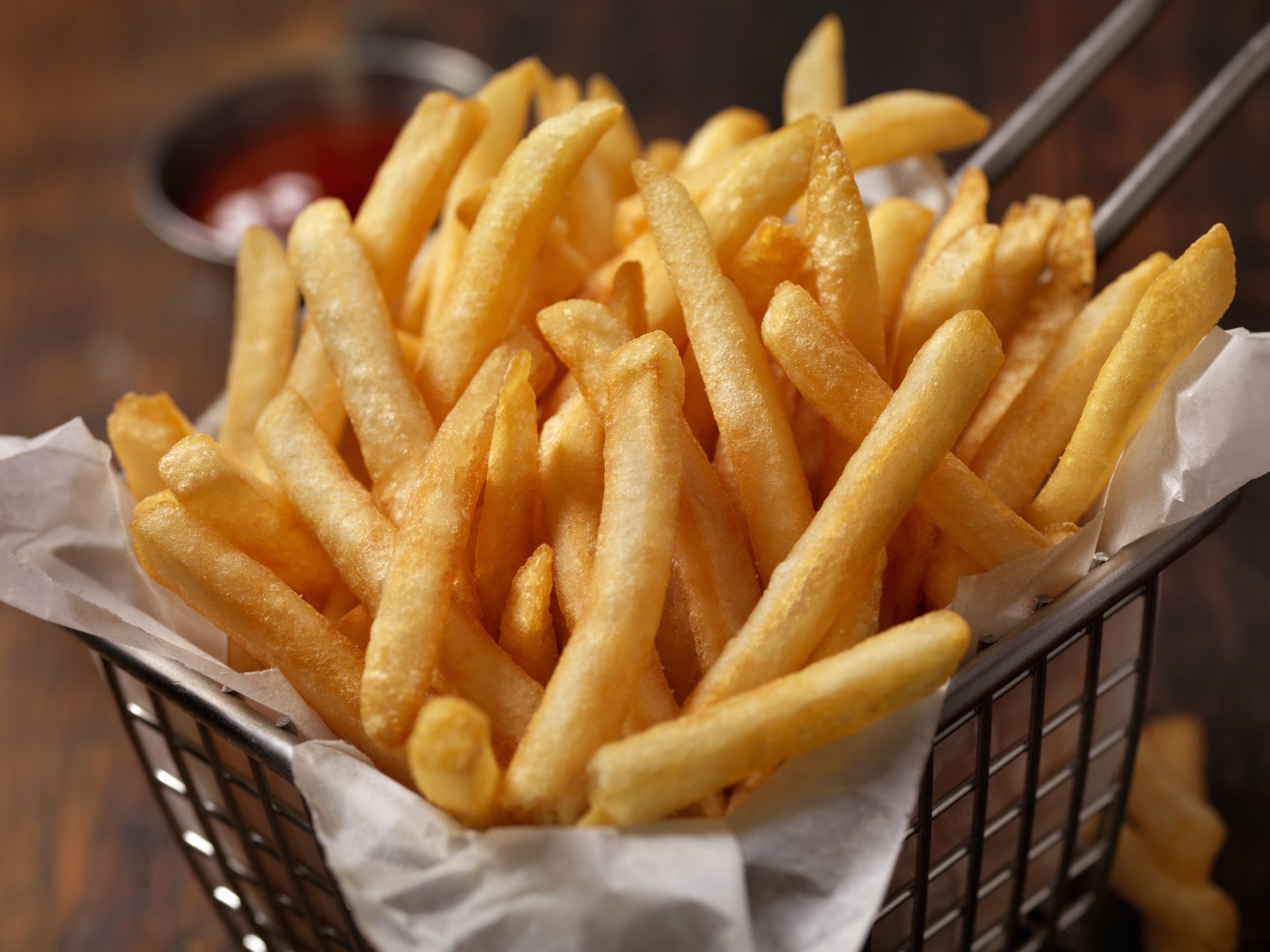
What French Fries Do to Your Body: Short-Term Effects and Long-Term Health Impacts
Eating french fries triggers a rapid surge in blood glucose, a sharp insulin response, and a temporary decline in blood vessel elasticity due to the combination of refined carbohydrates, high sodium, and oxidized fats. Over time, frequ...
Eating french fries triggers a rapid surge in blood glucose, a sharp insulin response, and a temporary decline in blood vessel elasticity due to the combination of refined carbohydrates, high sodium, and oxidized fats. Over time, frequent consumption promotes chronic inflammation, unfavorable cholesterol shifts, visceral weight gain, and an elevated risk for type 2 diabetes and cardiovascular disease.
Contents
Disclaimer: This article is for informational purposes only and does not constitute formal medical or nutritional advice. Consult a qualified healthcare professional or registered dietitian regarding personal dietary decisions and chronic health management.
The Immediate Physiological Response: Hours After Eating French Fries
The transformation of a whole potato into a deep-fried french fry fundamentally alters how human physiology processes its components. When you consume a serving of french fries, your digestive system, metabolic network, and vascular system react within minutes to hours.
Rapid Blood Sugar and Insulin Spikes
Potatoes naturally possess a high glycemic index (GI), meaning their complex starches break down rapidly into simple glucose units during digestion. Frying accelerates this processing dynamic. Strip-cut potatoes lose moisture during deep frying while absorbing oil, creating a dense, easily digestible starch matrix.
As digestion begins in the mouth with salivary amylase and continues in the small intestine, glucose enters the bloodstream rapidly. The pancreas responds by secreting substantial amounts of insulin to transport glucose out of the bloodstream and into liver and muscle cells. Because french fries lack meaningful dietary fiber to slow down absorption, blood sugar peaks sharply. This rapid crest is frequently followed by a rapid drop—often referred to as a "sugar crash"—which can trigger fatigue, difficulty concentrating, and renewed hunger cues shortly after eating.
Temporary Vascular Stiffness and Endothelial Dysfunction
Beyond carbohydrate processing, the high concentration of thermal fats and sodium in french fries exerts immediate pressure on the cardiovascular system. Research documented in medical literature demonstrates that consuming a single high-fat, high-sodium meal leads to transient endothelial dysfunction. The endothelium—the thin inner lining of blood vessels—regulates vascular tone by releasing nitric oxide, which allows arteries to dilate.
Ingesting deeply oxidized fats (common in commercial frying vats reused over long operational cycles) temporary suppresses nitric oxide production. Consequently, arteries become stiffer and less capable of expanding in response to blood flow changes for two to six hours post-meal. Simultaneously, the elevated sodium intake draws water into the bloodstream, transiently increasing fluid volume and blood pressure.
Delayed Gastric Emptying and Digestive Load
While the refined starches convert to glucose quickly, the substantial fat content of french fries slows down gastric emptying—the rate at which food exits the stomach into the small intestine. Fats stimulate the release of cholecystokinin (CCK), a hormone that signals the stomach to delay emptying to allow adequate time for bile breakdown. This combination of rapid starch digestion alongside delayed stomach emptying can lead to symptoms of bloating, abdominal heaviness, and indigestion, particularly in individuals prone to acid reflux or gastroesophageal reflux disease (GERD).
Long-Term Health Consequences of Regular Consumption
While an occasional portion of french fries is easily managed by a healthy body, regular intake—defined in long-term observational studies as two or more servings per week—engenders structural and functional changes across multiple organ systems.
- Deep-Fried French Fry Intake
- Glycemic Load
- Hyperinsulinemia
- Insulin Resistance
- Hyperinsulinemia
- Oxidized Fats
- LDL Oxidation
- Atherosclerosis
- LDL Oxidation
- High Sodium
- Fluid Retention
- Hypertension
- Fluid Retention
- Cardiometabolic Disease Risk
- Glycemic Load
Cardiovascular System and Lipid Profile Alterations
Commercial frying methods frequently utilize oils high in saturated fats or stability-enhanced vegetable oils rich in omega-6 fatty acids. When exposed to extreme temperatures repeatedly, these oils undergo thermal oxidation, generating free radicals, polymers, and polar compounds.
Regularly consuming these oxidized fats alters the body's circulating lipid profile:
- Elevated Low-Density Lipoprotein (LDL): High saturated fat intake reduces the clearance of LDL particles from the bloodstream, allowing circulating cholesterol levels to rise.
- Small, Dense LDL Particle Formation: Oxidized lipids alter the structural composition of LDL molecules, making them smaller, denser, and far more prone to penetrating arterial walls.
- Decreased High-Density Lipoprotein (HDL) Efficiency: High intakes of fried fats can impair the reverse cholesterol transport capacity of HDL, diminishing the body's ability to clear arterial plaque build-up.
Over years, this pattern promotes atherosclerosis—the hardening and narrowing of arteries—significantly increasing the statistical risk of coronary artery disease, myocardial infarction (heart attack), and ischemic stroke. The American Heart Association explicitly recommends limiting fried foods to maintain ideal cardiovascular metrics.
Insulin Resistance and Type 2 Diabetes Progression
The combination of a high glycemic load and high saturated fat intake presents a specific challenge to metabolic health. Continuous demands for high insulin output can eventually overwhelm pancreatic beta-cell function while inducing insulin resistance in peripheral tissues.
When muscle and liver cells are repeatedly exposed to elevated circulating free fatty acids alongside persistent hyperinsulinemia, their intracellular signaling pathways become desensitized. As insulin resistance progresses, the pancreas must work harder to produce even higher quantities of insulin to maintain baseline glucose control. According to long-term cohort analyses published by the Harvard T.H. Chan School of Public Health, regular consumption of fried potato products correlates strongly with an elevated risk of developing type 2 diabetes, independent of baseline body mass index (BMI).
Visceral Fat Accumulation and Metabolic Rate
French fries rank among the most energy-dense foods commonly consumed, offering substantial calories in a low-volume package. A standard medium serving contains between 350 and 500 calories, primarily derived from refined carbohydrates and extracted fats.
Because french fries lack significant protein, water content, and dietary fiber, they exhibit low satiety value. Consuming them rarely triggers the stretch receptors in the stomach long enough to suppress appetite effectively. The excess energy is predominantly stored as adipose tissue. Crucially, diets high in refined starches and fried fats favor the deposition of visceral fat—adipose tissue stored deep within the abdominal cavity surrounding vital organs such as the liver and pancreas. Visceral fat is metabolically active, releasing pro-inflammatory cytokines like interleukin-6 (IL-6) and tumor necrosis factor-alpha (TNF-alpha) into circulation, driving systemic inflammation.
Chemical Byproducts: Acrylamide and Thermal Degradation
Beyond macronutrients, the physical process of frying potatoes creates secondary chemical compounds with established toxicological profiles.
Acrylamide Formation via the Maillard Reaction
When carbohydrate-rich foods containing the amino acid asparagine are cooked at temperatures exceeding 120°C (248°F), a chemical process called the Maillard reaction occurs. This reaction generates the characteristic golden color, crisp texture, and savory flavor of french fries. However, it also produces acrylamide, a chemical byproduct.
- Asparagine (Amino Acid) + Reducing Sugars (Glucose/Fructose)
- Heat > 120°C / 248°F
- Maillard Reaction
- Acrylamide Formation
The U.S. Food and Drug Administration (FDA) monitors acrylamide levels in processed foods because high-dose animal studies classify acrylamide as a potential carcinogen and neurotoxin. While human epidemiologic evidence regarding dietary acrylamide remains under continuous review, public health agencies universally advise reducing exposure by avoiding over-browning or burning starchy foods during frying.
Lipid Peroxidation Compounds
Industrial deep frying vats operate continuously at temperatures between 175°C and 190°C (347°F to 374°F). Under sustained heat, atmospheric oxygen, and residual moisture from potatoes, oil undergoes hydrolysis, oxidation, and polymerization.
This process yields secondary oxidation products, including aldehydes (such as 4-hydroxy-2-nonenal or HNE), epoxy compounds, and cyclic fatty acid monomers. When ingested, these reactive molecules contribute to oxidative stress within the intestinal epithelium and can be absorbed into systemic circulation, damaging cell membranes and cellular DNA.
Comparing Potato Preparation Methods
The physiological impact of potatoes depends heavily on cooking technique, added fats, and physical preparation. The following table illustrates key nutritional and metabolic differences across standard 100-gram preparations:
| Preparation Method | Average Calories (kcal) | Total Fat (g) | Saturated Fat (g) | Average Sodium (mg) | Relative Glycemic Impact | Acrylamide Risk Level |
|---|---|---|---|---|---|---|
| Commercial Deep-Fried | 312 | 15.0 | 2.5–4.5 | 210–400 | High | High |
| Home Air-Fried (1 tsp oil) | 155 | 4.5 | 0.6 | 120 | Moderate–High | Low–Moderate |
| Oven-Roasted (Olive Oil) | 140 | 5.0 | 0.7 | 100 | Moderate | Low |
| Boiled Whole (Skin On) | 87 | 0.1 | 0.0 | 6 | Moderate | Negligible |
| Microwaved (Skin On) | 93 | 0.1 | 0.0 | 8 | Moderate | Negligible |
Data derived from standard nutritional databases, including the USDA FoodData Central system.
Neurological Factors: Why French Fries Are Easy to Overeat
The human brain processes foods containing high levels of both carbohydrates and fats differently than foods containing only one of these macronutrients. Nature rarely combines high concentrations of refined carbohydrates and lipids in a single food source.
When you consume french fries, the dual sensory input activates the brain's reward centers—specifically the striatum—triggering a surge of dopamine. Research into hyperpalatable foods shows that the simultaneous presence of fat and sugar/starch bypasses natural satiety feedback mechanisms far more effectively than fat or starch alone. This sensory response explains why portion control is notoriously difficult with deep-fried side dishes.
Practical Strategies to Mitigate Health Risks
Eliminating french fries entirely is not strictly mandatory for achieving good health, but modifying consumption frequency and preparation methods significantly alters their biological toll.
1. Shift to Air Frying or Baking
Air frying uses rapid hot-air convection to produce a crispy exterior using up to 80% less oil than commercial deep frying. Lower oil volume dramatically cuts calorie density, total fat, and oxidized lipid intake. Additionally, roasting potatoes at controlled temperatures (below 200°C / 392°F) reduces acrylamide accumulation.
2. Retain the Potato Skin
Commercial fries are almost universally peeled, removing the dietary fiber contained in the potato skin. Leaving the skin intact increases insoluble and soluble fiber content. Fiber acts as a physical barrier in the digestive tract, slowing down carbohydrate breakdown, blunting postprandial glucose spikes, and supporting the gut microbiome.
3. Pre-Soak Potatoes Before Cooking
If preparing fries at home, soaking raw potato slices in cold water for 15 to 30 minutes before cooking leaches out excess surface sugars (such as glucose and fructose). Reducing reducing-sugar levels directly lowers the amount of acrylamide produced during heat exposure.
4. Pair with Protein, Fiber, and Healthy Fats
To minimize the glycemic disruption caused by consuming french fries, eat them alongside foods rich in dietary fiber (such as leafy green vegetables) and lean protein (such as grilled poultry or legumes). Protein and fiber slow the overall gastric emptying rate of the meal, smoothing out the glucose curve and preventing sharp insulin swings.
Frequently Asked Questions
Are air-fried french fries significantly better for your health?
Yes. Air-fried fries contain substantially less total fat, fewer calories, and lower levels of oxidized lipid compounds compared to traditional deep-fried options. However, because they are still made from dense, high-glycemic starches, portion sizes should still be managed by individuals watching their blood sugar levels.
How often can you eat french fries without increasing long-term health risks?
Epidemiological studies indicate that consuming deep-fried potatoes less than once per week carries minimal statistical risk for healthy adults with an active lifestyle. Conversely, eating fried potatoes two or more times per week is consistently linked to an increased risk of overall mortality, obesity, and cardiovascular events.
Do french fries cause brain inflammation or affect mood?
High-fat, highly processed foods can indirectly influence systemic brain health. Regular intake of thermally oxidized fats and refined sugars fosters low-grade systemic inflammation, which can cross the blood-brain barrier and negatively affect neuroplasticity over time. Short-term mood swings are often linked to the rapid blood glucose drop that follows a high-glycemic intake.
Why do commercial french fries taste different from homemade ones?
Commercial chains often use specialized potato varieties bred for high starch density, precook and freeze the fries prior to shipping, and utilize specific frying oil blends containing anti-foaming agents and flavor enhancers. These processes maximize crispiness but increase processing steps and chemical exposure.
Does soaking potatoes in water before frying make them healthier?
Yes. Soaking raw cut potatoes reduces the concentration of simple sugars on the surface of the starch. This reduces the magnitude of the Maillard reaction, significantly lowering the total formation of potential carcinogens like acrylamide during cooking.
Practical Next Steps for Diet Optimization
To maintain metabolic stability while still enjoying potato-based dishes, implement these incremental changes:
- Audit Your Frequency: Track how often you consume commercial fried side dishes each month. Aim to reduce commercial deep-fried choices to an occasional preference rather than a routine staple.
- Upgrade Your Home Cooking: Invest in an air fryer or use traditional oven-baking methods on parchment paper with stable cooking oils like extra virgin olive oil or avocado oil.
- Balance Your Plate: When eating out, consider sharing a portion of fries rather than consuming an entire individual serving, pairing the meal with a high-fiber side salad or fresh vegetables.
- Monitor Health Markers: If you regularly consume fried foods, request routine blood panels during annual physical exams—specifically fast glucose, HbA1c, high-sensitivity C-reactive protein (hs-CRP), and a complete lipid profile—to monitor cardiovascular and metabolic health trends.
Image Gallery