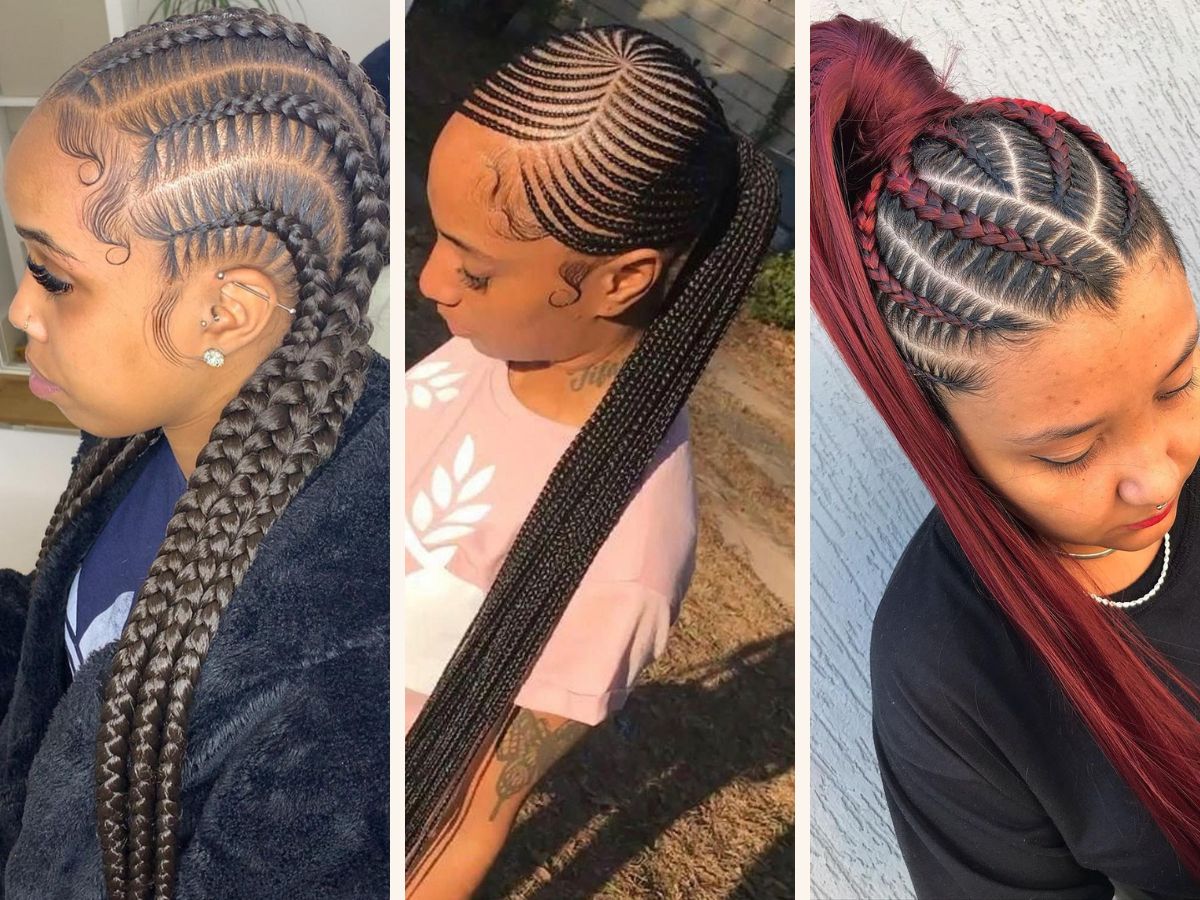
The Ultimate Guide to Feed in Braids to the Back in 2026
Feed in braids to the back remain one of the most sophisticated, versatile, and protective hairstyles in modern Black hair care. Moving away from traditional tight cornrows that cause excessive scalp tension, the modern feed in techniq...
Feed in braids to the back remain one of the most sophisticated, versatile, and protective hairstyles in modern Black hair care. Moving away from traditional tight cornrows that cause excessive scalp tension, the modern feed in technique utilizes a specialized synthetic or human hair addition method. Stylists gradually feed hair extensions into the natural braid, creating a seamless, natural-looking root that mimics actual hair growth. As trends evolve in 2026, this style continues to dominate due to its sleek silhouette, low-maintenance daily routine, and exceptional scalp health preservation when installed correctly. Mastering this style requires an understanding of hair preparation, tension management, synthetic versus human hair selection, and precise post-installation maintenance routines to safeguard natural hair integrity.
Contents
Anatomy of Modern Feed In Braids to the Back
Achieving a flawless, natural-looking set of straight-back feed in braids requires mastering specific structural elements. Unlike traditional cornrows that start thick from the forehead, feed in braids begin with tiny, flat natural hair anchors. The braider adds micro-amounts of extension hair incrementally, preventing sudden bulkiness at the hairline.
- The Foundation Anchors: The initial three to five stitches consist purely of natural hair, creating a flat, secure base that distributes weight evenly across the scalp.
- The Integration Zone: This is where the extension hair enters the braid. Professional braiders ensure smooth tension transitions to eliminate bumps or visible knots.
- The Density Tapering: As the braid travels toward the nape of the neck, the braid size can either remain uniform or taper gracefully, depending on the chosen aesthetic (such as jumbo versus micro feed ins).
- The Nape Security: The hair at the nape is notoriously fine and fragile. Modern 2026 techniques incorporate specialized locking methods at the ends to prevent unraveling without relying on excessive rubber bands or heat sealing.
Essential Hair Preparation and Scalp Hygiene Protocol
Proper preparation before sitting in the stylist chair determines whether your feed in braids will thrive for six weeks or cause premature scalp irritation. Neglecting pre-installation conditioning can trap oils, debris, and dry skin underneath the braids, leading to stubborn itching and buildup.
Professional Pre-Installation Checklist
Clarifying Detox Wash: Strip away persistent product buildup, heavy silicones, and environmental pollutants using a sulfate-free clarifying shampoo followed by a moisture-balancing treatment.
Deep Protein-Moisture Balance: Assess hair elasticity. If strands snap easily, administer a strengthening protein mask followed immediately by a deep-penetrating hydrating conditioner to prevent breakage during tension application.
Complete Blow-Out Stretching: Stretch the natural hair thoroughly using a comb attachment or paddle brush on a medium heat setting. Completely stretched hair ensures the extension fibers glide smoothly without tangling or catching on curly textures.
Step-by-Step Installation Methodology for Professional Results
Executing feed in braids to the back requires precision, finger dexterity, and strict adherence to tension control. Whether you are a professional stylist refining your craft or an advanced DIY enthusiast, following a structured workflow guarantees symmetry and longevity.
- Sectioning and Mapping: Part the hair cleanly using a tail comb. Divide the head into vertical rows flowing from the front hairline straight back to the nape. Secure each section with duckbill clips to maintain absolute parting precision.
- The Micro-Start Creation: Take a very thin slice of hair at the front hairline. Begin a standard underhand cornrow (Dutch braid) for three consecutive cycles without adding any extension hair.
- The First Feed-In: Take a small, pre-pulled pinch of synthetic or human hair extension. Fold it over your index finger and tuck it underneath the middle strand of your natural hair section before executing the next stitch.
- Incremental Additions: Continue braiding down the shaft, introducing micro-pinches of extension hair every two to three stitches. Maintain consistent pulling angles parallel to the scalp to eliminate acute pulling forces on delicate follicles.
- Securing the Tail: Once you reach the nape of the neck, continue braiding the remaining hair to the very tips without adding more bulk. Dip the ends in hot water if utilizing standard synthetic kanekalon hair to seal them securely, or secure human hair ends with specialized small elastic bands.
Comparing Extension Fiber Types for Feed In Braids
Choosing the correct hair extension fiber impacts the weight, sheen, longevity, and overall comfort of your straight-back braids. The table below outlines the primary fiber categories utilized in 2026 hair styling standards.
| Fiber Type | Weight & Comfort | Maintenance & Longevity | Best Suited For |
|---|---|---|---|
| Pre-Stretched Kanekalon | Ultra-lightweight; textured finish prevents slippage. | Moderate; lasts 4 to 6 weeks with minimal frizz. | Everyday protective styles, athletic lifestyles, and quick installations. |
| Virgin Human Hair | Heavy; requires careful moisture management. | High; can be washed, dyed, and reused multiple times. | Luxury styling, natural-looking root blending, and scalp-sensitive clients. |
| X-Pression Anti-Itch Fiber | Light; chemically treated to repel bacteria and salt residue. | High longevity; resists tangling and environmental humidity. | Sensitive scalps, swimmers, and individuals prone to synthetic allergic reactions. |
Comprehensive Pros and Cons Analysis
Evaluating the advantages and drawbacks of feed in braids to the back ensures you make an informed decision aligned with your hair goals and lifestyle.
Advantages
- Protective Nature: Shields natural ends from harsh environmental elements, mechanical manipulation, and daily styling stress.
- Natural Aesthetic: Eliminates the bulky, unnatural knots common in traditional box braids or older cornrow methods.
- Scalp Accessibility: The spaces between straight-back rows allow for effortless cleaning, oiling, and moisture application compared to dense, closed grid parts.
- Versatility: Can be styled into high ponytails, buns, or left flowing freely down the back.
Disadvantages
- Tension Risk: Improper installation by inexperienced hands can lead to traction alopecia or severe hairline recession.
- Initial Tenderness: The scalp requires a 24 to 48-hour adjustment period where mild tightness may occur.
- Maintenance Commitment: Requires nightly wrapping and regular scalp cleansing to prevent odor and lint accumulation.
- Shorter Lifespan: Because the style lies flat against the scalp, new hair growth becomes visible quicker than with bulky box braids, typically requiring takedown after 4 to 6 weeks.
Advanced Maintenance and Scalp Care Routine
Maintaining feed in braids to the back requires a disciplined regimen to keep the scalp healthy and the style looking fresh. Neglecting maintenance leads to premature fuzziness and trapped sebum.
- Nighttime Preservation: Always wrap your hair with a high-quality silk or satin scarf. Secure the edges firmly to prevent friction-induced frizz. Sleep on a satin pillowcase to reduce moisture absorption.
- Targeted Scalp Cleansing: Avoid soaking your head daily. Instead, use a cotton ball soaked in witch hazel or a specialized braid rinse to cleanse the scalp lines once a week.
- Lightweight Hydration: Apply a lightweight, non-comedogenic oil (such as jojoba or peppermint oil) sparingly along the parts using a dropper bottle to maintain scalp elasticity and prevent flaking.
- Edge Management: Refrain from applying heavy gels or edge controls daily, as product buildup suffocates the hairline and causes follicle weakening.
Frequently Asked Questions
How long do feed in braids to the back typically last?
Feed in braids to the back typically last between 4 to 6 weeks. Leaving them in past the 6-week mark increases the risk of matting, locking at the root, and excessive natural hair breakage.
Will feed in braids damage my natural hairline?
When installed with correct tension and without pulling the hair too tightly from the follicle, feed in braids are considered a safe protective style. Damage only occurs due to excessive tension, heavy extension bundles, or keeping the style in for too long.
Can I wash my hair while wearing feed in braids?
Yes, you can wash your hair while wearing feed in braids, but it should be done carefully every two weeks. Use a diluted shampoo mixture, apply it gently along the parts, rinse thoroughly with lukewarm water, and sit under a hooded dryer until completely dry to prevent mildew.
What is the difference between feed in braids and traditional cornrows?
Traditional cornrows use extension hair added all at once from the very beginning of the braid, often creating a bulky knot at the hairline. Feed in braids add extension hair in micro-increments gradually, resulting in a flat, natural root that mimics real hair growth.
How do I prevent my feed in braids from getting frizzy too quickly?
To prevent premature frizz, always sleep with a satin scarf, avoid touching or manipulating the braids constantly, and apply a lightweight mousse wrapped with a silk scarf for 10 minutes to flatten stray hairs.
Are human hair or synthetic extensions better for straight-back feed ins?
Synthetic pre-stretched Kanekalon is generally preferred for its lightweight texture and grip, which keeps straight-back braids neat longer. Human hair is softer and more natural-looking but requires significantly more daily maintenance to retain its sleek appearance.
Schedule Your Professional Styling Consultation Today
Transform your look and protect your natural hair with expertly crafted feed in braids to the back. Contact our professional styling studio today to schedule a personalized hair health assessment, select premium extension fibers tailored to your scalp sensitivity, and achieve a flawless, tension-balanced installation designed to last.
Image Gallery