Is Lysine an Essential Amino Acid? Biological Role, Requirements, and Sources
Yes, lysine is an essential amino acid. Because the human body cannot synthesize lysine de novo, it must be obtained entirely through dietary sources or supplementation. Lysine plays a critical role in protein synthesis, collagen forma...
Yes, lysine is an essential amino acid. Because the human body cannot synthesize lysine de novo, it must be obtained entirely through dietary sources or supplementation. Lysine plays a critical role in protein synthesis, collagen formation, hormone and enzyme production, calcium absorption, and cellular energy metabolism through carnitine biosynthesis.
Contents
What Makes Lysine an Essential Amino Acid?
Amino acids serve as the fundamental building blocks of proteins, which construct cellular structures, catalyze metabolic reactions, and regulate physiological signaling. In human biochemistry, the 20 standard amino acids are categorized into three groups: essential, non-essential, and conditionally essential.
- Essential amino acids cannot be synthesized by human cells at a rate sufficient to meet physiological demands. They must be supplied regularly through food.
- Non-essential amino acids can be produced internally from metabolic intermediates.
- Conditionally essential amino acids become essential only during specific physiological states, such as severe illness, premature birth, or extreme trauma.
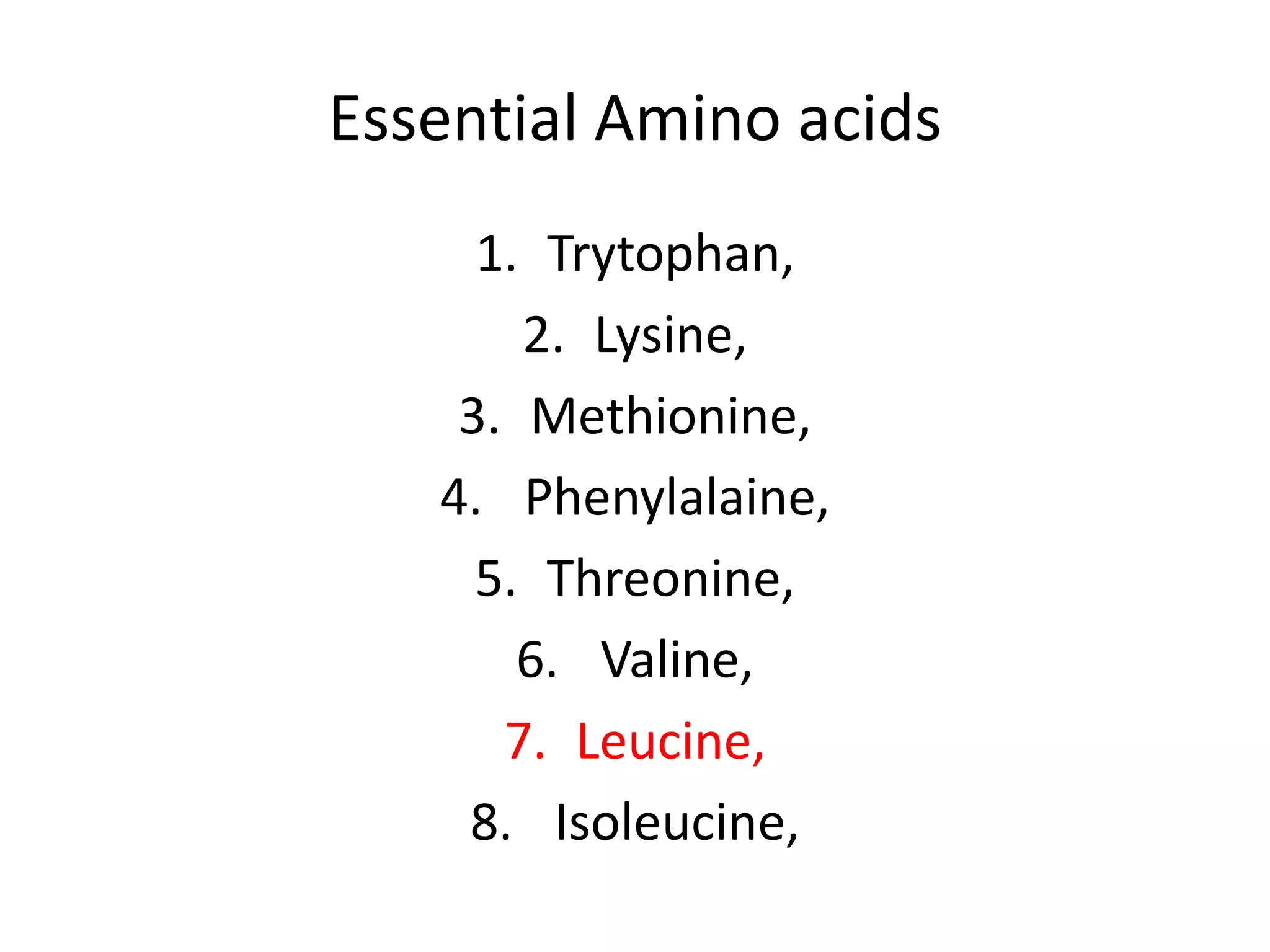
Lysine (specifically L-lysine, the biologically active enantiomer) belongs strictly to the category of essential amino acids, alongside histidine, isoleucine, leucine, methionine, phenylalanine, threonine, tryptophan, and valine.
Why Humans Cannot Synthesize Lysine
Plants, bacteria, and fungi synthesize lysine through complex metabolic pathways—specifically the diaminopimelate (DAP) pathway in plants and bacteria, or the $\alpha$-aminoadipate (AAA) pathway in fungi. These pathways require specific enzymes, such as aspartate kinase and diaminopimelate decarboxylase, which convert L-aspartate or $\alpha$-ketoglutarate into lysine through multiple enzymatic steps.
Humans and other higher animals lack the functional gene sequences required to encode these biosynthetic enzymes. Consequently, human metabolic pathways cannot construct the basic carbon skeleton of lysine. If dietary intake of lysine falls below baseline physiological needs, the body cannot compensate by producing it internally, leading to a negative nitrogen balance and impaired protein synthesis.
Chemical Structure and Properties
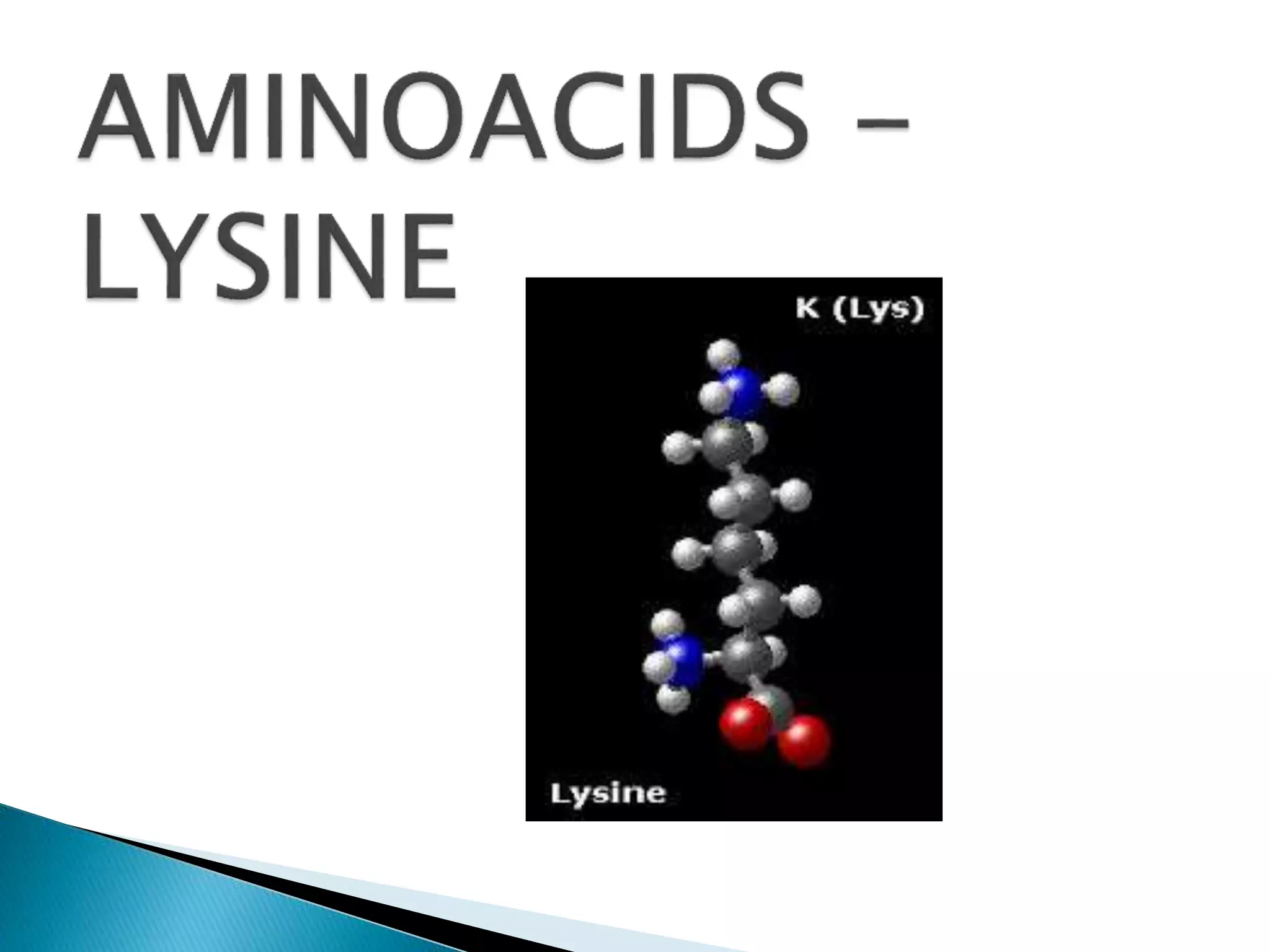
Chemically, L-lysine ($\text{C}6\text{H}{14}\text{N}_2\text{O}_2$) is an $\alpha$-amino acid containing an $\alpha$-amino group, an $\alpha$-carboxylic acid group, and a four-carbon aliphatic side chain ending in a primary $\epsilon$-amino (epsilon-amino) group. Because its side chain contains a basic nitrogen atom, lysine is classified as a positively charged (cationic), basic amino acid at physiological pH.
- H2N - C - C - OH
- H
- O
- (CH2)4
- NH2
The reactive $\epsilon$-amino group gives lysine unique chemical properties, allowing it to participate in hydrogen bonding, ionic interactions, and post-translational protein modifications such as methylation, acetylation, ubiquitination, and hydroxylation.
Key Biological Functions of Lysine in the Human Body
Lysine is integral to structural integrity, metabolic energy production, nutrient transport, and immune defenses.
- Dietary L-Lysine
- Collagen Hydroxylation
- Bone & Tissue Integrity
- Trimethylation
- Carnitine & Fat Oxidation
- Positive Ca2+ Balance
- Intestinal Absorption & Retention
- Collagen Hydroxylation
1. Collagen Synthesis and Tissue Repair
Collagen is the primary structural protein in the human body, providing mechanical strength to skin, tendons, ligaments, cartilage, blood vessels, and bone matrix. Lysine plays an irreplaceable role in collagen maturation.
During collagen biosynthesis, specific lysine residues within the polypeptide chains undergo post-translational modification catalyzed by the enzyme lysyl hydroxylase. This reaction converts lysine into hydroxylysine, a specialized amino acid residue. Hydroxylysine residues form covalent cross-links between adjacent collagen molecules, transforming loose collagen strands into stable, rigid triple-helix fibrils.
Without sufficient lysine and necessary enzyme cofactors (such as Vitamin C and iron), structural tissues lose structural stability, leading to delayed wound healing, fragile skin, and compromised vascular walls.
2. Carnitine Biosynthesis and Energy Transport
Lysine serves as the metabolic precursor for L-carnitine, a derivative required for cellular energy production. Carnitine functions as a transport molecule that carries long-chain fatty acids across the inner mitochondrial membrane into the mitochondrial matrix, where they undergo $\beta$-oxidation to produce adenosine triphosphate (ATP).
The conversion of lysine to carnitine begins when peptide-bound lysine residues are methylated to yield trimethyllysine. Following proteolysis, trimethyllysine undergoes four enzymatic conversions in the liver and kidneys to form L-carnitine. A deficiency in dietary lysine can deplete bodily carnitine stores, impairing fatty acid metabolism and reducing systemic cellular energy levels.
3. Calcium Absorption and Retention
Lysine influences mineral homeostasis, particularly calcium ($\text{Ca}^{2+}$) management. Research indicates that lysine enhances the intestinal absorption of dietary calcium while simultaneously reducing the renal excretion of calcium in urine.
By improving calcium conservation, lysine supports bone mineral density and matrix calcification. This interaction makes adequate lysine intake vital for maintaining skeletal health across the lifespan, particularly in aging populations susceptible to osteopenia or osteoporosis.
4. Immune Function and Viral Interaction
Lysine supports the immune system by serving as a substrate for immunoglobulins (antibodies) and cytokines involved in immune defense.
Lysine also shares a competitive biochemical relationship with arginine, another amino acid. Certain viruses, most notably Herpes Simplex Virus (HSV-1 and HSV-2), rely on arginine-rich proteins to replicate within host cells. Lysine competes with arginine for cellular transport mechanisms and enzymatic uptake. High ratios of lysine relative to arginine can inhibit viral replication cycles in vitro, leading to the common therapeutic use of lysine supplements for managing cold sores.
Daily Lysine Requirements and Guidelines
The body's requirement for lysine depends on age, body weight, developmental stage, and physical activity levels. The World Health Organization (WHO), Food and Agriculture Organization (FAO), and United Nations University (UNU) established baseline recommendations for amino acid intakes based on nitrogen balance studies.
Dietary Reference Intakes (WHO/FAO/UNU Guidelines)
| Population / Age Group | Lysine Requirement (mg per kg of body weight / day) | Estimated Daily Total for Average Weight |
|---|---|---|
| Infants (0–6 months) | ~64 mg/kg/day | ~380–600 mg/day |
| Children (1–3 years) | ~45 mg/kg/day | ~550–700 mg/day |
| Children (4–13 years) | ~35–40 mg/kg/day | ~900–1,600 mg/day |
| Adolescents (14–18 years) | ~35 mg/kg/day | ~1,800–2,100 mg/day |
| Adults (19+ years) | ~30 mg/kg/day | ~2,100–2,500 mg/day (for 70–80 kg adult) |
| Pregnant & Lactating Women | ~38–45 mg/kg/day | ~2,500–3,100 mg/day |
For an average adult weighing 70 kg (154 lbs), the daily recommended minimum intake of lysine is approximately 2,100 mg (2.1 grams). Athletes engaging in intensive endurance or strength training may require higher intakes (up to 35–45 mg/kg/day) to support skeletal muscle tissue repair and turnover.
Top Dietary Sources of Lysine
Lysine is abundant in animal-based protein sources, high-protein plant foods such as legumes and soy products, and certain seeds. Cereal grains (such as wheat, rice, and corn) are relatively low in lysine, making lysine the primary limiting amino acid in grain-heavy diets.
Lysine Content in Common Foods
The table below details the lysine and total protein content across various dietary sources based on standard 100-gram cooked portions:
| Food Item | Category | Serving Size | Lysine Content (mg) | Total Protein (g) | Lysine Density (mg per g protein) |
|---|---|---|---|---|---|
| Chicken Breast (roasted) | Animal Protein | 100 g | 2,670 mg | 31.0 g | ~86 mg/g |
| Lean Beef (cooked) | Animal Protein | 100 g | 2,740 mg | 26.5 g | ~103 mg/g |
| Salmon (cooked) | Animal Protein | 100 g | 2,210 mg | 25.4 g | ~87 mg/g |
| Whole Eggs (boiled) | Animal Protein | 100 g | 900 mg | 12.6 g | ~71 mg/g |
| Parmesan Cheese | Dairy | 100 g | 3,170 mg | 35.8 g | ~88 mg/g |
| Firm Tofu | Plant Protein | 100 g | 950 mg | 15.8 g | ~60 mg/g |
| Lentils (cooked) | Plant Protein | 100 g | 630 mg | 9.0 g | ~70 mg/g |
| Black Beans (cooked) | Plant Protein | 100 g | 610 mg | 8.9 g | ~68 mg/g |
| Pumpkin Seeds (roasted) | Seeds/Nuts | 100 g | 1,380 mg | 30.1 g | ~46 mg/g |
| White Rice (cooked) | Cereal Grain | 100 g | 150 mg | 2.7 g | ~55 mg/g |
| Whole Wheat Bread | Cereal Grain | 100 g | 290 mg | 13.0 g | ~22 mg/g |
The "Limiting Amino Acid" Concept and Plant-Based Diets
In nutritional science, a limiting amino acid is an essential amino acid present in a food in the smallest amount relative to human requirement. When a food is low in one essential amino acid, overall protein synthesis is restricted to the level permitted by that limiting amino acid.
- Cereal grains (wheat, corn, rice, rye) are notoriously low in lysine but high in methionine and cysteine.
- Legumes (beans, lentils, peas, chickpeas) are rich in lysine but relatively lower in sulfur-containing amino acids (methionine and cysteine).
Individuals following strict vegan or vegetarian diets do not need to consume complementary proteins within the exact same meal. However, consuming a diverse array of plant foods throughout the day—pairing grains with legumes, soy products, or seeds—ensures that total daily lysine requirements are fully satisfied.
Lysine Deficiency: Causes, Symptoms, and Risk Factors
Because lysine is required for structural, enzymatic, and metabolic processes, long-term dietary inadequacy leads to systemic physiological dysfunction.
Symptoms of Deficiency
- Loss of Appetite and Fatigue: Reduced energy output stemming from impaired carnitine synthesis and altered neurotransmitter levels.
- Muscle Wasting and Anemia: Difficulty maintaining lean muscle mass, alongside decreased red blood cell production due to inadequate protein synthesis.
- Delayed Wound Healing: Impaired collagen hydroxylase activity leading to fragile skin tissue and slow recovery from cuts or surgical procedures.
- Suppressed Immune Response: Reduced capacity to synthesize defense immunoglobulins, leading to heightened susceptibility to infections.
- Growth Retardation in Children: Impaired longitudinal bone growth and tissue development caused by insufficient protein building blocks.
- Reproductive Dysfunction: Altered hormonal synthesis resulting in disruptions to reproductive health.
High-Risk Populations
- Vegans Relying Heavily on Unfortified Grains: Individuals who consume high quantities of wheat, corn, or rice without adequate legumes, tofu, tempeh, or nuts may fail to reach the recommended 30 mg/kg/day threshold.
- Elderly Individuals with Malnutrition: Decreased overall appetite, poor dental health, or impaired digestive absorption can lead to inadequate total protein intake.
- Burn Victims and Trauma Patients: Severe tissue damage markedly increases systemic demand for protein and amino acids required for collagen matrix assembly.
- Individuals with Malabsorption Disorders: Conditions like celiac disease, Crohn's disease, or short bowel syndrome can impair amino acid uptake in the small intestine.
Lysine Supplementation: Therapeutic Uses and Safety
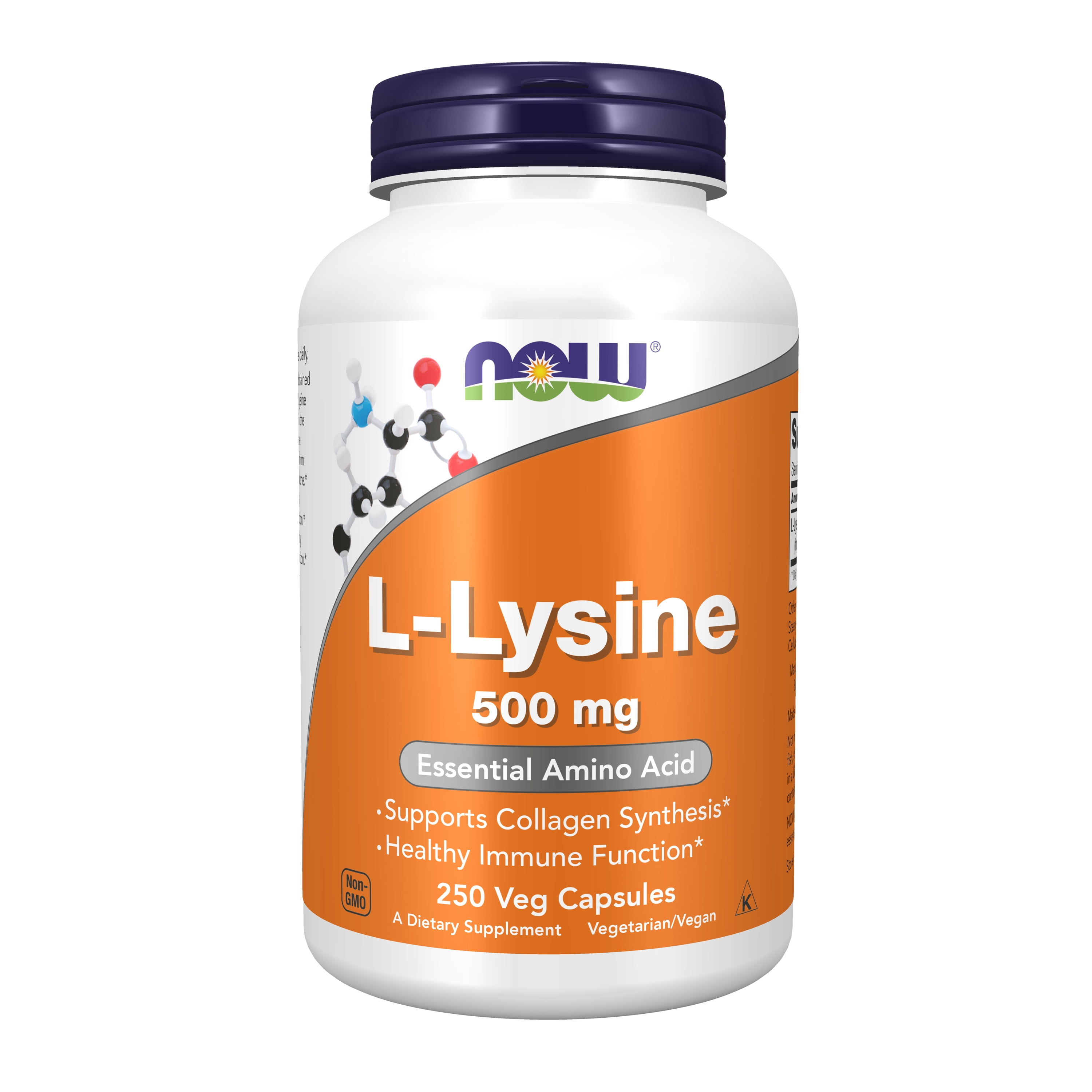
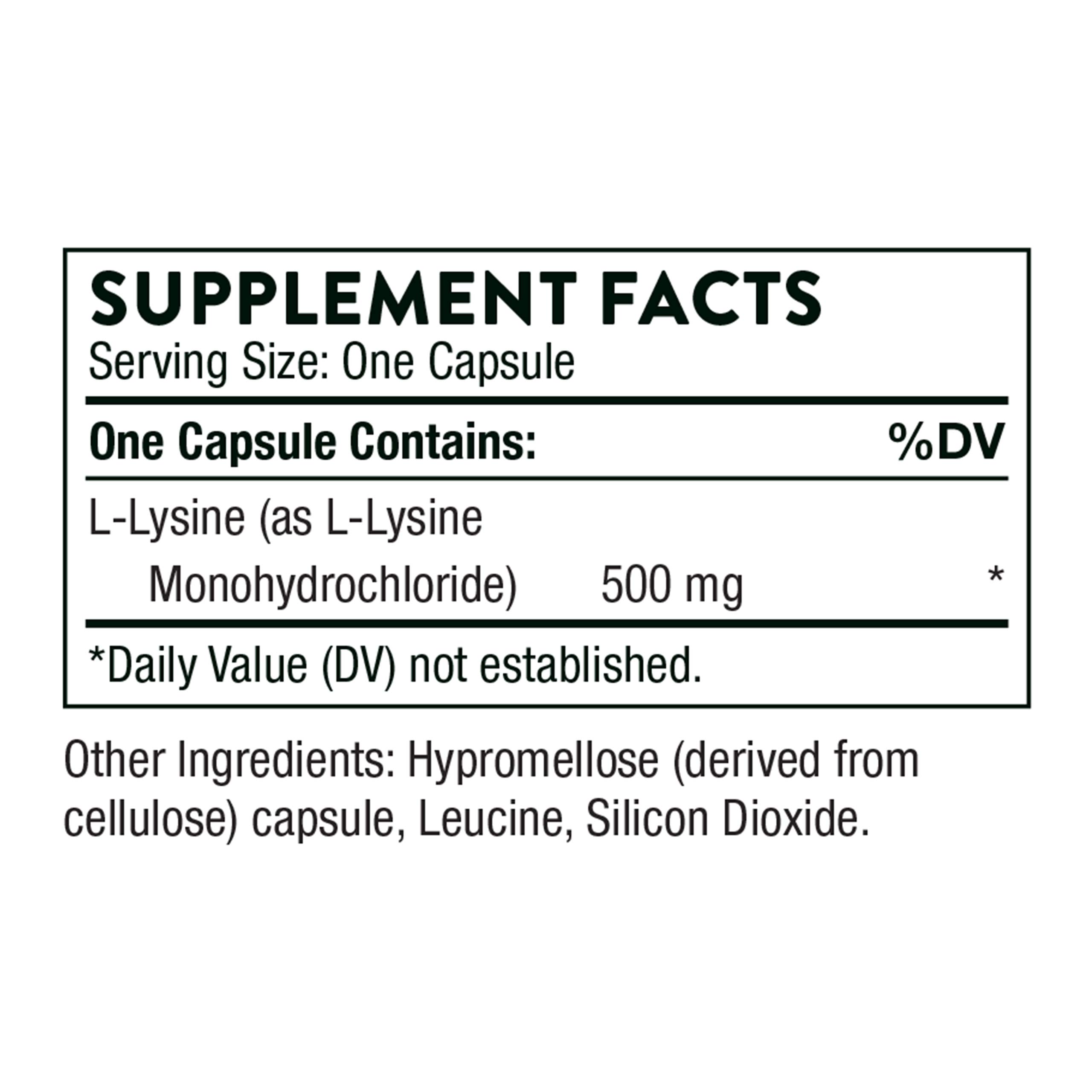
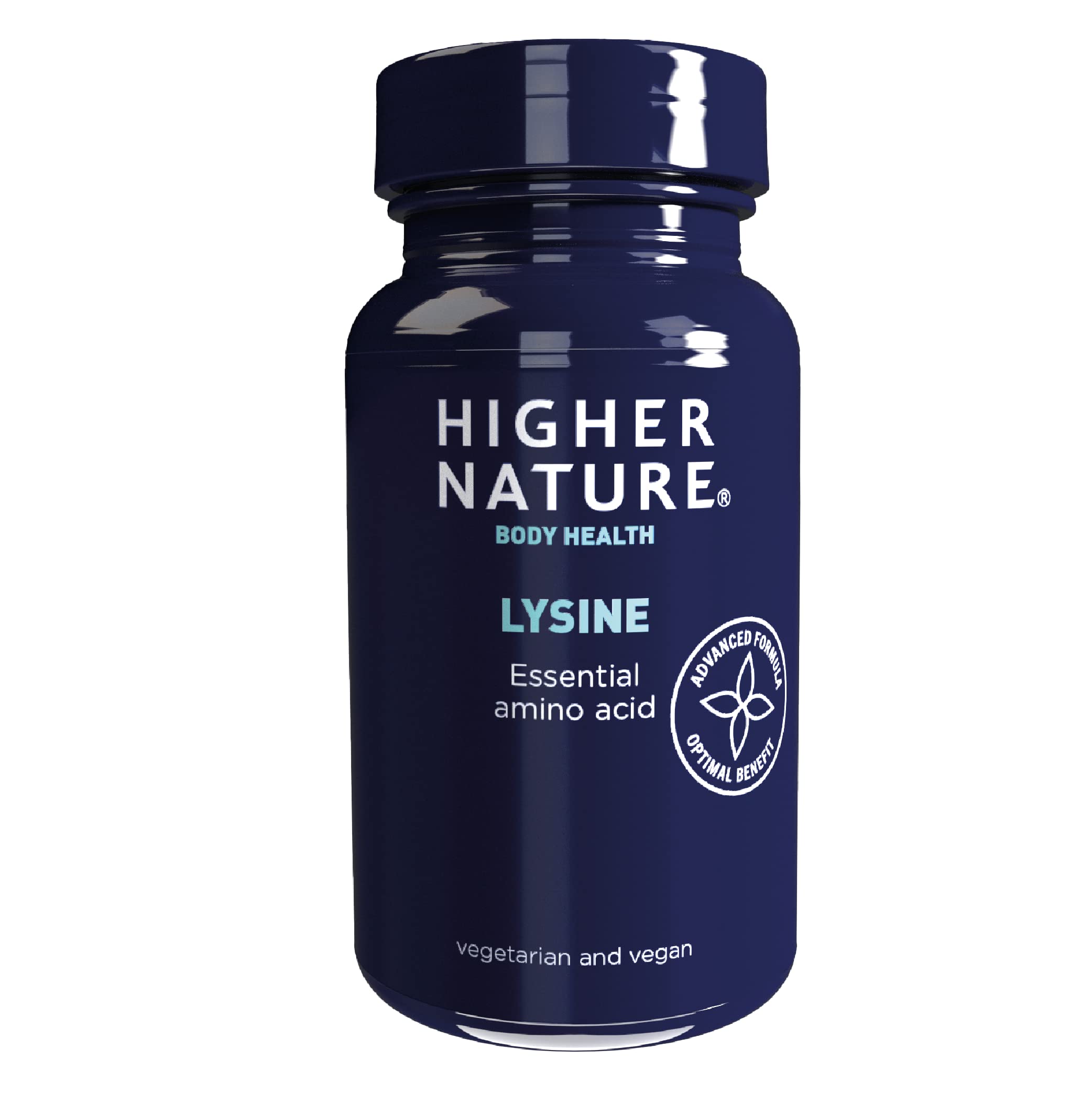
While most individuals obtain adequate lysine through a balanced diet containing animal proteins or legumes, supplemental L-lysine (often sold as L-lysine monohydrochloride) is widely used for specific therapeutic applications.
Therapeutic Contexts for Supplementation
| Application | Typical Dosing Range |
|---|---|
| General Deficiency Prevention | 500 – 1,000 mg / day |
| HSV Outbreak Reduction (Preventive) | 1,000 – 3,000 mg / day (divided) |
| Acute HSV Symptom Management | 3,000 mg / day (short duration) |
Therapeutic Contexts
- Herpes Simplex Virus (Cold Sores): Clinical trials investigating L-lysine supplementation for HSV management indicate that daily doses between 1,000 mg and 3,000 mg can reduce the frequency and duration of cold sore outbreaks. Lysine outcompetes arginine, restricting the viral replication process.
- Anxiety and Stress Modulation: Research indicates that lysine may act as a partial serotonin receptor antagonist ($\text{5-HT}_4$). Combined with dietary interventions, lysine supplementation has been shown to reduce stress-induced anxiety and cortisol responses in clinical trials.
- Bone Health Support: In postmenopausal women or individuals at risk for osteoporosis, supplemental lysine is sometimes combined with calcium supplements to enhance intestinal calcium absorption.
Side Effects and Potential Toxicity
L-lysine supplementation is safe for most healthy adults when taken at recommended dosages (up to 3 grams daily). However, excessive intake can lead to adverse metabolic effects:
- Gastrointestinal Distress: High single doses (exceeding 10–15 grams) can cause abdominal cramps, nausea, transient diarrhea, and flatulence.
- Renal Complications: High-dose supplementation over extended periods has been associated with tubulointerstitial nephritis and renal failure in isolated case reports. Individuals with existing kidney disease should exercise caution.
- Gallstone Formation: Excessively high lysine intake can alter cholesterol solubility in bile, potentially increasing the risk of gallstones in susceptible individuals.
- Arginine Imbalance: Uncontrolled, long-term high-dose lysine supplementation without adequate arginine intake may cause amino acid imbalances that affect nitric oxide synthesis, as arginine is the required precursor for nitric oxide ($\text{NO}$) production.
Drug and Nutrient Interactions
- Calcium Supplements: Taking large doses of L-lysine concurrently with high-dose calcium supplements can increase intestinal absorption and decrease renal clearance of calcium, raising the risk of hypercalcemia.
- Aminoglycoside Antibiotics: Concomitant use of lysine supplements with aminoglycosides (such as gentamicin or streptomycin) may increase the risk of nephrotoxicity.
Disclaimer: Consult a licensed physician or registered dietitian before starting high-dose L-lysine supplementation, particularly if you have pre-existing kidney disease, hepatic dysfunction, or are pregnant.
Frequently Asked Questions
Can the human body produce lysine on its own?
No. The human body lacks the metabolic enzymes required to synthesize the carbon skeleton of lysine. It is an essential amino acid that must be consumed through dietary sources or supplements.
What is the difference between L-lysine and lysine?
Lysine refers to the amino acid molecule generally. L-lysine is the specific biologically active stereoisomer utilized by cells to synthesize proteins and perform metabolic functions. Supplemental and dietary lysine is almost exclusively in the L-lysine form.
Why are cereal grains considered poor sources of lysine?
Cereal grains such as wheat, rice, and corn contain storage proteins (prolamins) that are naturally low in lysine content. As a result, lysine is the primary "limiting amino acid" in grain-based diets, requiring dietary variation with legumes or animal proteins.
How much lysine do I need if I am on a plant-based diet?
Adults require approximately 30 mg of lysine per kilogram of body weight per day (about 2,100 mg for a 70 kg individual). Vegans can easily meet this requirement by including soy products (tofu, tempeh, edamame), lentils, beans, chickpeas, pumpkin seeds, and quinoa in their daily diet.
Does lysine cure cold sores caused by the Herpes Simplex Virus?
No. Lysine does not cure the herpes simplex virus, which remains latent in nerve ganglia. However, supplemental L-lysine (1,000–3,000 mg daily) can reduce the frequency, duration, and severity of cold sore outbreaks by competing with arginine, an amino acid necessary for viral replication.
Is it safe to take L-lysine supplements every day?
For healthy adults, daily doses up to 3,000 mg (3 grams) are generally well-tolerated without significant side effects. Higher doses should be avoided unless supervised by a healthcare professional, as excessive intakes can cause gastrointestinal upset or renal strain.
Practical Recommendations
To maintain optimal lysine levels and support overall protein synthesis, follow these practical steps:
- Calculate Your Daily Baseline: Multiply your body weight in kilograms by 30 mg. A person weighing 75 kg requires at least 2,250 mg (2.25 grams) of dietary lysine per day.
- Diversify Plant-Based Proteins: If relying on plant protein, pair lysine-rich legumes (lentils, black beans, soy) with methionine-rich grains (brown rice, whole wheat) throughout the day to achieve complete amino acid coverage.
- Optimize Cooking Methods: Avoid over-heating dry grains or milk powders at high temperatures in dry conditions; excessive heat triggers the Maillard reaction, binding lysine's $\epsilon$-amino group to reducing sugars and rendering it bio-unavailability.
- Targeted Supplementation: For recurring cold sores or confirmed dietary deficits, consider an L-lysine monohydrochloride supplement delivering 1,000 mg daily, divided into two doses taken between meals for maximum absorption.
Image Gallery