What Are the Different Types of Cochlear Implants? A Complete Overview
Cochlear implants are medical devices that restore functional hearing to individuals with severe-to-profound sensorineural hearing loss. Types of cochlear implants are categorized primarily by external sound processor design (Behind-th...
Cochlear implants are medical devices that restore functional hearing to individuals with severe-to-profound sensorineural hearing loss. Types of cochlear implants are categorized primarily by external sound processor design (Behind-the-Ear vs. Off-the-Ear single-unit processors), internal electrode array configuration (perimodiolar, lateral wall, or mid-scala), and stimulation mechanism (standard electrical stimulation vs. hybrid electro-acoustic stimulation).
Contents
Unlike traditional hearing aids that amplify ambient acoustic sound, a cochlear implant system bypasses damaged hair cells inside the inner ear (cochlea) and directly stimulates the auditory nerve. Because hearing loss patterns, anatomical structures, and personal lifestyles vary significantly, medical device manufacturers design different implant configurations to suit specific clinical and daily needs.
Basic Architecture of a Cochlear Implant System
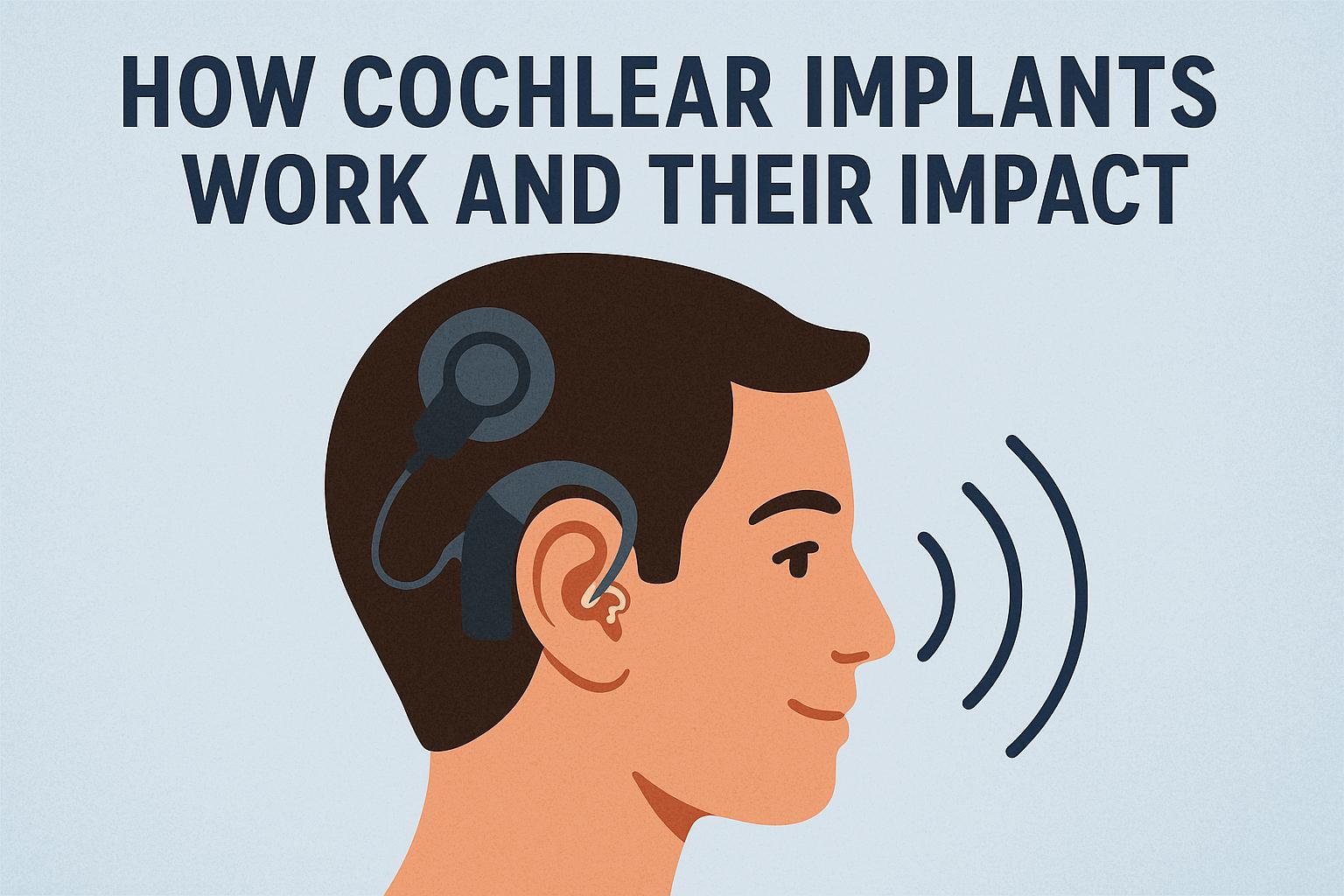
To understand how cochlear implant types differ, it is essential to first understand the two core components that make up any complete system:
- The Internal Implantable Component: Surgically placed underneath the skin behind the ear. It consists of a durable titanium or ceramic housing containing microelectronics, a receiving coil, a magnet, and a flexible wire called an electrode array that is threaded directly into the cochlea.
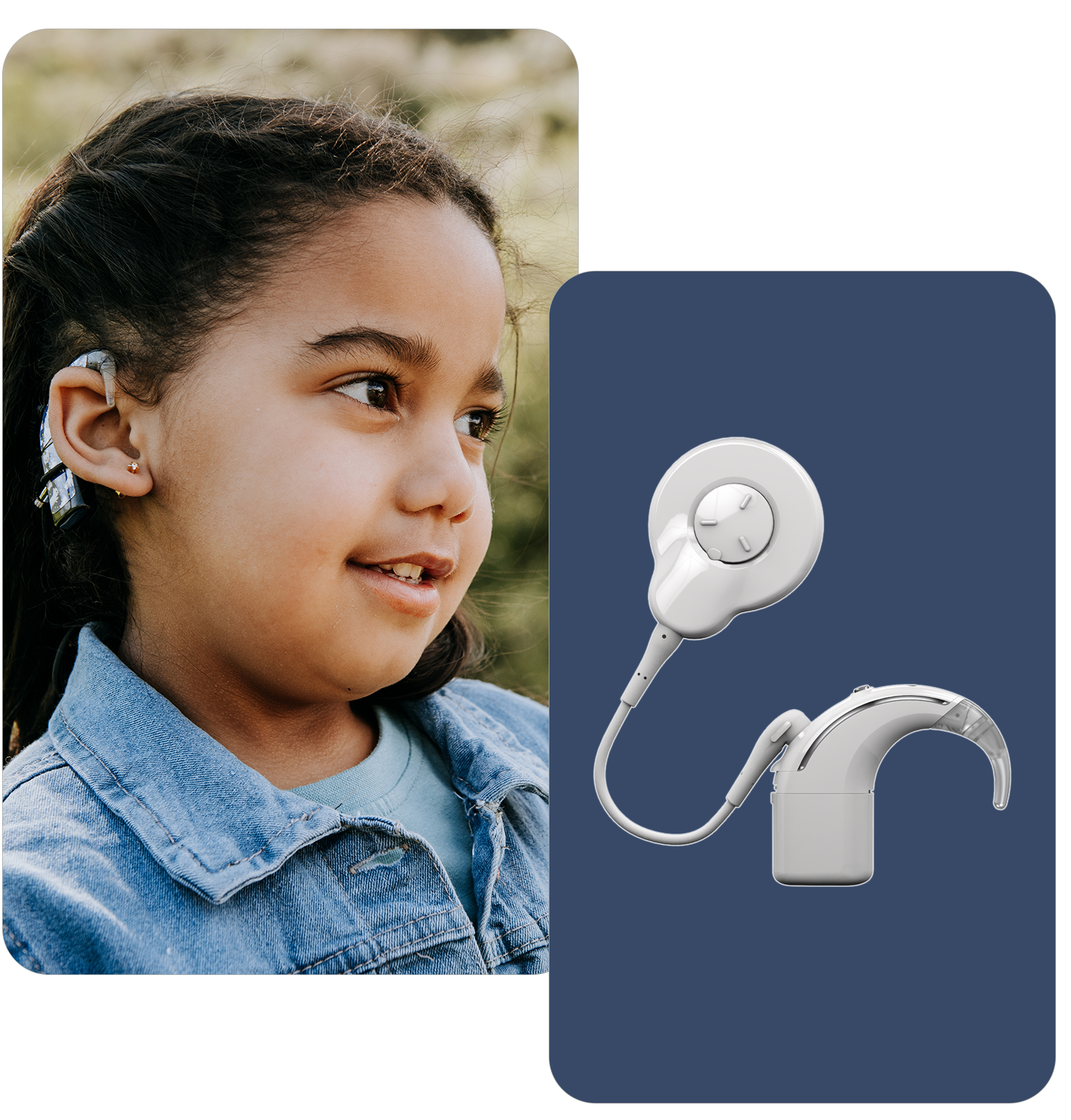
- The External Sound Processor: Worn on the outside of the head. It features microphones to capture environmental sound, a digital signal processor to convert sound into coded digital signals, a power source (rechargeable or disposable batteries), and a transmitting coil held over the internal magnet via magnetic attraction.
While the fundamental bioengineering concept remains constant across all modern systems, the external design and internal array geometry differ substantially.
External Sound Processor Types
The external sound processor is the visible component of the system. Patients choose their preferred processor style based on comfort, retention requirements, cosmetic preferences, and daily activities.
- External Sound Processor Types
- Behind-the-Ear (BTE) System
- Earhook & Processor
- Cable
- Transmitting Coil (Rests over internal magnet)
- Cable
- Earhook & Processor
- Off-the-Ear (OTE) / Single-Unit System
- Integrated Unit (Processor, Mic, Battery, & Coil)
- Worn directly on the scalp (No wires, off the ear)
- Behind-the-Ear (BTE) System
1. Behind-the-Ear (BTE) Sound Processors
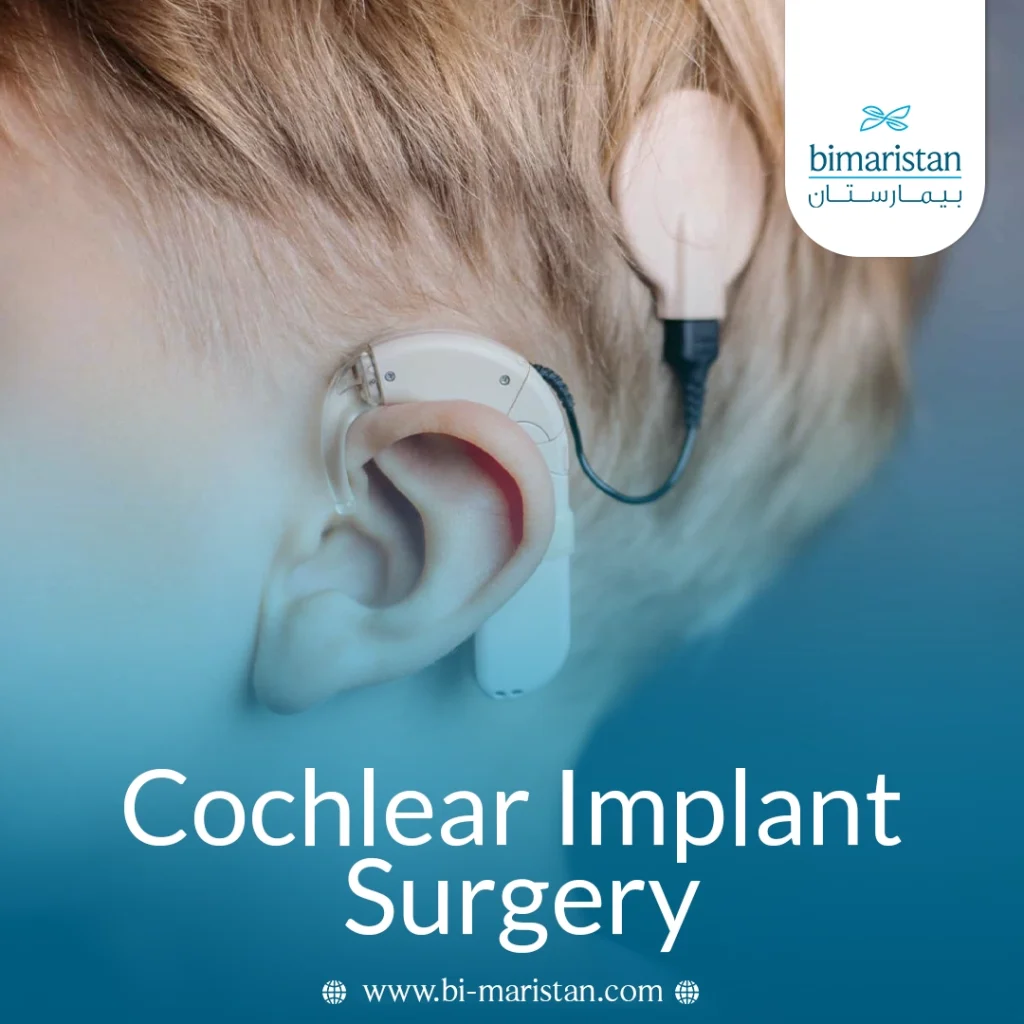
Behind-the-Ear (BTE) processors resemble large traditional hearing aids. The main processing unit, containing the electronics, microphones, and batteries, rests comfortably on top of and behind the outer ear (pinna). A thin cable connects the ear-worn processor to a separate transmitting headpiece (coil) magnet-coupled to the scalp.
- Advantages:
- Exceptional Retention: The earhook anchoring over the pinna provides high stability, making BTE processors ideal for infants, young children, and highly active individuals.
- Dual Microphone Positioning: Placing microphones directly behind the ear allows the device to utilize natural pinna cues for improved spatial hearing and directional microphone performance.
- Flexible Power Options: Accommodates larger rechargeable battery packs or high-capacity disposable batteries for extended operating hours.
- Modular Accessories: Easily accommodates ear molds, retention clips, and direct audio input cables.
- Limitations:
- Less discreet than off-the-ear options.
- Friction or pressure over the pinna for users who wear glasses or protective headgear simultaneously.
2. Off-the-Ear (OTE) / Single-Unit Processors
Off-the-Ear (OTE) processors—also called single-unit or button processors—combine the microphone, digital processor, battery, and transmitting coil into a single compact device. The entire unit attaches magnetically to the scalp over the internal implant site, leaving the outer ear completely free.
- Advantages:
- Maximum Comfort: Zero weight or contact on the outer ear, eliminating ear fatigue and avoiding interference with eyeglasses, sunglasses, or safety goggles.
- Cosmetic Discretion: Compact, low-profile design that can be easily concealed under hair.
- Cable-Free Design: Eliminates external wires that can snag, fray, or require routine replacement.
- Limitations:
- Retention Challenges: Relies entirely on magnetic attraction to stay in place. Vigorous movement or contact sports may cause the unit to drop off without secondary retention accessories (e.g., hair clips or headbands).
- Acoustic Microphone Placement: Microphones are situated on the scalp rather than on the ear canal axis, which slightly alters how directional sound is captured compared to natural ear geometry.
Types Based on Hearing Mechanism and Preservation
Not all candidates suffer total sensorineural hearing loss across all frequencies. Some individuals retain functional low-frequency hearing (ability to hear deep tones) while suffering profound high-frequency hearing loss (inability to hear speech consonants). Technology types are split based on how they address residual hearing.
- Hearing Stimulation Methodology
- Standard Electrical System
- Low Frequency: Electrical Stimulation
- High Frequency: Electrical Stimulation
- Hybrid / Electro-Acoustic System
- Low Frequency: Acoustic (Amplified)
- High Frequency: Electrical Stimulation
- Standard Electrical System
1. Standard (Full-Spectrum Electrical) Cochlear Implants
Standard cochlear implants are designed for individuals with severe-to-profound hearing loss across low, mid, and high acoustic frequencies.
The internal electrode array spans a substantial length of the cochlea, delivering electrical pulses across the entire tonotopic spectrum—from the base (high frequencies) to the apex (low frequencies). The user relies entirely on electrical stimulation of the auditory nerve to perceive environmental sounds and speech.
2. Electro-Acoustic Stimulation (EAS) / Hybrid Cochlear Implants
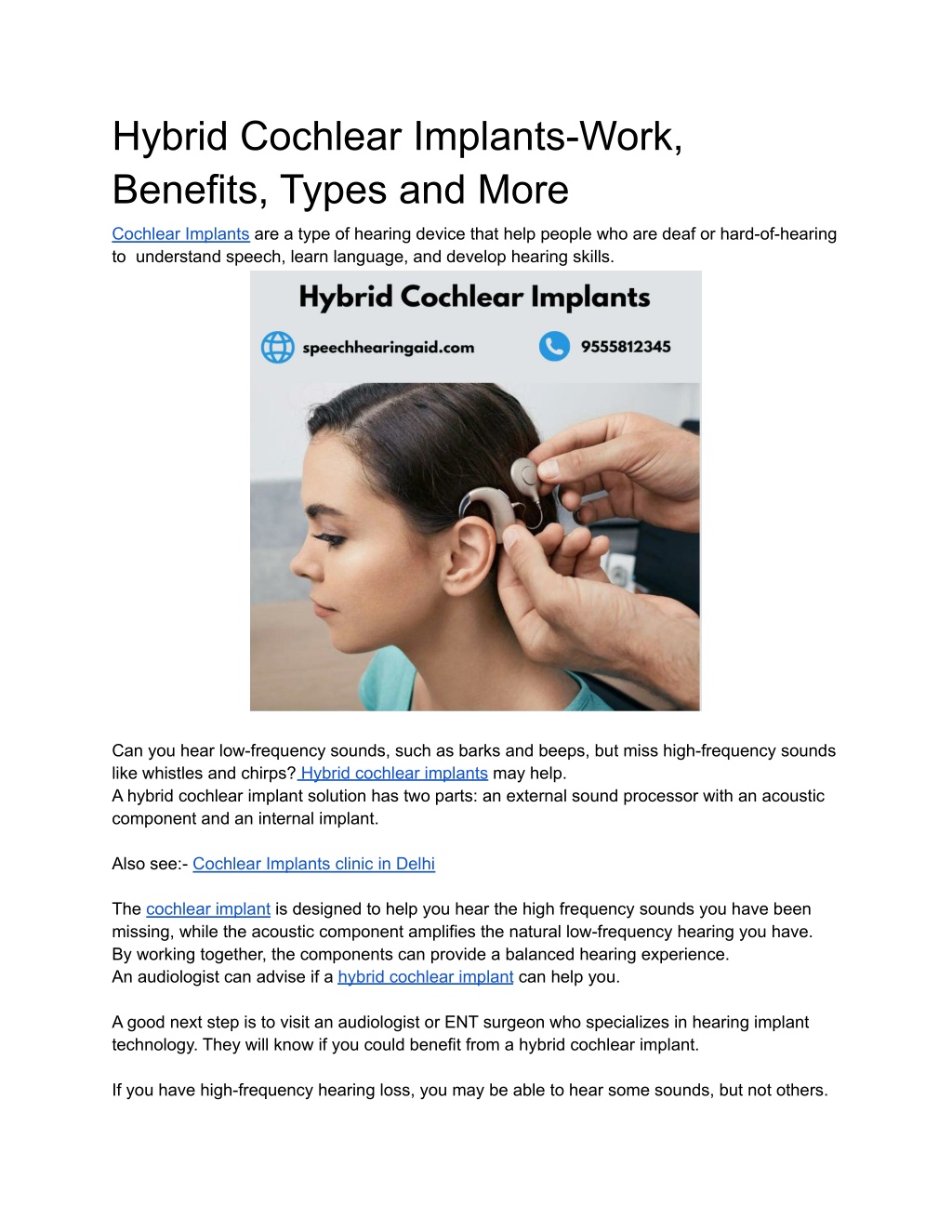
Electro-Acoustic Stimulation (EAS)—commonly referred to as Hybrid cochlear implantation—combines acoustic amplification (hearing aid technology) and electrical stimulation (cochlear implant technology) inside a single device.
- How It Works: A hybrid processor uses an acoustic component (an ear mold or dome) to amplify natural low-frequency sound acoustically. Concurrently, a specialized short, ultra-flexible electrode array inserted into the basal turn of the cochlea electrically stimulates the high-frequency auditory pathways.
- Clinical Purpose: Preserves delicate native inner ear structures and natural low-frequency residual hearing. This dual mechanism provides superior music appreciation, richer voice timbre, and significantly improved speech understanding in noisy surroundings compared to standard electrical stimulation alone.
- Ideal Candidates: Individuals who possess normal-to-moderate low-frequency hearing but drop off steeply into severe-to-profound high-frequency hearing loss.
Classification by Internal Electrode Array Design
The internal component's electrode array directly interfaces with the delicate spiral ganglion cells inside the scala tympani (one of the fluid-filled chambers of the cochlea). Surgical choices depend on individual temporal bone anatomy and residual hearing preservation goals.
1. Perimodiolar (Pre-Curved) Arrays
Perimodiolar electrode arrays are pre-shaped to wrap closely around the central core of the cochlea (the modiolus), where the cell bodies of the auditory nerve reside.
- Mechanism: By positioning the electrode contacts closer to the modiolus, electrical current spreads less through surrounding fluid, requiring lower electrical stimulation levels (current thresholds).
- Benefits: Conserves battery life and enables more targeted, localized nerve stimulation, which can enhance frequency resolution.
- Considerations: Requires specialized insertion tools and techniques to prevent trauma to the basilar membrane during placement.
2. Lateral Wall (Straight / Flexible) Arrays
Lateral wall electrode arrays are designed to sit along the outer (lateral) wall of the scala tympani. They are typically straight, highly flexible, and engineered with minimal structural stiffness.
- Mechanism: The array hugs the outer contour of the cochlear duct, keeping clear of sensitive inner structures like the basilar membrane and osseous spiral lamina.
- Benefits: Offers the highest probability of preserving structure and residual natural hearing, making it the preferred design for hybrid/EAS surgeries or patients with usable low-frequency hearing.
- Considerations: Sits further away from the modiolus, which may necessitate slightly higher energy output to achieve optimal auditory stimulation compared to perimodiolar arrays.
3. Mid-Scala Arrays
Mid-scala electrode arrays are designed to rest in the middle space between the modiolus and the lateral wall without touching either boundary wall directly.
- Mechanism: Engineered with specific mechanical properties that allow the array to float within the fluid space of the scala tympani.
- Benefits: Minimizes physical contact with intracochlear membranes while maintaining proximity to the auditory nerve cells, balancing structural preservation with efficient electrical transmission.
Related Neuroprostheses: Auditory Brainstem Implants (ABI)
When discussing cochlear implant types, it is important to distinguish traditional cochlear implants from Auditory Brainstem Implants (ABIs).
While a cochlear implant requires an intact auditory nerve to function, an ABI bypasses both the cochlea and the auditory nerve entirely. An ABI places a tiny surface electrode pad directly onto the cochlear nucleus in the brainstem.
ABIs are indicated primarily for patients with Neurofibromatosis Type 2 (NF2), non-functional or absent auditory nerves (aplasia), or severe complete cochlear ossification where an electrode array cannot be physically inserted into the inner ear.
Technical Comparison of Major Cochlear Implant Systems
The following table summarizes the practical characteristics, candidate criteria, and operating tradeoffs across the primary types of cochlear implant systems currently available from global device manufacturers (such as Cochlear Limited, Advanced Bionics, and MED-EL).
| Implant / Processor Type | Primary Candidate Profile | Primary Advantages | Operational Limitations |
|---|---|---|---|
| Behind-the-Ear (BTE) | Infants, children, active adults, patients requiring maximum battery runtime. | Secure earhook retention, optimal pinna microphone placement, extensive battery options. | Visible behind ear; potential physical interference with eyeglasses or headwear. |
| Off-the-Ear (OTE) | Adults, older children, glasses wearers, users prioritizing discreet aesthetics. | Zero ear weight, no external cables, comfortable for headwear, sleek cosmetic appearance. | Relies solely on magnetic retention; reduced directional acoustic cues from pinna position. |
| Hybrid / Electro-Acoustic (EAS) | Individuals with preserved low-frequency hearing and steep high-frequency loss. | Superior sound quality, enhanced music perception, preserves residual natural hearing. | Requires delicate atraumatic surgery; residual hearing may still diminish over time. |
| Perimodiolar Array | Candidates with profound hearing loss across all frequencies seeking high signal focus. | Sits close to nerve tissue; lower power consumption; precise spatial stimulation. | Less flexible; requires surgical precision to minimize structural trauma. |
| Lateral Wall Array | Candidates with usable residual hearing or specific anatomical structures. | Highly flexible; lowest risk of intracochlear membrane trauma; preserves delicate structures. | Sits further from nerve cells; may require higher electrical energy thresholds. |
Key Factors in Selecting the Right Implant Type
Choosing a cochlear implant system involves a collaborative decision between the candidate, an otolaryngologist (neurotologist), and an audiologist. Key criteria evaluated during candidate selection include:
- Audiometric Profile & Residual Hearing: If significant low-frequency hearing remains, a lateral wall electrode array paired with a hybrid electro-acoustic processor is frequently recommended to preserve natural pitch perception.
- Anatomy of the Temporal Bone: High-resolution CT and MRI scans evaluate the patency of the cochlea, nerve presence, and structural orientation. Cochlear malformations or partial ossification from prior meningitis may mandate specific flexible or abbreviated electrode designs.
- Age and Physical Dexterity: Young pediatric patients benefit from the physical retention of Behind-the-Ear (BTE) units with specialized locking battery compartments. Older adults or individuals with arthritis or reduced fine motor skills often find cable-free Off-the-Ear (OTE) single-unit processors easier to align and place independently.
- Lifestyle and Work Environment: Active individuals who spend time outdoors, in humid environments, or around water may select processors with elevated ingress protection (IP68 water resistance ratings) or choose specific waterproof accessories and headpiece options.
Frequently Asked Questions
What is the main difference between a hearing aid and a cochlear implant?
A hearing aid amplifies incoming acoustic sound to push sound energy through damaged inner ear structures. A cochlear implant bypasses damaged cochlear structures entirely, converting sound into digital electrical pulses that directly stimulate the auditory nerve.
Can I upgrade my external sound processor without having another surgery?
Yes. The internal receiver/stimulator remains surgically implanted in the temporal bone for decades. External sound processors can be upgraded to newer hardware technologies as manufacturers release updated models, provided the new processor remains compatible with the implanted internal component platform.
Are off-the-ear (single-unit) processors as powerful as behind-the-ear processors?
Modern single-unit (OTE) processors use digital processing chips and microphone arrays comparable to behind-the-ear (BTE) models. However, because OTE processors sit higher on the scalp rather than on the pinna, sound processing algorithms must adapt for microphone placement. Battery capacities and attachment stability may also differ between the two formats.
What happens if my residual hearing changes after getting a hybrid implant?
If natural low-frequency residual hearing declines over time after receiving a hybrid (EAS) device, an audiologist can adjust the external processor settings. The acoustic hearing aid component can be adjusted, or the device can be re-programmed to deliver full electrical stimulation across the entire frequency range covered by the electrode array.
Are all cochlear implant types safe for MRI scans?
Modern internal cochlear implants feature rotatable or self-aligning magnets designed to withstand magnetic resonance imaging (MRI). Most current devices are rated safe for 1.5 Tesla (T) and 3.0T MRI scans without requiring surgical magnet removal, though external processors must always be removed prior to entering the MRI suite.
Next Steps for Prospective Candidates
If you or a family member are considering a cochlear implant:
- Schedule a Comprehensive Evaluation: Seek out an accredited cochlear implant center to undergo formal audiometric testing, speech recognition assessments in noise, and neurotological imaging.
- Consult with an Audiologist and Surgeon: Review internal electrode options based on your anatomical scans and external processor models based on your daily lifestyle.
- Review Device Manufacturers: Research product platforms, connectivity features (such as direct smartphone streaming), battery management solutions, and customer support ecosystems.
Medical Disclaimer: This guide is provided for educational and informational purposes only and does not constitute formal medical advice. Individual candidacy, surgical approach, and device selection must be determined through comprehensive medical evaluation by qualified healthcare professionals.
Image Gallery