A Jazzman's Blues on Netflix: Viewing Guide, Plot, Cast, and Production Insights
A Jazzman's Blues is a period drama film written, directed, and produced by Tyler Perry, streaming exclusively on Netflix worldwide. Set against the backdrop of the Jim Crow-era American South, the story chronicles a decades-spanning s...
A Jazzman's Blues is a period drama film written, directed, and produced by Tyler Perry, streaming exclusively on Netflix worldwide. Set against the backdrop of the Jim Crow-era American South, the story chronicles a decades-spanning secret romance between a rural musician and a young woman whose life is transformed by family secrets, systemic racism, and colorism.
Contents
Streaming Overview and Access on Netflix
Released globally on Netflix on September 23, 2022, following its world premiere at the Toronto International Film Festival (TIFF), A Jazzman's Blues remains available to stream across all standard Netflix subscription tiers. The film has a running time of 127 minutes (2 hours and 7 minutes) and carries an R rating from the Motion Picture Association due to depiction of racist violence, language, sexual content, and drug use.
| Feature | Film Specification |
|---|---|
| Title | A Jazzman's Blues |
| Director / Writer | Tyler Perry |
| Release Date | September 23, 2022 |
| Platform | Netflix Exclusive Worldwide |
| Runtime | 127 Minutes |
| MPAA Rating | Rated R (Violence, Language, Sexuality, Drug Use) |
| Primary Genre | Period Drama / Romance / Musical Drama |
| Key Cast | Joshua Boone, Solea Pfeiffer, Amir Miller, Austin Scott, Ryan Eggold |
| Music Score | Terence Blanchard |
| Original Songs & Soundtrack | Aaron Zigman, Terence Blanchard, Joshua Boone |
| Choreography | Debbie Allen |
Subscribers can access the movie in high definition (HD) and 4K Ultra HD resolution depending on their subscription tier and hardware capability, with supported playback features including Dolby Vision and Dolby Atmos audio tracks. Audio description tracks and localized subtitles in dozens of languages are standard across all supported regions.
Plot Summary and Narrative Structure
The story of A Jazzman's Blues unfolds using a framing narrative set in 1987 in Hopefields, Georgia. An elderly Black woman named Hattie Mae delivers a stack of old letters to a local white politician running for re-election, compelling him to examine an unsolved murder that took place forty years prior. The narrative then shifts to 1937 in rural Georgia, where the core tragic love story begins.
The Origins of Bayou and Leanne (1937–1940s)
In 1937, young Bayou (Joshua Boone), an unassertive young man with a gifted singing voice, lives with his mother Hattie Mae (Amir Miller), a talented singer herself, and his abusive father Buster. Bayou meets Leanne (Solea Pfeiffer), a light-skinned young woman who lives with her abusive grandfather. The two form an intimate bond, secretly meeting late at night on the back porch of Leanne's home, communicating via paper lanterns and hand-written letters.
Their tender romance is shattered when Leanne's mother returns to take her away to Boston. Leanne's light skin allows her mother to force her to "pass" as a white woman in high society, cutting off all contact with her past and forbidding her from seeing Bayou again.
- 1937 (Georgia)
- Bayou & Leanne meet
- 1947 (Boston / Chicago / Georgia)
- Leanne passes as white
- Bayou becomes a Chicago star
- Tragic return to Hopefields
- 1987 (Framing Story)
- Hattie Mae presents letters
- Unsolved murder revealed
Chicago Stardom and the Return South (1947)
Ten years later, in 1947, Bayou has joined the U.S. Army and returned to Georgia, where his older brother Willie Earl (Austin Scott), a talented trumpet player plagued by substance abuse and jealousy, is trying to break into the music business. Meanwhile, Leanne has been married off to the wealthy white brother of the local sheriff, concealing her African American lineage.
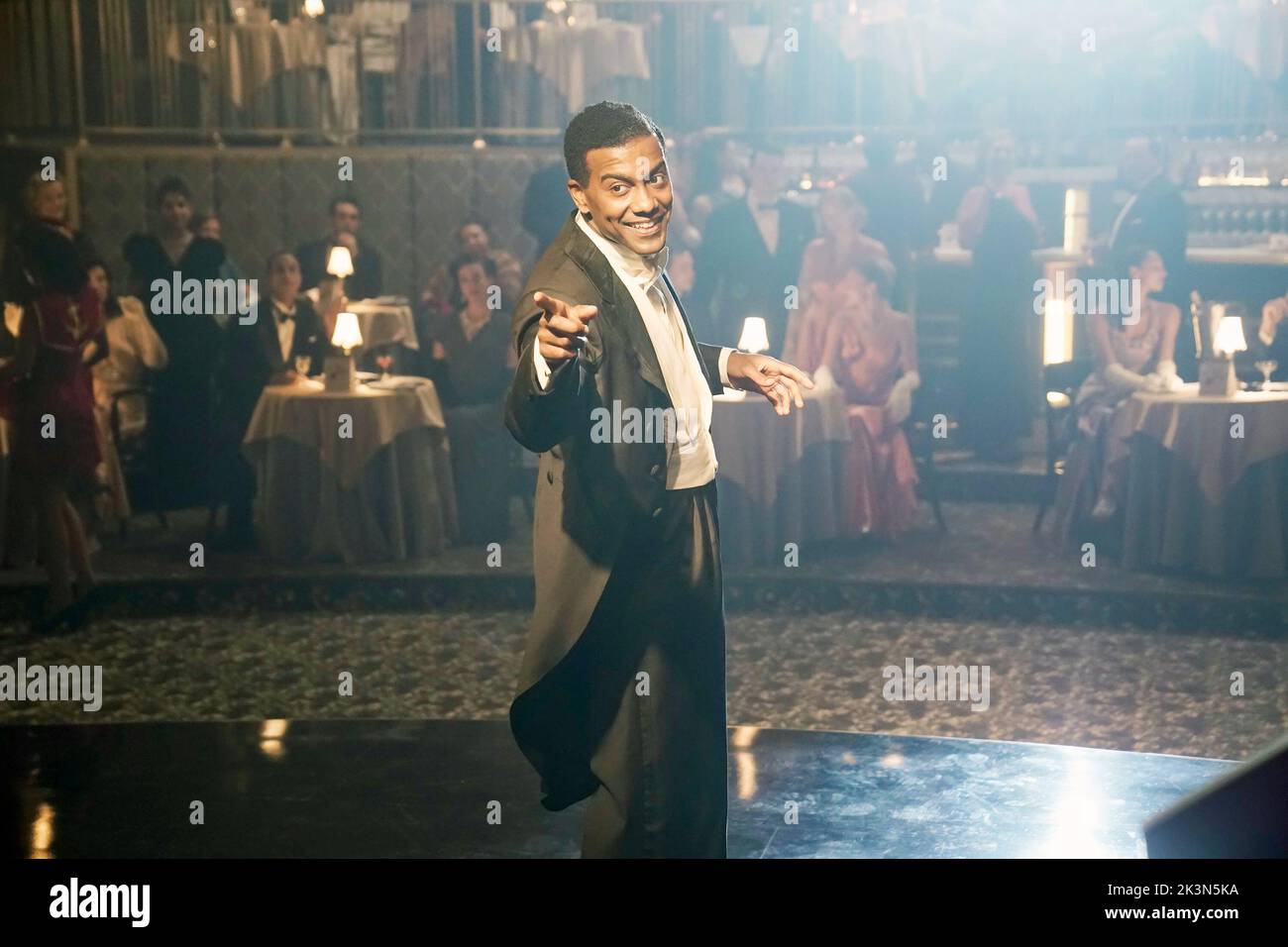
When Leanne returns to Georgia with her new husband, she and Bayou secretly rekindle their romance. The encounter is discovered, forcing Bayou and his mother to flee for their lives to Chicago. In Chicago, Bayou's vocal talents are discovered by a manager, turning him into a headline jazz attraction at an executive club.
Despite achieving artistic and financial success, Bayou remains drawn to Leanne. When he returns south to help his mother and attempt to rescue Leanne and their child, the town's racial tensions and family betrayal lead to a devastating climax.
Cast and Key Performances
The ensemble cast features a mix of breakthrough theater performers and established screen actors:
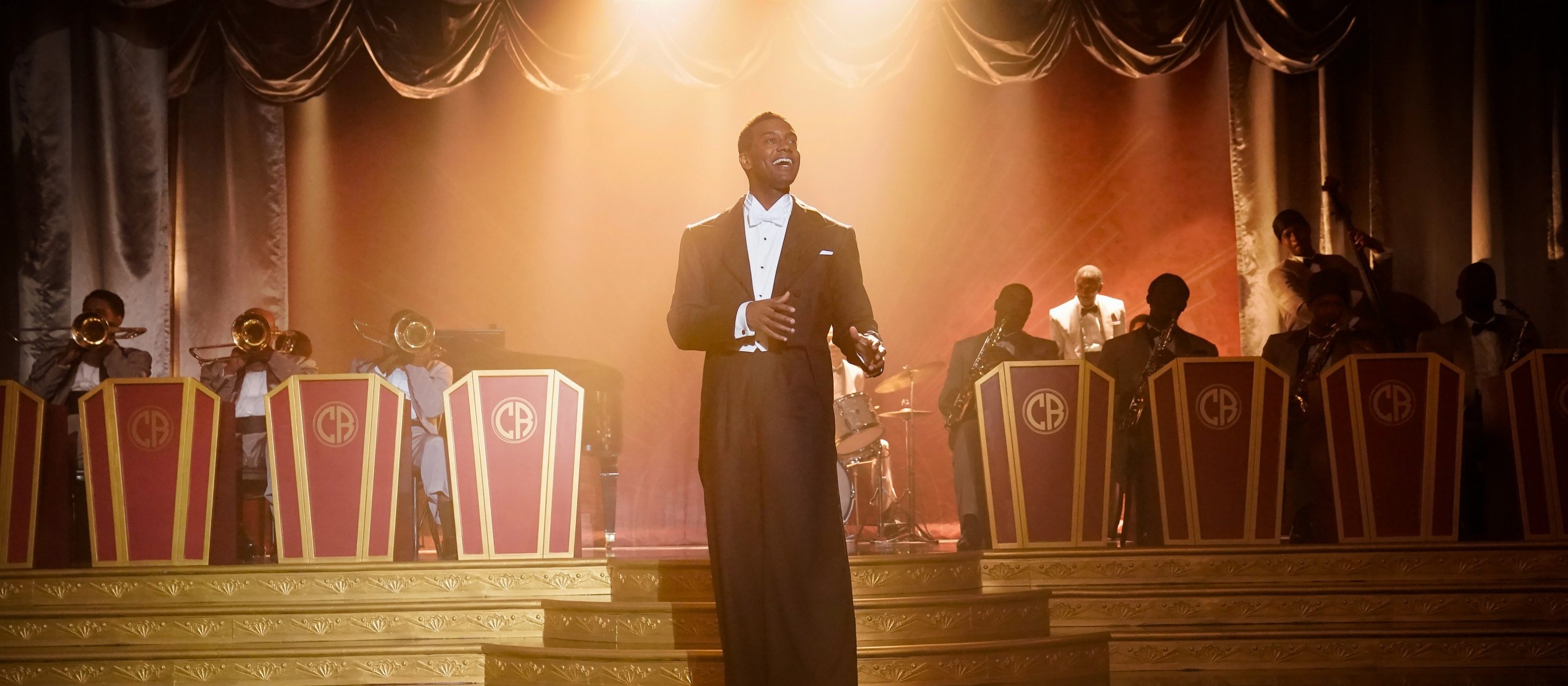
- Joshua Boone as Bayou: Boone portrays the lead protagonist with vulnerability, performing his own vocal tracks throughout the film's musical acts. Bayou's evolution from a timid farmhand to a confident Chicago lounge singer drives the emotional core of the film.
- Solea Pfeiffer as Leanne (Roxane): Pfeiffer plays the female lead who is forced by societal pressure and maternal coercion to abandon her identity and live as a white woman. Her performance captures the isolation and moral anguish of historical "passing."
- Amir Miller as Hattie Mae: Serving as the moral anchor of the story, Miller plays Bayou's protective mother whose blues singing inspires her son and whose memories frame the central mystery.
- Austin Scott as Willie Earl: Scott portrays Bayou's deeply troubled older brother. Consumed by jealousy over Bayou's natural musical ability and favored treatment by club owners, Willie Earl’s tragic descent into heroin addiction creates a central friction within the family.
- Ryan Eggold as Buster: Eggold acts as a white Northern talent manager who recognizes Bayou's vocal abilities and helps launch his career in Chicago, serving as an entry point into the commercialized jazz industry of the era.
- Brent Antonello as John: The wealthy, racially prejudice husband of Leanne whose family holds local political control over Hopefields, Georgia.
Production Background: Tyler Perry’s 25-Year Screenplay
While Tyler Perry built his career primarily on contemporary comedies, stage plays, and popular franchises, A Jazzman's Blues holds a distinct position in his filmography as his personal passion project.
- 1995
- Perry writes first draft after meeting August Wilson
- 2021
- Netflix greenlights film with full creative freedom
- 2022
- World premiere at TIFF & global streaming release
Development Timeline
Perry wrote the first draft of A Jazzman's Blues in 1995. The inspiration came after a chance meeting with legendary playwright August Wilson (Fences, Ma Rainey's Black Bottom) in Atlanta. Wilson's work inspired Perry to draft a historical narrative focused on southern Black life, systemic oppression, and musical heritage.
For over two decades, Perry retained the script while expanding his studio footprint and commercial film catalog. He repeatedly delayed production until he secured the budget, casting control, and platform capable of distributing the historical drama globally without creative compromise. In 2021, Netflix greenlit the production under Perry's comprehensive creative deal with the streaming service.
Musical Composition and Choreography
To bring the authentic atmosphere of 1940s jazz halls to life, the production assembled acclaimed artistic creators:
- Musical Score: Composed by Oscar-nominated jazz trumpeter and composer Terence Blanchard, who created a lush orchestral score blended with period-accurate big band arrangements.
- Soundtrack Arrangements: Composer Aaron Zigman collaborated with Blanchard to write and arrange original numbers and period tracks, including the spotlight song "Paper Heart."
- Choreography: Legendary dancer and choreographer Debbie Allen staged the extensive juke-joint and Chicago nightclub dance numbers, capturing authentic 1940s swing, blues, and southern dance styles.
Themes and Social Context
A Jazzman's Blues uses the conventions of tragic melodrama to explore historical realities of the American South during the mid-20th century.
Racial Passing and Identity
A central thematic line involves the practice of "passing"—light-skinned African Americans concealing their heritage to escape legal segregation and racial violence. The film presents Leanne's transformation not as an act of deceit, but as a survival mechanism forced upon her by her family, highlighting the psychological toll of severing ties with one's community and heritage.
Colorism and Familial Favoritism
The dynamic between Bayou, his brother Willie Earl, and their parents illustrates the pervasive nature of colorism within families and communities. The film addresses how light skin and societal biases influence internal family dynamics, driving jealousy and alienation between brothers competing for validation and success.
Music as Both Refuge and Commodity
Music serves a dual purpose throughout the film:
- Expression and Healing: In the rural South, blues and gospel music provide Hattie Mae and Bayou with an emotional outlet to cope with poverty and abuse.
- Commercialization and Risk: In Chicago, jazz becomes a lucrative commodity. However, even high-end northern clubs remain segregated spaces where Black artists entertain white audiences while remaining subject to exploitation and systemic danger if they return home.
Critical Reception and Audience Response
Upon its premiere at the Toronto International Film Festival and subsequent release on Netflix, A Jazzman's Blues received mixed-to-positive reviews from film critics, with widespread praise directed toward its cast and production values.
- Performances: Critics praised Joshua Boone and Solea Pfeiffer for their chemistry and emotional depth. Boone’s live vocal performances were frequently highlighted as standout moments.
- Cinematography and Music: The film’s visual style—shot by cinematographer Brett Pawlak—and Terence Blanchard’s score were consistently lauded for capturing the tone of historical romantic sagas.
- Scripting and Pacing: Some critics noted that the film relies heavily on traditional melodrama conventions and familiar tropes of the genre. However, many recognized the work as one of Tyler Perry's most refined directorial efforts, showcasing his range beyond comedic stage adaptations.
Frequently Asked Questions
Is A Jazzman's Blues based on a true story?
No, A Jazzman's Blues is a fictional story written by Tyler Perry. However, the film is deeply grounded in real historical conditions of the Jim Crow-era American South, addressing documented social issues such as racial passing, systemic segregation, and historical violence.
Does Joshua Boone actually sing in A Jazzman's Blues?
Yes, actor Joshua Boone performed his own vocals for the songs featured in the film. The soundtrack showcases his authentic vocal performances alongside musical arrangements produced by Terence Blanchard and Aaron Zigman.
Who wrote the music for A Jazzman's Blues?
The instrumental score was composed by multi-Grammy winner and Oscar nominee Terence Blanchard. Choreography for the musical sequences was led by iconic choreographer Debbie Allen.
Where was A Jazzman's Blues filmed?
Principal photography took place primarily in Georgia, utilizing historical locations around Savannah and the Tyler Perry Studios lot in Atlanta to recreate 1930s and 1940s rural landscapes and Chicago nightclub interiors.
Is A Jazzman's Blues available on physical media (DVD/Blu-ray)?
As a Netflix original film, A Jazzman's Blues is distributed exclusively through Netflix's digital streaming platform worldwide and has not been granted an official physical DVD or Blu-ray release.
Recommended Next Steps for Viewers
If you are planning to watch or analyze A Jazzman's Blues on Netflix, consider the following viewing recommendations:
- Check Audio Settings: For the best experience during the music and lounge sequences, set your audio output to Dolby Atmos or 5.1 Surround Sound on supported home audio systems.
- Explore Related Cinema: Viewers interested in period musical dramas and historical narratives surrounding Black history may also enjoy Ma Rainey's Black Bottom, The Piano Lesson, or Mudbound, all available within the Netflix historical drama catalog.
- Listen to the Official Soundtrack: The A Jazzman's Blues (Soundtrack from the Netflix Film) album is available across major digital streaming platforms for listeners wanting to explore Terence Blanchard's score and Joshua Boone's vocal tracks independently.
Image Gallery