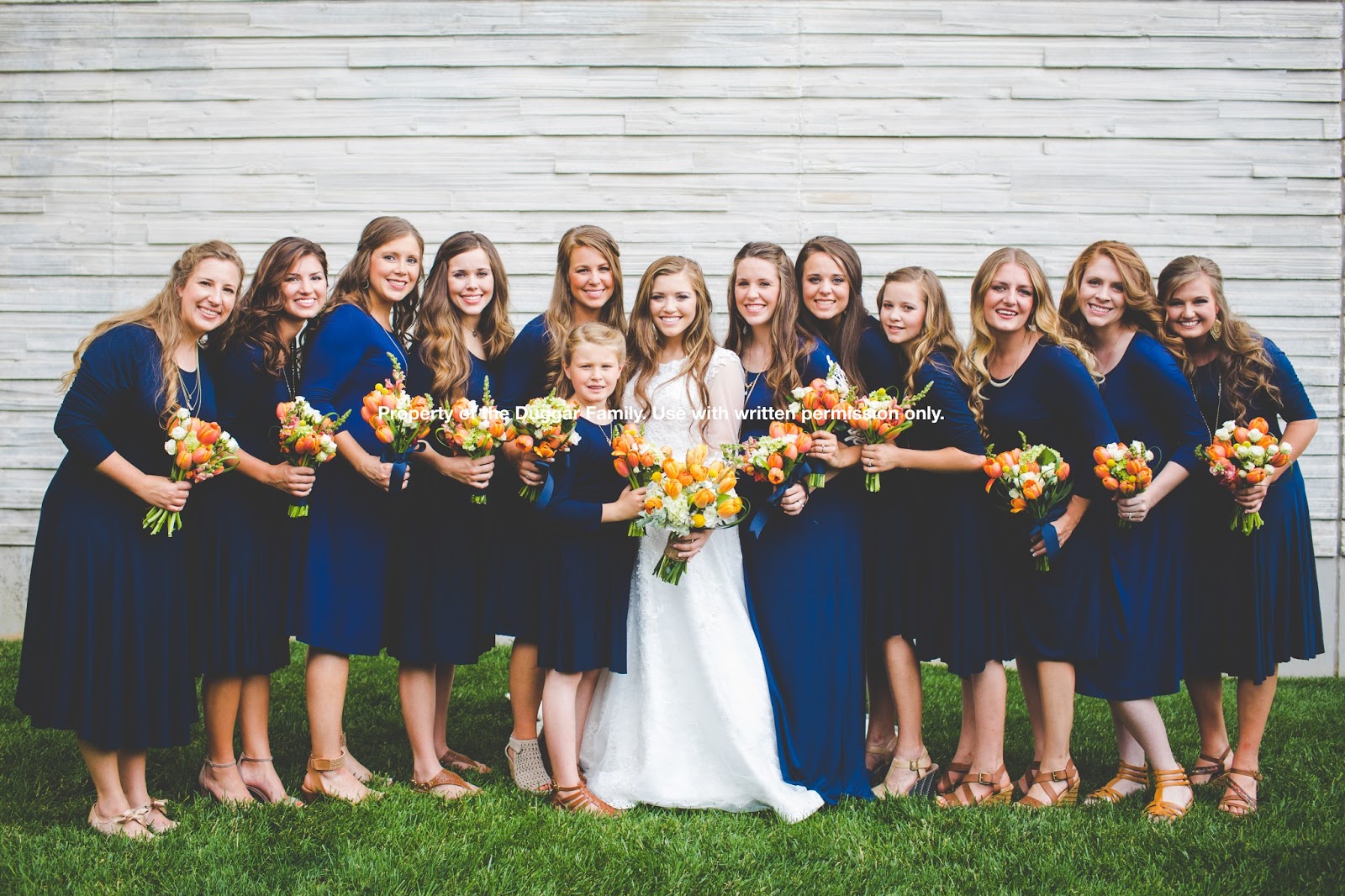
What Duggar Wedding Dress Trends Reveal About Family Style
The evolution of Duggar wedding dress trends offers a unique window into the intersection of personal aesthetics and conservative religious doctrine. By analyzing these bridal choices, observers can track a shift from highly uniform, m...
The evolution of Duggar wedding dress trends offers a unique window into the intersection of personal aesthetics and conservative religious doctrine. By analyzing these bridal choices, observers can track a shift from highly uniform, modest-first silhouettes toward more individualized expressions of style that still strictly adhere to the family’s foundational requirements for courtship and modesty.
Contents
The Foundation of Modesty Standards
To understand the style trends of the Duggar family, one must first recognize the underlying framework of their "modesty" requirements. For the Duggar women, wedding attire—like daily wear—is guided by a commitment to covering the shoulders, chest, and knees. Historically, this often led to dresses featuring high necklines, long sleeves, and floor-length skirts, often achieved through the creative use of lace panels or the addition of custom boleros to existing designer gowns.
In the early years of the public-facing family, this often resulted in a "uniform" look. Because the women of the family were frequently married in relatively quick succession, the aesthetic was defined by a shared reliance on specific seamstresses and the procurement of off-the-rack dresses that required heavy modification. These early trends were less about the individual’s fashion preference and more about a collective adherence to a visual standard that signaled the family’s commitment to their faith.
The Shift Toward Individualized Bridal Fashion
As the family grew and the adult daughters began to navigate their own marriages in the 2020s, a distinct shift occurred. While the core tenets of modesty remained, the execution became significantly more sophisticated. The trend moved away from the "modified ready-to-wear" approach toward gowns that were either designed with modesty in mind from the outset or incorporated into the design process with greater technical precision.
This shift reveals a maturation in the family’s approach to brand identity. Rather than merely obscuring skin, the recent trends emphasize bridal trends found in the wider industry—such as illusion necklines, intricate beading, and structural lace—while ensuring those elements function within their established parameters. This allows for a more personalized "family style" that feels less like a rigid set of limitations and more like a curated aesthetic choice.
Technical Evolution: From Modification to Customization
The transition from modifying store-bought dresses to bespoke bridal design is perhaps the most significant indicator of the family’s evolving relationship with wedding fashion. In early instances, the addition of fabric panels or sleeves often disrupted the silhouette of a gown, creating an unintentional mismatch in lace patterns or material weights.
By contrast, current trends involve:
- Integrated Design: Choosing gowns from designers who offer "modest collections," which feature high backs and full-coverage bodices that require no supplemental sewing.
- Fabric Continuity: Working with tailors who can source identical fabric to the gown’s original designer to ensure sleeves or high necklines appear as original features rather than afterthoughts.
- Modern Silhouettes: Utilizing current bridal trends like A-line skirts and minimalist fabrics that fit the modesty standard naturally without requiring heavy, obstructive layers.
Comparative Analysis of Wedding Dress Approaches
The following table illustrates the progression of bridal style within the family, contrasting the early period of the public family image with contemporary standards.
| Feature | Early Era (2008–2015) | Contemporary Era (2020–2026) |
|---|---|---|
| Sourcing | Off-the-rack boutiques | Designer boutiques & custom ateliers |
| Modification | Heavy, visible layering | Minimal, seamless integration |
| Silhouette | Voluminous, modest-first | Current trends (A-line, crepe, lace) |
| Aesthetic Goal | Uniform modesty | Individualized personal style |
| Execution | Local tailoring/DIY | Professional couture alteration |
Influence of Public Perception and Social Media
The shift in wedding dress trends is also inextricably linked to the influence of social media. Where early family weddings were documented through the lens of a television network, newer generations participate in the broader, digital bridal community. This has exposed the women of the family to contemporary bridal designers, Pinterest-driven aesthetic boards, and international wedding trends.
This increased connectivity has allowed them to blend their personal values with mainstream fashion expectations. The "family style" is no longer an isolated phenomenon; it is a calculated navigation of traditional values in a modern, content-driven landscape. They demonstrate that it is possible to follow strict dress requirements while still participating in the visual language of modern luxury weddings.
Addressing Common Misconceptions
A recurring question regarding Duggar weddings is whether the dresses represent a loss of personal agency. On the contrary, the current trend toward highly customized, professional bridal fashion suggests an increase in agency. By engaging with professional designers and investing in high-quality alterations, the women are exercising greater control over their presentation than in the era of simple modification.
Furthermore, it is important to note that the consistency in these dresses is a conscious choice of the family unit. The "modesty" requirement is not a burden to be mitigated but a foundational element of the family's public identity. When viewed as a set of design constraints, the evolution of these dresses mirrors the evolution of any design field: it has moved from restrictive, functional solutions to fluid, artistic ones that still meet all requirements.
Frequently Asked Questions
Are Duggar wedding dresses required to be custom-made? No, they are not required to be custom-made. Historically, many were purchased off-the-rack and modified by local tailors. However, the current trend is to purchase gowns that meet the modesty standards inherently or to work with designers to produce them from the start to ensure high-quality construction.
Do the women share a common bridal designer? There is no single designated designer for the family. While they may share recommendations among siblings, the choice of designer is typically personal and reflects the specific bride’s taste, provided the final result aligns with the family’s modesty standards.
What is the "modesty" requirement exactly? The family adheres to a standard that generally requires high necklines, coverage of the shoulders, and full coverage of the legs. The specific interpretation of these rules is left to the individual, but the visual result remains consistent across the various weddings held by the family members.
Why does the aesthetic of the dresses keep changing? The changes reflect broader shifts in the bridal fashion industry. As trends move from heavy lace to minimalist crepe or from ballgowns to structured A-line silhouettes, the family members adopt these trends, proving that strict personal style standards can still be compatible with modern fashion cycles.
Is there a cost difference between the early dresses and the newer ones? Yes, there is generally a higher financial investment in current dresses. As the family has shifted away from modifying budget-friendly dresses toward working with higher-end bridal boutiques and professional custom designers, the cost per garment has increased significantly.
Conclusion and Next Actions
The trends in Duggar wedding dresses reveal a family that has successfully transitioned from restrictive, uniform-based styling to a more nuanced, modern approach to modest fashion. For those interested in studying this evolution, the most effective method is to compare the bridal photography released from the 2010s against current social media announcements.
If you are looking to replicate this approach in your own bridal planning, focus on finding a gown silhouette that aligns with your coverage requirements first. Prioritize designers who offer built-in high necklines or illusion sleeves, as these will always provide a more polished, cohesive look than adding sleeves to a sleeveless gown. When in doubt, consult a professional bridal tailor who specializes in formal structural modifications to ensure the integrity of the dress remains intact.
Image Gallery