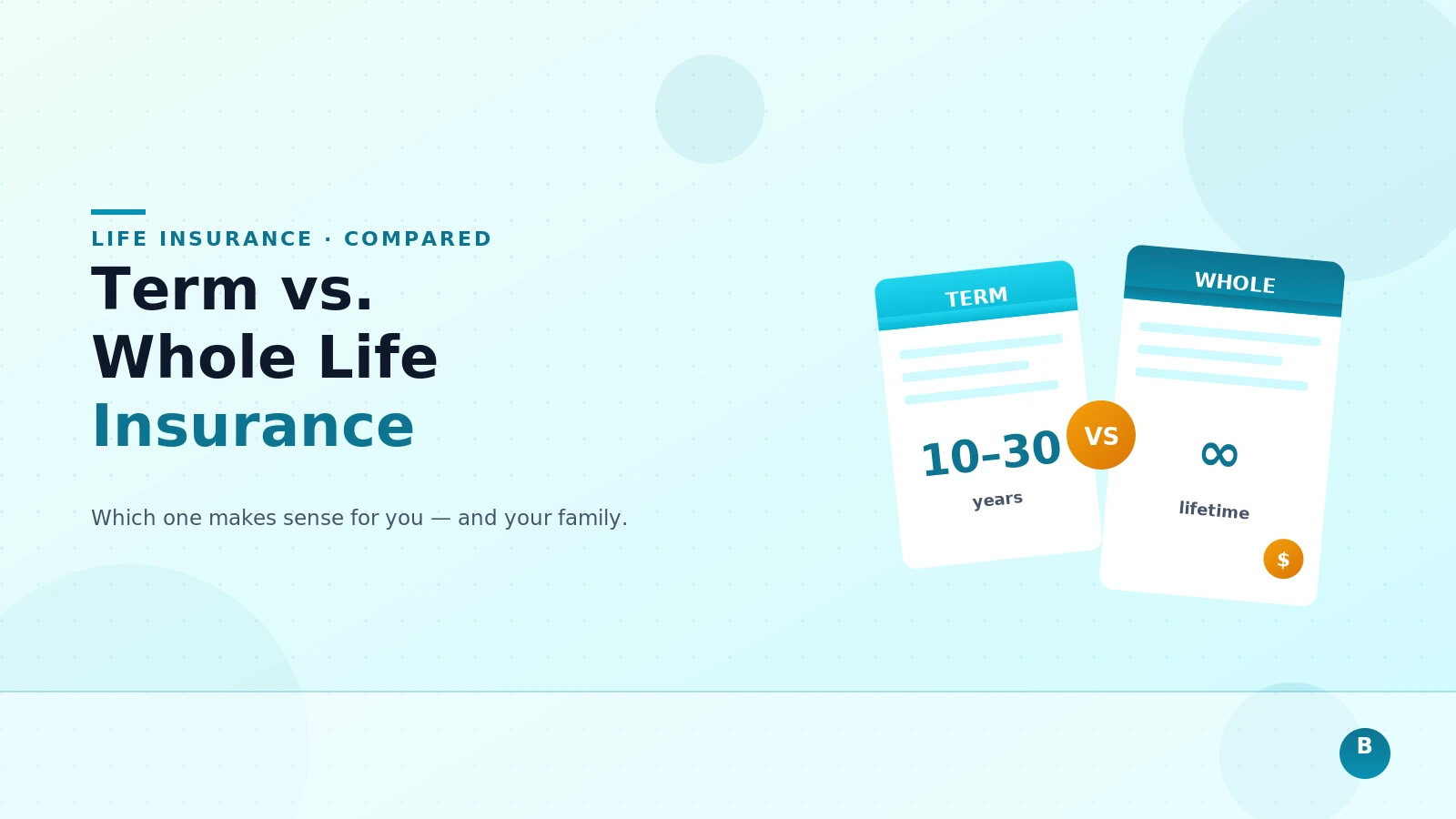
Why Home Beneficial Life Insurance in Richmond Makes Sense for Families
Home Beneficial life insurance makes sense for Richmond families by combining regional stability, accessible coverage options, and dedicated family protection tailored to local living costs. Whether managing legacy policies from Richmo...
Home Beneficial life insurance makes sense for Richmond families by combining regional stability, accessible coverage options, and dedicated family protection tailored to local living costs. Whether managing legacy policies from Richmond’s historic Home Beneficial Life Insurance Company or securing modern home-focused life policies, local families gain financial safety, debt protection, and guaranteed beneficiary support.
Contents
Understanding Home Beneficial Life Insurance in Richmond: Legacy and Modern Context
To understand why home beneficial life insurance holds a distinct place in Richmond, Virginia, it helps to examine both its deep local history and its practical role in family financial planning. For decades, the Home Beneficial Life Insurance Company was a cornerstone of Richmond's business landscape. Founded in 1899 and long headquartered on West Broad Street, the institution specialized in accessible, home-service life insurance policies designed to protect working families across the Commonwealth.
While Home Beneficial Life Insurance Company was acquired by American General Corporation in 1997—which subsequently became part of AIG and later evolved into Corebridge Financial—the concept of "home beneficial" coverage remains deeply relevant for Richmond residents. Modern family life insurance in the Richmond metropolitan area fulfills the same fundamental promise: protecting the family home, replacing lost income, and ensuring that surviving dependents do not absorb sudden financial liabilities.
For families living in Richmond today, securing policy coverage tailored to local economic conditions provides a buffer against rising living costs, real estate obligations, and unexpected final expenses. Whether servicing a legacy policy purchased decades ago or structuring a new life insurance portfolio, understanding local jurisdictional factors, claim processes, and policy types is essential for long-term security.
The Economic Drivers: Why Richmond Families Need Targeted Life Coverage
Structuring life insurance in Richmond requires an understanding of the region's unique financial realities. Living costs, housing values, and healthcare expenses across Henrico, Chesterfield, and Richmond City have evolved significantly. A standard policy that might have sufficed a generation ago may no longer offset modern household debt or future obligations.
Richmond Family Financial Exposure:
- Residential Mortgages (Average metro housing debt burden)
- Income Replacement (Sustaining household standards of living)
- Dependent Care & Higher Education (In-state tuition planning)
- End-of-Life & Medical Expenses (Final medical bills & burial)
Housing and Mortgage Protection
Real estate values across Greater Richmond have steadily appreciated. For most families, the primary residence represents both their largest asset and their largest liability. If a primary wage earner passes away unexpectedly, mortgage protection via life insurance ensures that surviving family members can retain their home without facing forced liquidation or foreclosure.
Income Replacement and Inflation Adjustment
The average household income in the Richmond region supports diverse daily expenses, from transportation and childcare to property taxes. Life insurance proceeds act as an immediate liquidity bridge, replacing lost salary so surviving spouses can maintain household stability without relying on high-interest credit or emergency asset sales.
State-Specific Legal and Regulatory Safeguards
In Virginia, life insurance policies are regulated by the Virginia State Corporation Commission Bureau of Insurance. Virginia law provides explicit consumer protections, including clear guidelines on policy contestability periods, mandatory grace periods for premium payments, and protections for policy beneficiaries against certain creditor claims under Virginia Code § 38.2-3122.
Comparing Policy Types for Richmond Households
Choosing the right structure depends on a family’s financial stage, budget, and long-term objectives. The table below outlines how common policy formats compare for families evaluating home beneficial coverage in the Richmond area.
| Policy Type | Coverage Duration | Premium Structure | Cash Value Accumulation | Best Suited For |
|---|---|---|---|---|
| Term Life Insurance | Fixed period (10–30 years) | Level, locked-in premiums | None | Families needing maximum coverage during high-liability years (mortgage, raising children). |
| Whole Life Insurance | Lifetime (Permanent) | Fixed for life | Yes (Guaranteed growth rate) | Long-term estate planning, lifelong financial protection, and guaranteed cash build-up. |
| Universal Life Insurance | Lifetime (Flexible) | Adjustable within limits | Yes (Interest-rate or market-indexed) | Policyholders seeking flexible premiums and adaptable death benefits over time. |
| Final Expense / Home Service | Lifetime (Small face amount) | Fixed weekly or monthly | Minimal | Covering immediate burial costs, administrative fees, and unresolved medical bills. |
Term Life Insurance: High Protection for Active Growth Years
Term life remains one of the most cost-effective ways for young Richmond families to cover massive financial obligations. By selecting a 20- or 30-year term, parents can cover the exact timeline of their home mortgage and their children's path through college.
Whole Life Insurance: Permanent Security and Legacy Planning
Unlike term policies, whole life insurance never expires as long as premiums are paid. It builds accessible cash value on a tax-deferred basis, which policyholders can borrow against during emergencies. For families seeking a true "home beneficial" legacy—passing wealth down to the next generation unburdened by debt—whole life provides absolute permanence.
Final Expense and Traditional Home-Service Policies
Historically, Home Beneficial agents visited homes weekly or monthly to collect small premiums for modest burial policies. Modern final expense policies mirror this approach, offering small-denomination coverage ($10,000 to $25,000) with simplified underwriting. These plans ensure that immediate funeral costs do not fall onto surviving relatives.
Servicing Legacy Home Beneficial Policies in Virginia
Many long-time Richmond households still hold active life insurance contracts bearing the original "Home Beneficial Life Insurance Company" logo. Because the company underwent corporate acquisitions, policyholders and beneficiaries often face confusion when attempting to update policy details, pay premiums, or file a death claim.
- Historic Home Beneficial Policy
- 1997 Acquisition: American General
- Modern Servicing: Corebridge Financial / AIG
Steps to Locate and Manage Historic Policies
- Identify the Successor Administrator: Policies originally written by Home Beneficial Life Insurance Company are primary obligations managed under Corebridge Financial (formerly AIG Life & Retirement / American General Life).
- Utilize Free Verification Portals: If a physical policy document is lost, families can use the National Association of Insurance Commissioners (NAIC) Life Insurance Policy Locator Service to search for unclaimed or unserviced policies nationwide.
- Contact the Virginia Bureau of Insurance: The State Corporation Commission maintains records of historical company mergers, name changes, and contact information for liability holders operating within Virginia.
- Gather Necessary Documentation: To submit a claim or modify beneficiary designations on a legacy policy, the administrator will require the original policy number (if available), full legal name of the insured, Social Security number, and a certified death certificate for claims.
Strategic Advantages of Home Beneficial Life Protection
Securing life insurance tailored to family needs provides distinct advantages that align directly with long-term financial health in Central Virginia.
Key Advantages of Home Beneficial Life Coverage:
- Mortgage Liquidation: Keeps the family home fully paid off.
- Income Continuity: Replaces essential monthly earnings.
- Tax-Free Death Benefits: Federal & state income-tax-free payout.
- Liquidity for Estate Settlement: Prevents forced asset sales.
Tax-Free Capital Transfer
Under Internal Revenue Code § 101(a), life insurance death benefit payouts are generally received by beneficiaries free from federal income taxation. In Virginia, death proceeds are likewise exempt from state income tax, making life insurance one of the most efficient mechanisms to transfer capital directly to dependents.
Safeguarding Estate Liquidity
Estate settlement in Virginia involves probate fees, executor commissions, and potential final health costs. If a deceased individual's wealth is tied up in real estate or restricted accounts, heirs might be forced to sell real property quickly at a discount. Life insurance provides immediate cash liquidity, giving the executor the capital needed to pay administrative fees and settle debts orderly.
Supplementary Financial Flexibility
Permanent policies generate policy equity (cash value) that can be accessed via policy loans or cash withdrawals. Richmond business owners and homeowners frequently leverage this internal liquidity to fund home repairs, supplement retirement income, or manage cash flow gaps during emergencies.
Common Pitfalls in Family Life Insurance Planning
While life insurance is a proven financial tool, families frequently make structural errors during purchase or administration. Avoiding these mistakes ensures the policy performs as intended when needed most.
1. Relying Solely on Employer-Provided Group Life Insurance
Many Richmond residents rely exclusively on group life insurance offered through their employers. While group life is a valuable benefit, it typically offers limited coverage (often just 1x or 2x annual salary) and is rarely portable. If an employee changes jobs, retires, or faces health changes that lead to employment termination, their group coverage typically ends—leaving the family unbacked at an advanced age when individual coverage is expensive.
2. Failing to Update Beneficiary Designations
Life events such as marriages, divorces, births, and adoptions require policy reviews. In Virginia, failing to update beneficiary forms can lead to legal disputes or unintended distribution. Primary and contingent beneficiaries should always be named explicitly, rather than defaulting payout instructions to "the estate," which subjects funds to probate delays and potential creditor claims.
3. Underestimating Total Household Liabilities
Purchasing a policy based solely on mortgage balance ignores secondary expenses. A comprehensive calculation must account for future inflation, education expenses for dependents, outstanding vehicle loans, personal debt, and income replacement for the remaining years of a spouse’s career.
4. Ignoring Policy Ownership Structure
How a policy is owned impacts legal control and potential estate tax exposure. While individual ownership is standard, high-net-worth families in Virginia often use Irrevocable Life Insurance Trusts (ILITs) to remove policy proceeds from their gross taxable estate, ensuring total asset protection.
Actionable Steps for Richmond Families Securing Coverage
Taking a methodical approach to life insurance ensures that your policy fits your budget while fully protecting your family's financial obligations.
Step 1: Conduct Household Audit
- Calculate debts, mortgage balances, and income replacement needs.
Step 2: Review Existing & Legacy Policies
- Check employer group coverage and trace historic Home Beneficial contracts.
Step 3: Select Appropriate Policy Structure
- Match Term, Whole Life, or Final Expense to your family stage.
Step 4: Formulate Beneficiary Directives
- Designate primary and contingent beneficiaries clearly.
Step 5: Schedule Regular Policy Reviews
- Re-evaluate coverage every 3–5 years or after major life events.
Calculate Total Financial Exposure: Add your total mortgage balance, personal debts, projected higher education costs for children, and 5 to 10 years of income replacement. Subtract existing liquid savings to determine your actual coverage gap.
Trace Historic Policies: If an older relative held a policy with Home Beneficial Life Insurance Company, contact Corebridge Financial or use the NAIC locator tool to confirm policy status and beneficiary details.
Obtain Quotes from Rated Carriers: Evaluate insurers holding strong financial strength ratings (A or better) from independent rating agencies like A.M. Best or S&P Global.
Coordinate Coverage with Estate Plans: Ensure policy beneficiary designations match your overall estate plan, financial powers of attorney, and living trusts under Virginia law.
Frequently Asked Questions
What happened to the Home Beneficial Life Insurance Company in Richmond?
Home Beneficial Life Insurance Company was acquired by American General Corporation in 1997. American General subsequently merged into AIG, and its life and retirement division was later rebranded as Corebridge Financial. Active policies originally issued by Home Beneficial remain legally valid and are serviced by Corebridge Financial today.
How can I locate a lost Home Beneficial Life Insurance policy?
To locate a lost policy issued in Richmond or anywhere in Virginia, use the NAIC Life Insurance Policy Locator Service online. You can also consult the Virginia State Corporation Commission Bureau of Insurance or contact Corebridge Financial customer service directly with the policyholder’s legal name and Social Security number.
Are life insurance death benefits taxable in Virginia?
In most cases, life insurance death benefits paid to a named beneficiary are exempt from both federal and Virginia state income taxes. However, interest earned on death proceeds prior to disbursement may be taxable, and policies owned directly by a deceased individual may be included in their total estate value for tax evaluation if state or federal estate tax thresholds are met.
How much life insurance does a typical Richmond family need?
A standard benchmark for family protection is 10 to 12 times the primary wage earner's annual gross income, plus the remaining balance of major long-term debts like a home mortgage. Individual requirements vary based on household size, existing savings, and long-term education goals for dependents.
Can I borrow against a whole life insurance policy purchased in Virginia?
Yes. Permanent whole life insurance policies accumulate cash value over time. Policyholders can take policy loans against this accumulated equity to pay for immediate needs, such as emergency home repairs or education expenses. Loan balances not repaid prior to the insured's death will be deducted from the final payout delivered to beneficiaries.
Practical Recommendations
For families in Richmond, life insurance is not merely a financial product—it is a foundation for intergenerational security. Whether you are managing an existing legacy policy from Richmond’s historic Home Beneficial era or purchasing modern term or whole life coverage, securing the right policy protects your home, clears outstanding debt, and guarantees your family’s ongoing standard of living. Begin by conducting a thorough audit of your family's current liabilities, review your existing coverage, and consult with a licensed Virginia insurance professional to finalize a structure tailored to your goals.
Image Gallery